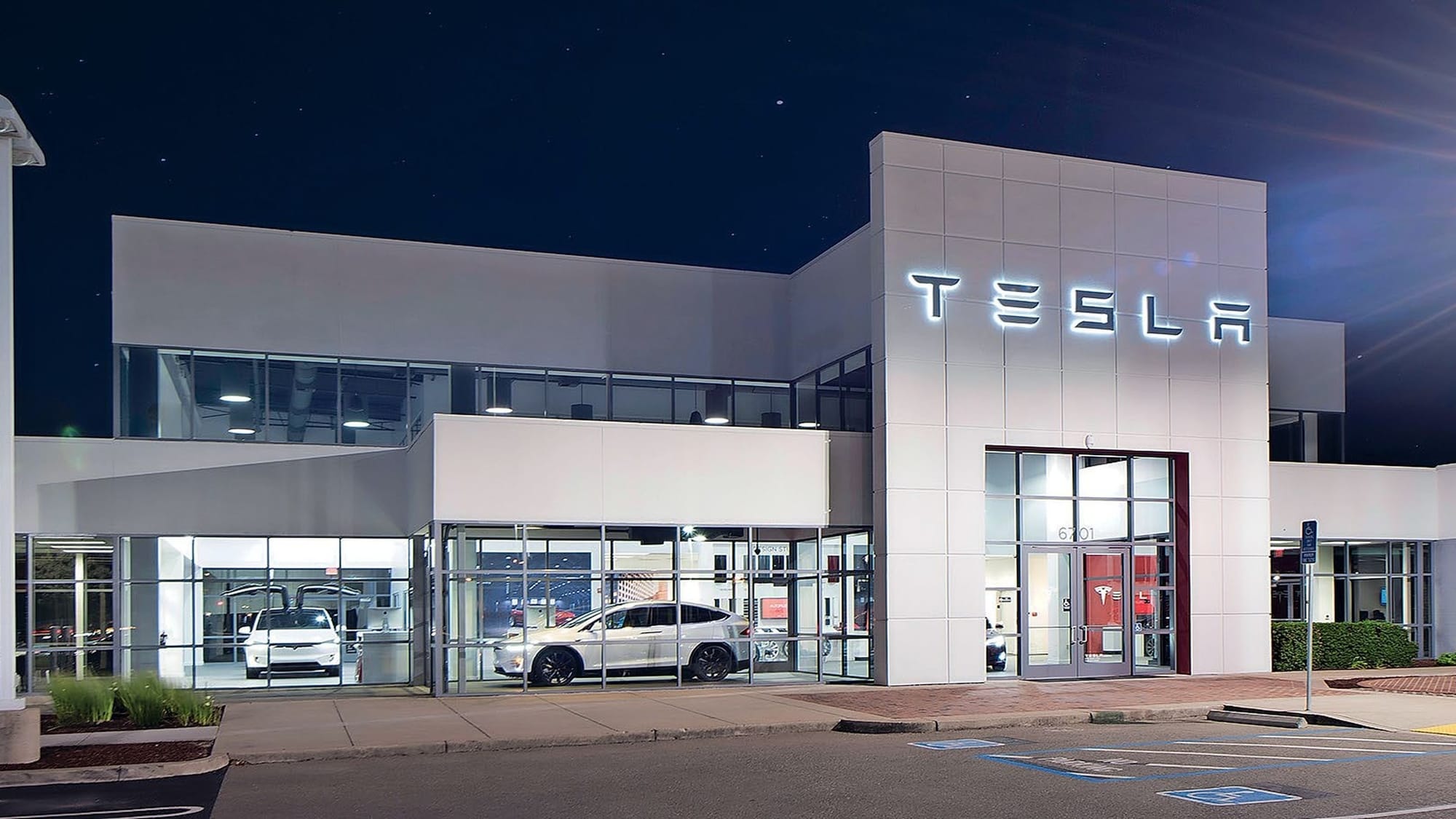
The upcoming Tesla Model 3, the car that will take electric transportation to the masses, offers more than just affordability. It is Elon Musk's next move in a grand master plan to change the world.
The Model 3 might have been unveiled in March, but deliveries of the 35,000-dollar electric car will not begin until the end of 2017. In the meantime, Tesla will be working hard on finding ways to ramp up production so as to meet the 400,000 deposits it has already managed to attract. The first step will be to raise output at its new 1,300-hectare battery-making Gigafactory outside Reno, in Nevada. This will not be easy, as although the factory has begun churning out batteries, it will not be in full swing until 2020.
Step two was revealed in August, when Tesla merged with SolarCity, America's number-one full-service solar provider. What it showed was that Tesla's aim is not so much to compete as a car manufacturer but to be a fundamental part of a new sustainable electric ecosystem. In other words, Tesla wants to supply the solar panels, the batteries and the software to manage this power and trade it over networks, thereby becoming your one-stop shop for ordering, installing and servicing sustainable energy.
In short, the electric cars, even this new Model 3 that is aiming for the masses, are just an entry point for ending our dependence on oil.