Danielle Arbid has a way of keeping you on your toes. Her 2008 video essay ‘This Smell of Sex’ features such forthright language, you can almost feel everyone in the room blush and yet there are hardly any images beyond archival photographs of a young woman wearing a panty girdle. The main ‘visuals’ are intertitle text narratives of women and men talking about their sexual encounters, which appear in blazing white against a black backdrop.
“I like to consider that every film I make is the last,” Arbid says. “This is not a profession. When I travel, I never say I’m a film director.” Perhaps this is because she started off as a journalist. As a field, journalism seemed the more immediate choice after studying literature. Seventeen years old and living in Paris at the time, she didn’t know what else to do.
“I had left Lebanon and its wars and I was still searching for myself,” She continues. Still, being a reporter had its pitfalls. “I wanted to insert subjectivity in my pieces. I thought about writing stories but French was not yet really my language. One day, I wrote a personal story and showed it to a colleague who said it was so visual, it should be a film.”
That’s how it began. Her short fiction narrative Demolition, won 20,000 USD at a film competition. Suddenly, Arbid found herself going to the library to find manuals on how to make films. “It wasn’t serious, but I was really lucky with my crew, especially with a well-known director of photography (Helene Louvart). I wanted to shoot in Wadi Abou Jamil in Beirut, which I did. This was my first experience and I said it would be the only one, because I was not in fact a moviemaker. Later I realised that this was what I wanted to do in life, even though moviemakers are idiots,” she laughs. “They dream something up and then strive to make it real. But it can never actually be real. So what happens is that you end up living a double life – your own and that of the ‘heroes’ you are featuring. It’s true that I also steal a lot of moments from my actors. I go out and experience things with them, capture how they behave. I need them to give and to let themselves go beyond their own limits.”
Arbid’s films alternate between genres, from critically acclaimed first-person documentaries (a Gold and a Silver Leopard from the Locarno Film Festival) and video essays, to fiction but she is best known for her feature ‘In the Battlefields’ (2004), a coming of age story that features the sexual journey and awakening of two young girls in East Beirut, with Lebanon’s wars as a backdrop. In it, time passes slowly between sniper attacks, intimacy is hushed and there is the poetry of whispered secrets. Arbid was twelve when the wars in Lebanon ended and in this film she found that she could “relive it all again, only to be able to forget it anew.”
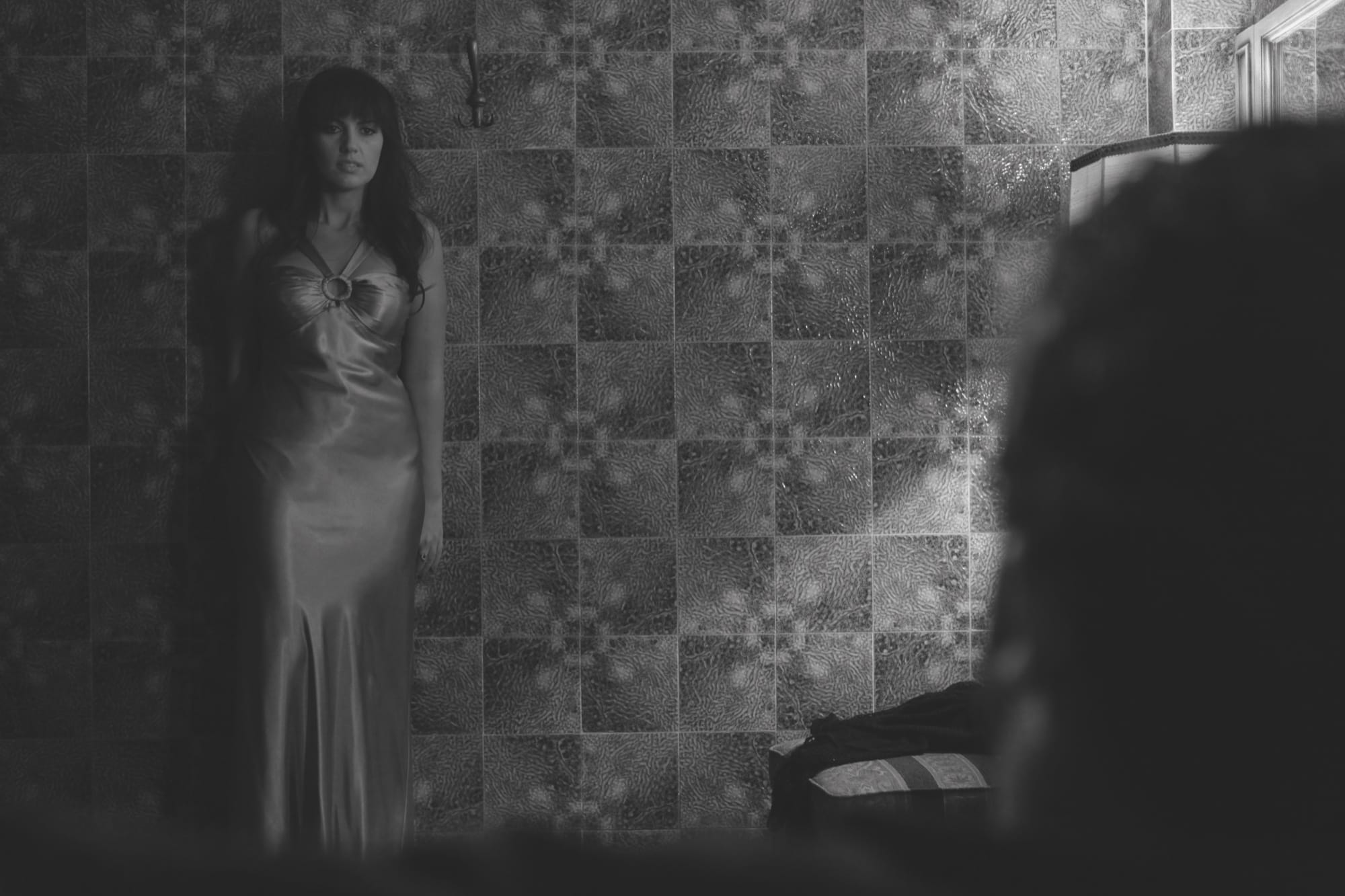
Her most powerful film by far has been ‘A Lost Man’ (2007), which has a decidedly male voice and traces the travels and erotic encounters a French photographer and an anonymous Lebanese man, who both seem to be fleeing something and finding momentary refuge in women.
Arbid says she became “obsessed” with the American writer and journalist William Vollmann, a celebrated, almost mythical writer, who travelled the globe and spent a lot of time writing about prostitutes. “He liked to go to risky places like Cambodia and Afghanistan,” she explains. “Like me, he is somehow lost and doesn’t know where he belongs. I met up with him and said, ‘I feel the same way, kind of like you. Though I am not a man, but I feel I could be’.”
Arbid sought to convey Vollman’s character in ‘A Lost Man’, a film that leaves you with a strong feeling of emptiness; about a man who tried to kill his wife and forgets his past and a French photographer who seems to enjoy taking pictures of his lovers more than he does sleeping with them.
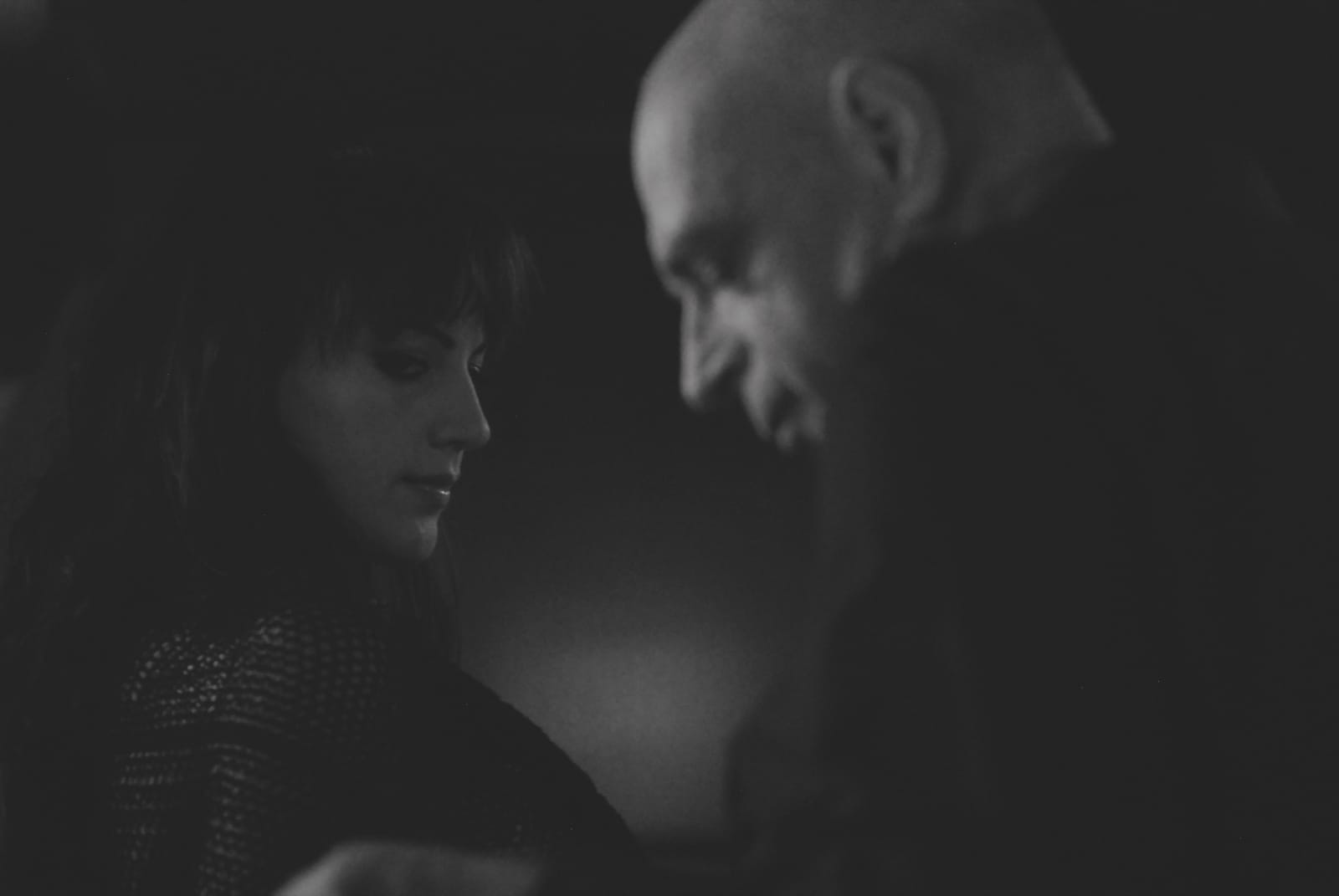
Sexuality not politics tend to dominate Arbid’s films but her latest film, ‘Beirut Hotel’ (2011), was banned for its references to the assassination of Lebanon’s late former Prime Minster, Rafic Hariri not for its sex scenes, which Arbid says she loves to film. “They have a certain grace to them. It’s like being in a museum, surrounded by nude paintings.”
‘Beirut Hotel’ was made for the French television channel, ARTE. When Lebanon’s General Security division asked her to remove sequences where one of the characters is leaking political information, Arbid refused. “They don’t understand the language of cinema. They asked me to cut parts of this film, even though ‘A Lost Man’ was [comparably] more of a moral issue because of its sexual content.”
Consequently, Beirut Hotel was only screened once to avoid censorship, although it was aired on ARTE, which is widely watched in Lebanon. “This was a political issue. I took the story straight from the papers, I didn’t invent anything,” Arbid explains in reference to the film’s theme of espionage. So now, she’s suing the government for imposing too many restrictions on visual media. “Do you know that you cannot shoot a documentary without a script?”
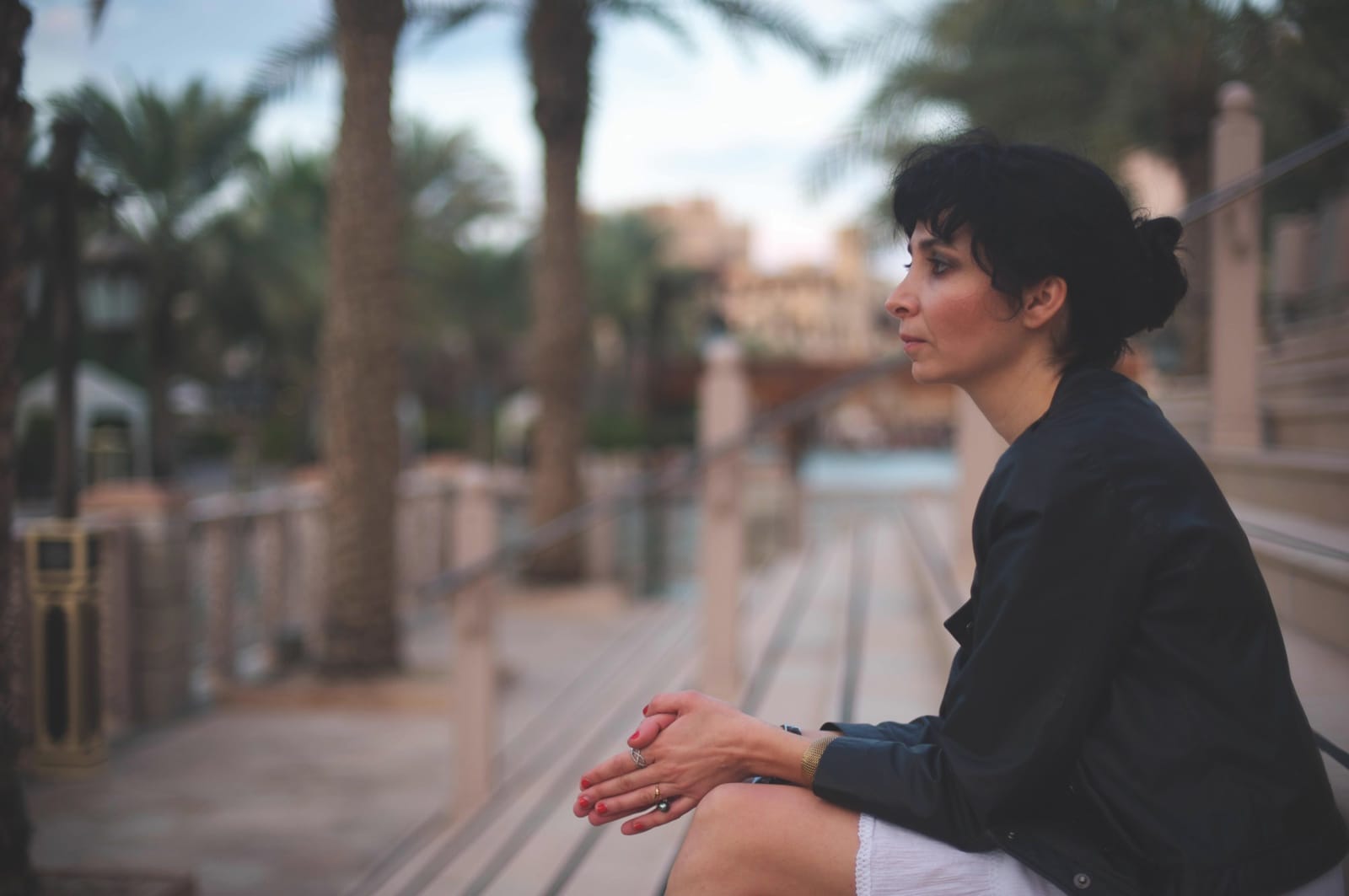
With characteristic outspokenness, Arbid has vowed to keep fighting to get her film screened in her home country but the ban did make her realise one thing. “I think I’m finished with Lebanon,” she admits. “It seems that you have to seduce the public with film and sadly, what the public wants is vulgarity.”
When I wonder why her first feature ‘In the Battlefields’ wasn’t censored, she lets me in on a secret. “They wanted to cut out the part where the underage girl kisses the man. There was a female colonel in charge at General Security. She claimed it was ‘pornographic’. She said this to me on the phone. My French producer laughed when he heard this. Feeling mocked by the ‘more progressive French man,’ this same colonel decided the film would be released as it was, as the French are obviously more developed than us,” Arbid says, her sarcasm evident. “We live in paranoia and censorship is the most flagrant sign of our paranoia.”
“This empty space, this not having a strong state is what scares me when I go to Lebanon, the sense that it is not safe, that anyone can get in and out. You think, the people are so nice but then how could they have waged such a war? It’s a self-destructive place,” she says, disappointment in her voice. “I’m not upset about the [past] brutality as much as I am that the censors were right. They told me that the Lebanese won’t understand your film. And they were right. They know the people better than I do.”