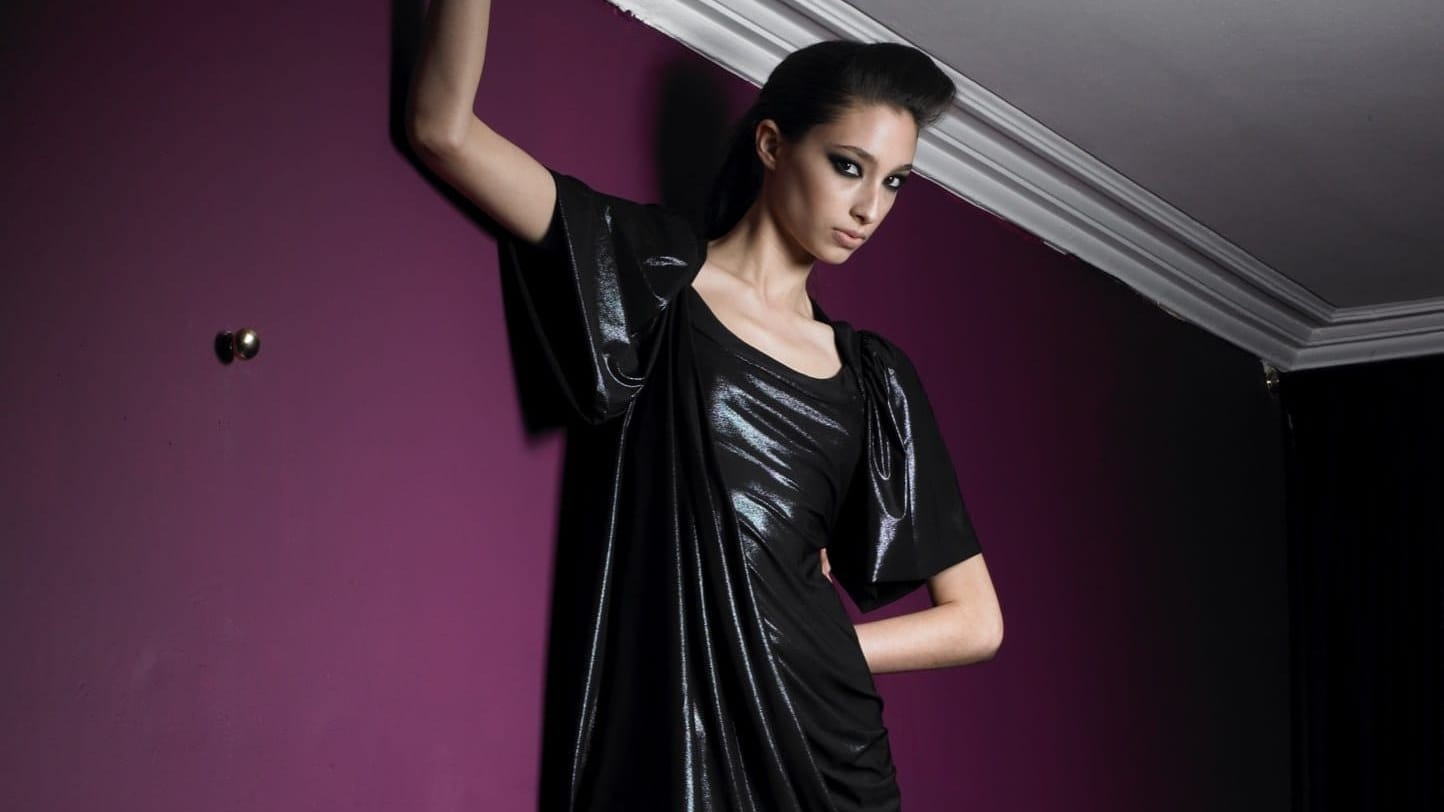
Born in London, the 30-year-old Omani fashion designer behind BODYAMR, a range of ready-to-wear clothes sold at high-end retailers like Harvey Nichols, Harrods, and Boutique 1, drank in the cultural wave that swept through the UK during his youth.
“Growing up in London in the 1980s was a fantastic time for a young child with experimental music, art, fashion, the birth of MTV and music videos,” he remembers. Always the creative type, Ali went on to study design, graduating from Chelsea College in 2001 with a BA in interior architecture. His first foray into fashion was a line of customised vintage T-shirts that he created with his friend and mentor, the interior designer Nicky Haslam. They started working together during Ali’s last year at university and their first moment of recognition came when Ali wore a crystal-studded Yankees t-shirt to the Elle Style Awards in 2000 whereupon John Galliano gave it an approving nod. The rapper Eminem eventually bought it from him, and later commissioned further pieces.
In 2004, he launched the first BODYAMR capsule collection at Colette, following it up a month later with a Spring/Summer show during London Fashion Week. That was where the international press first got their first glimpse of his sculptural, draped gowns.
He credits his unconventional academic background with giving him the freedom to think spatially, rather than in the one-dimensional terms of a traditional fashion education, with its emphasis on sketching and pattern-cutting.
“As an architect, you are trained to think in three dimensions. As a fashion designer, I take the same process, and build on the stand, rather than on the flat of a pattern table,” he says.
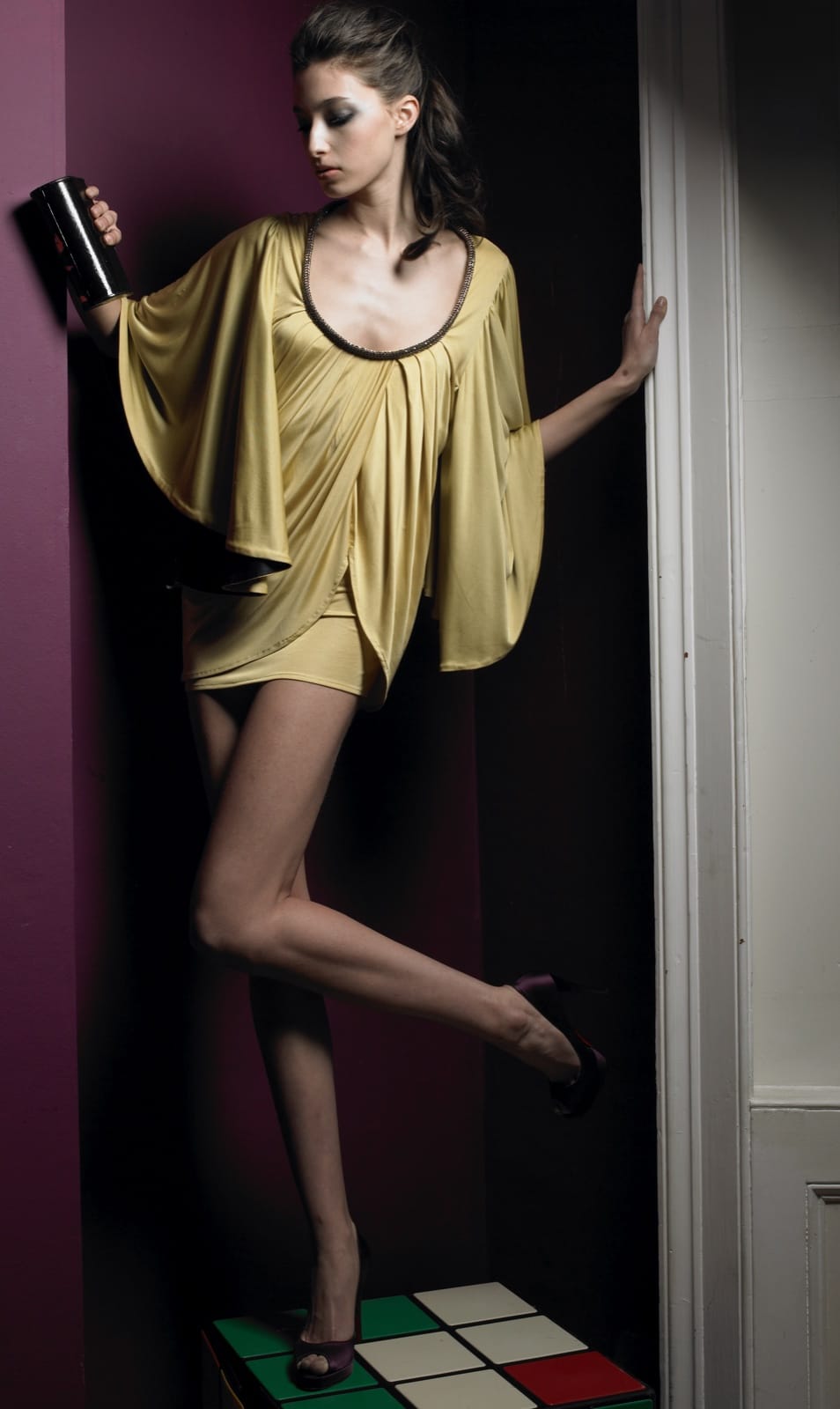
BODY AMR’s lush, asymmetric dresses recall Grecian togas, but Ali cites another, unlikely, influence from Spain. “I very much enjoyed suspension in my studies, and found the methods of Gaudi fascinating. He would use cloth to make models of roofs on buildings, and then suspend weights from certain points. When he turned the models upside down, in essence, it showed the mathematical curvature of the towers, steeples, or pinnacles. Draping does a similar thing, and altering volume or tension points can completely transform how a drape will lie,“ he says.
“I have never studied fashion so in a way, photography and vintage [clothing] have been my education,” he says. He is referring to his favourite photographers Guy Bourdin and Helmut Newton, known for their hard-edged, erotic fashion photography, and to his collection of vintage dresses by 1970s and 1980s designers Halston, Thierry Mugler and Azzedine Alaia. Between his mother’s old dresses and his own collection, he estimates he has over a thousand pieces.
“There’s a whole room full of vintage [clothing] at the house,” he says. “Their craftsmanship and attention to detail is impeccable and stunning designs are timeless, truly glamorous and instinctively creative,” he gushes.
His other inspirations range from “the glamorous era of 1970s - Studio 54 and style icons such as Jerry Hall, Grace Jones and Bianca Jagger,” to the Orientalist movement of painters such as Jean-Auguste-Dominique Ingres, who depicted supine harem-dwellers in lush, fantastical environments.
“The opulent scenes and reclining Odalisques are as close to the BODYAMR woman as any current icon. However, it is not just the immediate impression or palette that inspires the brand; the concept of viewing the ‘Exotic Orient’ through an international lens puts a new spin on traditional aesthetics in the Middle East.”
Binding all of these eclectic elements together is what he calls his “hugely rich Omani heritage,” which he cultivated during a three-year spell in Muscat, where he studied Arabic and got to know his family members there. Now, he says, he tries to go back as frequently as he can, to see his loved ones and also to cultivate new sources of inspiration.
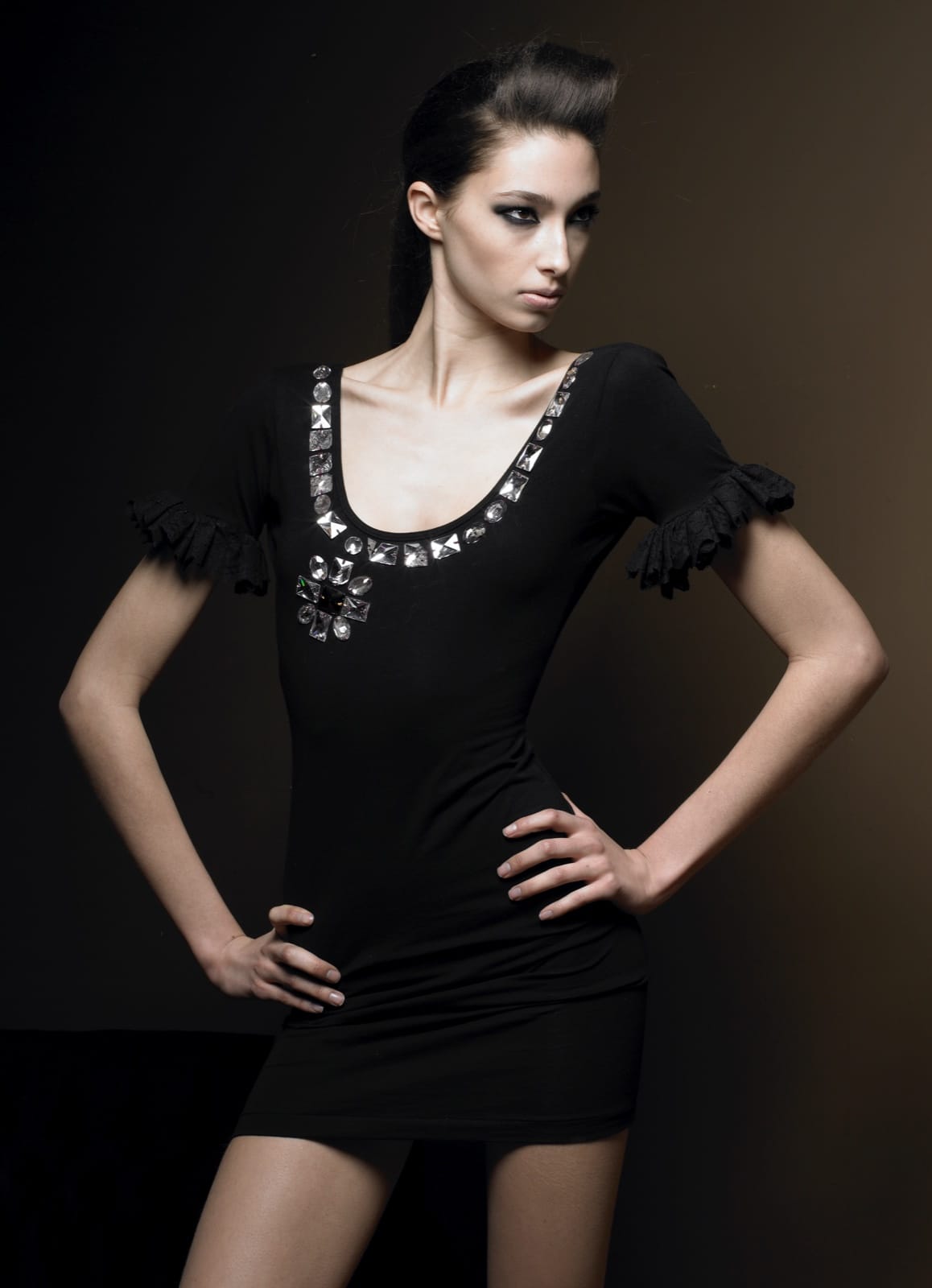
“It is a huge part of who I am and is in everything I do,” he says. “I use my personal interpretation to transpose these reference points in a modern and international context. The final result can be anything from Swarovski studded crystal headbands, cuffs and belts inspired by old Omani jewellery, or belt clasps inspired by the ceremonial dagger and head dresses loosely based idea of a traditional mussar (turban).”
In launching BODYAMR, he was not only giving expression to his lifelong love of fashion, but also sending a broader, mildly political message to counter the many negative stereotypes of the Middle East that filter through the news media. “Through fashion and imagery, I wanted to address a positive sense of uncompromising style from the Middle East to allow people to have a modern view of our culture,” he says.
But even as he modernises and updates traditional aesthetics, he is intent on using his line as a resource to preserve artisanal techniques from the past. Earlier this year, he travelled to Damascus to track down a group of weavers for his upcoming Spring/Summer 2010 collection. “They are the only people left who carry on the tradition of spinning pure gold thread, and creating the most exquisite fabrics, over laid with vibrant peacocks and crimson patterns. Such skills must be preserved, and these techniques can give a brand a truly unique edge, whilst helping to support these artisans.”
Currently, he counts fashion icons such as Claudia Schiffer, Prince and Madonna among his clients. While there is no boutique in Oman carrying his clothes – indeed, he says there are no real fashion boutiques in Oman, full stop – he has many friends there who are enthusiastic about the line.
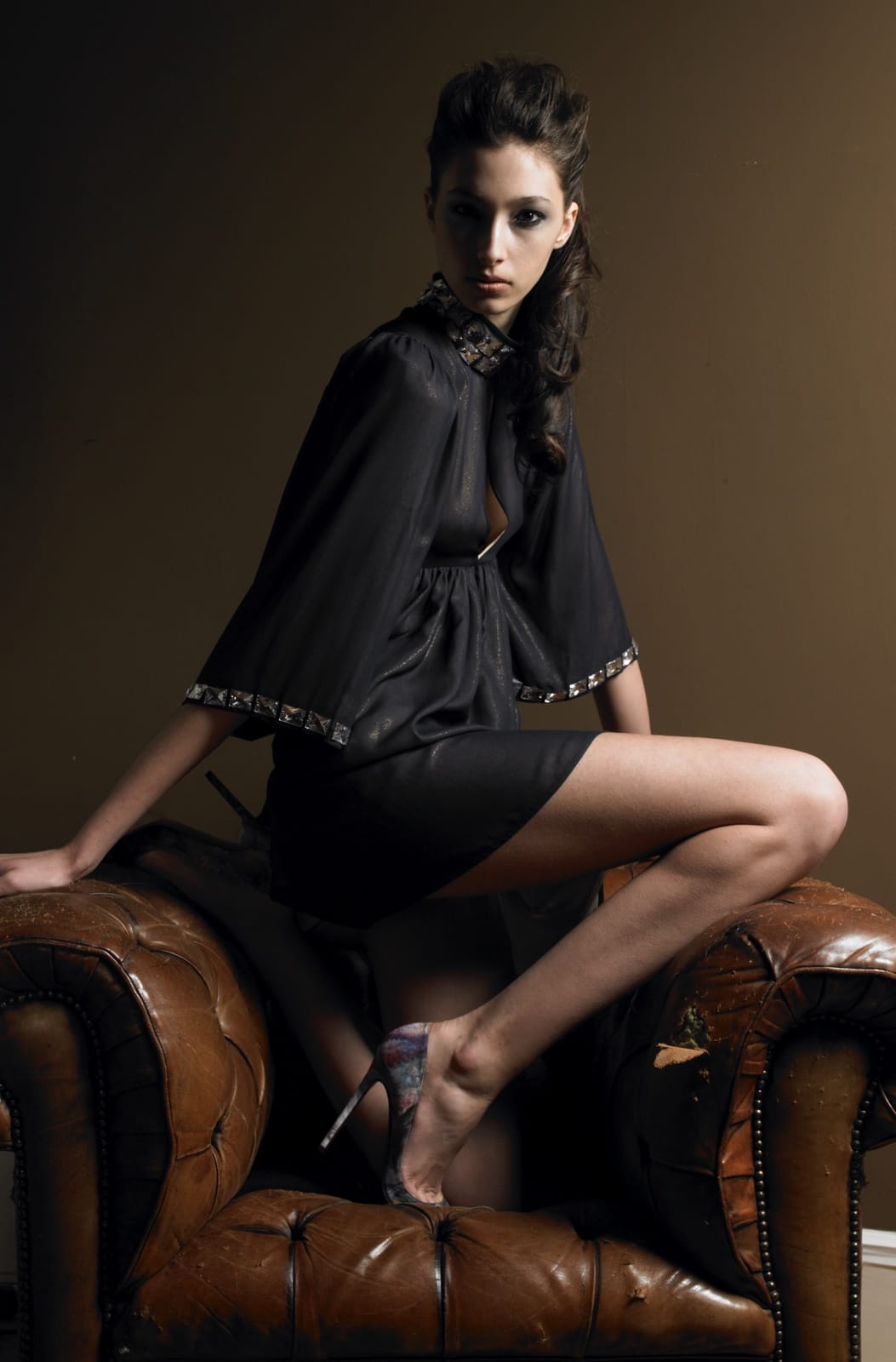
“Oman is not a closed country,” he explains. “The people there are exposed to modern culture, they travel. A lot of people in the Arab world have responded to my clothes in a very enthusiastic way, including royalty from all of the Gulf countries.” The final destination, then, of that crystal-paved road? “World domination,” he says, “And oh, obviously have fun in the process!”
Visit BODYAMR.com for more information.
Available at Al Othman, Kuwait, Closet, Qatar, D'na and Harvey Nichols, Riyadh, Mahat, Jeddah, Helene, Cairo, Instinct and J Boutique, Bahrain and Prime Labels, Doha.