What is it that you find fulfilling about being a combat photographer? What are you trying to show?
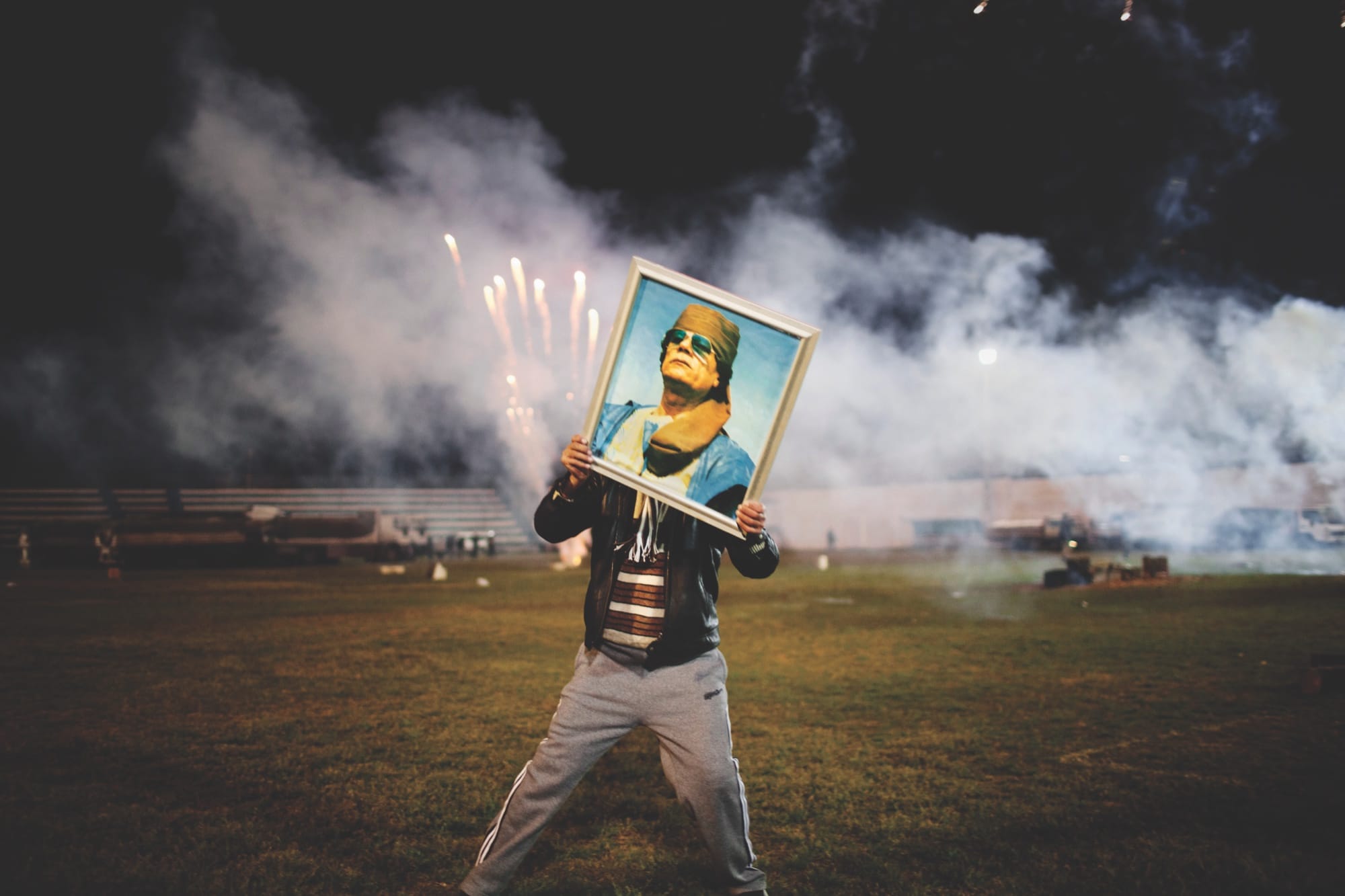
I don’t identify with the term “combat photographer” in the sense that I am not interested in photographing combat, fighting, the act of killing but rather I aim to show the effects that war has on people. My aim is to witness and through my work, add to the discussion about the harsh realities of war.
What was the first conflict you covered? What effect did that have on you?
It was the end of the conflict in Kosovo, in 1999. Besides realising how clueless I was, this trip sparked a curiosity to explore photography as a means of expression.
Photographers, along with journalists, have increasingly lost their immunity and are being targeted in the conflicts they cover. Has this happened to you? How have you dealt with this?
I don’t think there was ever a time in war when journalists were completely immune. We all face danger in the same way as soldiers or civilians living in areas of conflict, there is no difference. I deal with it by being extremely careful, more and more as I grow older.
When and where have you been in the most personal danger?
It’s tough to say. After doing this kind of work for 15 years there have been a number of close calls, not sure one is more significant than the others.
How else have you seen your profession change in the years you’ve been shooting?
Budgets to support the work we do are more scarce and social media has revolutionised the way we distribute photos.
You’ve covered a wide range of conflict – civil war, invasion, occupation, mass protest – is there anything that unites all these experiences for you?
They are the stories that are shaping my generation and my job is to bear witness.
What do you see when you look through your lens? A story? People? A message?
My aim is to be honest with my work, regardless of what I’m photographing.
Are you able to distance yourself from your subjects? Is that even necessary?
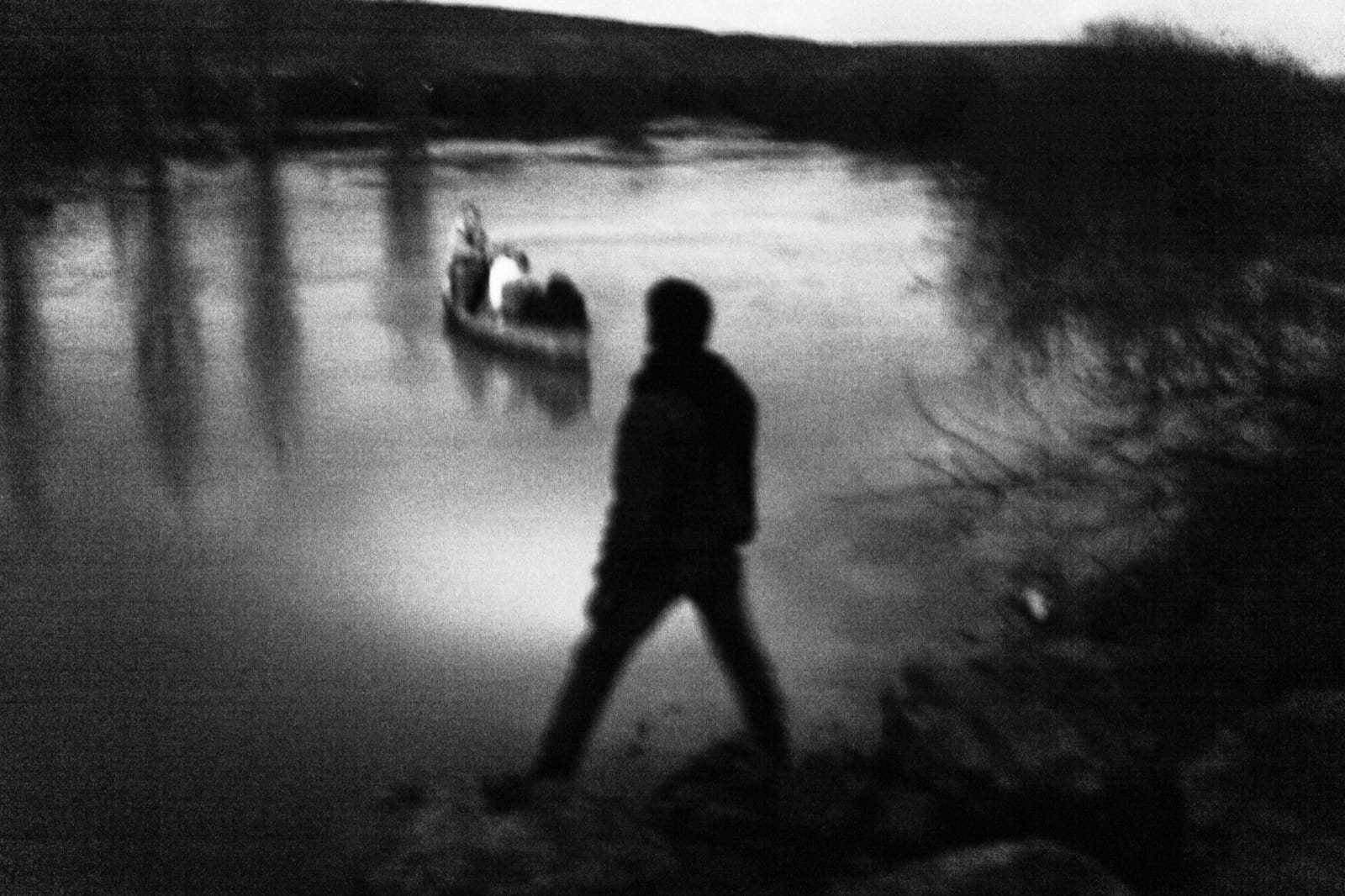
Distance and objectivity are vague terms, it is impossible to be distant when you aim for intimacy.
Why such a concentration on the Middle East? Do you have any roots here yourself and/or is there something about the region that appeals to you, in particular?
I was drawn to the region for several reasons, mainly its amazing and troubled history. I am also of Palestinian descent from the South American side of the family.
What have been the most outstanding moments for you, visually, in everything you have been covering in the last few years of the Arab Spring/civil wars?
The electrifying sense of hope and freedom felt at the onset of the Arab Spring.
What has been the most surreal moment for you professionally recently? Which has give you most hope?
Unfortunately the most surreal moments have to do with the tragic loss of friends and colleagues.
Isn’t photographing so much chaos, death and destruction draining? How do you keep going?
It is not easy to keep going, there is no formula that drives my motivation, it is a continuous struggle with myself.
What would you be doing if you weren’t doing this?
I’m not sure but I know I could not be working in an office.
If you were approached by a young photographer thinking of getting into conflict coverage, what advice would you give them?
Be aware of what you wish for, it is a difficult lifestyle that requires a lot of personal sacrifice.