When lunatic Mark David Chapman gunned down John Lennon in New York on December 8th 1980, the four bullets he fired into his back did more than end Lennon’s life; they also ended the prospects of the two most influential songwriters of all time ever working together again. For the Lennon/McCartney partnership has largely shaped the way we listen to pop music and, for thirty years, millions have wondered ‘what if?’ For Chapman, it’s a certainty that ‘what if he was released?’ would be answered with instant karma at the hands of countless Lennon devotees.
Sometimes, when two human beings get together, there is a chemistry that just works and so it was when John Lennon sat down with Paul McCartney. Although their compositions were credited as ‘Lennon/McCartney’, they often wrote the songs separately with Lennon coming up with lyrics while McCartney took care of the tune and vice versa. Inspired by Buddy Holly and Elvis Presley, their bubblegum pop soon gave way to complex, experimental, boundary-busting hits that introduced the world to the weird and wonderful sounds of sitar, classical orchestra and strange, multispeed dubbing. There isn’t room in this magazine to go through each hit or famous track but it’s safe to say everyone has a favourite Beatles song, from the twanging guitar of Day Tripper to the Deep A Day in the Life or the rousing, epic Hey Jude – the legacy of The Beatles will outlive all of us thanks to the genius that was Lennon and McCartney.
But as the music became more mature, it could be said that the relationship between the two songwriters was less so. Egos ran wild, tensions ran high and The Beatles imploded. The two went on to further success, with Lennon upping sticks for New York and McCartney forming Wings before ditching that to be a solo artist. The magic was never really there, though and it has become obvious that the two were at their best when writing together. If you remain unconvinced, just consider that Lennon could never have put his name to McCartney’s execrable singles Say, Say, Say, or We All Stand Together. Chapman has a lot to answer for.
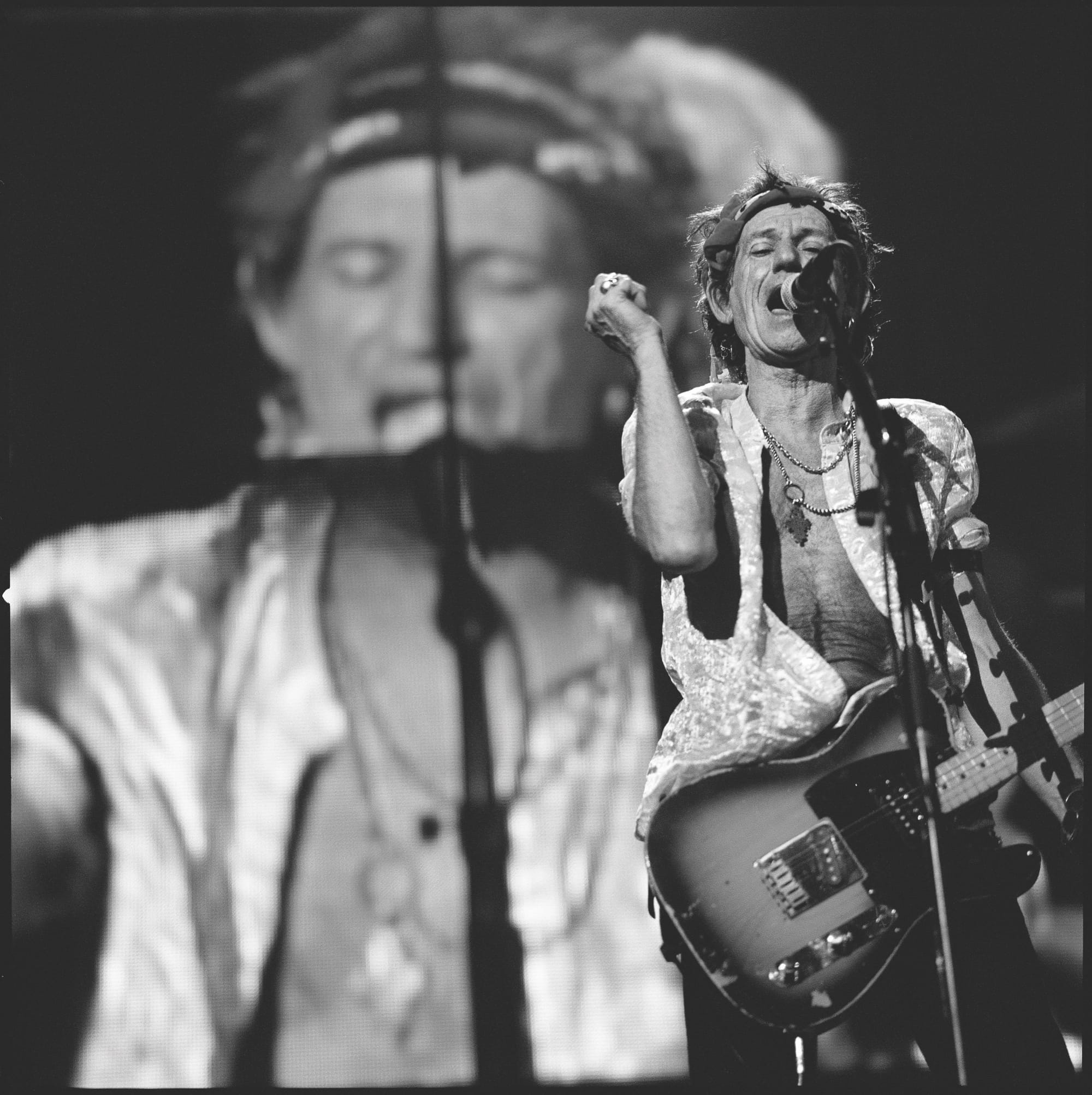
In the 1960s it would seem you liked either The Beatles or The Stones. Not both. Mick Jagger and Co. didn’t exactly wage an all-out war with the Liverpool quartet, but a battle for chart domination certainly took place and the music world was as exciting as it had ever been. Like The Beatles, in the early days the Rolling Stones combined cover versions with their own compositions on early albums and Stones’ song writing duties were down to the band’s two founders: Jagger and lead guitarist Keith Richards – a man whose body has been put through so much abuse that the medical world is just waiting for him to drop dead so they can cut him open to see what he’s had in there keeping that ticker going.
Their influences differed from those of The Beatles and included the blues, Chuck Berry and Bo Diddley. Harder edged than the Fab Four, the Stones were the original bad boys of rock and, with a collection of all-time classics like (I Can’t Get No) Satisfaction, Sympathy for the Devil, Jumpin’ Jack Flash and Gimme Shelter, the Rolling Stones continue to rake in millions every year and the band is rumoured to be recording new material and heading out on a world tour in 2011. Whatever it is they’re taking, we’ll have some please.
Between them, The Beatles and The Stones have sold over three billion records worldwide, most of which have been written by two pairs of supremely talented individuals – proof that when it comes to making legendary, era-defining music, as Marvin Gaye sang with Kim Weston in 1965, it takes two.