Who Roads and Transport Authority, Dubai (RTA)
What The Dubai Metro
When Officially opened in August 2009
Why A major step forward in terms of public transport, the Metro addressed congestion, environmental issues and will prove to be an economic boon.
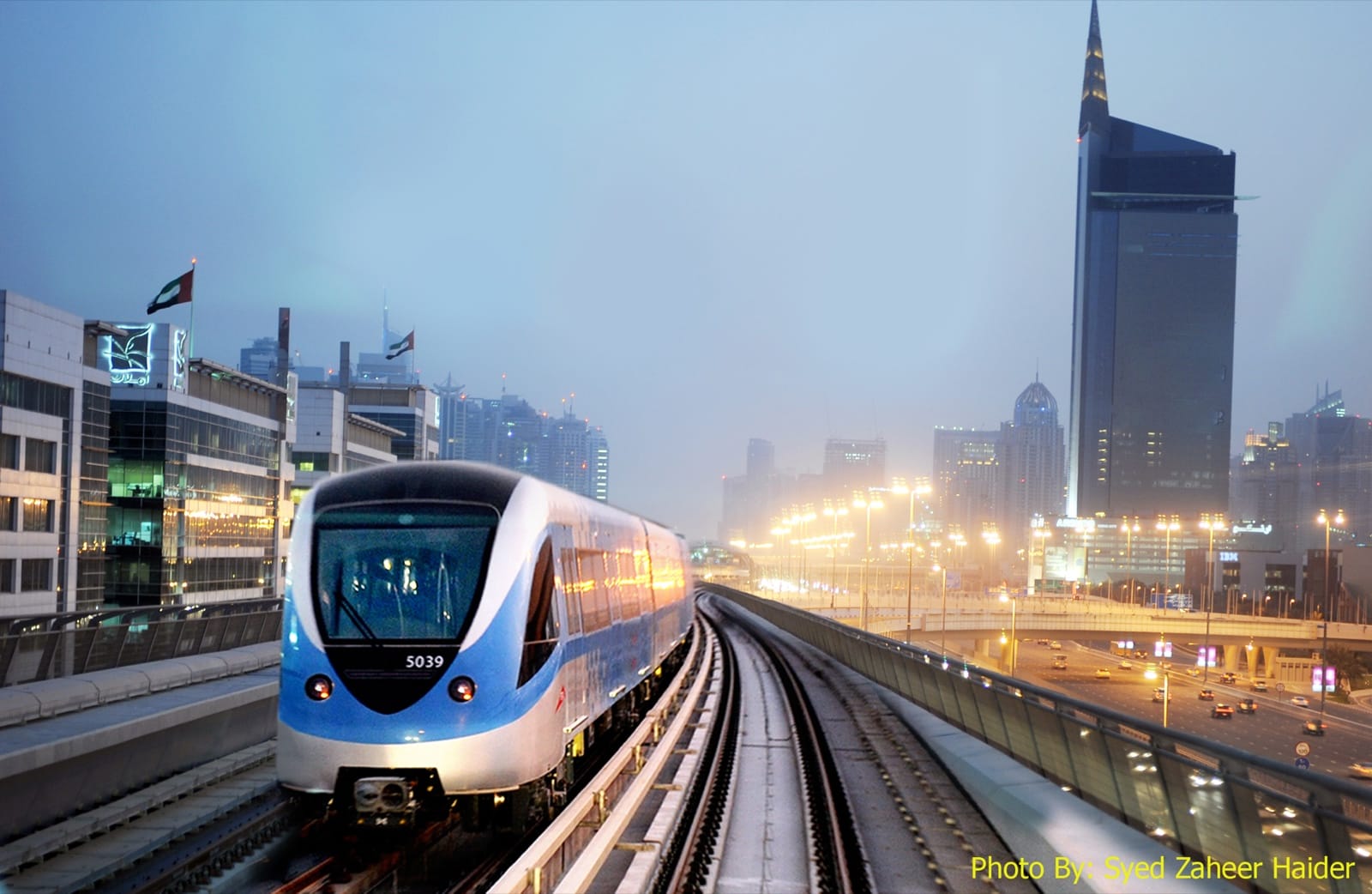
With a much lamented carbon footprint, an ever-rising population and a growing clamour for better public transport, Dubai’s government played a winning hand with an announcement in 2004 that its Roads and Transport Authority would build an urban rail network through the city. After just four years of meticulous planning and relentless construction, sleek blue trains can now be seen skimming across the city’s glittering skyline. For many who have seen Dubai transform rapidly in just ten years, the sight of a train passing by still boggles the mind.
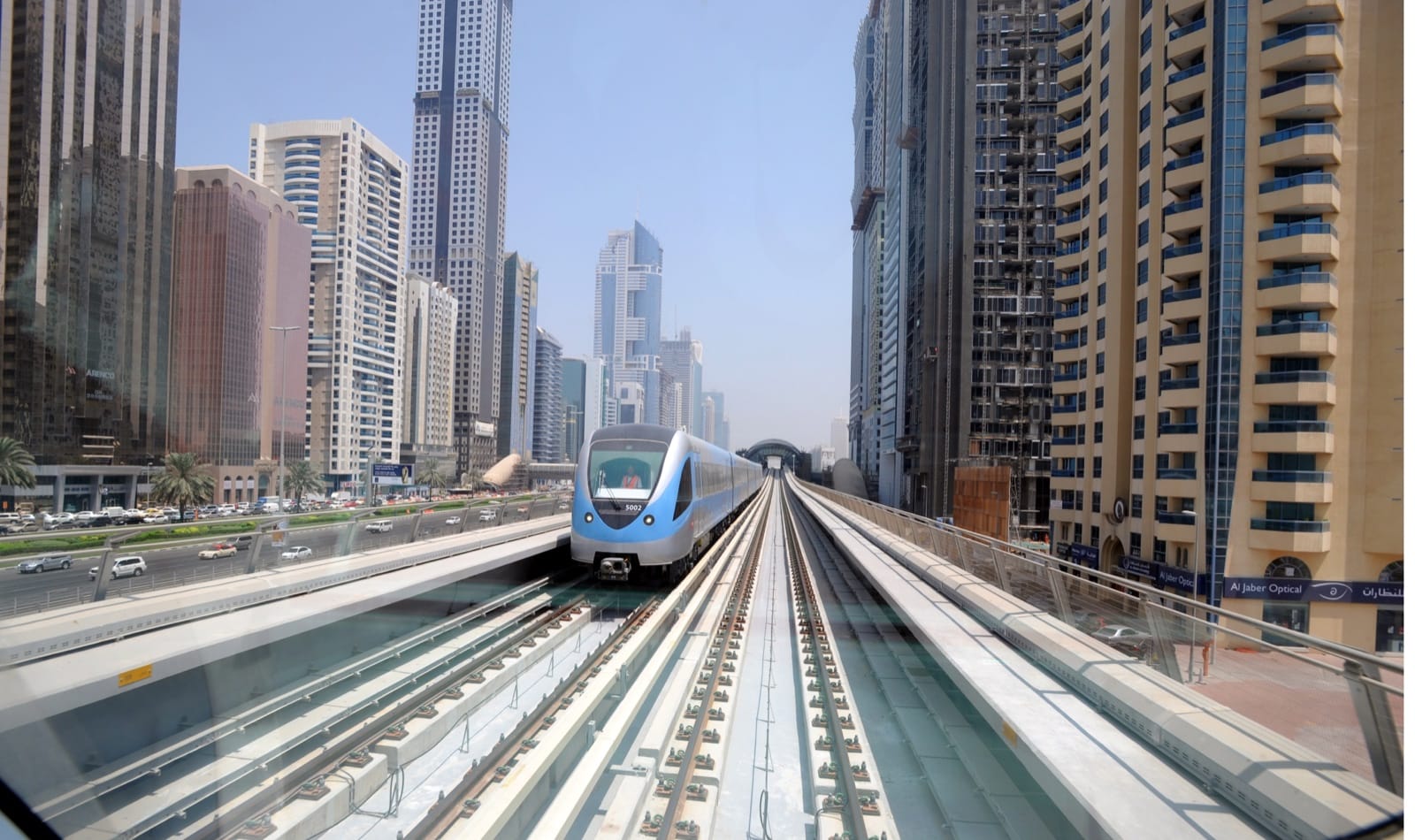
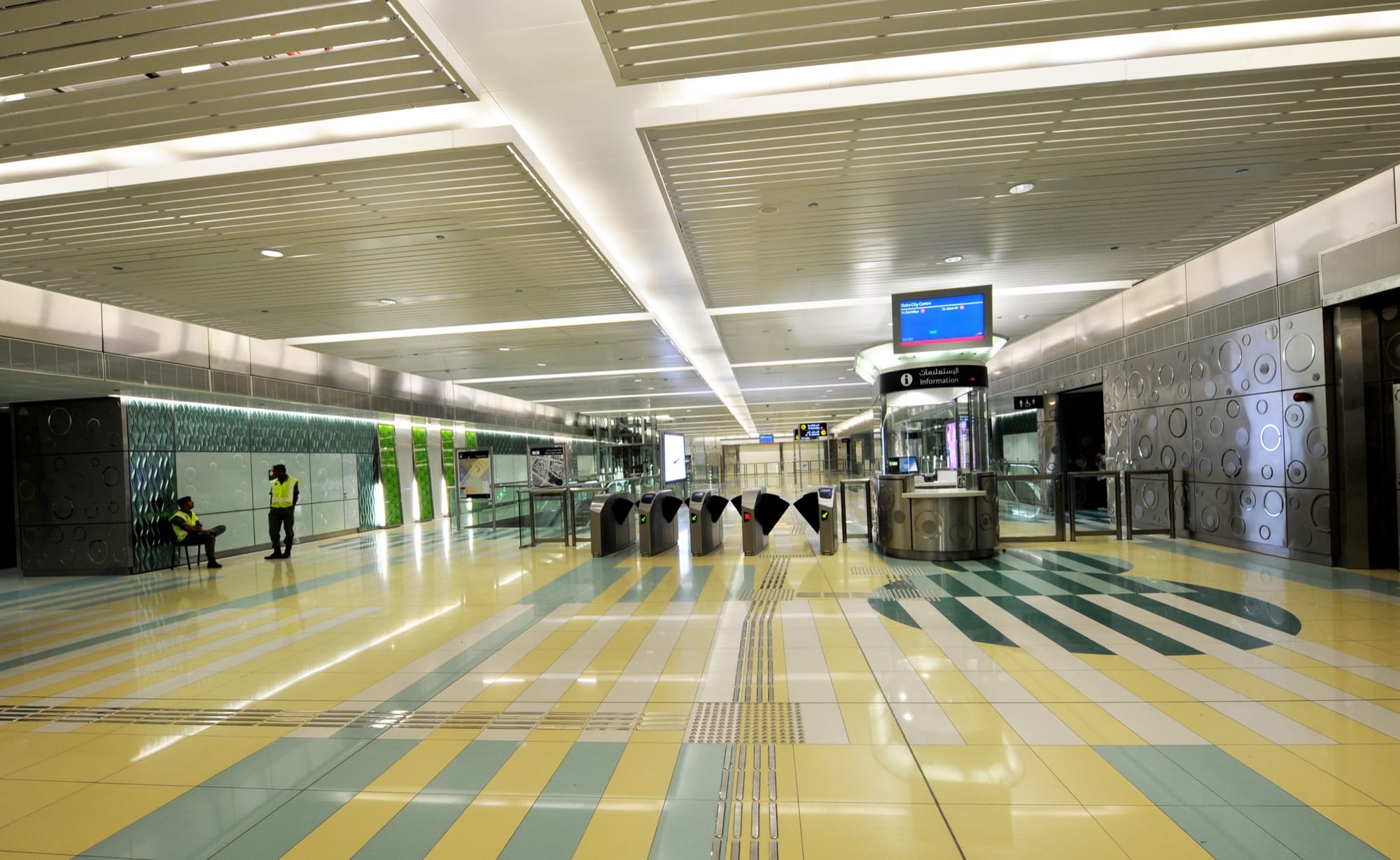
Launched as planned on 09/09/09, Dubai’s 53km-long metro is scheduled to become the longest driverless intercity rail network in the world. Its honey-coloured, beehive-like stations hug shopping malls and accentuate busy locales with a 21st century flair. Trains arrive every minute-and-a-half and a network of 700 buses picks up and delivers each station’s passengers throughout the day. Taxi stands and park-and-ride amenities are also available with special ambulance and security staff on standby just in case. Despite a debilitating recession, the completion of one of Dubai’s most expensive and ambitious infrastructure projects has been outstanding. Within the first three weeks of its operation, the Metro’s trains have been boarded by over a million commuters. A maximum capacity of 27,000 people per hour is possible. Nowadays, by there is only standing room left for Dubai’s iPod and newspaper-wielding workforce. Air conditioning, Wi-Fi connectivity and mobile phone access come as standard. With tickets priced between 0.50USD and 2.00 USD, most of Dubai’s commuters can now get to work cheaply and in a quarter of the time it usually takes, without battling angry motorists.
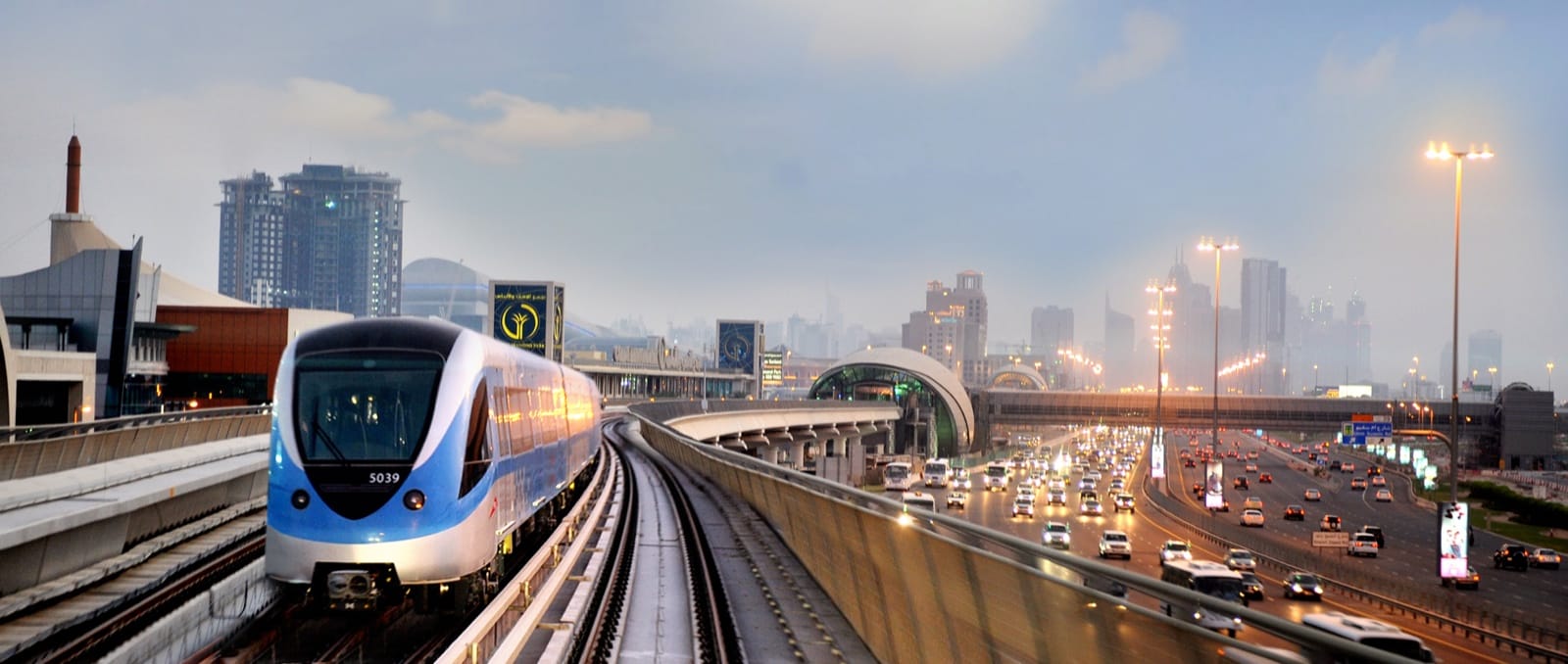
Dubai’s Metro is in fact the first urban rail system in the Gulf Cooperative Council states. At a cost of 7.6 billion USD, that’s a large step in the right direction for an economy that does not draw the majority of its revenues from oil. With a consortium including Japanese heavyweights, Mitsubishi and Obayashi in charge of the project and Britain’s Office of Rail Regulation behind safety approval, Dubai’s Metro is being delivered by some of the best in the field. Even the ticketing system is state-of-the-art with rechargeable and contactless smart cards in operation. Plans for a comprehensive tram network and several more lines are on the cards. When the city begins to emerge from the recession, the Metro will undoubtedly be one of the lifelines that helps nurse the economy back to health. The Dubai Metro story started as a seed in the imagination of the Emiratis, and like most of their ambitions, this one too is bearing spectacular fruit.