Lebanese-American, Tony Fadell, 40, is not to be envied. He changed the world – but no one is allowed to know. It was Spring 2001, when Fadell, an engineer by occupation, was skiing on the slopes in Vail Colorado and his mobile rang, “Hello, Tony” said a voice, “we have a job for you.”
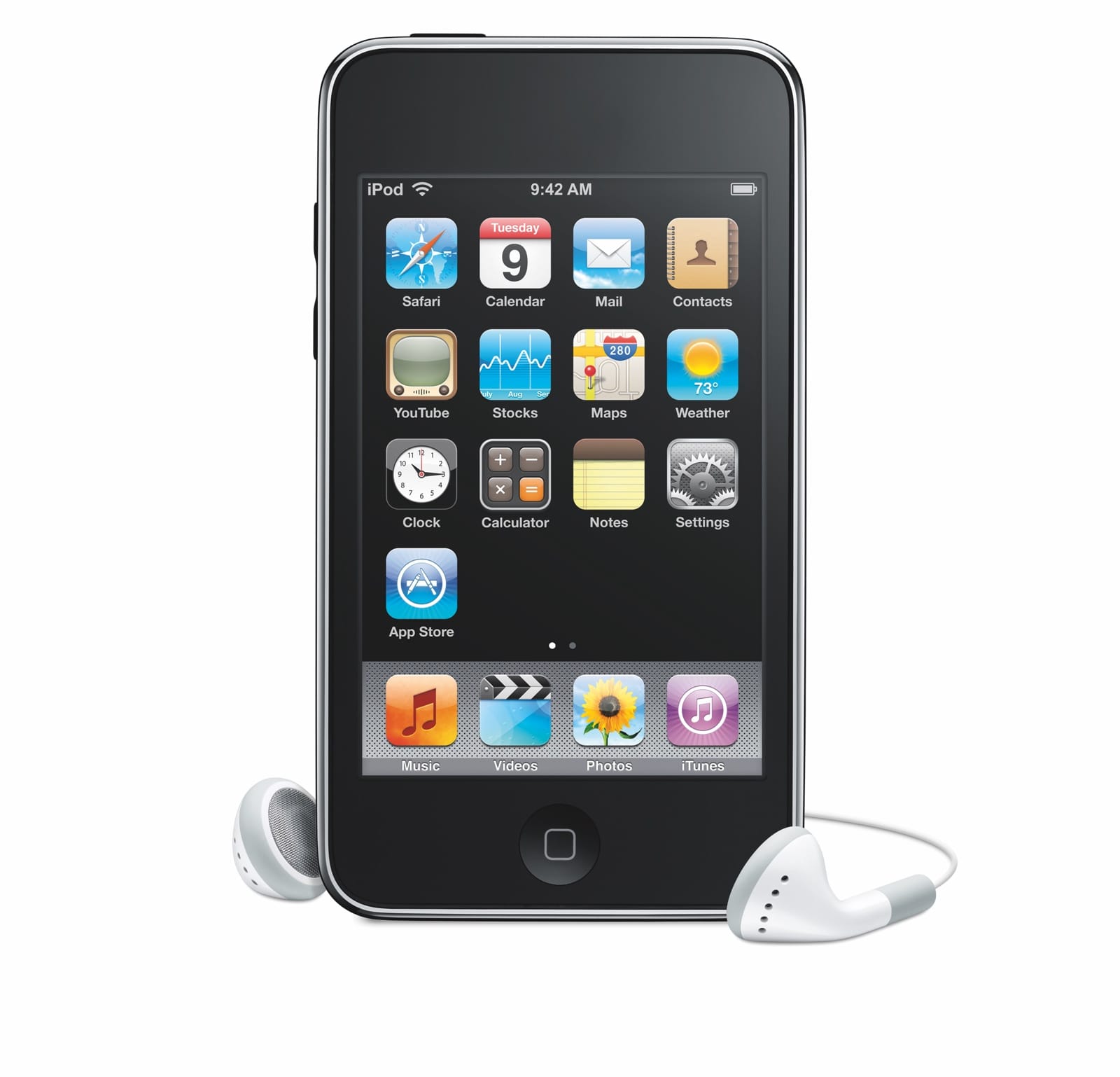
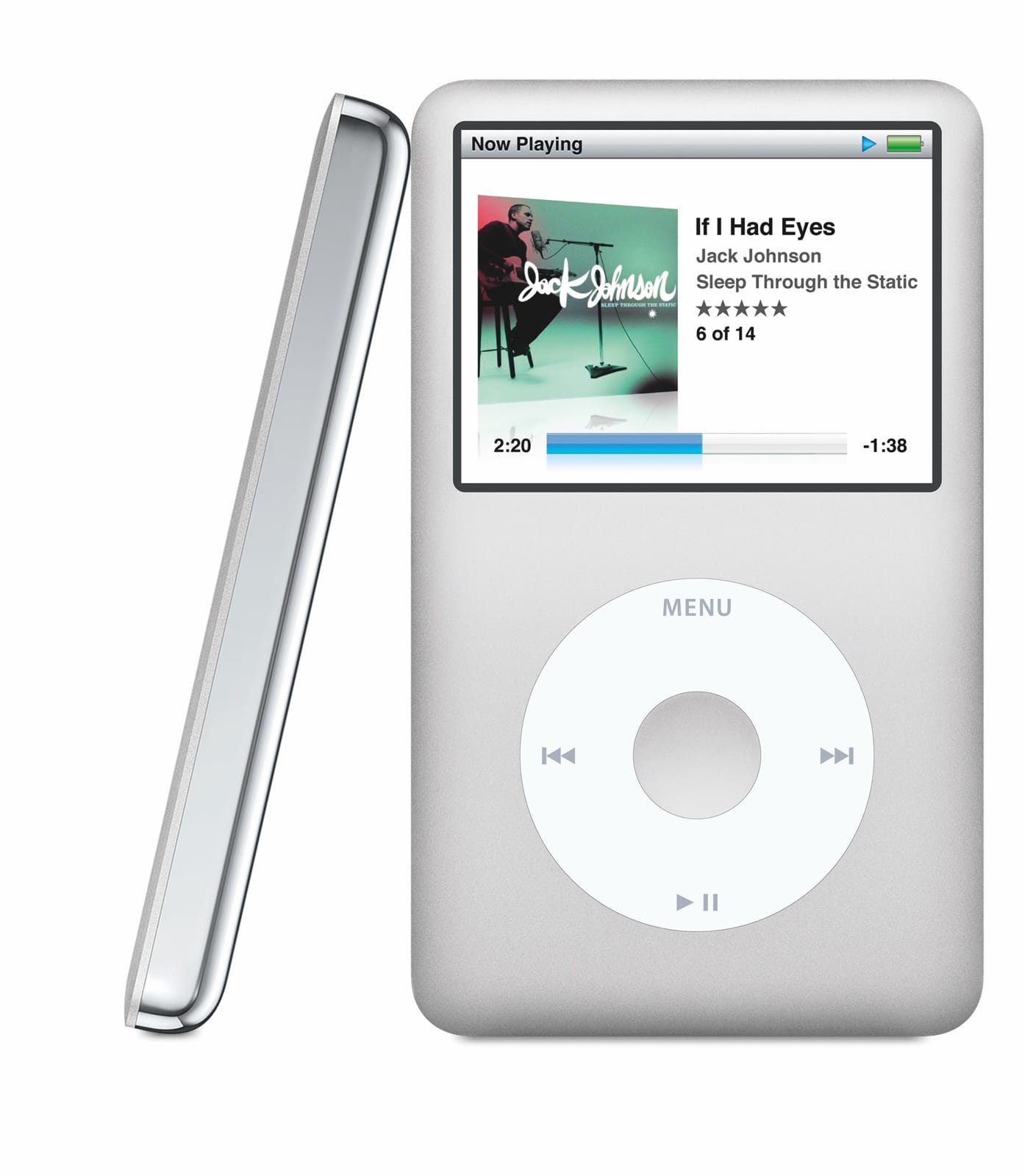
It was the voice of the hardware director for Apple. Just six months later, in time for Christmas, the US computer manufacturer presented the iPod, a beautifully designed, compact MP3-Music Player. At that time, a thousand songs could be stored on this hard disc. The public was presented with this gadget as a small world wonder, and naturally Steve Jobs was the front man. Apple’s charismatic and somewhat vain ceo and co-founder demanded that Fadell be kept out of the picture - even though he had developed the device from the very beginning, as head of a team of 35 designers and engineers. Ironically Apple designer Jonathan Ive has received more publicity than Fadell for the iPod look and style.
Fadell had accomplished a job in the entertainment electronics sector that only very few engineers previously had done: he designed a top-selling product that not only revived a company and an entire industry (the music industry) but also launched a lifestyle. Incredibly Apple has sold almost 200 million iPods worldwide, making it the best-selling digital audio player series in history, and sociologists and psychologists are analysing the social impact of the musical mites. Social scientists have even defined a new species, the so-called iPodder, which is basically a contemporary human with a slightly disconnected countenance who wanders through the world and life in a music bubble.
Much has been said about this high-tech tool. Only one person hadn’t spoken till now, Fadell. He’s never spoken to the press, and there have only been Internet rumours circulating about him.
For weeks he ignored our interview request, but then suddenly he agreed to a telephone conversation. Fadell, however, wants to be telephoned at home, not in his office in Cupertino, California, Apple’s Headquarters. No one should know that he’s speaking to the press. “Hello, Tony here”, he says in a friendly voice. It is early in the morning and Fadell is still in his house in Portola Valley, a cute little town not far from Palo Alto; houses cost here at least a million dollars.
“I’ll let you know the rules for this interview now”, Fadell begins. “It’s about me, me as a person. Not about the history of the iPod. Understand?” And, “You need to know: certain questions I won’t answer.
Can you tell us how you began at Apple? “No, that’s not possible. I can only say what is written on my website: I work in the iPod department at Apple with the title of Vice-President.”
Mr Fadell, the US magazine Newsweek described a few months ago an episode where you received a call from Apple while you were on a ski vacation. Is this the truth? “I can’t speak about this.”
Can you at least tell us why you can’t speak about this? “Only selected speakers discuss our products. That’s a rule at Apple. The products are in the foreground, not the people.” But if rumour is true, Fadell is not only the lead creator of the iPod but also the one that came up with the idea for it - all on his own. He then approached Apple with this idea.
Let us understand the context. At Apple primarily one person speaks: ceo Steve Jobs, 54, the Messiah of the corporation. Many think he’s brilliant – but certainly he is extraordinarily egocentric. Jobs is afraid that the competition could steal his best engineers. That’s why no one can know about Fadell. His fears are not unfounded. In 1984, when Jobs revolutionised the Personal Computer with the first Macintosh, Rolling Stone magazine interviewed the Mac-Maker. Shortly thereafter his engineers switched to the competition – they paid higher salaries. This exodus is one of the reasons that Jobs’ plan to control the PC market with Macs didn’t work out. Instead the market shares for his computer dropped three per cent worldwide. The same shouldn’t happen with iPod, especially since the latest figures show Apple holds more than 70 per cent of the market for digital music players.
That’s why Fadell is actually not allowed to tell his story or speak about his career, which is really a classic American success story. Born in Detroit, Michigan to Lebanese parents, he moved with his family throughout the country, attended eleven schools and as an eight-year old got his first job selling eggs. Fadell came to Silicon Valley when he was twenty, where he founded six companies; three he sold with a sizeable profit and three he closed down. Between businesses number four and five he was enlisted by the Dutch electronics giant Philips, because no one could build ingenious portable gadgets like Fadell. He calls himself a “studied engineer” and “self-proclaimed designer”. His passion is designing portable devices. “Limited space forces more creative solutions for complex problems.”
What kinds of problems did he have to solve at iPod? Fadell answers generally, but he answers. “You have to imagine the entire product in advance before you build it.” By reasonably priced consumer goods like the iPod, the hardware-design, software-design and the mechanical design must all collude, so that “the system doesn’t cost much, uses little energy and can fit in a hand.”
One thing is for certain: “You have to make compromises. To figure out the right ones is a real art.” His background helped him to weigh against each other the power in the small processor, the range of software, as well as the life span of the battery. Before he built “computer chips, developed programs and designed complete products.” He’s talking like the father of the iPod. So, is he? Is he? “I can’t answer this question, sorry.”
For Philips he designed two pocket computers, the Nino and the Velo. For Sony he created the MagicLink, a type of electronic all-purpose device that stored addresses, appointments, sent faxes, and displayed news and stock market figures. The device won design and technology prizes and flopped – “because the company didn’t market it properly.” A portable gadget only has a chance to sell when its meaning and purpose are illuminated in catchy advertising messages. “Apple succeeds at this, Philips doesn’t.” At Philips only the numbers count. Apple though, “wants to manufacture the best products, the business comes second.”
Fadell calls the iPod “the product that is dearest to him.” The iPod accomplishes a single simple task perfectly. That’s why it’s so successful - it plays audio files whether they are music or audio books. He thinks it is “stupendous” when he sees a person on the street sporting the signature iPod earbuds. Every day he reads e-mails from happy iPod owners: some even describe how the device helped them get a date. And if the competition copies the design, “I feel satisfaction.” Oh, so he feels the happiness of the creator? “Sorry, no comment.” So, he detects the happiness of the creator after all? “Sorry, no comment.”
Fadell never invents something from nothing. His products are the further development of existing concepts. “I’m not a scientist that’s constantly walking into new territory without a designer and engineer that can implement it.” His ingenuity is inherited from his Lebanese grandfather, an “engineer from the old school”, says Fadell, “one that builds everything himself.” His grandfather taught him to imagine technical problems visually before he tackled them.
When Tony was ten years old, Apple, at that time a still new computer firm, had just launched the Apple II, a particularly well-thought-out personal computer. Tony wanted it, but had no money. His grandfather made him a deal: “You work during your summer vacation and I’ll make up the difference you’re still missing.” The boy hauled golf clubs around the green as a caddy and in the fall he purchased his first computer.
Five years later his grandfather’s investment had paid off. Fadell, the teenager, had developed an ultra-fast processor for the Apple II. Apple bought the patent.
Tony Fadell closes our telephone conversation with a request: “Please do not write anything about the history of the iPod.“ Of course - he hardly said anything about it. “I don’t want to lose my job.” Then Fadell says he’s flying with his wife over the weekend from California to New York for the wedding of an iPod-developer. “There will be a lot of iPodder’s there.” Will you let us photograph you in New York? “Under one condition, it has to be a paparazzi photo, not a posed portrait.”
Finally, a meeting two days later. Fadell shows up in Manhattan wearing jeans and a designer shirt; whose bright white reminds one of the iPod. A silver pair of sunglasses hide his eyes, his hair is blond and scanty, his bare feet in leather sandals. On his full, rounded face is a permanent yet sincere smile. Fadell dresses himself casually and expensively.
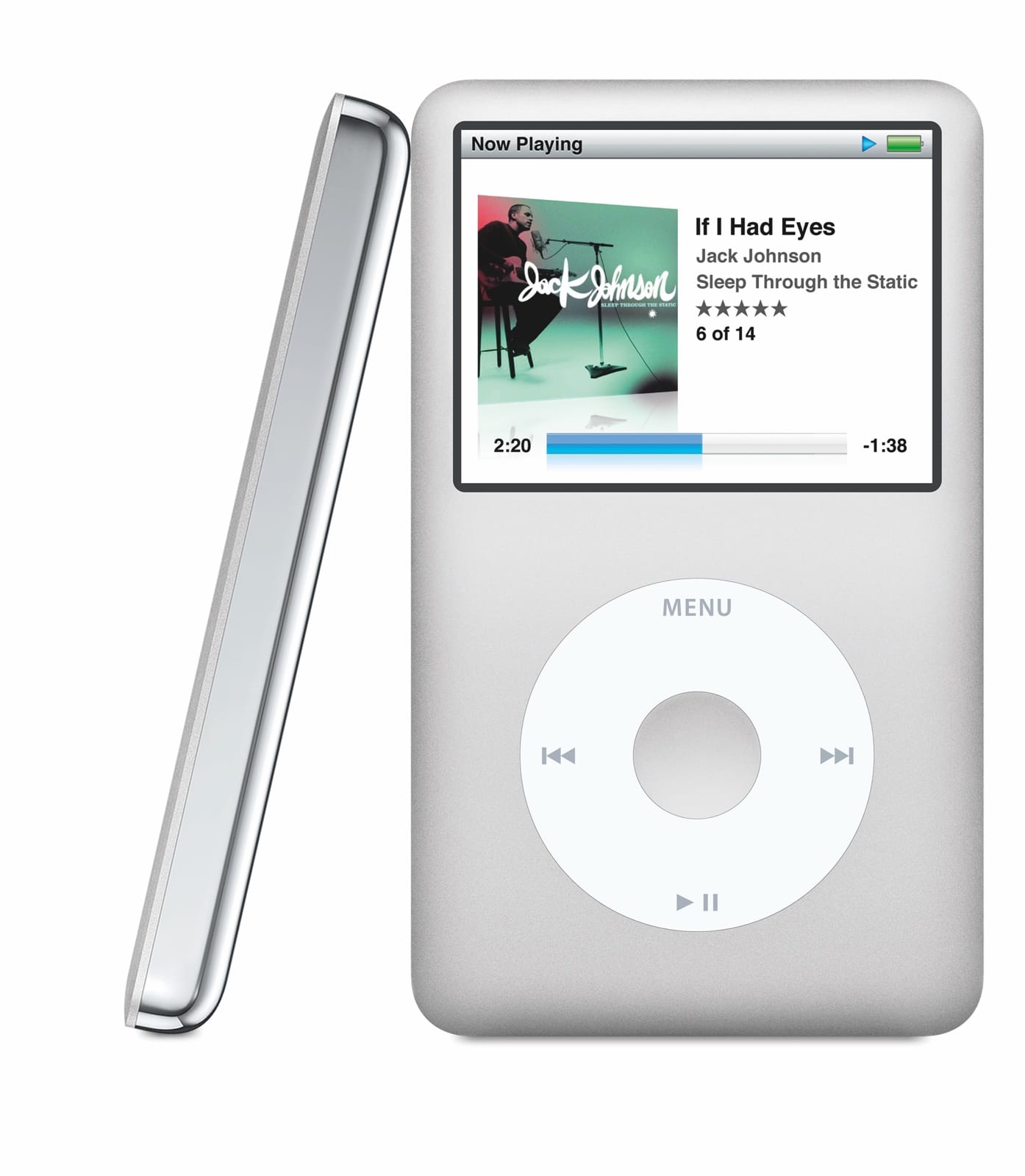
During a walk with the photographer through the New York Meatpacking District, he pulls the newest model out of his trouser pocket. He’s obviously proud. There are 10,000 songs stored on this. “Have you ever seen it?” he wants to know jokingly. “Eclectic” is how he describes the music on his iPod, he says, widely uncommon. Fadell owns 3,500 CDs and 120 gigabyte digital song files, around 4,000 hours of music. Detroit rock is his favourite. He likes the device because he doesn’t have to drag CDs around, but still has a considerable part of his collection with him. “On my iPod, I download what I can find.” And on the iPods of others he constantly discovers new music. “Before I thought nothing was cooler than going to a friend’s house and comparing their CDs with mine”, says Fadell. “Now I can do it with one hand, anytime. My friends always have their music with them.”
What types of portable gadgets will we be showered with in five or ten years? He doesn’t want to be an oracle. Only this much: “Historically, companies with portable music players have achieved high profits.” Fadell is of course thinking about the Walkman from Sony.
Tony Fadell has lived in Silicon Valley for eighteen years, the valley of technology and monetary dreams. The internet boom in the nineties produced more multi-millionaires between San Francisco and San Jose than anywhere else. Then the stock market crashed and the valley emptied. “Many came for the fast money”, he says. Now engineers make the decisions again. The money-greedy talkers have disappeared. “I love the work, not the money. The money comes automatically.”
Late in 2008, Apple announced Fadell was stepping down as senior vice president but will remain with the company as an adviser to ceo Steve Jobs. Fadell's wife Danielle Lambert, who had been the vice president of human resources, also left the company.
Ten years ago, the science magazine Fast Company predicted that the then 29-year old Fadell would be at 35, “one of the leaders in Silicon Valley”. Now 40, Fadell smiles about the quotation. “I’m looking forward to still developing many new great products.” And the product that should make him world-famous? Maybe, he says, there will be a book one day about the history of the iPod. Tony Fadell should arguably be the one to write it.