Japanese designer, Takada Kenzo saw fashion as exploration drawing influences from across the globe. Arriving in Paris in 1964 unable to speak French and with little money in his pocket, Kenzo started out as a freelance designer and legend has it that his unique style initially arose from having to work with off-cuts of fabric purchased from flea markets due to his lack of funds. Kenzo’s first clients were among small, private Parisian boutiques based in and around Gallerie Vivienne in the second arrondissement. It was through the owner of one such boutique, that his designs were brought to the attention of the French press.
Over time, and as a result of his exposure to the media, Kenzo garnered a reputation for free-thinking, creative designs, no doubt inspired by time spent trawling through yards of colourful, though often garish, off-cuts. In 1970, Kenzo opened his first store, Jungle Jap.
Kenzo’s use of print, bright colours, tonal and textural blends, as well as his decidedly multicultural influences, including of course Asian touches, was an instant hit. His work was the very antithesis of classic French design and Kenzo soon attracted a following among the fashion-conscious youth of Paris.
Throughout the 1970s and 1980s the brand grew steadily, eventually adopting its eponymous name. Kenzo branched into children’s clothing to compliment its lines for men and women in the 1980s, and toward the end of the decade launched its first fragrance for women, ‘Ça Sent Beau’, to this day Kenzo Parfums continues to release a wide range of internationally successful scents.
The firm was taken over by LVMH in 1993, with Takada Kenzo leaving the company in 1999, before returning briefly in 2005 to design a range of homeware and furniture, however, despite his absence, his vibrant, youthful approach to clothing has been continued through to the present day. The firm struggled to fill its founder’s shoes until the arrival of Antonio Marras, presently Kenzo’s creative director. In 2003 Marras was appointed to head up the women’s wear lines before being named to his current post in 2009.
The Sardinian designer has striven to remain true to Takada Kenzo’s legacy and is very much aware of the company’s heritage, “He was the first real outsider who broke into the fashion world and made it change, preparing the future for other designers.” Kenzo believed that, “fashion could be fun, fashion is creativity, not a status symbol, fashion is freedom,” he says. Following in the footsteps of one of fashion’s legends is perhaps the ultimate poisoned chalice, but Marras has risen to the occasion in fine style.
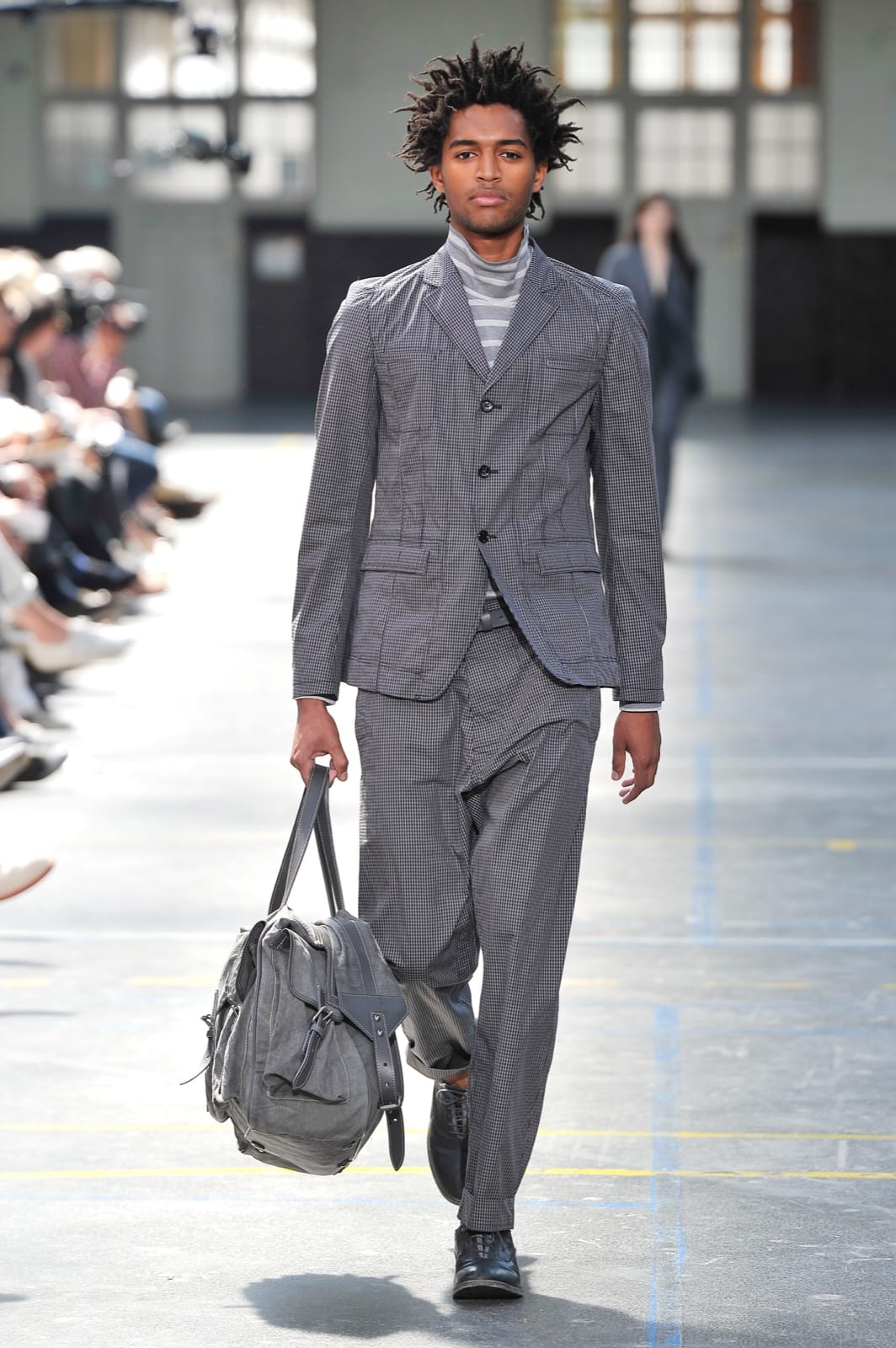
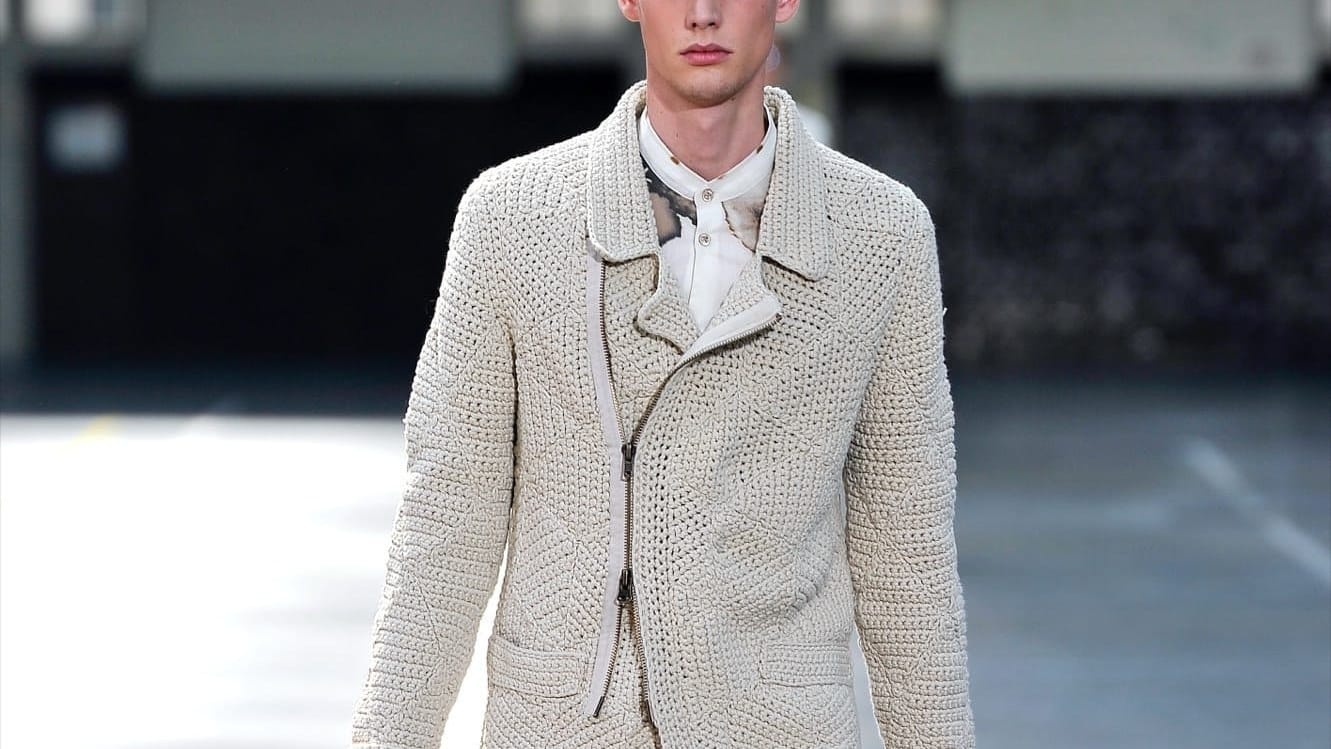
For the Spring/Summer 2011 collection, Marras imagined a French artist heading to Toyko for the first time and being inspired to create a blend of Asian and European style. While much modern menswear is rooted in tonal variations of grey with the odd spot of colour, Marras’ frequent sartorial nods to the great man himself enliven the collection in a way that few other designers would think of. Scattered throughout the house’s latest collection are floral prints, fittingly reminiscent of traditional Japanese art of previous centuries, brightly coloured suits and urban jackets that other labels would shy away from, T-shirts with depictions of wild animals and modern takes on chunky knits, the trenchcoat and the seemingly ever present naval stripe.
When talking to Marras it becomes evident that he has a distinct commitment to the continuation of this intriguing melange, “Kenzo was the first to create a hybrid fashion, mixing codes that were very distant and taking fashion away from ‘just French’ inspirations. This was extremely new and it is only now – in the era of the Internet and social networks – that this message of mixing people and things that are very different becomes even more relevant,” he says.
Even Kenzo’s more conformist pieces, perhaps those most heavily influenced by European fashion, carry the hint of a different mindset. The pocket-covered jackets marry utility with style, the cardigans have off-centre buttons and zips, creating a sense that the wearer is wrapped in fabric, rather than simply wearing it. Three-quarter-length coats mix conventional styling with light colours and free-flowing materials. Suits pay homage to time-honoured cuts and materials while adding in panels of cloth to give tonal and textural variety. Yes, much of it appears European, but the Japanese elements add an unmistakable touch.
“Modernity … with memory,” Marras perfectly sums up the difficulty of retaining the brand’s spirit, while at the same time moving forward. These days the safe course of action is to stick to miniscule variations of colour, often resulting in bland, washed out palettes, meaning brand after brand dissolves into one another like so much paint on a wet day. Marras’ dedication to Kenzo’s signature touches help ensure that there’s never any chance of the house being mistaken for anything other than the innovative force Takada Kenzo created 40 years ago.
Takada Kenzo’s dedication to free thinking rears its head time and again, and it goes to the very core of the house’s philosophy, in that style should be unique, individualism should be encouraged, should be the norm, “Too many fashion houses try too hard to impose codes as tyrannies. I do not like this, I don’t think that Kenzo has ever tried to impose codes of elegance. It’s a brand that offers a vision, some values that can become part of your wardrobe, no matter who you are,” says Marras.
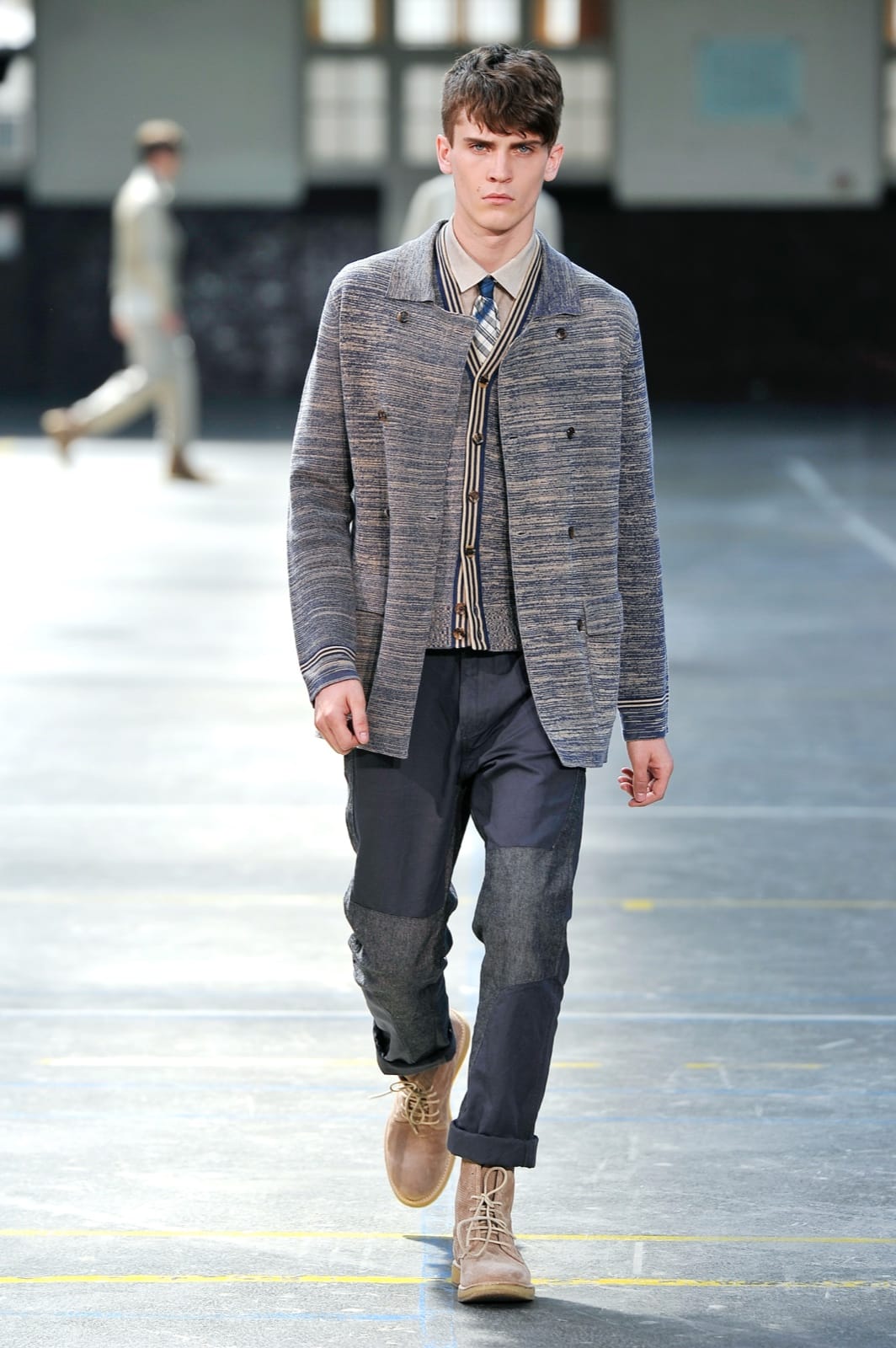
Content that he knows where he’s going, Marras recently turned his attention to Kenzo’s past as the house’s 40th anniversary celebrations were marked by a one-off show at London’s Victoria and Albert Museum, home to runway shows by designers such as Christian Lacroix, Vivienne Westwood, Anne Valerie Hash and Ozwald Boateng in recent years. However, as befits the traditions of the brand, Marras approached the event at a tangent, “I wanted to show something new that carries all the Kenzo values, but only contains new pieces. I decided not to use any previous collections, just my latest, to display something very iconic, very Kenzo, yet without any precise reference to the past.”
Marras has been quoted as saying that Kenzo’s pieces are enduring, without a reference to time and place, but, nevertheless, it’s a decidedly odd way to celebrate the past. Or is it? Upon reflection, it’s entirely Kenzo. 2011’s Spring / Summer collection is as much about the company’s traditions as it is about modernity and, as such, it’s perfectly in keeping with Marras’ and Kenzo’s ethos. Once viewed through this lens the show at the Victoria and Albert suddenly makes sense, in a way that would, no doubt, appeal to Takada Kenzo himself.
Kenzo is, without question, one of a select few houses that have remained entirely relevant through its history and is a vibrant part of the fashion world. As result of the firm’s longevity in a notoriously fickle business, the strides taken to break the mould in the firm’s early days, and an ongoing commitment to remaining as true to its heritage as possible, Kenzo, in its anniversary year, has been nominated for the Ultimate Fashionism Award.
WHAT Kenzo
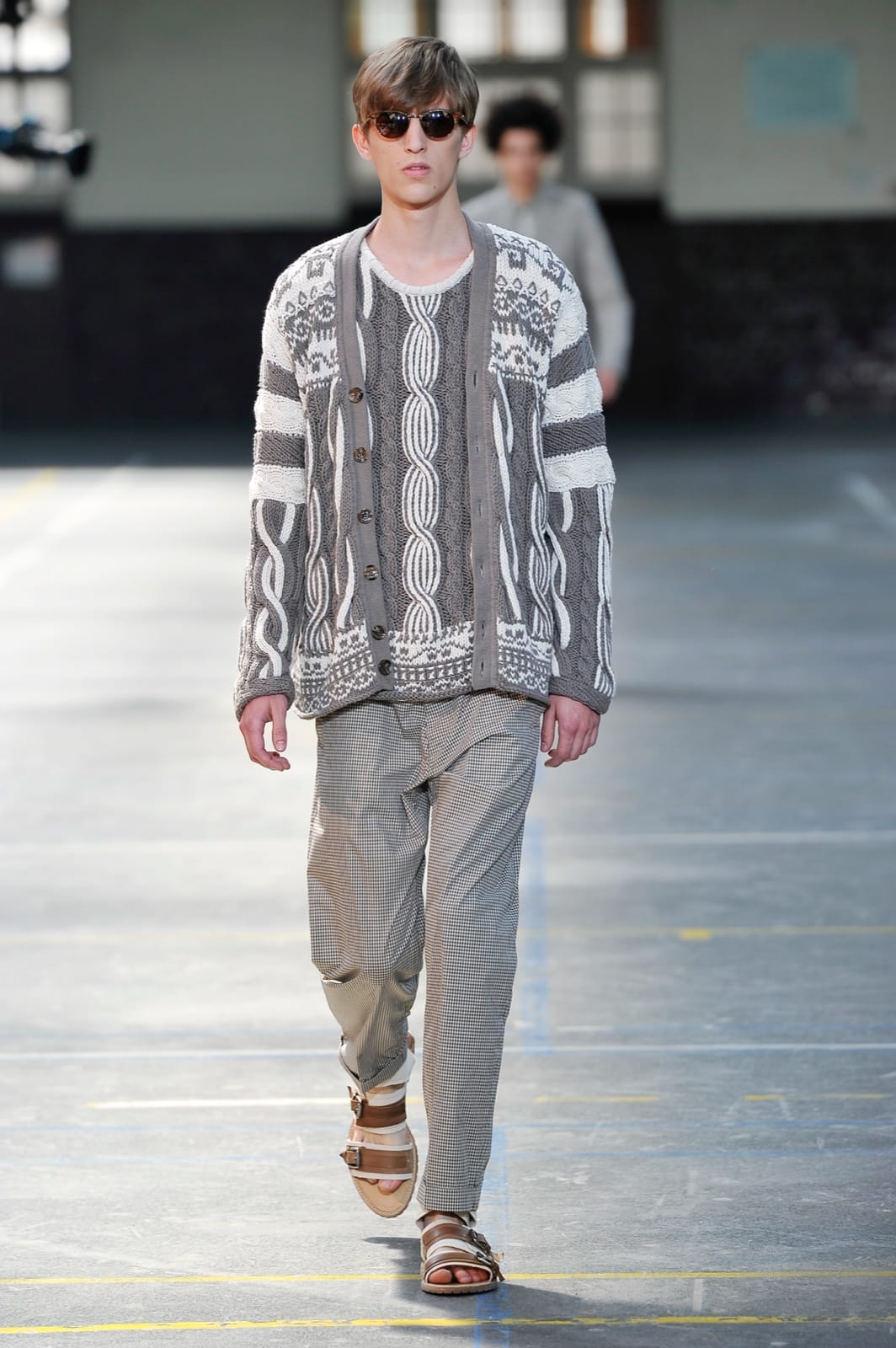
FOR 2011 Spring / Summer menswear collection
SIGNIFANCE Founded in 1970, the brand celebrated its 40th with an event at the Victoria and Albert Museum that took place on November 12th, 2010
WHY Kenzo’s mix of cultural and historical elements, a dedication to maintaining links to its past and an engaging take on modern design place Kenzo in a category all of its own.
HYPERLINK "http://www.kenzo.com"www.kenzo.com