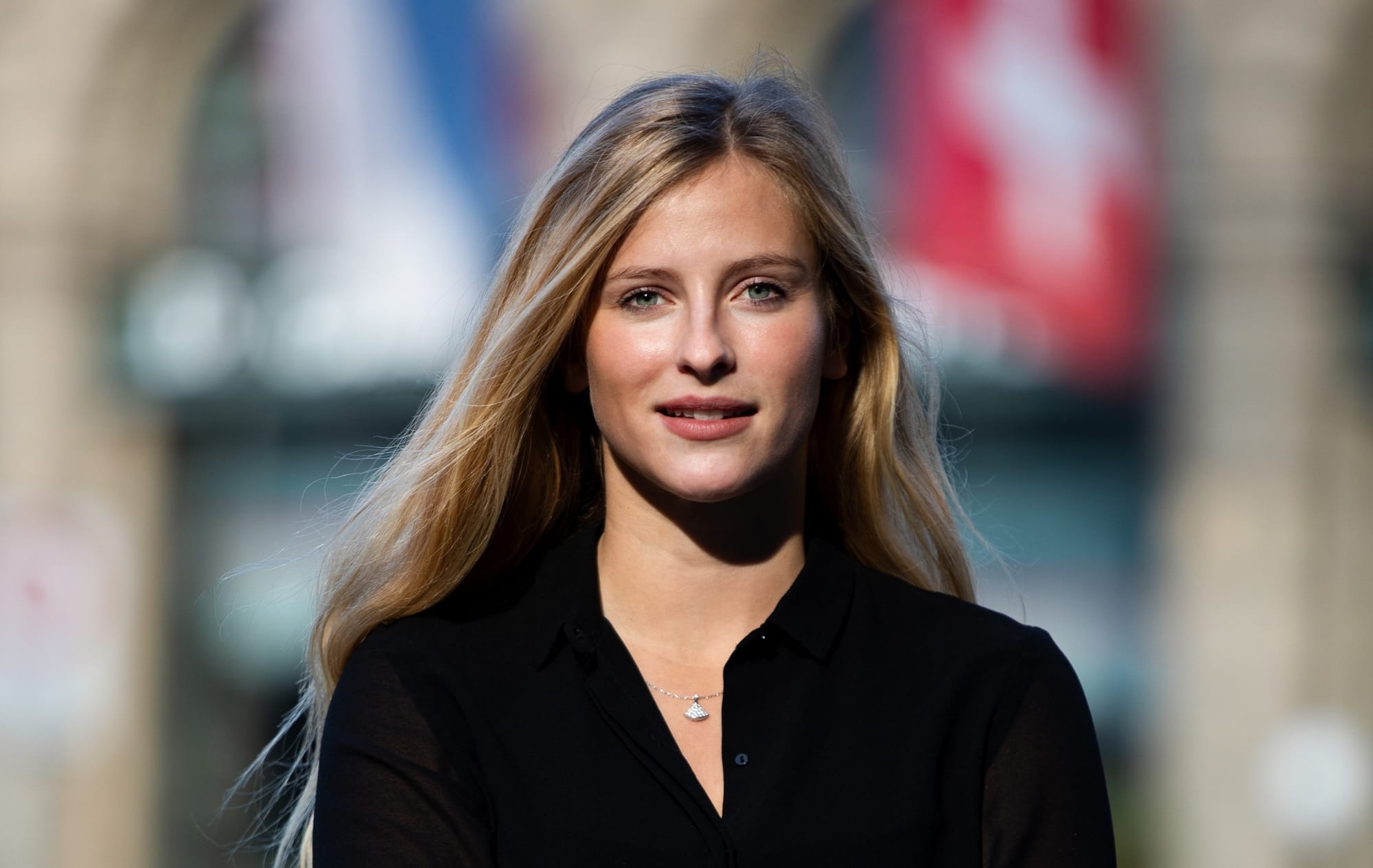
Spotting a serious problem in the second-hand wristwatch market, where a lack of trust meant the authenticity and provenance of watches were often clouded in uncertainty. Leonie Flückiger’s innovation team was confident this could be resolved using blockchain – and so the idea behind Adresta was born.
Can you tell us a little about yourself and your company, Adresta?
[Leonie Flückiger] I studied mechanical engineering at the ETH Zürich and during my masters [in micro and nanosystems] I had the chance to start my own IT consultancy. It was an association where you only work for a year as a student but you own ten per cent of the business. One of our clients was Helvetia Insurance and they came to us with a project to authenticate watches on the secondary market. It worked out so well that they let us spin off into a new company in partnership with them and ETH Zürich. That’s Adresta.
Did you consider an on-off insurance model for watches?
We did, but at the moment the only product we have is one where you select which watch you want to insure, you take a picture of it, as well as some supporting documents. You then upload these images on our system and pay the premium by credit card. The process takes only 60 seconds, which is exceptional, as normally there’s a lot of paperwork involved in insuring watches.
If one of our readers wants to insure their watches this way, can they?
Unfortunately, not. We are only available for Swiss residents till now.
How is Adresta helping the industry take the next step into the digital age?
Adresta is blockchain agnostic. We don’t care about which technology we work with; we care about the value. So, we don’t want you to just have an NFT, token, twin or whatever, we want you to have services, emotions, value, connection to the brand and so on. Integrations with insurance, customs, police if your watch is stolen, you simply click a button and the serial number gets registered, the insurance process will be handled and then there’s also banking integration so you can see your watch, or its market value, on your e-banking app.
What blockchain are you using?
We started with an NFT on top of Ethereum but we realised that market adoption is not there yet, as if you want to own a token then you’ll need a wallet, a password and need cryptocurrency to transfer it. But what we realised during our research at ETH Zürich after analysing many blockchains, is that this is still a challenge. Imagine if a brand sells 100 watches today but only one per cent claims ownership, there’s no value in it. So, we took a huge step backwards in terms of technology. Now we issue a PDF certificate that’s signed by the brand and time-stamped on a private Swiss blockchain.
And how many watch brands are you working with today?
Nine brands including Czapek, some retailers and the influencers MunichWristBusters.
Who are your competitors?
There are tonnes of protocols and NFT creators. But we work on the blockchain brands want us to work on, we propose our partners Swisscom Blockchain but there’s also the Ethereum NFT solution and Aura, which is the blockchain of LVMH, Prada and Richemont. What brands like about us is that we don’t do the technology, rather the value on top of it.
What is the immediate benefit of what you’re working on?
That the brands have direct access to their customers, which they don’t typically have today given they sell through retailers. As such, brands typically don’t know where, when and to whom a watch is sold.
Then retailers must hate you!
This fear of being cut out is one of the biggest issues we are facing but we want to work with retailers too. For example, our data will help retailers achieve better inventory management, and it’ll help brands see which models work best in each market. It’s actually a win-win.
Finally, why would a brand be willing to change its business model?
We have four groups of customers to whom digital twins makes sense. The first is a brand, like Rolex or Patek, who would use it to reduce counterfeits, track official sales channels, and gain better control of grey markets. Then we have brands who want to have access to the secondary market, control prices there and get to know their customers better. Then we have the brands that want to use that data for targeted sales marketing. And the fourth is those looking to reduce their carbon footprint, not just in terms of certification documents and manuals but marketing materials too as you can send everything via the app.