Salvatore Ferragamo has been synonymous with Italian luxury for almost a century. Today this Florence-based, family-owned company is a full-fledged haute couture fashion house producing clothing and accessories from shoes and watches to handbags, sunglasses and perfume. “You know, my grandparents didn’t even want Salvatore to become a shoemaker. They thought becoming a lawyer or a doctor would be far more prestigious,” says Ferruccio Ferragamo, Salvatore’s eldest son and chairman of Salvatore Ferragamo Italia. “It all goes back to when my father was very young. He was dreaming to make fantastic shoes and to have a beautiful fashion house that would dress people from head to toe.”
The eleventh of fourteen children, Salvatore was born in Bonito, near Naples, in 1898. He began an apprenticeship with a shoemaker at the age of eleven and two years later, he opened a small store in his parent’s house. Some of Salvatore’s family members had traveled to the United States and, only fourteen years of age, he set out to join them. He started working with his brother in a cowboy boot factory in Boston. The large shoe manufacturer used industrialized shoemaking techniques - a good experience but a far cry from Salvatore’s commitment to quality handwork.
In 1919 he moved to Santa Barbara, California, where he opened his own shoe shop and started working for the film industry. The quality of Salvatore’s costume shoes led actresses and actors to ask him to make them shoes for off-screen life as well. He quickly established a reputation among movie stars and moved his store to Hollywood to be close to his celebrity clients. Greta Garbo, Sofia Loren and Audrey Hepburn all had their shoes made to measure by the ‘shoemaker to the stars’. But Salvatore had a problem, he wasn’t satisfied with the level of comfort of his shoes. He enrolled at Los Angeles University and studied human anatomy, mathematics and chemical engineering - disciplines that he then applied to the creation of his shoes.
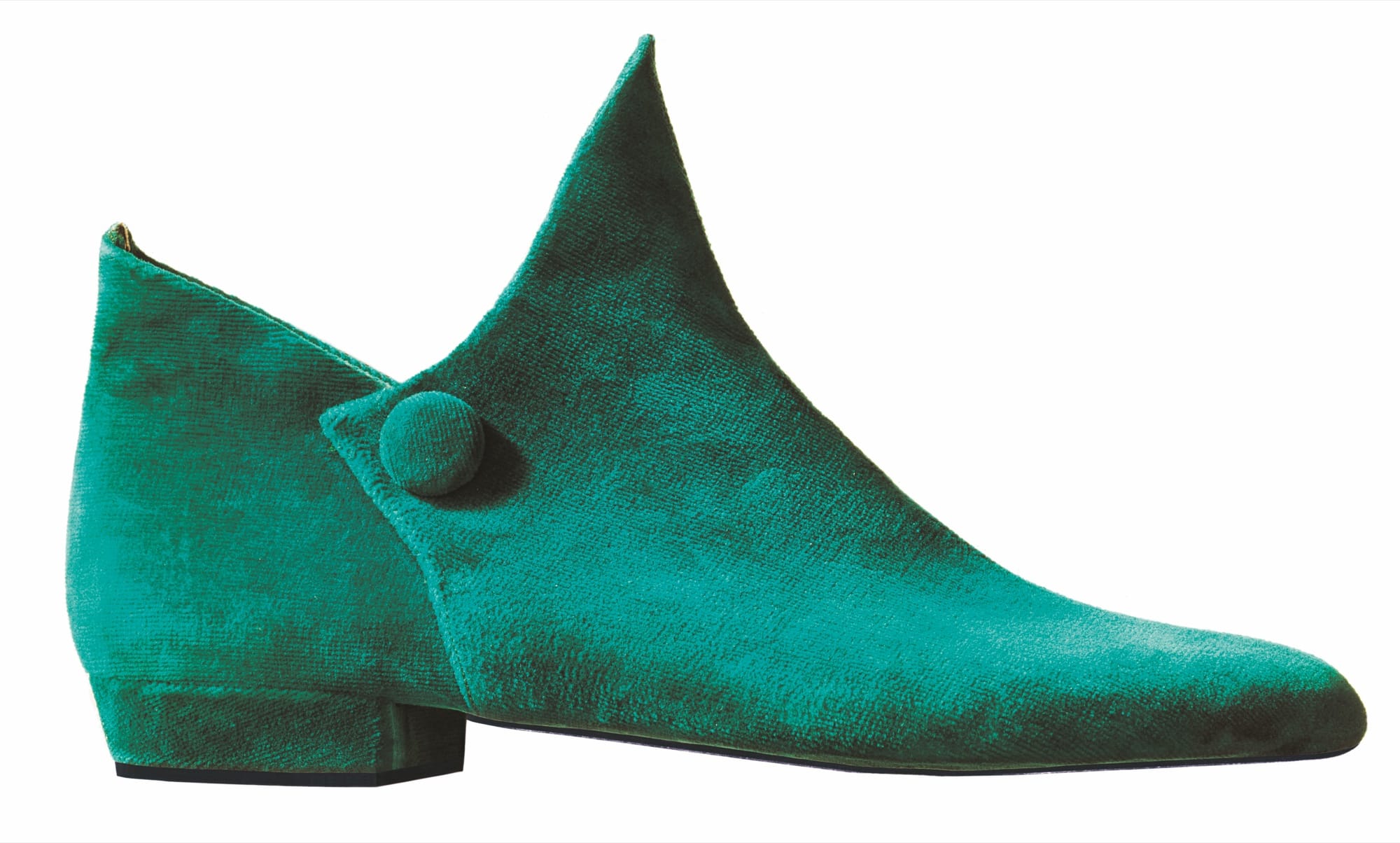
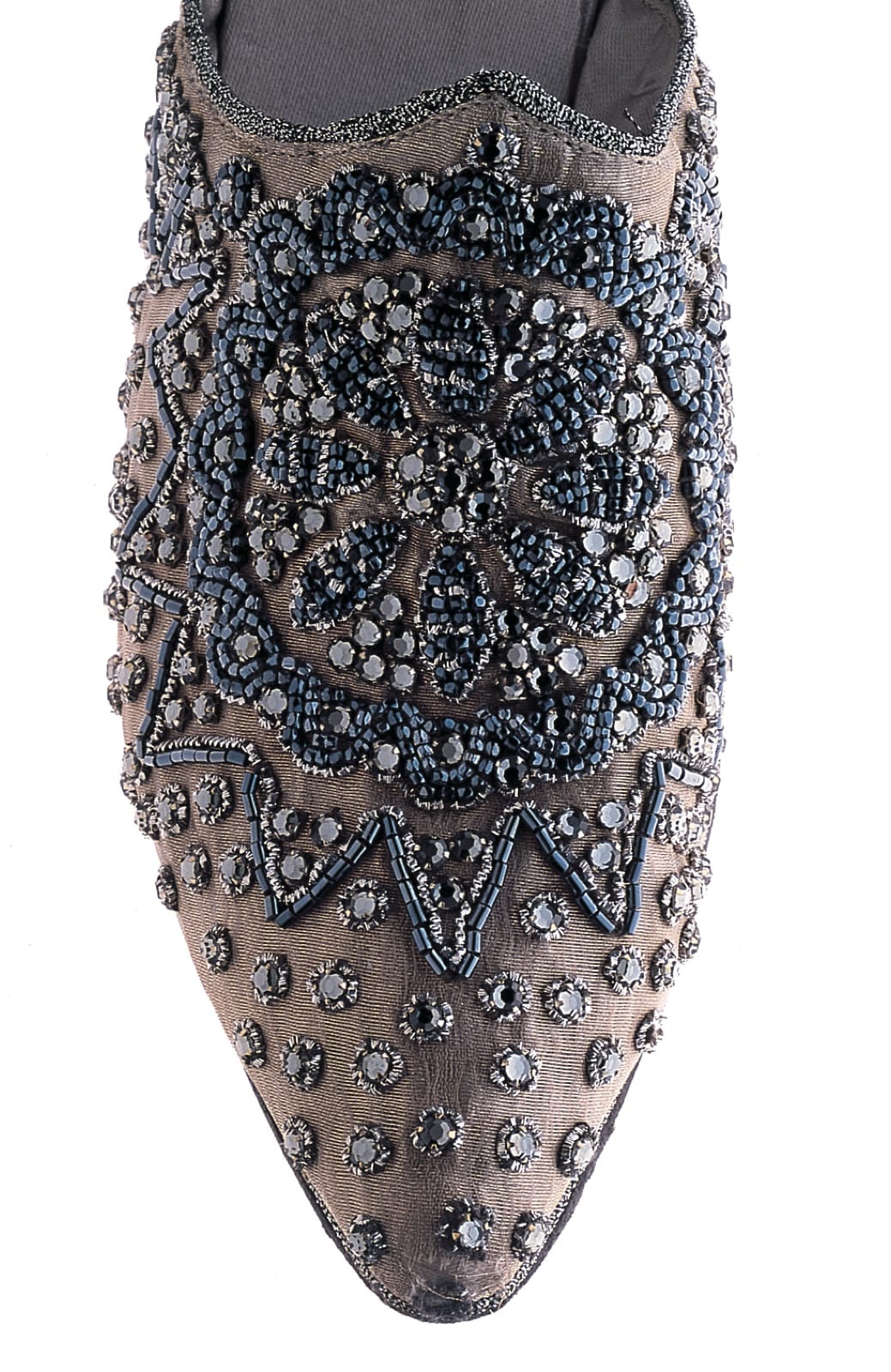
In 1927 he returned to Italy and set up shop in Florence. During the economic hardships of Mussolini’s Italy, he started using different materials to replace leather and unconventional alternatives slowly became a regular feature of his designs. Crocheted cellophane, fish skins and raffia helped to create the many unusual and unique styles that were to become a trademark of Ferragamo.
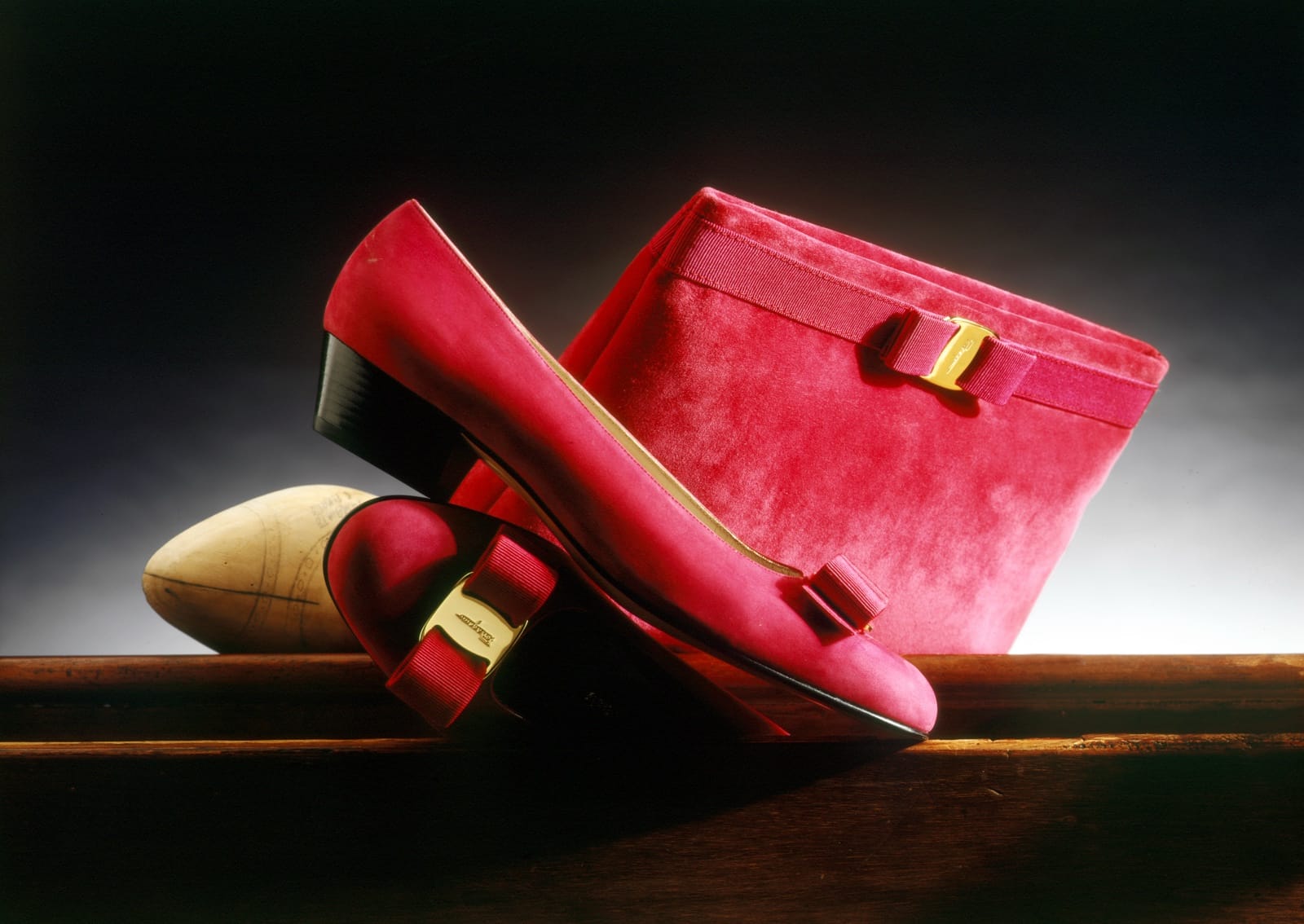
This legendary Italian purveyor of luxury was always ahead of his time and radically changed footwear. A major success came with the use of cork with which he created the so-called ‘wedge’ heel. The cork heel attracted customers worldwide and remained a company best-seller for years to come. In 1947, he released the ‘invisible’ sandal. For this design he received the prestigious Neiman Marcus Award. Another innovation were his steel-reinforced stiletto heels, beloved by Marilyn Monroe.
“When daddy passed away he had just partly achieved his dreams; he was still only making women’s shoes,” says Ferruccio of his father’s death in 1960. When Salvatore died he was making eighty pairs of shoes a day by hand; today automation produces 11,000 pairs. “Mummy took over and thanks to their age difference of twenty-four years, she wasn’t even forty when he died. She had the courage to take over the business while she didn’t have any experience. She moved from producing children to producing shoes,” he laughs and says his mother Wanda turned out to be a great asset to the company. “She had a great vision. Mummy had a very important role; she transmitted the passion of my father’s dream and kept all the six children together and connected.”
Fiamma, the eldest daughter, left school at the age of sixteen to join the business. She was the only child to work alongside Salvatore on the bench, learning his craft and receiving his guidance. She was nineteen when he died but clearly inherited his extraordinary talent. Fiamma took control of the design of shoes, handbags, luggage and small leatherwear. “The way we are organized is very important. Each family member took a separate area. Different product lines were developed by different members of the family,” says Ferruccio who joined the business at the age of eighteen. “As a boy I already knew I would be working in the family business. I wasn’t forced but it was obvious. We wanted to continue daddy’s dream.”
The Ferragamo’s are a tightly knit family who believe in teamwork. They seem unaffected by the feuds that have plagued other family-owned luxury brands. The company remains 100 per cent owned by the family with Wanda as honorary chairwoman. Although hurt by the death of Fiamma in 1998, the company maintained its steady growth rate with annual revenues of almost 700 million Euros. Ferragamo fanatics include Madonna, Eva Mendez and Catherine Zeta-Jones. There was even a royal conection, the late Princess Diana being a fan of the family’s shoes and bags.
The Ferragamo legacy continues. There are now twenty four grandchildren. “If they choose to join the company, there are certain rules. They have to have a university degree, they should have work experience in another company and they have to be the right people for the job,” says Ferruccio and he explains that there are only three places available for grandchildren. “Otherwise it will be overloaded.”
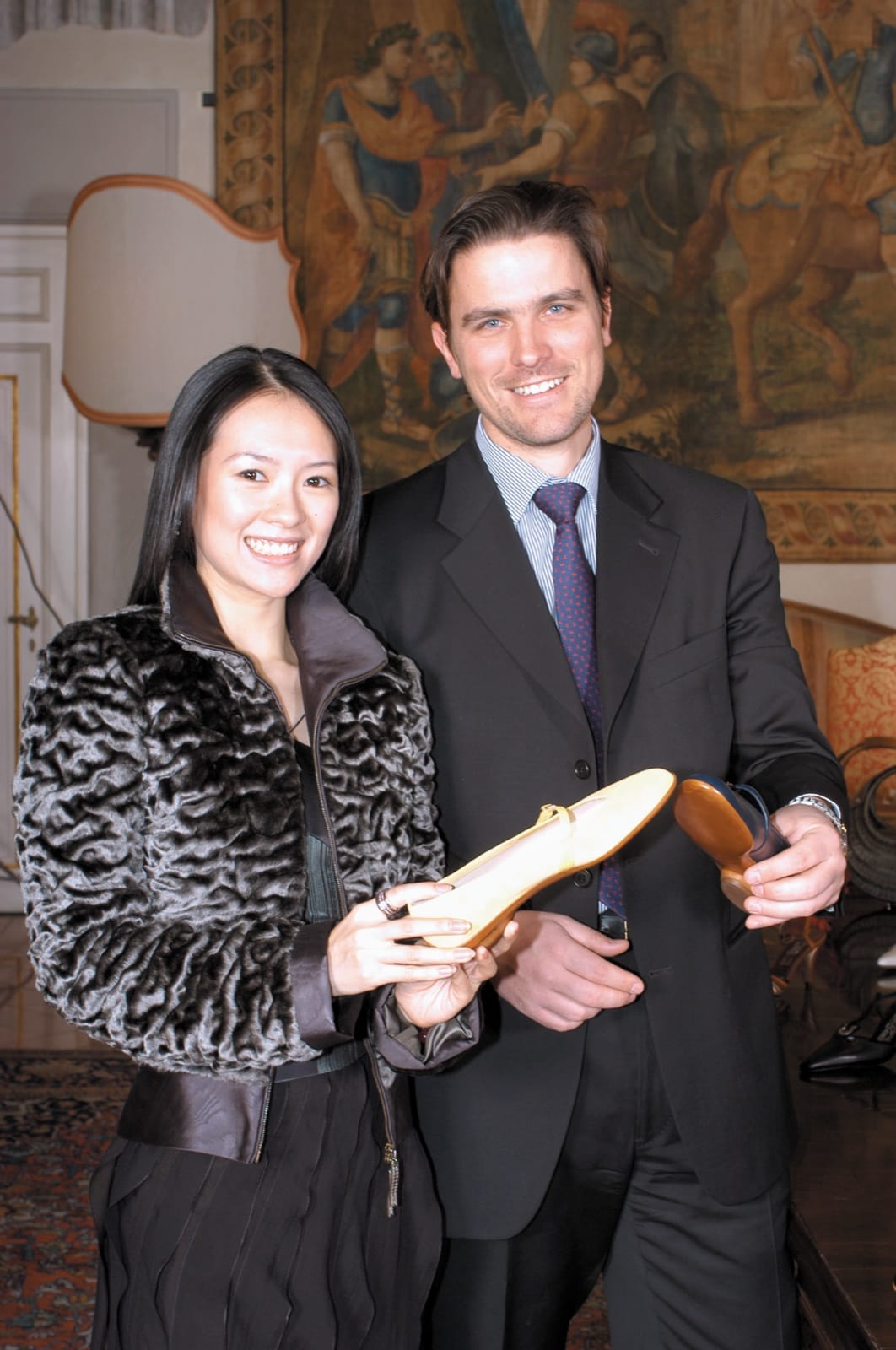
James, one of Ferruccio’s six children, now works as product director of women’s leather. His daughter Vivia set up her own lucrative brand in Europe and Asia that includes a top-to-toe collection of women's ready-to-wear, swimwear, shoes and handbags that reflect her glamorous lifestyle. “In one way or another most of the grandchildren are involved in the business. We diversified to give all of them opportunities,” Ferruccio explains. One of his twin sons runs Il Borro, his country estate and a hotel. In 1993, the family purchased Il Borro from Duke Amadeo of Aosta, cousin to the heir of the Italian throne. The restored estate and its surroundings reflect the Tuscan lifestyle and produce sophisticated wines.
Their close-knit family approach has been their key to success. But now some ‘outsiders’ also work with the Ferragamos. “For the past 35 years I have worked for family run businesses, I am specialized in the peculiarities that come with a family business,” says Michele Norsa who was appointed CEO and Group Managing Director of Salvatore Ferragamo Italia in 2006. “It is a nice challenge to modify, improve and to make the company grow. You almost become part of the family.”