Intelligence, integrity, passion, dedication, focus and determination are the characteristics that define this rising star. Born in Lebanon in 1990, Ghanem grew up in an environment that had motorsports written all over it. It is almost as if he learned how to drive before he could walk. His father, Samir Ghanem, was a former Rally of Lebanon champion. So, not only did the young Ghanem inherit the racing gene from him, but he also worked extremely hard to master this dangerous yet thrilling sport. From a childhood dream, he embarked upon a long and challenging journey to turn it into a reality. When other children his age were busy playing with toys, he was on the track trying to learn the ropes on go-karts. Ghanem made it his mission to ask, learn and practice, practice, practice. At 12, his father bought him his first official racing go-kart and by the time he turned 14, he was given a real racing car. His first victory was winning the junior title in Lebanese racing competition.
Destiny had dealt the first hand in his favour. The boy had raw talent. It was obvious. But he needed the opportunity to excel, and Lebanon did not have the facilities to support his growth. So where could he turn? The Middle East had started taking an active interest in motorsports and new tracks were popping up all over the place. It was even rumoured that a Formula One circuit was being built in Bahrain, and that gave Ghanem and his family hope. Then, when he had just turned 16, destiny dealt another hand in his favour. In 2006, the family received a call from Bahrain inviting Ghanem to participate in the Thunder Arabia competition. Thunder Arabia caters to young, under budgeted drivers with minimum driving experience from across the Middle East and offers them a cost-effective outlet to pursue their dreams. In need of a Lebanese driver to represent Lebanon, Ghanem was their preferred choice. He grabbed the funded opportunity and accepted the offer. Like many of the other participants, he started at the bottom of the grid but his talent would have none of that. By the middle of the season, he found himself skirmishing for first position. Driving the championship’s standard rookie-class Formula Ford racecar, Ghanem sealed the season in the top percentile and in high spirits. He felt he was on the right track (pardon the pun), and his excellent result made even more determined to make it.
Europe was the next pit stop on the itinerary. But, density was about to change the way it dealt the cards. New challenges were about to emerge in this shuffle. Ghanem was ready for them all. Today, strongly supported by his father, mother and sister, Tina, who handles all his PR and contact work, and Salim Abou-Samra, his advisor, the talented Ghanem is ready to take on the world and put Lebanon on the map of international motorsports.
Mario Najm After your successful stint in Thunder Arabia, what did you do next?
Joe Ghanem I was given another opportunity to participate in the Red Bull Challenge in Lebanon. I was registered in the junior team. Ready to give it my best shot, I travelled to the ‘shoot-out’ in Portugal. But, upon arrival, I realised this was going to be a totally different experience. Everything was new to me. However, that experience taught me some valuable lessons, and I understood that racing in Europe was a world-class affair.
In what ways do European motorsports standards differ from those of the Middle East?
The standards are extremely high in Europe. And that’s because they put so much of themselves into the sport. It’s not just financial, there’s a lot of dedication, focus and precision involved. For example, many of the drivers on the circuit started racing at an earlier age than I did. It’s taken professionally from the ages of nine or 10. It’s their life. Many don’t even go to school.
They don’t go to school? Is that your case as well?
Not at all. Education is very important to me. Even during competitions and training, I studied and made up for all the classes I missed. I never let my racing schedule affected my academic performance and I passed all my exams. Today, I am studying graphic design in Lebanon at Notre Dame University (NDU).
High-powered motorsports and graphic design, where’s the link?
Although both fields appear to be totally different on the surface, in essence, they are both an art form. If you forget for a moment about the science involved in driving, you’ll come to realise that it’s a pure art that relies on feelings, emotions and passion, and it’s the same with graphic design.
Do you consider your racing ambitions as a passing phase?
Racing is my life; it’s everything to me. I live and breathe it - even when I’m not in a racecar. I don’t see myself doing anything else, and I’ll pursue it until the very end. I assume that I chose one of the most difficult professions in the world. And to add to the challenge, I have limited resources and I’m from the Middle East. These exceptional factors are what give me the drive to pursue my ambitions.
How does your family support you in all of this? Do they agree with the profession you have chosen for yourself?
They support me wholeheartedly. It was my father’s dream to attain great heights in motorsports. So, he sees himself in me when I race. My mother also supports me, but like all mothers, she has many concerns about the dangers involved. My sister, Tina, and my advisor, Salim, are also doing everything in their power to help me succeed.
So what happed after the Red Bull competition?
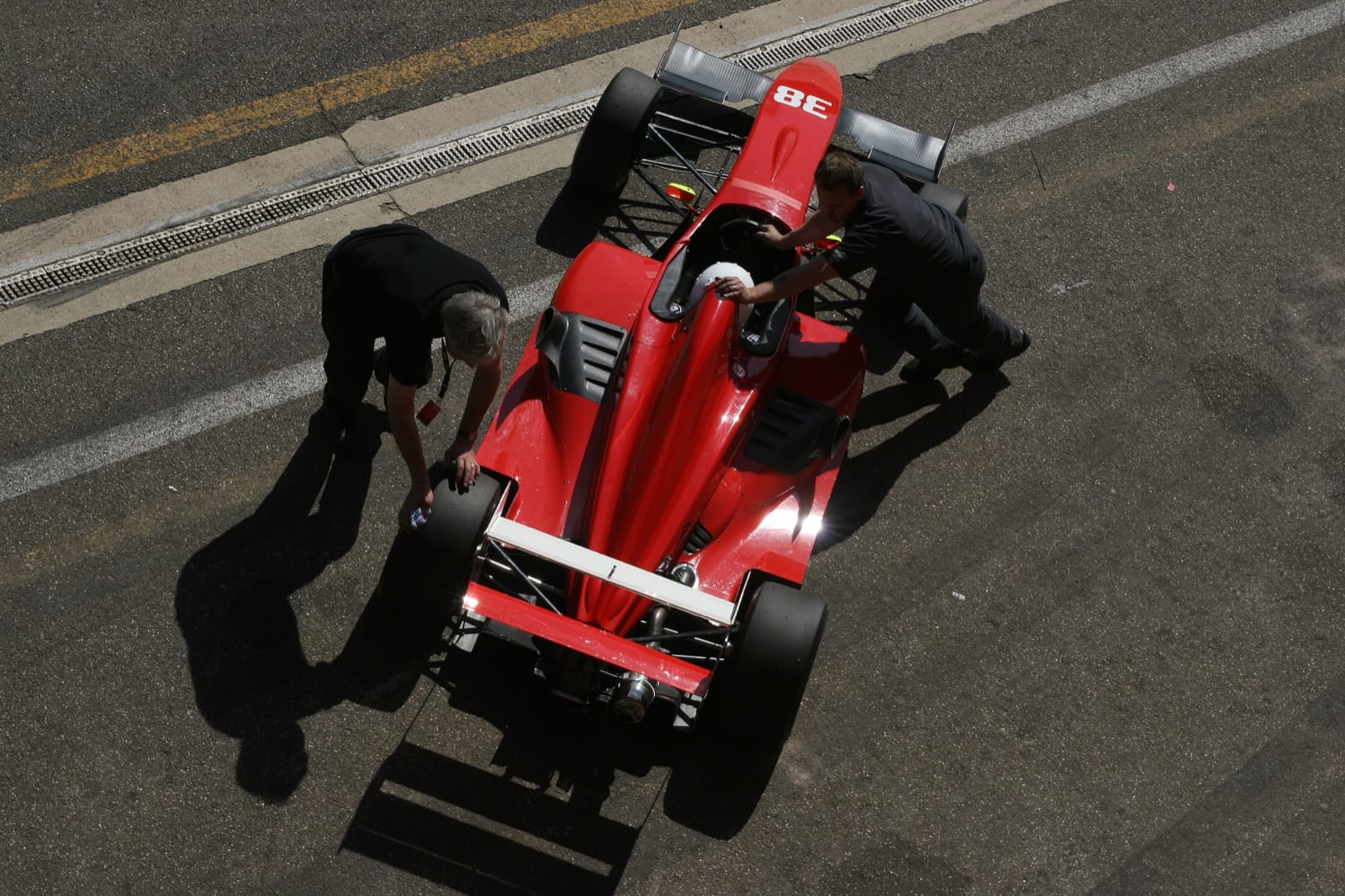
A1 Team Lebanon read about me and got in touch. A1 GP is a competition for the World Cup of Motorsport in which teams from across the globe challenge one another. Each country has a similar car and the best drivers representing their various countries drive against each other. Points are allocated to countries rather than to drivers. So, A1 Team Lebanon decided to get a young driver and train him for the future. They chose me. I was enrolled in the development programme and began training on the car Lewis Hamilton, Felipe Massa, Kimi Räikkönen and many other top drivers were trained on when they were my age.
How did it feel?
A dream come true! Suddenly, I had this significant seven-year contract with A1 Team Lebanon that covered the entire sponsorship I needed to train in England at the prestigious Nottinghamshire single-seater outfit, Manor Competition. I was ready to go and live in England, and my parents agreed.
When was this?
It was in 2007, preparing for 2008 season, and we were working on a very tight schedule. I was trained for only three test days to prepare for the Eurocup Formula Renault 2.0. I wasn’t really ready for the championship, but they let me race in a few selected contests. It was there I realised how high the level was. In qualifying, there were 45 cars and the first 20 cars had only one-second separating them, it was very close. But, I was incredibly pleased with my outstanding results at the end of the competition.
How did you benefit from Manor Competition?
Getting into Manor Competition is not about having money because it’s a club team. Manor is where Hamilton and Räikkönen won their first championships. I was teamed up with the former engineer and driving coach of both these stars. Both these professionals categorised me at the same level of the two stars when they first started out. They were certain that my talent would help me stand out in Europe within two or three year’s time.
So, you were enjoying your training and preparing for some major races?
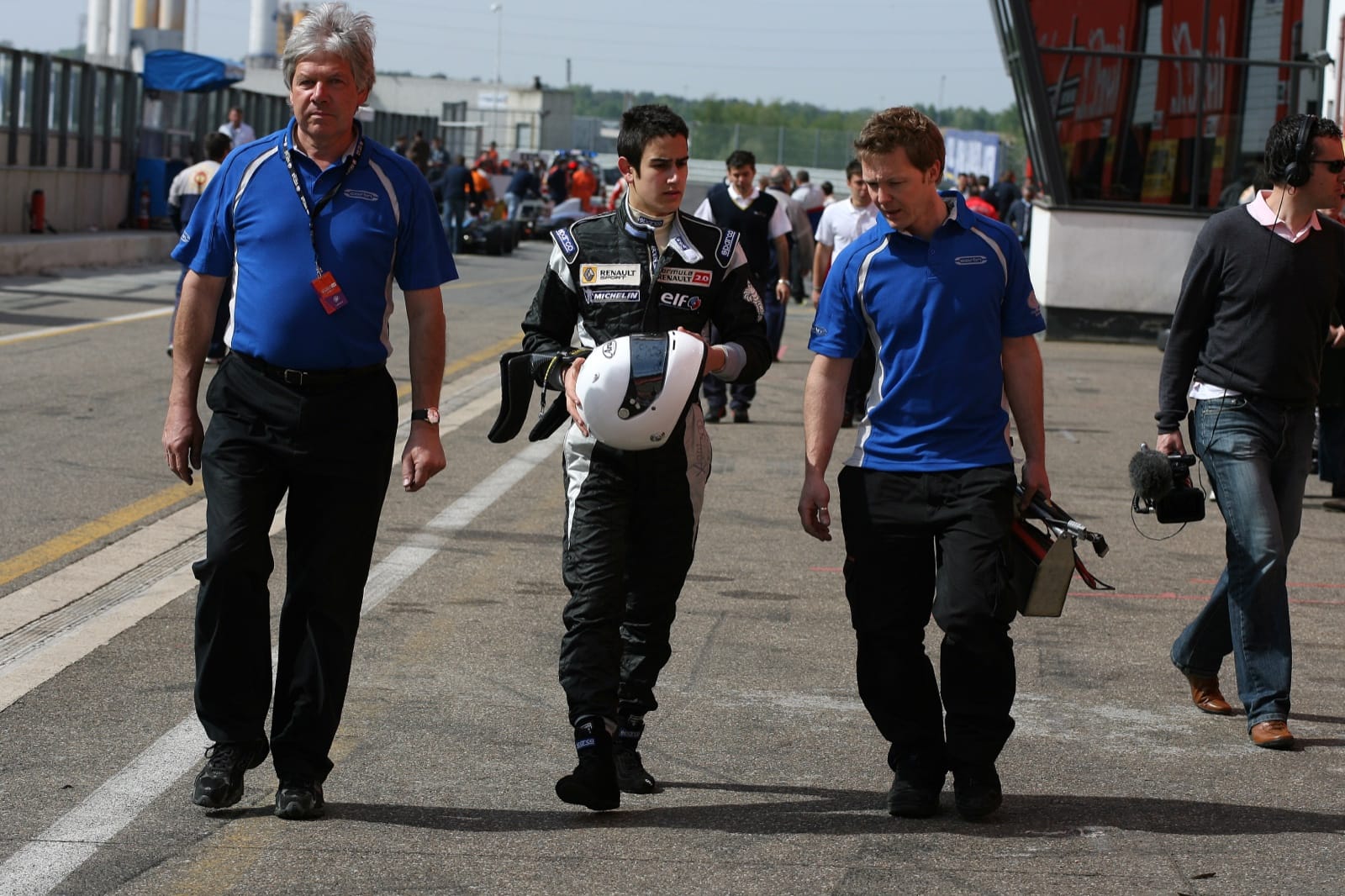
Yes, I was training with some of the best drivers and field professionals. Because of my late entry, I had less time to train, but I was still matching the lap times of my teammates. The team was very happy with my progress and performance, and I was doing my best. In 2008, during my final test days, just a week before the championships, I received the shock of my life. A1 Team Lebanon pulled the plug, cancelled the contract and closed all the doors. I didn’t even have enough time to start looking for new sponsors to help me enter the upcoming competition.
Why did A1 do that? Did they lose faith in you?
No. That wasn’t the case. Their key sponsor decided he no longer wanted to invest in motorsports. They weren’t following my development appropriately and they just stopped it there. It was a big blow and it hurt my career. I didn’t know where to turn. However, I understand that it was not a personal attack but rather a business decision. Through the support of my friends and family, I decided to keep on looking ahead.
What did you do after the plug was pulled?
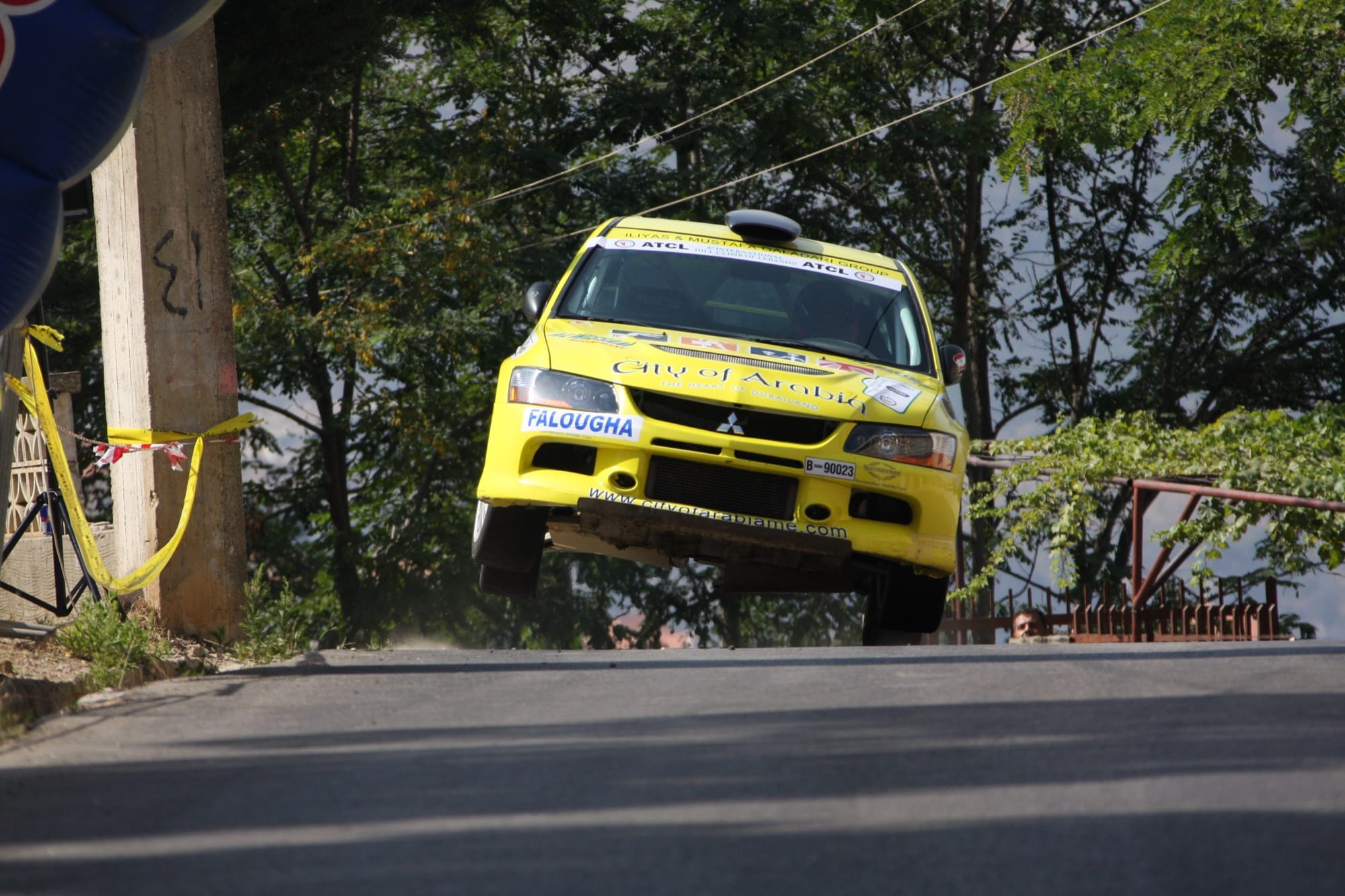
I came back to Lebanon and didn’t drive a racecar for over six months. But, even after the plug was pulled, Manor Competition left my position open for 2008/ 2009, which is something that isn’t usually done. They recognised my talent. Afterward in Lebanon, I had the opportunity to try out in a rally car belonging to Michel Saleh, and I was tested on one of his Mitsubishi Evolution Lancer 9 Group N rally cars for a hill climb challenge. They let me drive in the zero car, which means I was timed but didn’t receive any point benefits. I achieved the best time and won. I was then taken to Syria for the second leg as a competitor and I won. If I wasn’t placed in the zero car in Lebanon I would have won the Middle East championships. I came second overall and that’s not too bad.
With all your achievements, are you currently ranked?
When I was taken under the A1 GP wing, I didn’t start the championship from the beginning for ranking purposes. I started at the bottom and in just three races I was positioned in the middle of the grid. The top-ten are the entries that become eligible for ranking. None of my previous races were taken into consideration for ranking purposes in Europe.
When you seek sponsors, what evidence do you provide to prove your talents and potential?
I produce my results. They speak for themselves. My team was not doing well, and I was put in mid-grid with less practice than my teammates, and I was doing better than other A1 drivers were. My results are my point of reference. I have outperformed some of the best drivers under some of the most difficult conditions.
What do you expect from a sponsor?
Partnership. Finding a ‘sponsor’ is easier than finding a ‘partner’. A sponsor views motorsports as dangerous and is wary when it comes to investing close to 3 million USD for three years. But, a partner will understand this and will be ready to go into it for the long haul with me, and we can both reap the benefits.
How important is money to you?
Money is simply a tool needed for equipment, training, travelling, expenses, etc., and no money in the world can replace talent. Although you need money, talent is the key.
Is training on the circuit important and why?
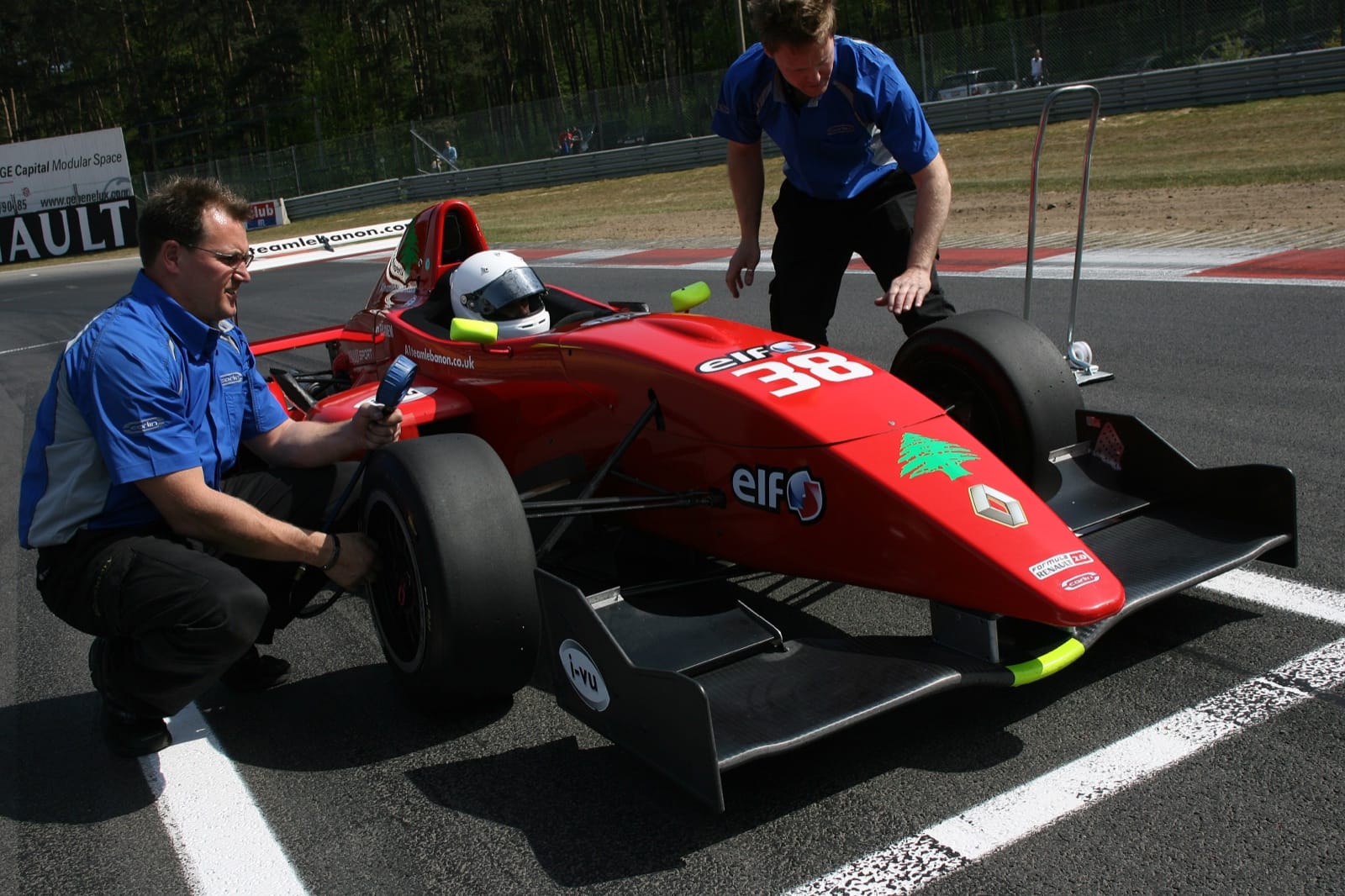
The most important thing in racing is what we call ‘testing’ or training for big events. If you enter championships without the right training, you’ll never do well. Training, or the lack thereof, can make or break you. I would never ask to be sponsored and enter competitions without the adequate number of test days, because I would be wasting my time and my sponsor’s money, and that’s not fair to either of us.
Do you train here in Lebanon?
Yes, I have to keep my weight and fitness at a certain level through going to the gym and following a tailored fitness programme. But, more importantly, I do a lot of mental training. I don’t even have to force it because it’s inbuilt. I play video games that involve racing, because they function as basic simulators. In Lebanon, I still have my go-kart, and I train every Thursday and Saturday.
What characteristics should a top driver possess?
Being a top driver doesn’t start and end at the wheel. It’s a complete package: personality, mentality, focus, fitness, professionalism, etc. He has to be seen as competitive yet ethical and be respected in his circle. He should remain focused and not be sidetracked by the glamour. If you really want to be a great driver, you need to do it for yourself and your passion and not for any other reason.
In the world of driving, who is your hero?
I don’t have a particular hero. I admire the talents of Michael Schumacher, Kimi Räikkönen and other achievers from outside the sport, such as Mohammad Ali. There are so many talents out there, and I try to seek out the best in everyone to continue learning and growing.
What team would you like to be endorsed by when you get to Formula One?
Ferrari. I respect all the others, but I prefer Ferrari because of their heritage and Enzo Ferrari’s philosophy and mindset. I really respect and admire that.
One last question: how do you drive on regular roads?
[laughing] Like a snail. I use the roads to get from point A to B. If I want to race or if others want to race, roads are not the place for it. If you want to drive, go and hire a go-kart. There are many around if you want to burn some rubber – just not on the roads!