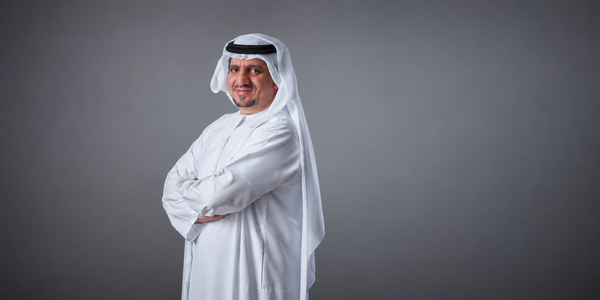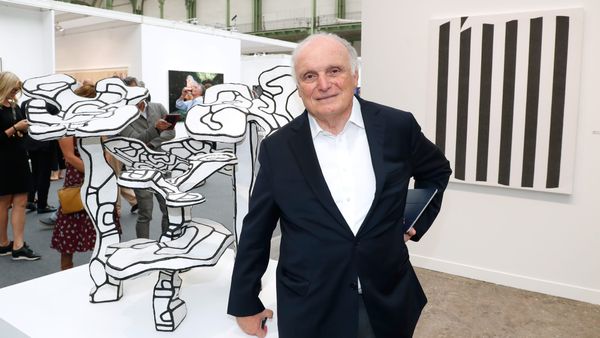
English soccer fans and dishdashas are two things you might find at the opposite ends of a six-degrees-of-separation exercise. This, however, is not the case for Manchester City fans, who saw it fit to attend their home game against Chelsea, on Saturday the 13th of September, dressed in the traditional Arabic dress, complete with tea towels wrapped around their head. Why? To pay tribute to the club’s new owners, The Abu Dhabi United Group, a multi-billion dollar conglomerate, owned by HYPERLINK "http://en.wikipedia.org/wiki/Sheikh" \o "Sheikh" Sheikh HYPERLINK "http://en.wikipedia.org/wiki/Mansour_bin_Zayed_Al_Nahyan" \o "Mansour bin Zayed Al Nahyan" Mansour bin Zayed Al Nahyan. The takeover itself, however, was brokered by the American-educated and charismatic Dr. Suleiman Al Fahim, member of the ADUG, and their very outspoken public figurehead. The goal behind the takeover? "Our goal is very simple – to make Manchester City the biggest club in the Premier League, and to begin with, to finish in the top four this season.” Right, simple.
Prior to the 2008/2009 campaign, Manchester City was anything but the biggest team in the Premier League. Man City was a team regularly seen in the lower end of the Premier League table, and known mainly as the ‘other’ team in the Manchester Derby. The derby – a twice a season event – was a game that usually saw their fierce city rivals, Manchester United, teach them a lesson or two in soccer. A home game against a ‘top four’ team like Chelsea was not something to look forward to, as even the most optimistic of fans would hope for a very unlikely draw.
This time around, things were different. Hopes were high, and Manchester City’s reputable manager, Mark Hughes, went as far as to say of the Manchester City vs Chelsea game: “though there is another quite large game going on nearby on Saturday, we have superseded that one.” He was referring to the Manchester United vs Liverpool game that was to be played earlier that day, a mouth-watering clash between the two biggest, most successful and widely-supported teams in the English game, if not the world.
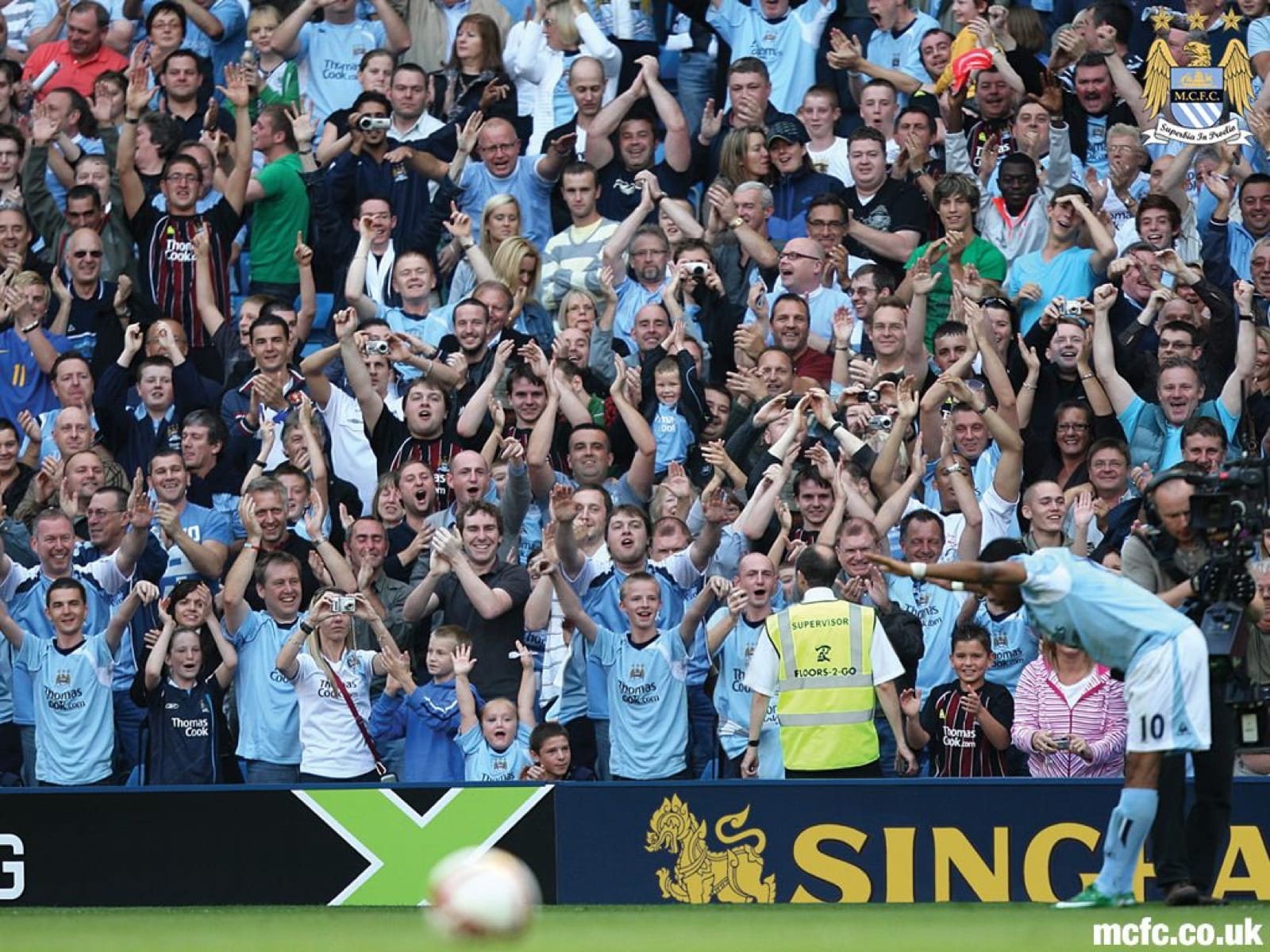
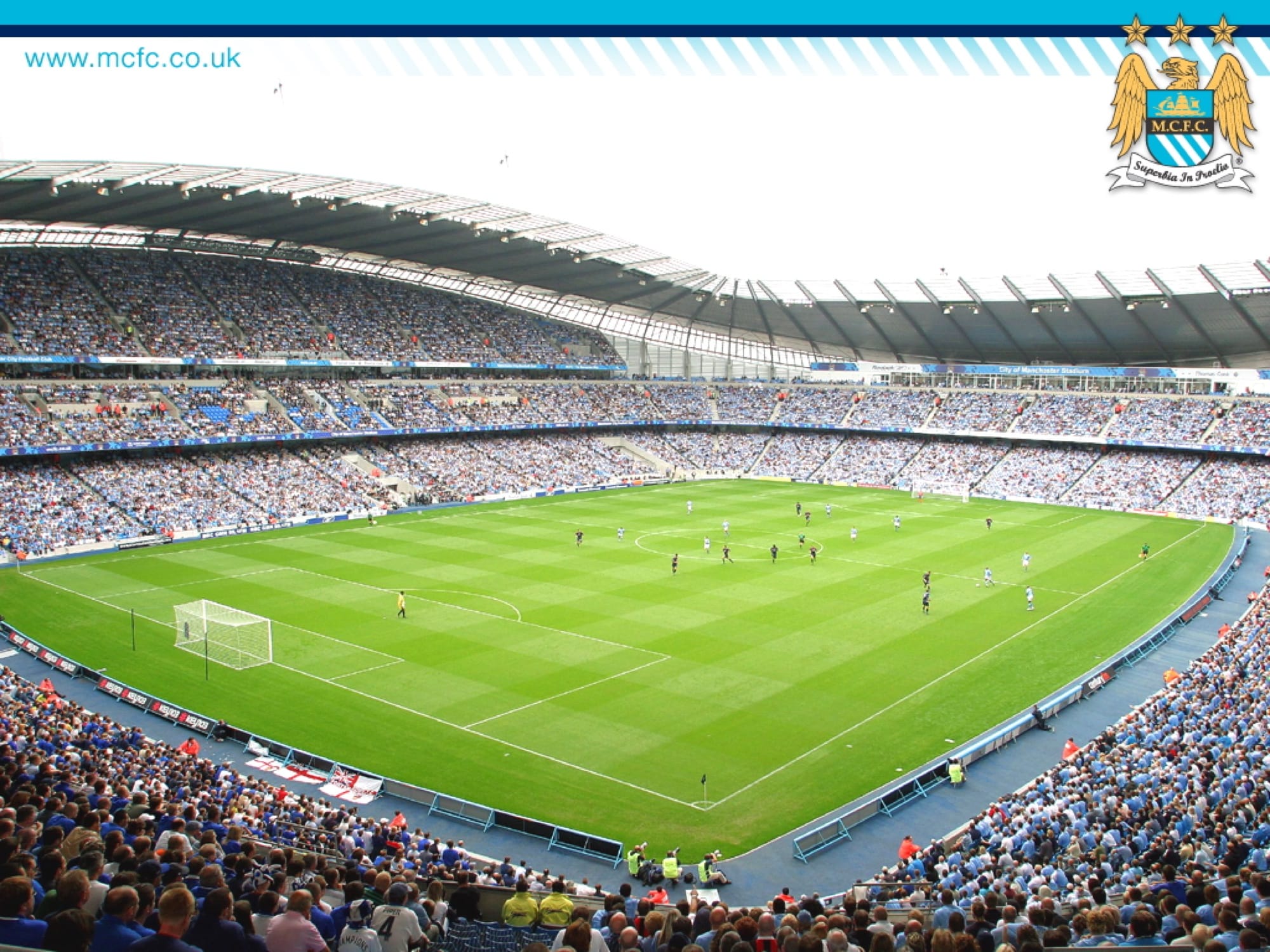
Hughes might have been right, albeit only for the short term. Man City’s stadium, The City of Manchester Stadium, saw a rare sellout of tickets, and that game was the game to be watched, for a fair amount of reasons. Shaun Wright Phillips, Man City’s prodigal son, had been bought back from (yes, you guessed it) Chelsea, to whom he left to in 2005, and was set to start against his former club. Former Real Madrid and Brazil star, Robinho, was set to make his debut for Man City, against the team that came so close to signing him that they had already started selling replica shirts with his name printed on the back.
The game, however, was not about any single player. It was a clash between the nouveau riche (Man City) and the not-so-nouveau-riche-anymore (Chelsea). It was a game that highlighted the changing nature of the English game, where history and tradition is now being out-muscled by the dollar, giving credence to the notion that money does talk. Chelsea F.C’s recent history pays testimony to that, as it was bought by Russian billionaire Roman Abramovich in 2003, and have since won two League titles, two League Cups, an F.A Cup, two Community Shields, and, last season, were one penalty short of winning the most prestigious tournament in European soccer, the Champions League. All this, of course, after heavy investment and then record breaking transfer fees financed by Abramovich.
Chelsea, however, pre-Abramovich, was a team that regularly finished in the top four, and enjoyed more success and worldwide recognition than Man City did pre-Al Fahim. Other than lucrative contracts and promises of success and stardom, history and prestige carries its weight in luring top-class footballers, managers and coaches. None of this deterred Dr. Fahim, who, having masterminded Man City’s buyout for 400 million USD a day before the transfer deadline, was able to – in one day - snatch the highly rated Robinho from right under Chelsea’s nose, for an English record breaking transfer of 61 million USD. Even sweeter was that Robinho, on his debut, scored the opening goal of the game, curling in a deflected free kick right past Chelsea’s goalkeeper. Man City went on to lose 3-1, which, some might say, served as a reality check for some fans that got caught up in the hysteria surrounding the revolutionised club.
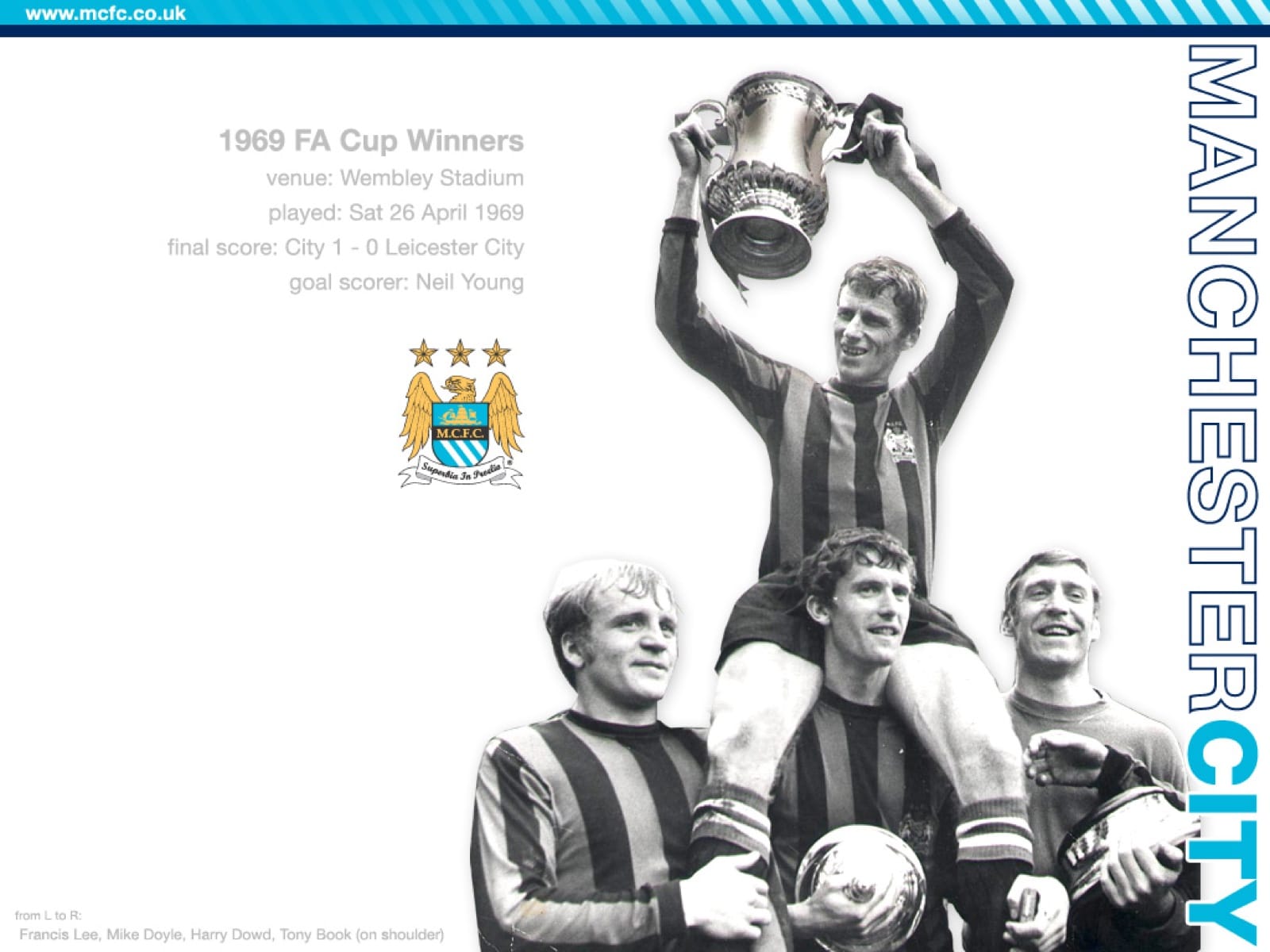
And a revolutionised club it is, to say the least. Dr. Sulaiman Abul Kareem Mohammad Al-Fahim was the architect behind Abu Dhabi United Group’s takeover of Manchester City on September 1st, 2008. The club was bought from former Thailand Prime Minister Thaksin Shinawatra, who, after being convicted of corruption charges back home, having some 800 million USD in assets frozen by the Thai military government, and seeking political asylum in the UK, was breaching the Premier Leagues on club ownership. He was forced into selling, and ADUG pounced on the opportunity, making Manchester City the richest club in the world.
Arabs buying into sports is nothing new. In 2004, it was announced that Arsenal F.C’s new stadium would be named Emirates Stadium, for at least 15 years, after a 200 million USD deal had been struck between the two parties. In 2005, Mubadala Development Company, owned by the Government of Abu Dhabi, bought a five per cent stake in Ferrari, for a reported €114 million. Ever since ADUG’s takeover of Man City, rumours have been circulating that Dubai International Capital, previously linked with Liverpool F.C, is now looking into Newcastle United, another Premier League club in need of some heavy investment. Al Fahim’s involvement in the sports industry doesn’t end with Man City; he has sponsorship deals with Dubai Sports Television, a Costa Rican soccer team, and the German Bundesliga, and is also building a soccer stadium in Abu Dhabi with Italian soccer giants Inter Milan.
Why all this Arab investment into sports, and namely soccer? Well, primarily, soccer is the most popular sport in the Arab world. Ironically, most Arab soccer fans hold loyalties to European teams and know nothing of their local leagues. The broadcast rights for the biggest European leagues are shared amongst ART, Showtime Arabia, and Al Jazeera Sports. Soccer is a very lucrative industry; Manchester United, the most successful English club in recent history, released net profits of 116.4 million USD last year alone.
Manchester City is still miles behind Manchester United, and yet, that might not be the case for long with Dr. Fahim on board, and with an estimated transfer kitty of 450 million USD allocated for the next two years. To date, bids for players all around the world have been made, totalling an astounding 300 million USD. Whether Dr. Fahim will be able to convince the players in question to join his revolution is another story. Whatever happens, history is being made in Manchester.