What comes after the Octo?
The Octo has become a prominent line for men. The Finissimo came out last year and made it a real pillar - this year we launched the platinum version. It’s a watch that stands out because it expresses the elegance of design. This year, we are also introducing other small complications.
How do you balance between producing high jewellery and high complications in watches?
Jewellery will always represent our roots but with watch collections like the Serpenti or the Diva, we are pushing to interpretations of watches that are based around jewels. Even if you take the Lucia watch for instance, it has a lot of details and gems; you will always find one on its crown.
How would you differentiate the men’s watches from the women’s?
The main difference has to do with refinement and quality. Although our male clients are hooked by a certain aesthetic, a contemporary look, they want it combined with a quality movement inside.
The watch category is a technical one and yes, women are looking for credibility, added to the allure of being a jewellery brand. We aren’t addressing women’s watches as the downsizing of men’s. We make them especially for women - if a woman wants a man’s watch, she can of course buy one.
So, who are the men who buy Bulgari watches?
I would say it isn’t someone who is a watch freak but someone with a sensitive understanding of luxury, an aesthetic drive for Italian taste. It is also someone who has a certain level of reassurance of the technical aspect and understands craftsmanship.
Does Bulgari follow trends?
We prefer to start our own. On the one hand, we are an Italian brand and therefore, exuberant, this plays out in the vibrant colours we use and the joy of living, the Mediterranean lifestyle. On the other hand, there’s Geneva’s understated elegance, its Calvinist approach.
We are designing things today which 10, 20, 30 years from now, will still be seen as contemporary. It isn’t the expression of tradition, it doesn’t have this dusty look yet it is also timeless and fits contemporary tastes.
After already having incorporated Daniel Rothe and Gerald Genta into Bulgari, do you have any other vision for growth?
Well, after five years of integration, we can no longer speak of them as separate brands. If you look at this Octo here, yes it is a Genta case but Bulgari is taking it to another level, it’s the way Bulgari treats it.
What’s your favourite watch by Bulgari?
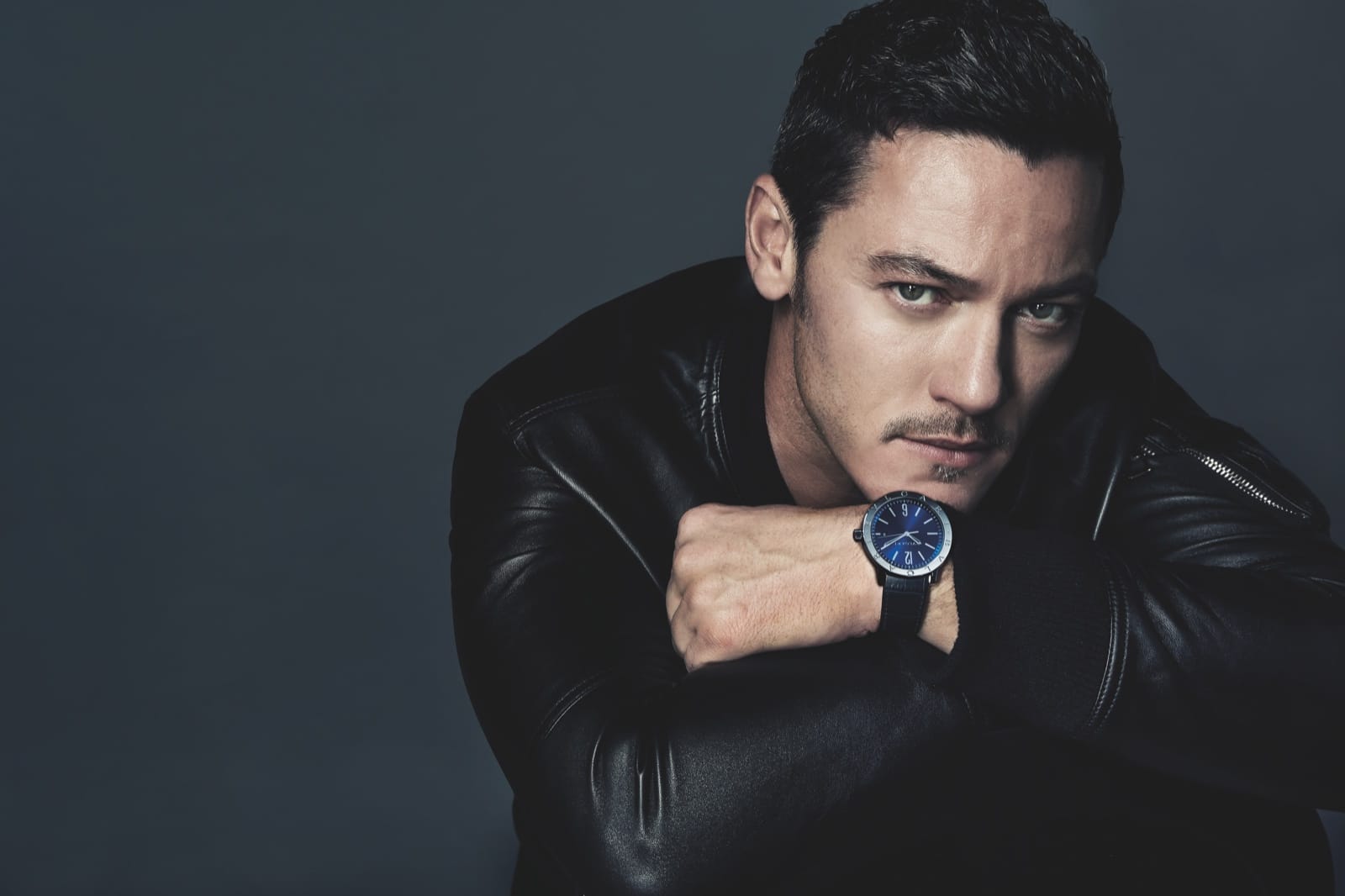
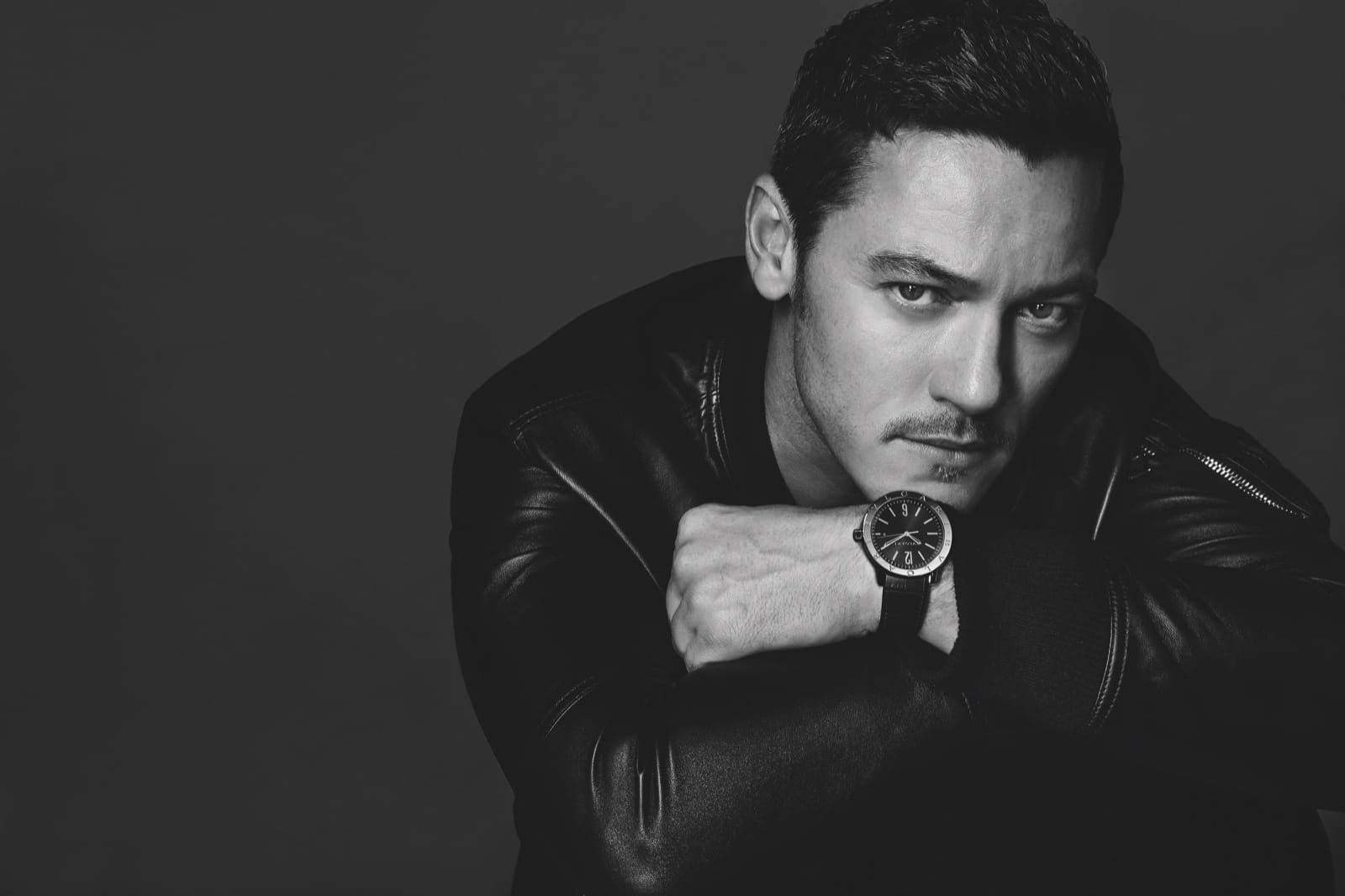
It’s still the Octo with the yellow gold and black dial. I like the Finissimo but I would never wear it with shorts for instance; it’s not meant for everything. This Octo has a deepness to the dial, you could say it is the 3-dimensional version of the Finissimo. It is the way it is designed though because the finissimo actually has the same height, it just looks much thinner. It’s really a haute horlogerie piece and has the same movement as the Bulgari Roma, which represents the first time in history that a logo was used graphically, in 1975, when it was engraved on the bezel.
The Roma is an example of how Bulgari starts trends by deciding to do something as disruptive as this. Probably if it weren’t for us, then logomania would never have happened. It originated from the emperors of Rome, who wanted to emboss their name on coins, with ‘Rome: capital of the world’ printed underneath. You know from our history, that the first 100 Roma watches we developed from this collection were gifted and in our new launch, we will do the same for our VIP clients. It has this contemporary-timeless look that I really like.