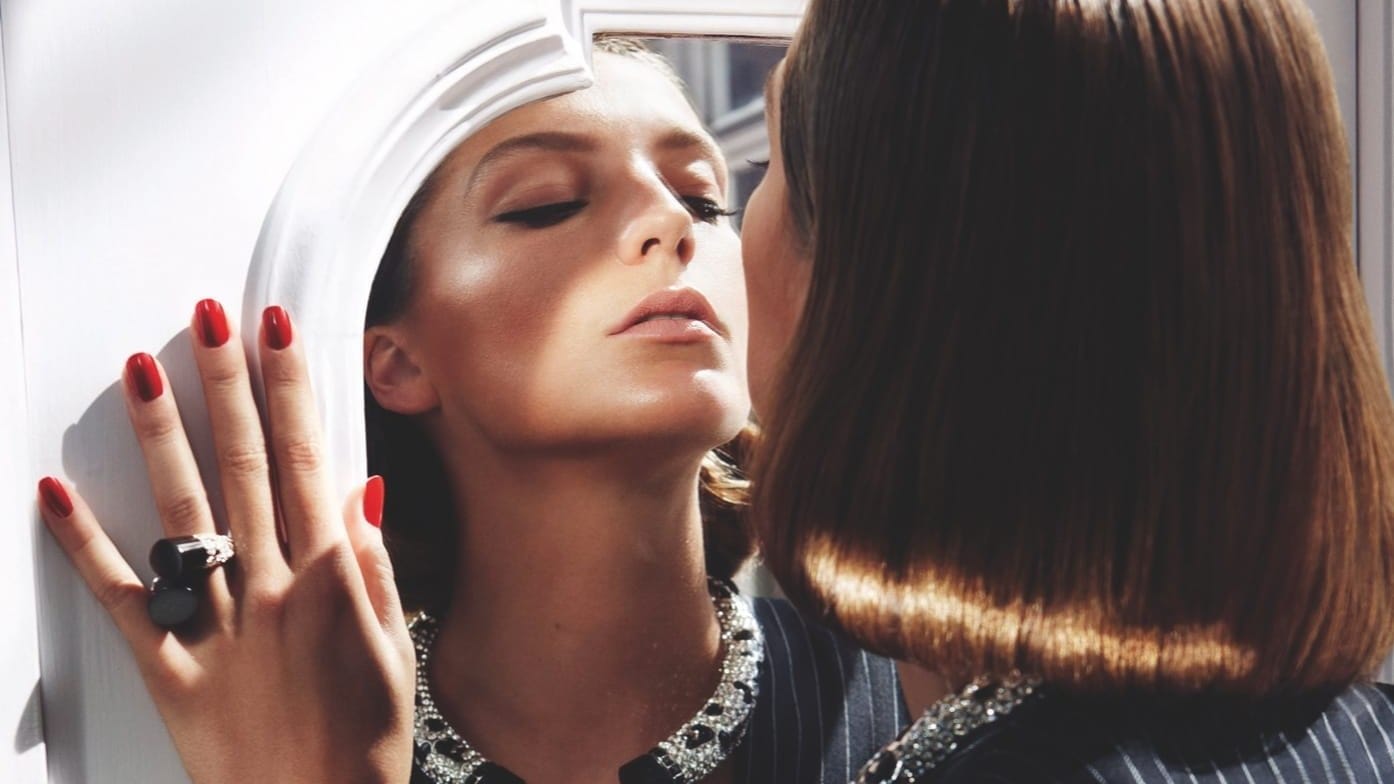
Long-term brand success is a bit of a paradox: constant self-invention while maintaining core values. Creative director Massimiliano Giornetti explains how Ferragamo does it.
We begin, inevitably, at the start. Properly known as Salvatore Ferragamo, the company is named after the man behind the magic, a Florentine who made his first pair of shoes for his sisters at the modest age of nine. By 1923, the 25 year-old Salvatore, now resident in California, had taken over the Hollywood Boot Shop and become known as the “shoemaker to the stars.” One of his most celebrated creations the Cage Heel, is still used as the model for creating shoes both easy on the eye and kind to the foot. In 1927, missing home, Ferragamo returned to Florence, home to his company’s headquarters ever since.
Giornetti attributes tremendous importance to the influence of a founder as inspiring and creative as Ferragamo. It is of such stuff (in Shakespeare’s sense of the word) that not dreams but true brand essence is made. Ferragamo’s “absolute genius, his creation of masterpieces that left their mark on the history of footwear,” as Giornetti has put it, set the company’s standards incredibly high. Not that Giornetti would have it any other way.
“Salvatore had an unusual, highly personal feel for colour that worked well with the spirit of experimentation with which he approached every project for a new shoe.”
Ferragamo’s choice of materials was equally eclectic. Even in the midst of the Second World War Ferragamo was able to turn the era’s restrictions and rationing to his advantage, using materials from calfskin and sweet wrappers to fish skin and even fishing line to make his shoes. This last burst of genius won him a Neiman Marcus award in 1947 for the creation of his renowned Invisible Sandal.
“The essence of his creations cannot be understood at first sight,” emphasises Giornetti, a statement that, in light of the fishing line shoe, might have especial pertinence. “Salvatore was not after ‘easy’ beauty; he preferred the slow game of seduction that reveals the intimate secret of a shoe bit by bit.”
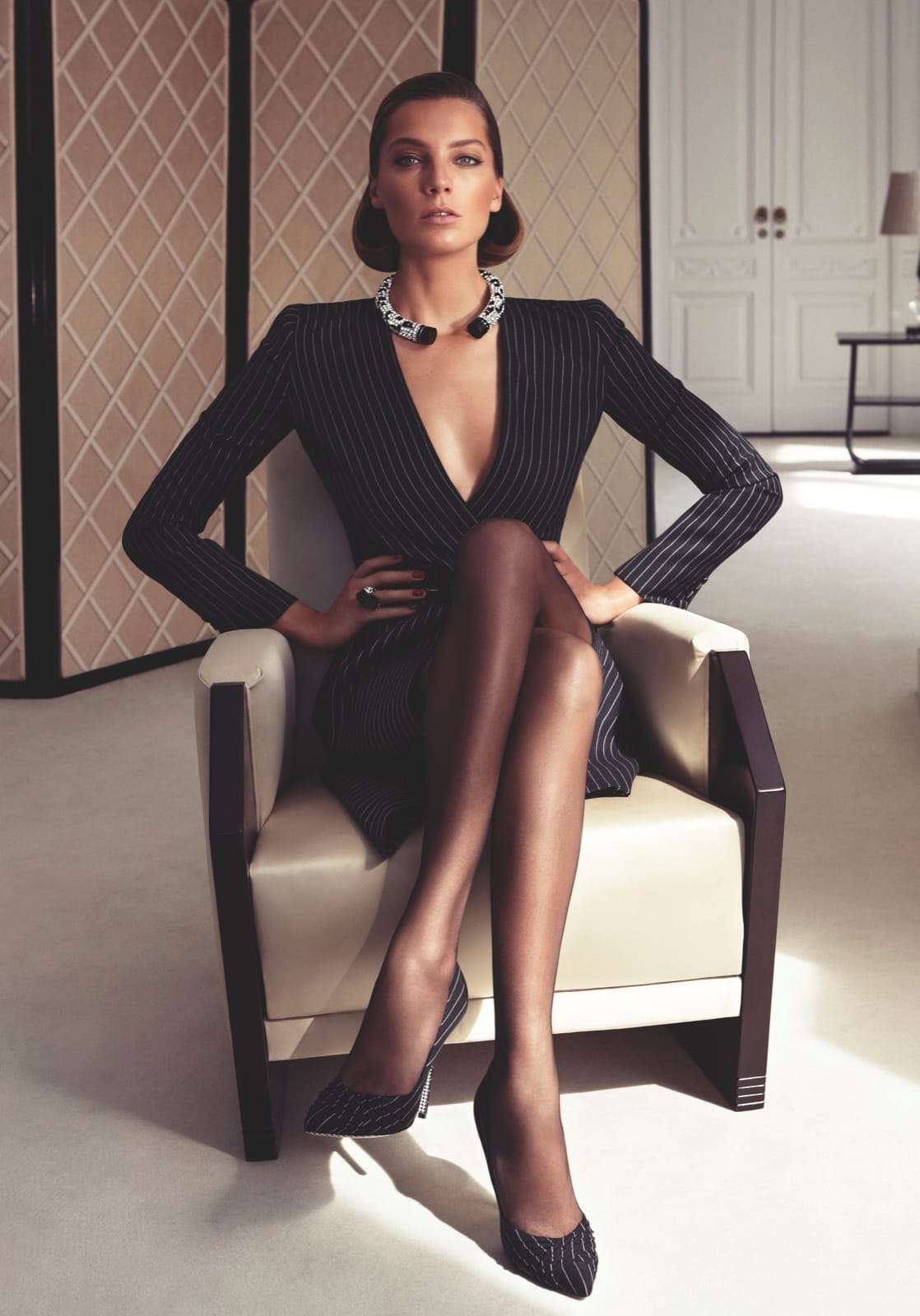
Certainly central to Ferragamo’s vision, then, was his adoration of the foot. He refused to be content with shoes that, though easy on the eye, were painful to wear. He studied anatomy at the University of South California in order to bring to his shoes an essential factor: wearability and the centre of his universe was the female foot, rather than the shoe. Giornetti explains that as a result, wearability will never be subordinated to pure aesthetic value.
Beauty as the result of a perfect balance between form and function were and are the brand’s ultimate goal. Ferragamo’s love of experimentation and freedom of expression continue today and might in fact be one way of defining his company’s essence. Giornetti agrees, stressing his absolute respect for the brand’s tradition and history, which for him is key to maintaining what it is that makes Ferragamo Ferragamo.
“I have never dreamt of distorting the brand image in any way. I only wished to focus it, to convey the idea that function is in perfect harmony with beauty, form with substance, creativity with craft, a philosophy in which aesthetics sits comfortably with wearability. I just added a touch of glamour and sophisticated elegance.”
Adaptation is, after all, necessary. Under Giornetti’s creative direction, the company has managed to bridge the tricky gap between its Florentine heritage and a very 'global' modern world. “The status quo in the world of fashion has changed a lot recently,” he says. “Only a few years ago, designers could still choose to live in their ivory towers and dictate trends that consumers would follow slavishly. It’s not like that anymore. Consumers have changed a lot, going from fashion victims to fashion conscious.”
It’s an important distinction to make. Nowadays, fashion companies have to understand the trends and respond, or even anticipate them, rather than dictate them from above. Fashion has become a fast moving thing.
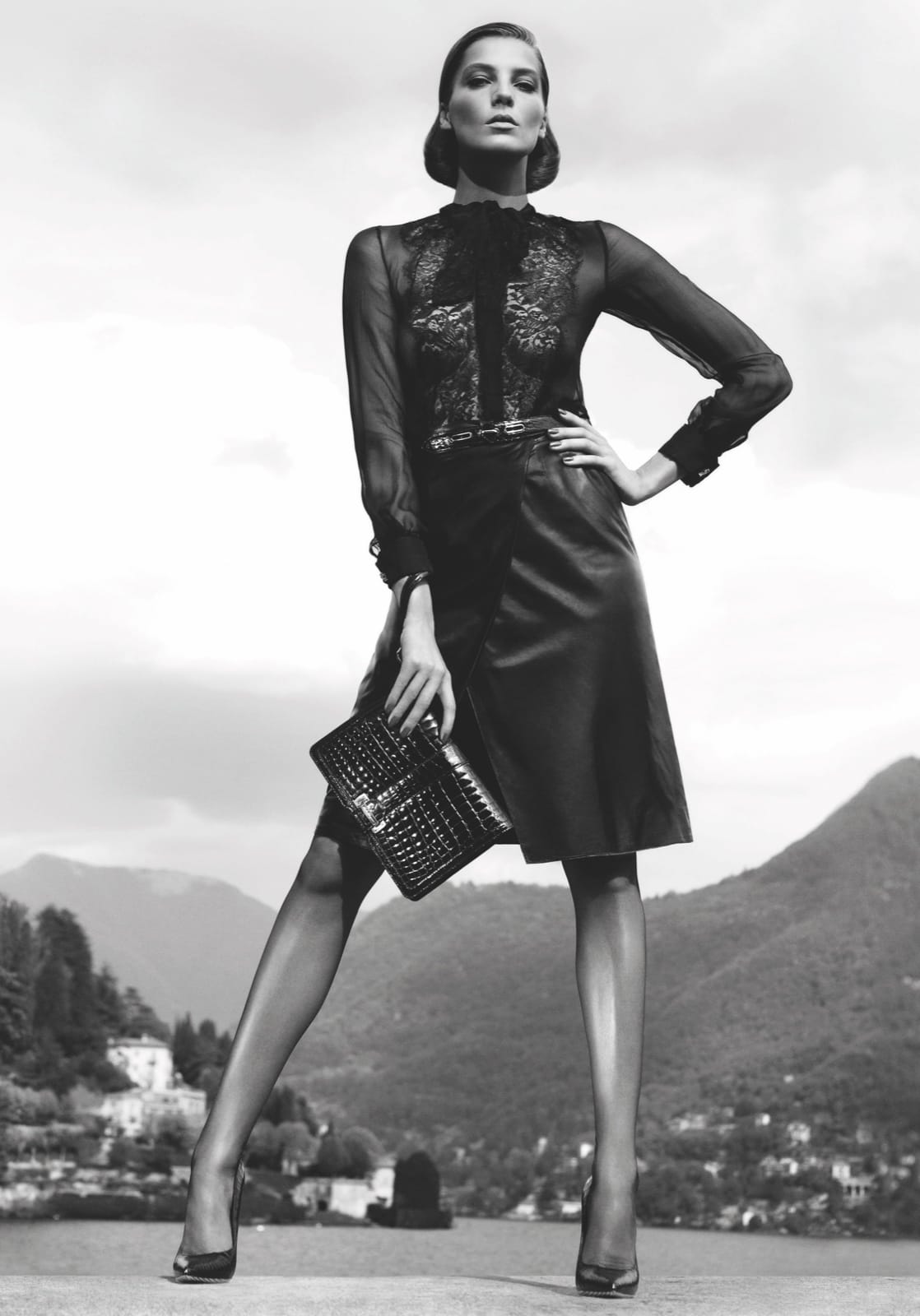
This, too, is an essential part of the success of brand Ferragamo. In a world where fashion has become democratised, companies have to keep up with progression on a global scale and redefine their brands accordingly. Ferragamo has undoubtedly become more mainstream, no longer exclusively the haute-couture brand for the stars that it was eight decades ago. Giornetti describes consumers today as expecting an excellent quality-price ratio, paying more attention to detail and always looking for ever-growing levels of personalisation in the things they buy.
“Uniqueness,” he says, “has become luxury’s new frontier. After years of everyone dressing identically, thus standardising tastes and passions, of people paying a fortune for garments that had no real, intrinsic value beyond that of fashion for its own sake, today’s customers are willing to invest in solid things that will accompany them season after season and can be rediscovered, even years down the line, and updated in new combinations.”
Even though being mainstream is no longer a byword for being mundane but rather has come to mean respected, coveted and exalted, the company hasn’t forgotten its glittering origins. Ferragamo began life as a shoemaker to the stars and still retains close ties to celebrities - Freida Pinto, Angelina Jolie, Eva Mendes and Madonna are just a few of the brand’s loyal customers – and of course, celebrities help create brand awareness.
"Bonding with celebrities is undeniably part of our DNA,” Giornetti continues. “However, I don’t design collections especially for celebrities. It’s the celebrities who come to the brand, attracted by our collections in a perfectly natural way.”
Whether she is a celebrity or not, it is with what Giornetti refers to as the “Ferragamo Woman” that the brand designs.
“The Ferragamo Woman is elegant and sophisticated with her very personal sense of style. She chooses what to wear independently with great taste and resolution.” Above all, she is “a real woman”, one with a private and professional life, who “doesn’t live on the red carpet” even if she does love “treating herself to little daily luxuries, perfectly tailored clothes that lend her a very personal sense of wellbeing”.
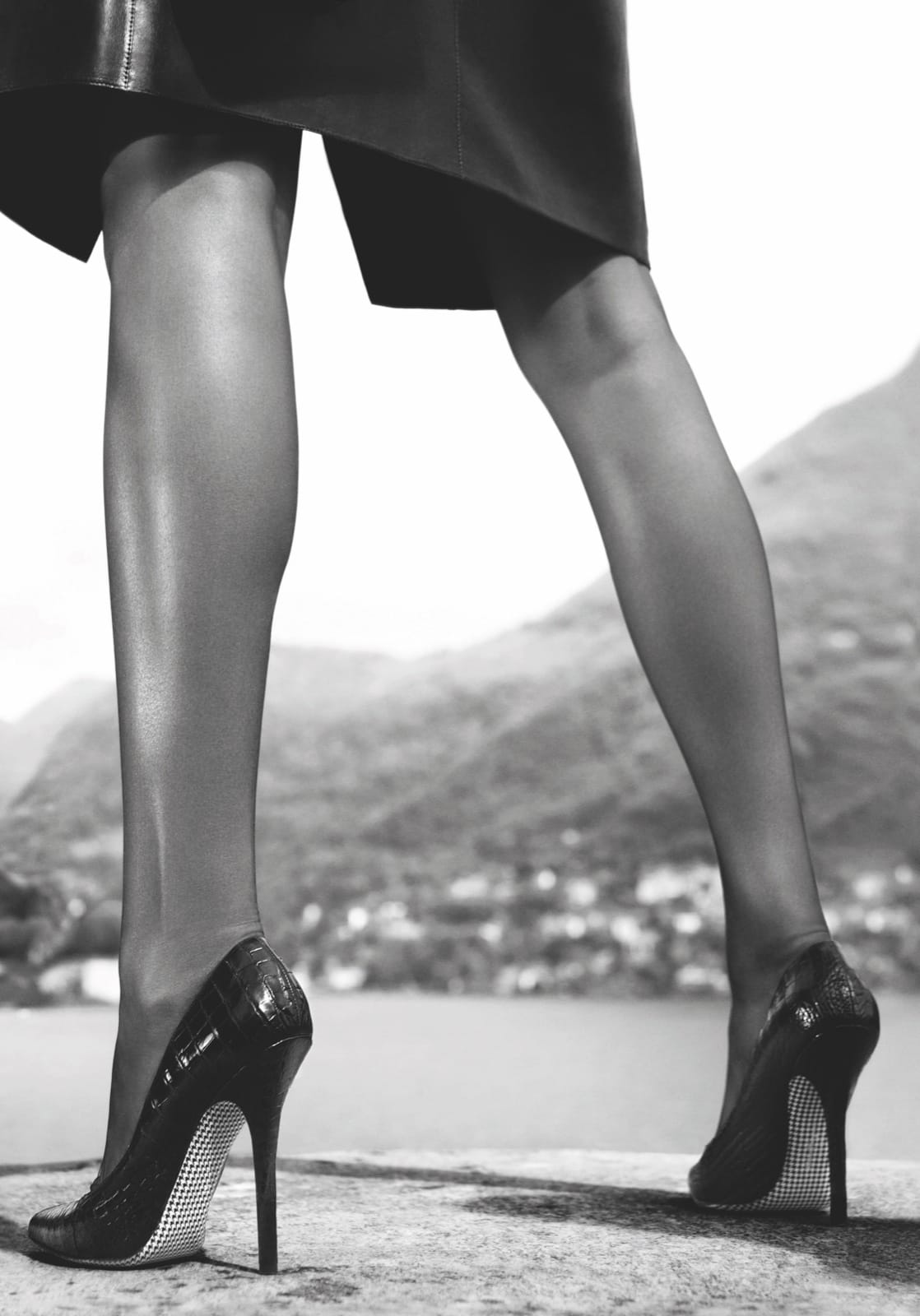
In an era of gorgeous, gravity-defying but sometimes cripplingly uncomfortable shoes, Giornetti defines the Ferragamo difference as “creativity and passion for traditional craftsmanship, a conception of elegance that is strictly dependent on wearability”. It’s not about aesthetic abstractions of beauty or clever meditations on the cruelty of women’s shoes, it’s about being able to walk around all day in a pair of beautifully-made shoes that make you look elegant and feel fabulous.
To pin it down, though, the consistency and success of brand Ferragamo - its essence, if you will – where does that lie?
“Salvatore Ferragamo is famous for clothes and accessories whose main characteristic is timeless beauty, with absolutely contemporary line, cut and form, but made to the strictest criteria of sartorial tradition and craftsmanship, backed by continual development of innovative, top quality fabrics and materials,” the creative director explains. “Every single product must be in line with the company’s philosophy, it must be an object which encapsulates, as if in a microcosm, all the beauty and poetry of our culture.”
That’s quite an answer. But then Ferragamo has proved that it’s quite a brand. Where others still have trouble defining what it is that makes them what they are, the late Salvatore Ferragamo can rest easy in the knowledge that his inheritors not only understand the essence of his brand, they are taking it from strength to strength.