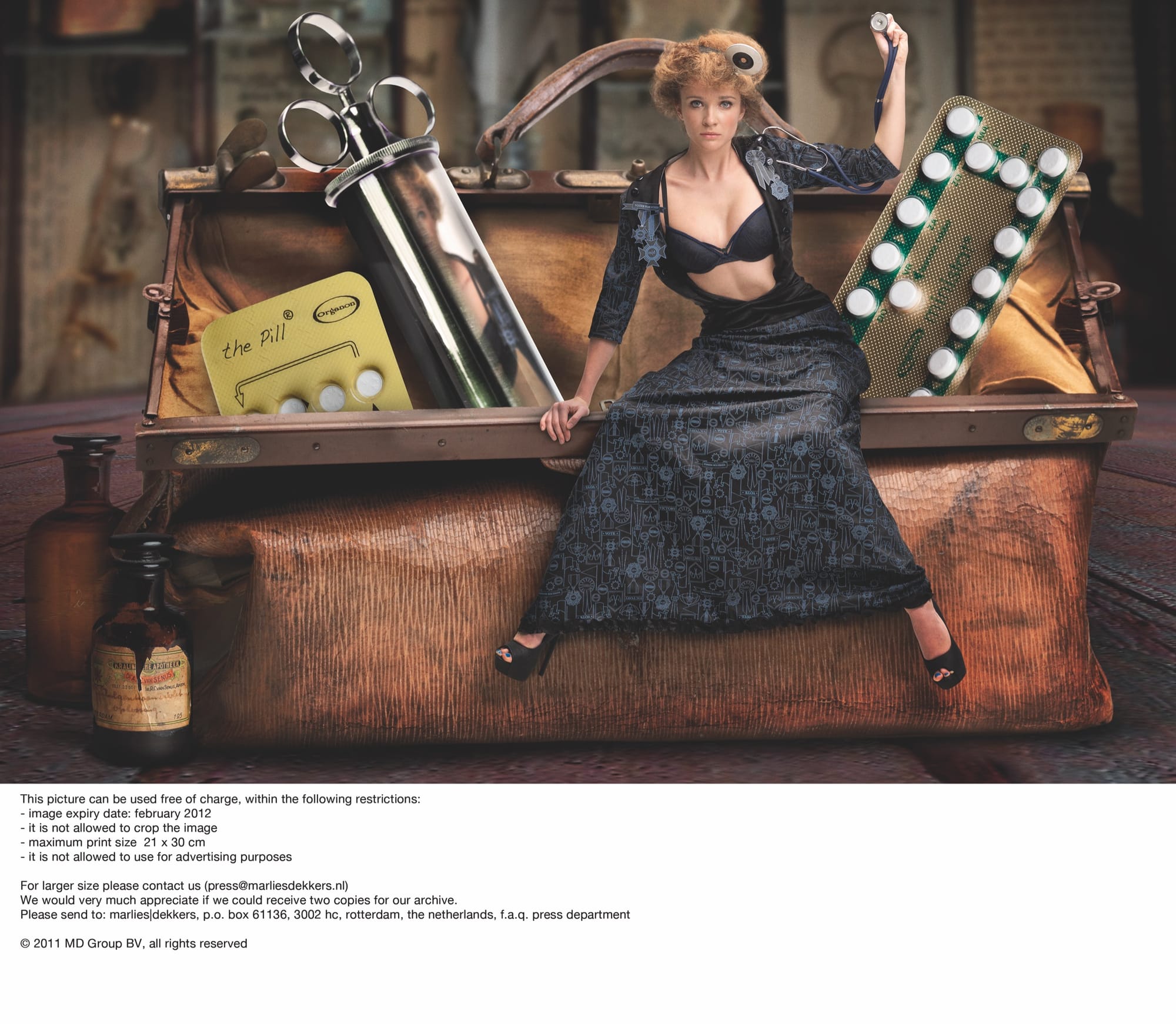
Nowadays, it has even been developed into a game theory; a two-player game where one participant represents the female mindset and the other is the male. With the benefits of supposedly stimulating a husband and wife, the basis of which centres on the husband preferring one activity (boxing) and the wife another (opera), the only premise is non-cooperation or non-communication and each partner has to guess what the other has acceded to. Money can be burned, but that will change the options (how significant.) Did they agree to meet at the opera or at the boxing match? What is the probability of having reached a compromise?
In the words of jeopardy: what is the battle of the sexes. Even today, with all the fight for gender equality, very few members of the opposite sex will meet you halfway. And that’s despite all the efforts at levelling the playing field. In the West, the suffragettes burned their bras and there was a sexual revolution. In the East, women have been removing layers and layers of oppression by changing the laws and combating patriarchy, enforced veiling and religious laws that discriminate against women. Yet, the fact remains: men and women are still at odds.
The point is it has entered the realm of gender and notions of masculinity and femininity. The tensions are still there in our personal lives at home, and professionally. The war remains unabated. So now men in certain countries are entitled to paternity leave (to also encourage and recognise their role in child-raising) and women all over the world are getting higher salaries. But doesn’t a woman who makes more than her husband somehow compromise his sense of manhood? On the flipside, will a stay-at-home dad generate the same sense of respect from the community as he does his wife?
The differences are everywhere. The well-preened man is called a metrosexual. The woman who prefers to dress in a more masculine way is androgynous. Therefore however much you think that gender boundaries have been transcended, it is clear to see with these two prototypes that the very fact that they have to be categorised or labelled means man and woman or in-between man and woman, requires a new pigeon hole.
Today, even though we have reached a supposed better balance between the genders, it is still an intractable struggle, albeit one that lives on precisely because of this polarisation. The fact of the matter is, whatever the cliché reveals about what is a man versus what is a woman, centuries of the different socialisation of men and women have made these stereotypes just as intrinsic to the dispute. And we still have not been able to debunk them. Need some examples of how impossible this conflict still is? (1) If a man is effeminate, he must be gay. There is no way around it. (2) If a woman is not feminine enough and doesn’t subscribe to the basic grooming mechanisms of plucking eyebrows, grooming etc, she is not woman enough. (3) Women are not clear, when they say no, they mean otherwise. They are too emotional. (4) Men are not emotional or sensitive enough. And if they are not aggressive, then they are passive aggressive. (5) Women feel they are not getting paid monetarily or in kind for any housework they do. Men feel they are not getting supported enough to provide for the family’s income. (6) Men have destroyed the environment and militarised the world, and the women’s movement has destroyed the traditional family and it values. And it goes on and on. Conclusion: this is a battle no one can or will ever win.