It may be at the forefront of the contemporary jewellery world today but Tiffany & Co’s beginnings are rooted deep in history. Founded in 1837 by 25-year-old Charles Lewis Tiffany and John B. Young, the company began its life as a luxury stationery store. Doors at 259 Broadway opened on 14th September and total sales on the first day were recorded at 4.98 USD. Not bad for a business that‘s worth 9.7 billion USD today and with a share price that has risen 21.4 per cent over the past 12 months.
With annual revenues exceeding 3.5 billion USD - and steadily increasing since 2010 - 23 of the 200 boutiques the jewellery house operates are in the Middle East alone, looked after by a regional office in charge of operations in 15 countries across the Middle East, Turkey, Africa, East and Central Europe.
At the head of this 55-strong team is Laurent Cathala, Vice President of Tiffany & Co, Emerging Markets. Together with Chairman and CEO Michael Kowalski, he spoke to Bespoke about a legacy that continues to shine. “Our customers in the Middle East share the same passion and appreciation for the true beauty and quality of Tiffany designs,” he explained. “The Middle East is really such an important part of the world for Tiffany & Co. People here recognise beauty, design and quality and respect heritage, passion and craftsmanship.”
The company has challenged social norms right from the start. From its inception, prices were clearly labelled on every product (a practice that was not then the norm) in order to dissuade people from haggling over prices and the boutique only accepted cash (unlike other stores which accepted credit at the time). Tiffany & Co. has also rewritten the rules of jewellery itself. The engagement ring we know today was introduced by Tiffany in 1886. Previously, diamonds were set in bezels, so only the crown of the stone was visible but in Tiffany’s new version, the diamond was lifted off the band and held in place by a ‘claw’ that allowed light to pass through more easily. This maximised the stone’s natural brilliance, eventually making it the ‘default’ setting - a ‘Tiffany’ is also now the term used colloquially throughout the jewellery industry to describe any multi-pronged solitaire setting.
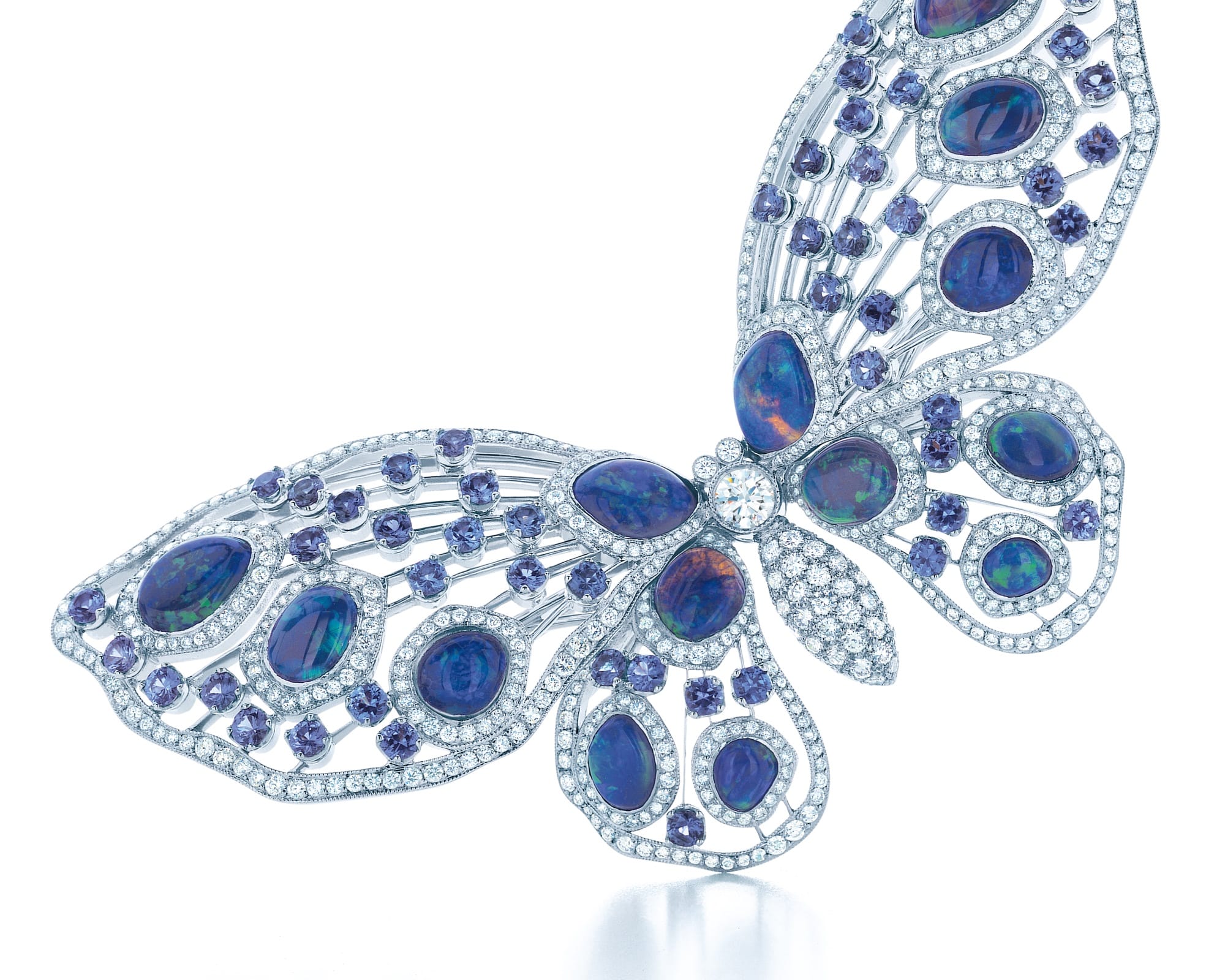
“Within the Middle East specifically, we enjoy strong sales of Tiffany Solitaire Engagement Rings”, continues Cathala. “The Tiffany Setting remains as popular today with our customers all over the world as it was when it introduced in the 1880s but in the Middle East, statement jewellery is also a popular choice, as well as Tiffany’s rare and strikingly beautiful yellow diamonds.”
As well as changing the way jewellery is designed, the company has also changed the aesthetics of the industry. As Tiffany and Young moved away from stationery and into jewellery, they also moved away from the then dominant trends of Europe, which were rooted in ceremonial patterns and Victorian opulence, and began to create pieces inspired by the natural world.
Apprentices in the burgeoning business were encouraged to draw inspiration from nature. A century later, when the legendary Jean Schlumberger joined the company, his own penchant for flowers, birds and ocean life helped crystallise Tiffany’s unique style.
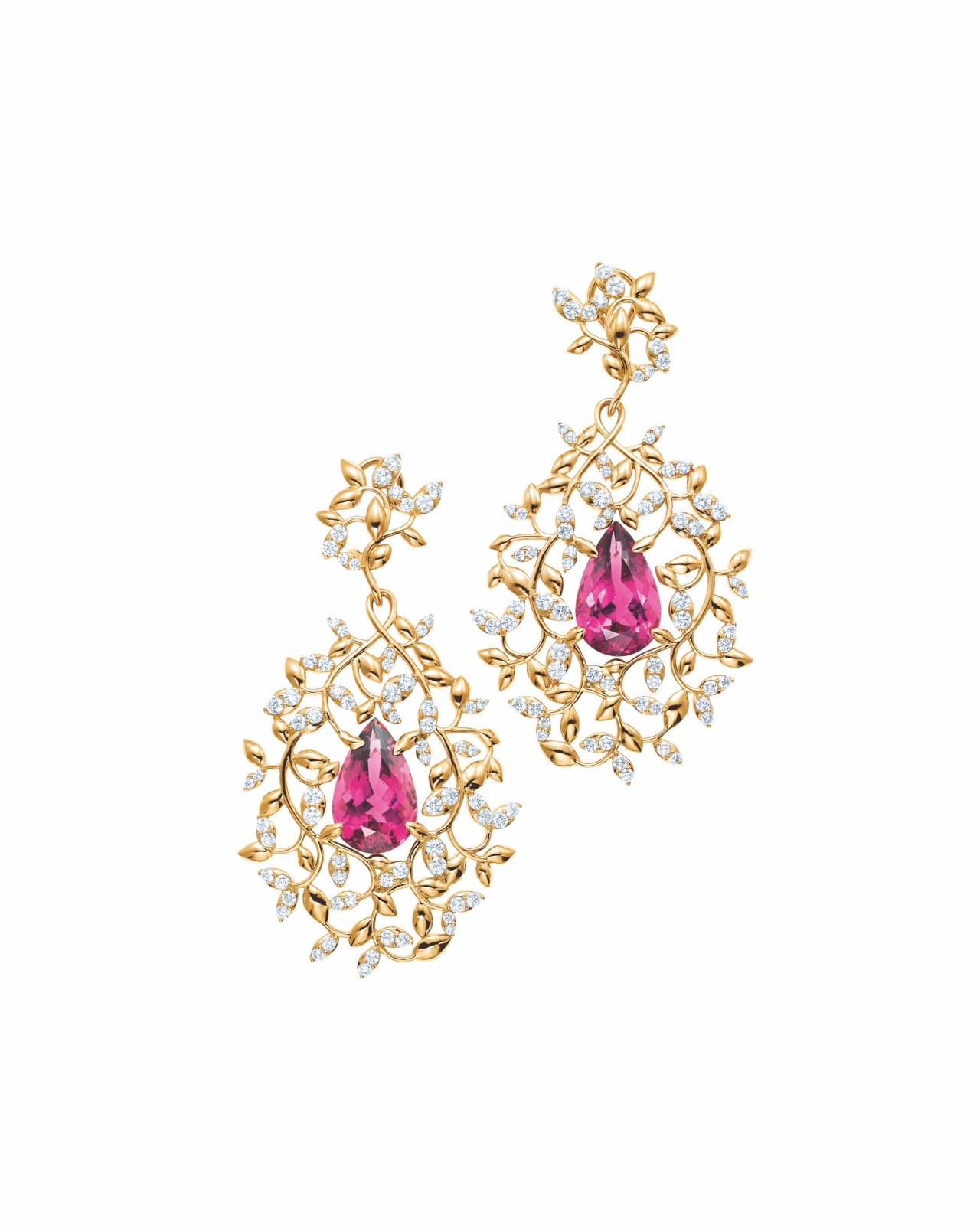
The company has welcomed a number of other visionary designers, including Elsa Peretti, who transformed 1970s jewellery design with her elegant simplicity and Paloma Picasso, who captured the zeitgeist of the 1980s with her bold designs. Both still work with Tiffany today, helping cement the house in its position as a leader.
Nor is the nature influence at Tiffany’s limited to its designs. By sourcing their precious materials from socially and environmentally-friendly sources, Tiffany does its bit for corporate responsibility. “Our position as a leader in the luxury jewellery market gives us the opportunity and the responsibility to conduct our business in a manner that is consistent with our core beliefs,” Chairman and CEO Michael J. Kowalski explains, “the protection of the environment, respect for human rights and support for the communities in which we do business.”
One key to Tiffany & Co’s success over the years is its commitment to quality and excellence. In 1878, it acquired the world’s largest and finest fancy yellow diamond from South Africa. The stone was cut, under the guidance of gemologist George Frederick, from 287.42 carats to 128.54 carats with 82 facets, giving birth to the world-famous Tiffany Diamond. Though rarely worn, it has made numerous appearances over the years - most notably on Audrey Hepburn when it was set in a necklace for the film, Breakfast at Tiffany’s - and now, it sits in its permanent place of honour in the company’s flagship Fifth Avenue store.
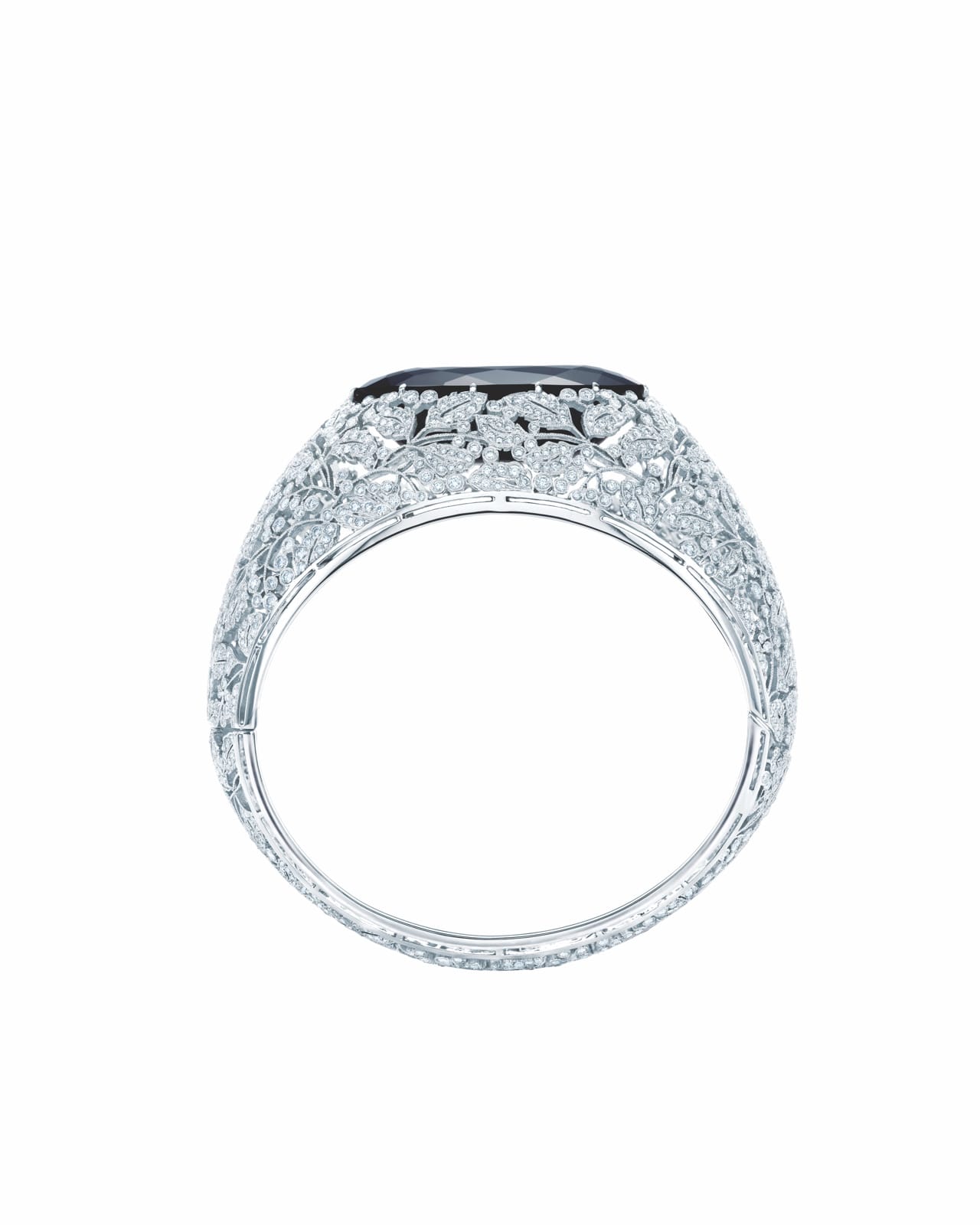
“Only two per cent of gem-quality diamonds meet our high standards,” continues Cathala, explaining Tiffany’s commitment to excellence. “Our grading of the 4 c’s – cut, colour, clarity and carat – is far more stringent than the industry, with a focus on sacrificing carat weight to maximise presence. This makes a Tiffany diamond simply the best there is.” No surprise then, that the company was appointed jeweller to numerous crowned heads of Europe, the Ottoman Emperor and, in its early years, the Czar of Russia.
“From the sourcing of only the finest gems and metals to our proprietary designs conceived to maximise a gemstone’s natural beauty and our bespoke pieces crafted by master artisans, Tiffany strives to create jewellery of exceptional beauty,” Cathala says, when I ask him why Tiffany & Co continues to lead the way in luxury jewellery. “The concept of perfection rests firmly on the strictest of standards that must never be compromised. No merchant, no institution, no manufacturer of any kind anywhere in the world is more diligent in adhering to the standards of perfection than us.”