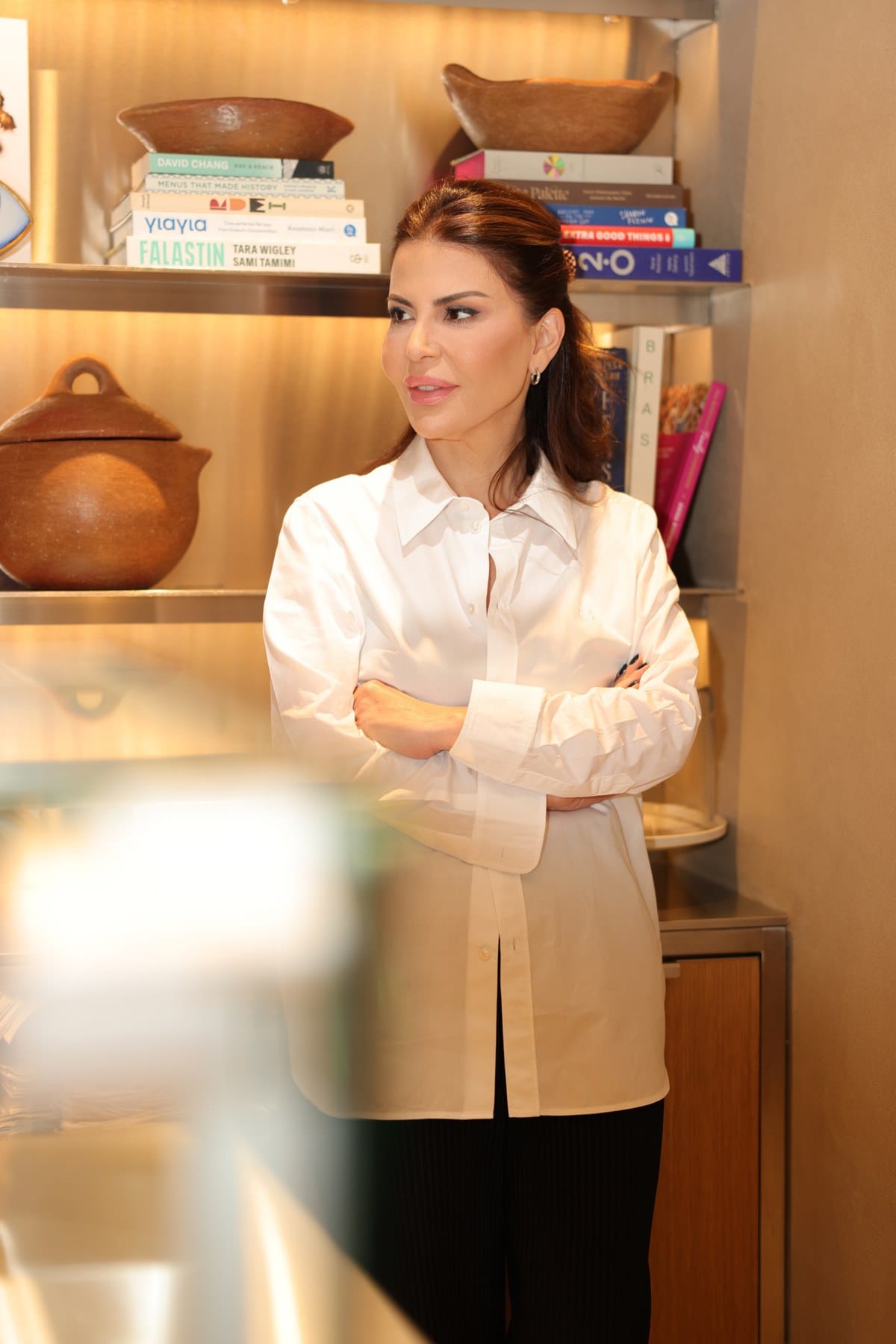
Born from a simple idea of homestyle Lebanese hospitality, Em Sherif has grown into an international phenomenon, combining authentic Levantine cuisine with both exceptional quality and exemplary service the world over. Founded by chef Mireille Hayek and now run by her daughter and chef Yasmina Hayek, alongside CEO Dani Chakour, what started as a family business has gone from strength to strength, becoming not only a benchmark for fine dining, but also an unexpected ambassador for Lebanese art and design.
“The idea of Em Sherif is my sister Mireille's idea,” Chakour tells us in an exclusive interview. “She is the mother of Sherif, so ‘Em Sherif’ is her nickname. She wanted a place where you feel at home; where you don't have a menu. You can just come in and eat what has been cooked for you. That's where the idea of Em Sherif came from.”
Em Sherif opened its doors in 2011 with its first location in Beirut’s charming Monot neighbourhood, where it immediately won the hearts of both local Lebanese and foreign visitors. The restaurant's concept revolves around offering guests a taste of home-cooked Lebanese meals, reminiscent of the warmth and hospitality found in traditional Lebanese households.
Mezze – an assortment of small, flavourful dishes intended for sharing between family and friends – is a cornerstone of the Em Sherif experience, as is the brand’s focus on fresh, locally sourced ingredients. The restaurant's ambiance is likewise designed to resemble a luxuriously appointed traditional home, with exacting attention to detail in both decor and furnishings, and that was done to evoke a sense of comforting nostalgia.
Recognising the immense potential that Em Sherif possessed but lacking the necessary funds to grow their portfolio alone, Chakour opted for a franchise business model, spearheading a rapid wave of expansion as the brand took the world by storm. Today, Em Sherif has 30 different locations across Lebanon and the world, from Cairo and London to Monaco and Istanbul. At the same time, the brand has continued to innovate, responding to the needs of their clientele.
“Before the embargoes and the economic crisis, tourists from the GCC would often come to Lebanon,” says Chakour. “We had a lot of requests coming from the GCC to open more restaurants over there. The first one came from [Emirati founder of Emaar] Mohamed Alabbar. He visited us at Em Sherif Monot, and he offered us a location at the Address Downtown hotel in Dubai. Now, we have become an institution there.”
“We are always trying to evolve and do things differently,” he adds. “When we started Em Sherif as the restaurant, it was fine dining with a set menu, but there was a lot of demand to have an Em Sherif à la carte option. That's where the idea of creating the Em Sherif Café came from, with a more casual dining experience. Later, we received requests for seafood, so we developed the Em Sherif Sea Café. We envisioned the Em Sherif Deli as something very scalable and easy to franchise. It turned out to be far more complicated than all our previous efforts but has become a stunning success with our viral tomato sandwich. We always try to answer a certain demand.”
Rather than seeking to compete against other Lebanese restaurants, Em Sherif’s strategy is set on carving out a place among the world’s most prestigious dining brands, regardless of their offering. This aspirational benchmark has been instrumental in ensuring the consistent quality of the experience delivered by the Em Sherif team, and the brand’s strategic placement and performance in key global markets underscores how successful they have been.
The brand’s commitment to excellence is maintained by meticulously reviewing and adapting recipes using local ingredients in every region in which Em Sherif operates, ensuring their flavours remain true to their Lebanese origins.
“In terms of my favourites, I always think of the locations that have raised Em Sherif to new heights,” explains Chakour. “With our partnership with Harrods in London, we entered the mall business at the most prestigious level. Monaco not only put us on the international map; it was the first Em Sherif restaurant to be listed in the Michelin Guide. My personal favourite though is the Em Sherif Restaurant Qatar on Al Maha Island in Doha because there we were put into the same venue to compete with some pinnacle brands like Zuma, LPM, Beefbar, Nammos and Carbone. The opening was a week before the 2022 FIFA World Cup,” he continues, “and the owners told us they were going to compile a report of the sales of each restaurant at the end of each day. This is where we panicked, because Lebanese cuisine tends to have a lower average ticket, but Mireille had the idea to introduce what we call the ‘produits nouveaux’ – the addition of expensive ingredients, while still maintaining the traditionality of our offering – such as the option to add caviar or truffles to certain classic dishes. We ended up being first, and even to this day we are still ranked first at that venue.”
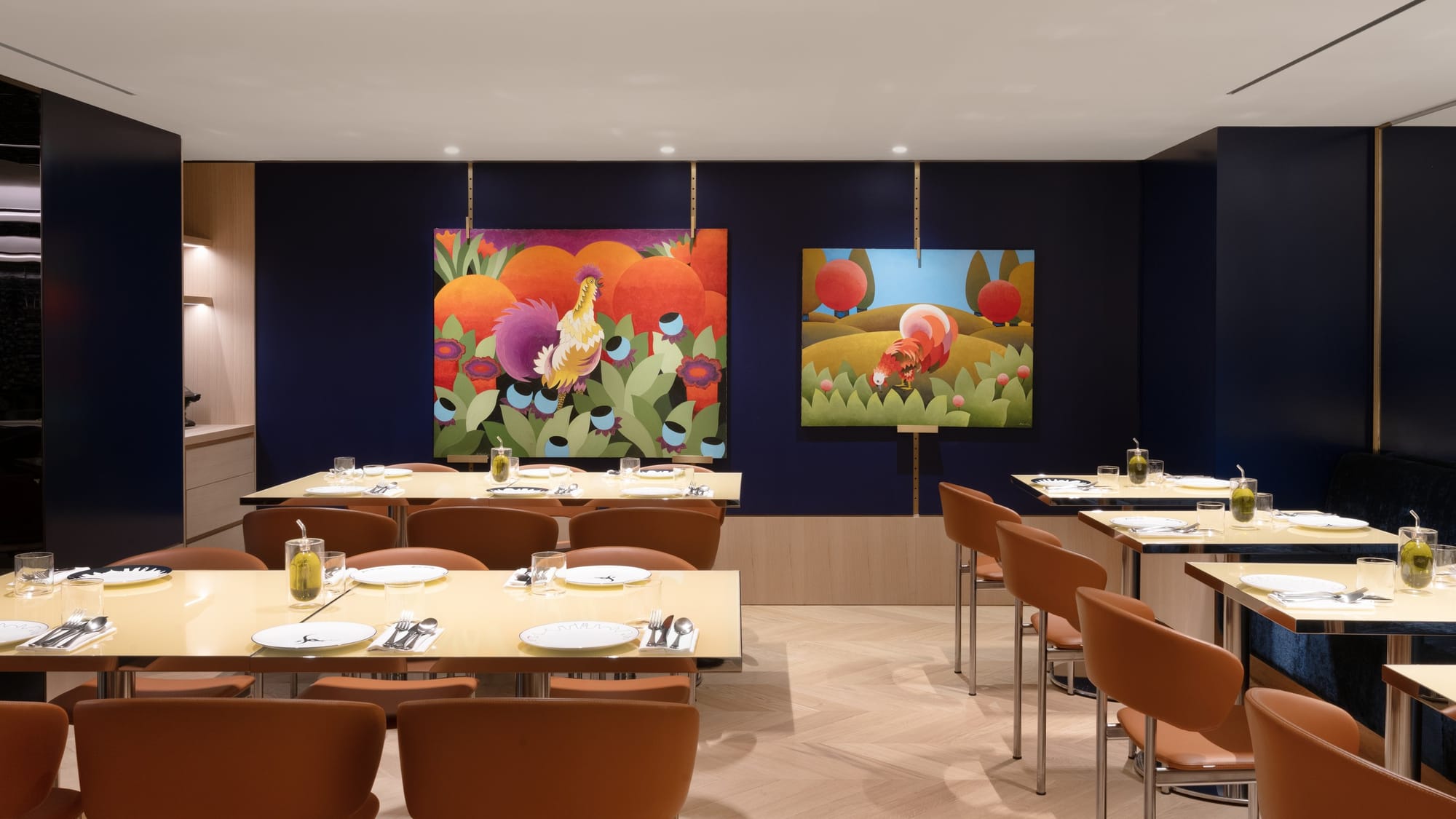
The brand’s newest location – Em Sherif au Musée, created in collaboration with Beirut’s iconic Sursock Museum – continues the theme of innovation, bringing together both Lebanese culinary heritage and art. The new location also builds upon the success of the Em Sherif Art Foundation, launched earlier this year; a celebration of Lebanese art, cuisine and design platformed on the global stage using Em Sherif locations across 12 international cities, reimagining restaurants as cultural hubs.
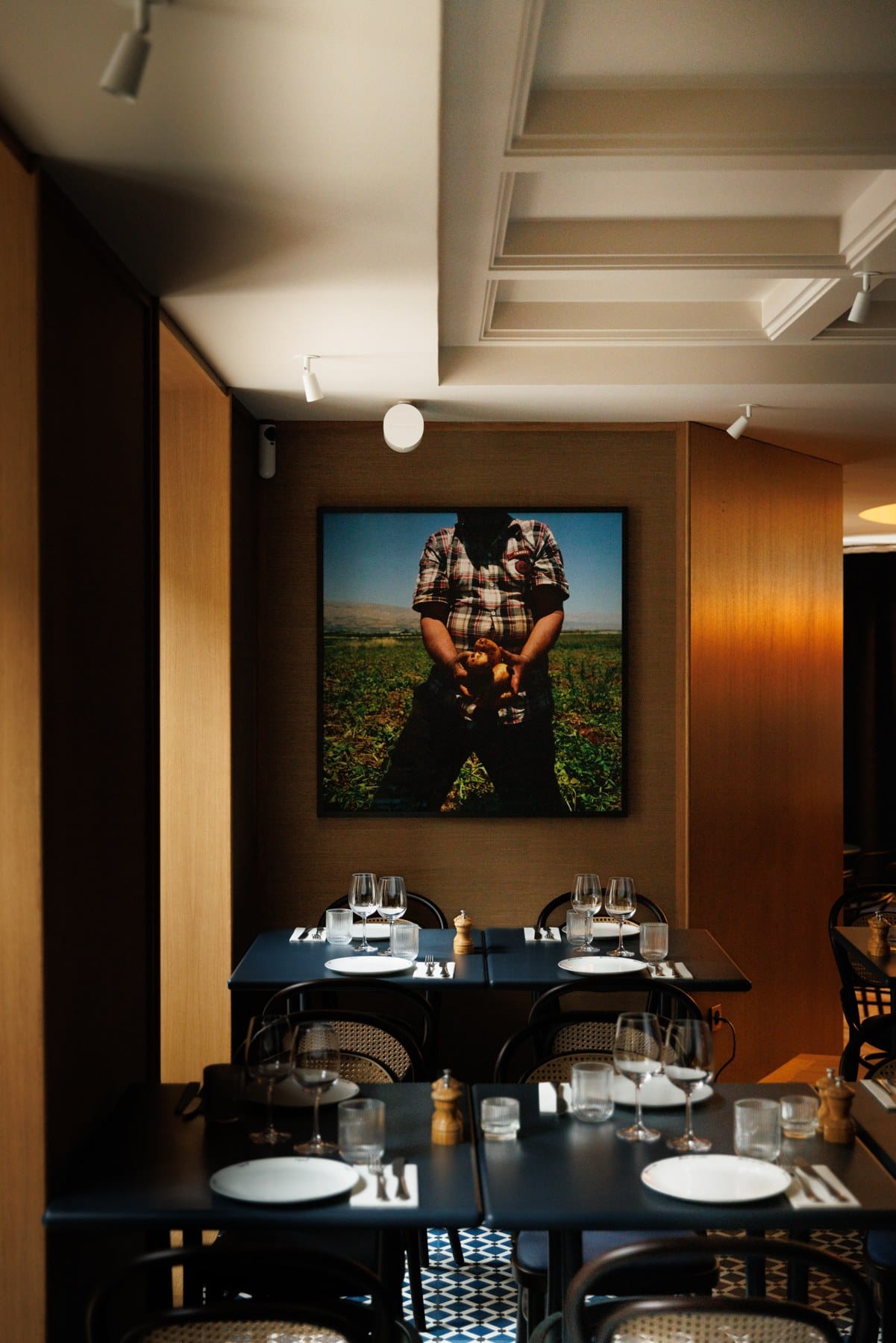
Curated by Sherif Hayek, Mireille’s son and long-time art collector, the non-profit initiative places artworks by Lebanese artists in an expanding list of Em Sherif restaurants, seeking to bring awareness to Lebanese artistic talents. Upon entering the eateries, guests are given an Art Menu alongside the usual ones, offering info about the artist and art on show.
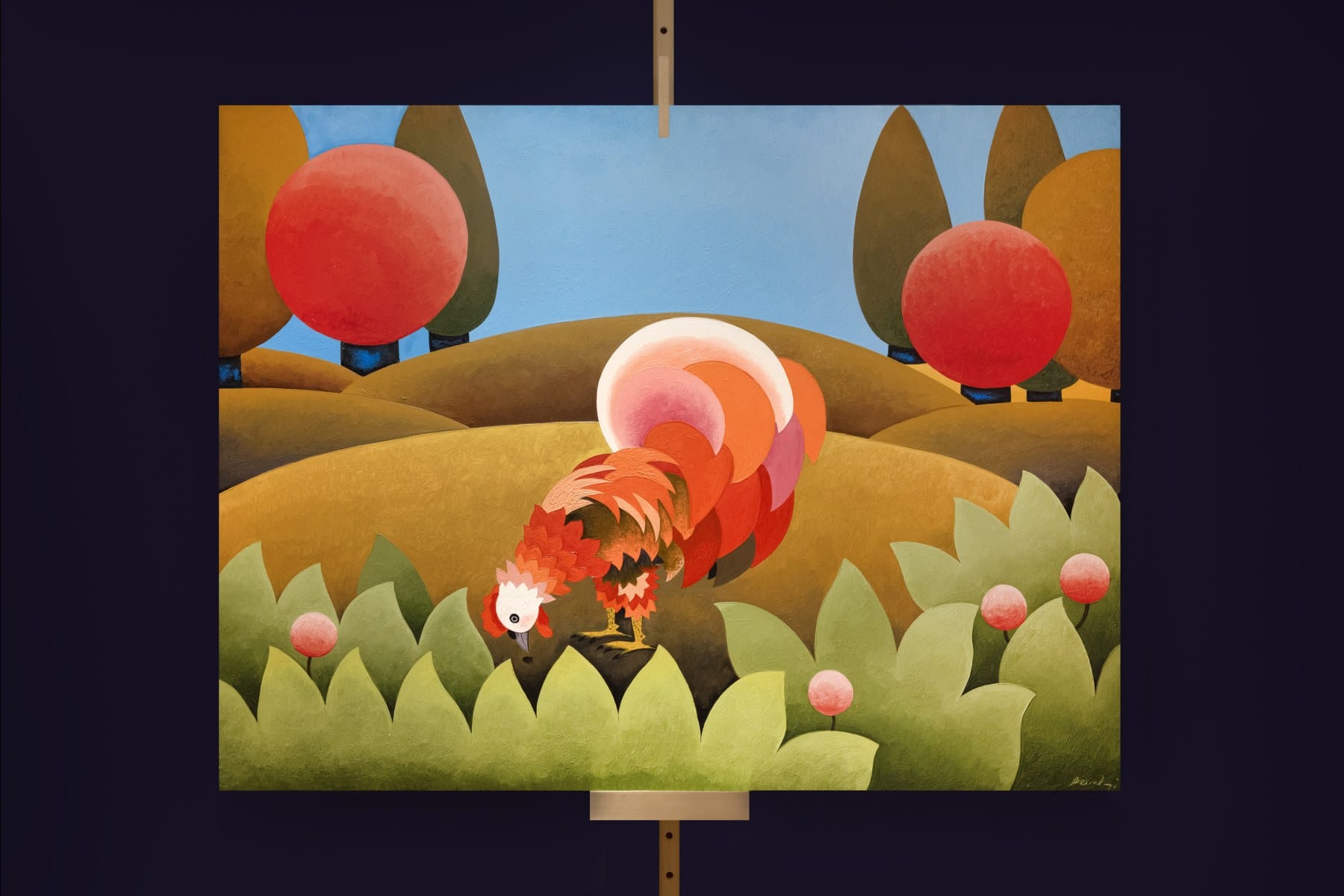
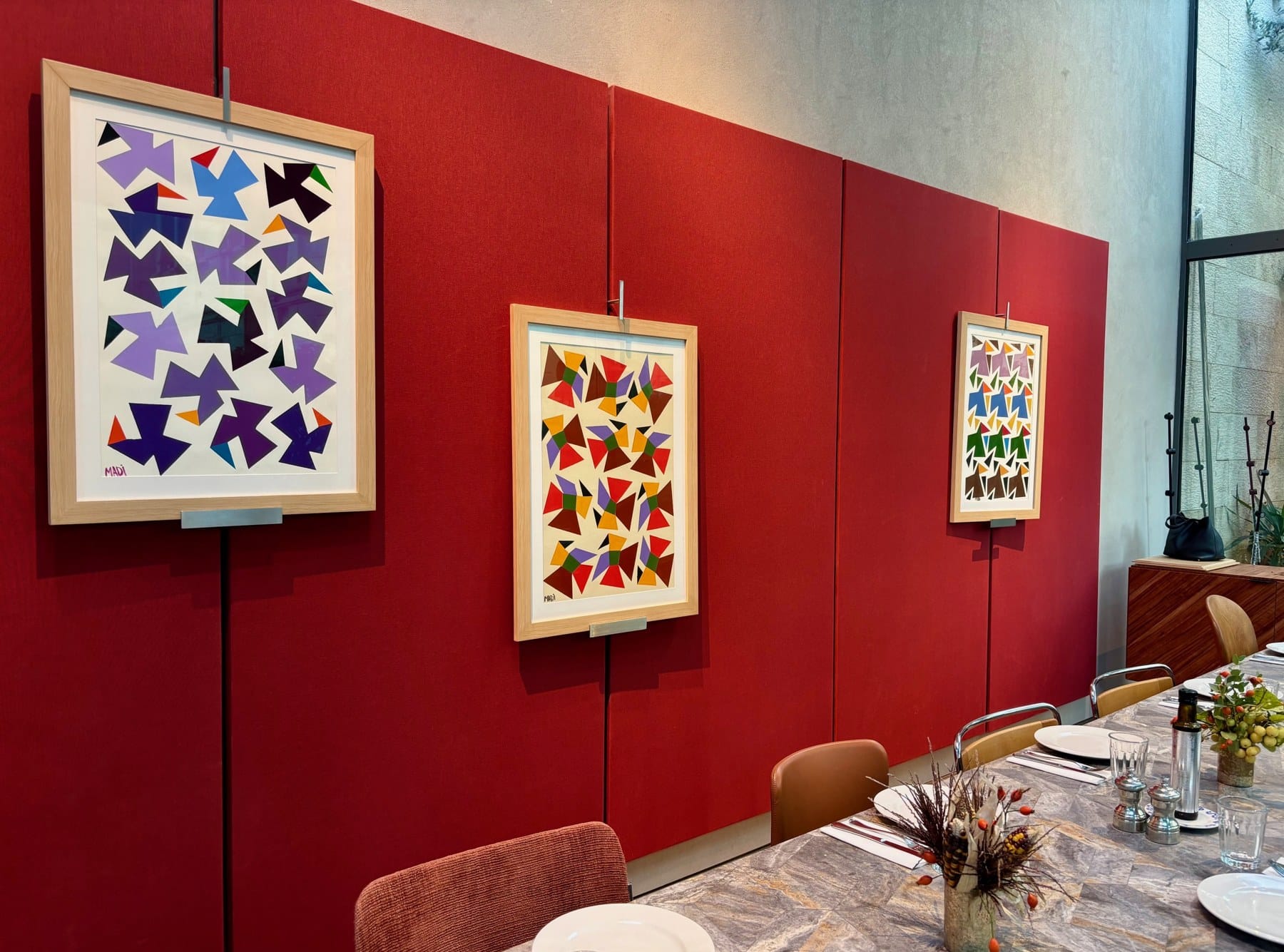
The Foundation’s first art activation – launched at Em Sherif Café in Paris – features the works of Ziad Antar, a Lebanese photographer best known for exploring themes of memory and impermanence. At the Sursock Museum location, modern artist Hussein Madi, known for his vibrant, abstract forms and exploration of colour and geometry is on show, and self-taught post-war painter Willy Aractingi, whose whimsical folkloric scenes bring together storytelling, vibrant colours and humour, can be seen at Harrods.
“Art has always been part of my life,” Sherif Hayek explains. “I studied it, worked in galleries, and began collecting early on. At the same time, I’ve always been inspired by what my family built with Em Sherif. When my uncle Dani suggested creating an art foundation, it felt like the perfect opportunity to bring these two worlds together. Just as Em Sherif celebrates Lebanon through food, generosity and hospitality, the foundation shares our culture through creativity and art.”
“Our mission is to champion Lebanese artistry by providing a platform where talented artists can showcase their work within our restaurants worldwide,” Chakour says. “This initiative not only enriches the dining experience but also creates opportunities for Lebanese artists to engage with new audiences and contribute meaningfully to the cultural dialogue in each city we touch.”
In keeping with Em Sherif’s established aesthetic sensibilities, the contemporary design of Em Sherif au Musée draws its inspiration from traditional Lebanese crafts, executed in partnership with local artisans, designed by MariaGroup (led by the brother and sister duo Georges and Michèle Maria).
Curated like an art gallery, featuring fabric panels ready to display artworks, the restaurant sits within an elongated glass surround, the space is built around a chef's table; a convivial stainless-steel counter that transforms food preparation into a performance to be savoured as much as the dishes themselves. This central fixture – manufactured by Acid (a Lebanese provider of customised architectural elements) – is complemented by custom-made wooden stools from the Beirut-based design studio, Spockdesign, in a modern homage to traditional Lebanese chairs.
In order to blend the indoors with the museum's exterior square, the ceiling above the chef's table is also clad in stainless steel polished to a mirror-shine, reflecting the surrounding greenery to create the illusion of an open-air terrace. The red fabric walls and embroidered tablecloths provide warmth, while a communal travertine table inspired by old cement patterns, a bespoke wooden buffet by Yew Studio, and custom lighting by Marylynn & Carlo (Massoud) complete the homely yet refined atmosphere; a subtle juxtaposition that highlights Lebanese tradition while still remaining firmly within the contemporary.
Em Sherif’s commitment to evolving and responding to the needs of the market even extends beyond its core concepts of fine dining and cultural enrichment, as demonstrated in their recent venture in the creation of Club Yamma.
Hosted on the eighth floor of Beirut’s Warwick Palm Beach Hotel, this collaboration with Lebanese-Brazilian DJ Rodge has seen the brand invest in the local music and nightlife scene, signalling a continued desire to experiment and innovate in response to social and entertainment trends. New Em Sherif outlets are also in the works, including a Faqra pop-up deli during the Lebanese summer months and inaugural outlets in India and the USA.
From a humble family-style restaurant to an award-winning worldwide powerhouse, Em Sherif is a testament to uncompromising quality and cultural pride, paired with inspired adaptability and a strong strategic vision. Through their strident pursuit of culinary excellence on the world stage, the Em Sherif brand is undeniably creating a powerful, delicious and enduring legacy for Lebanese food, craft and culture.
“Life is a one-way street,” Chakour mused. “You cannot come back. You cannot slow down, so better to leave something for the people that will come after you and create a legacy. We are so lucky to have Em Sharif to fulfil our dreams.”
Previous: The 28-year-old head chef Yasmina Hayek trained at the Institut Paul Bocuse in France (now called Institut Lyfe) before honing her craft at Michelin-starred kitchens in Paris and Copenhagen, working under the tutelage of top chefs like Mathieu Pacaud and Jean-François Piège. Opposite: Em Sherif Café on Boulevard Haussmann in the 8th arrondissement of Paris.
Opposite: The latest restaurant to open (in September 2025), Em Sherif au Musée is located on the esplanade of the Sursock Museum in Beirut. Hayek told us that they're now in the final stages to expand next in Armenia, Morocco, Paris, Brazil, and there'll even be a second outlet in London too.