Elegance, timelessness and artisanal excellence, all (of course) made exclusively in Italy. These four tenets are applied to every piece of Fendi furniture, whether we’re talking about a lounger resting poolside at Paris’ Grand Palais or a doggie divan for a pampered pooch.
For the last 24 years, one of the world’s most recognisable fashion houses has been venturing beyond bags and clothing to produce furniture, often for some the world’s most luxurious spaces. When Fendi began making furniture in 1989, they partnered with Club House Italia, a holding run by Alberto Vignatelli, one of the pioneers of contemporary Italian furniture-making.
Vignatelli came to furniture-making at a time when anything made reasonably quickly was built using one of the ten standardised foam rubber moulds. At the time, bespoke furniture meant months of waiting and came with a staggering price tag. Applying the concept of mass-manufacturing to the custom-made, Vignatelli came up with the polyurethane block, a system that allowed the creation of easily manipulated, cost-efficient moulds for furniture, opening the gates to a flood of ingenuity.
He’s clearly passionate about what he and his team create. When asked what distinguishes Fendi Casa from its now many competitors, his first suggestion to me is that I breathe in what he calls “the inimitable and reassuring scent that springs from our leather.” “Like the aroma of a great wine,” he adds, “it improves with time.”
Vignatelli has helped Fendi Casa live up to the house’s global reputation in fashion by producing an impressively wide array of custom pieces. Fendi was the first of Italy’s preeminent fashion houses to introduce a full line of interior furnishings and just a quick glance at its recent projects reveals how successful it has been. From fully outfitting the 59-metre megayacht Lady Lara, to the 427 condominiums in SoHo’s Trump Hotel, Fendi Casa’s furniture pays homage to the creative direction of Karl Lagerfeld, the fashion house’s long-time front man.
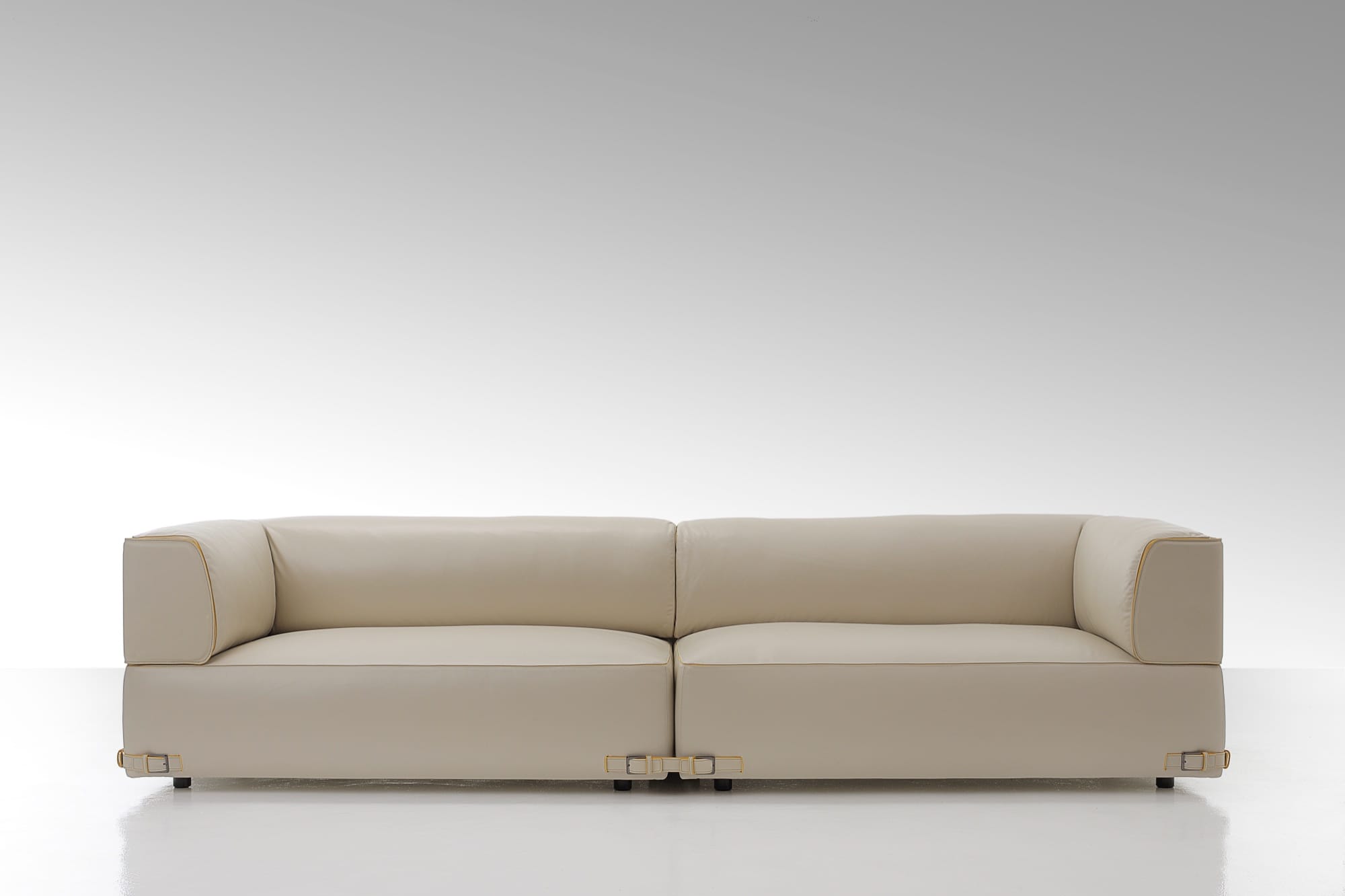
Supple leathers in creams and tans frame flashes of gold, the product a melding of generous lines and flawless finishes. Pieces range from soft curves and muted colours to stark angles and brazen shades, demonstrating both the creativity of Casa’s designers and the skill of its craftsmen. Many pieces don’t even bear the brand’s logo, impressing instead through an understatement.
While some fashion house furnishing lines adhere slavishly to an immediately recognisable (and consequently rather monotonous) palette, just when Casa’s furniture begins to seem repetitive - piece after piece of overstuffed capitonné padding and creamy leather - its mood shifts to rich furs draped over slender yet expansive pieces in gunmetal grey or coffee colours. Accented by chandeliers composed of the finest materials (often Swarovski), they are at once neo-Baroque and ultra-modern.
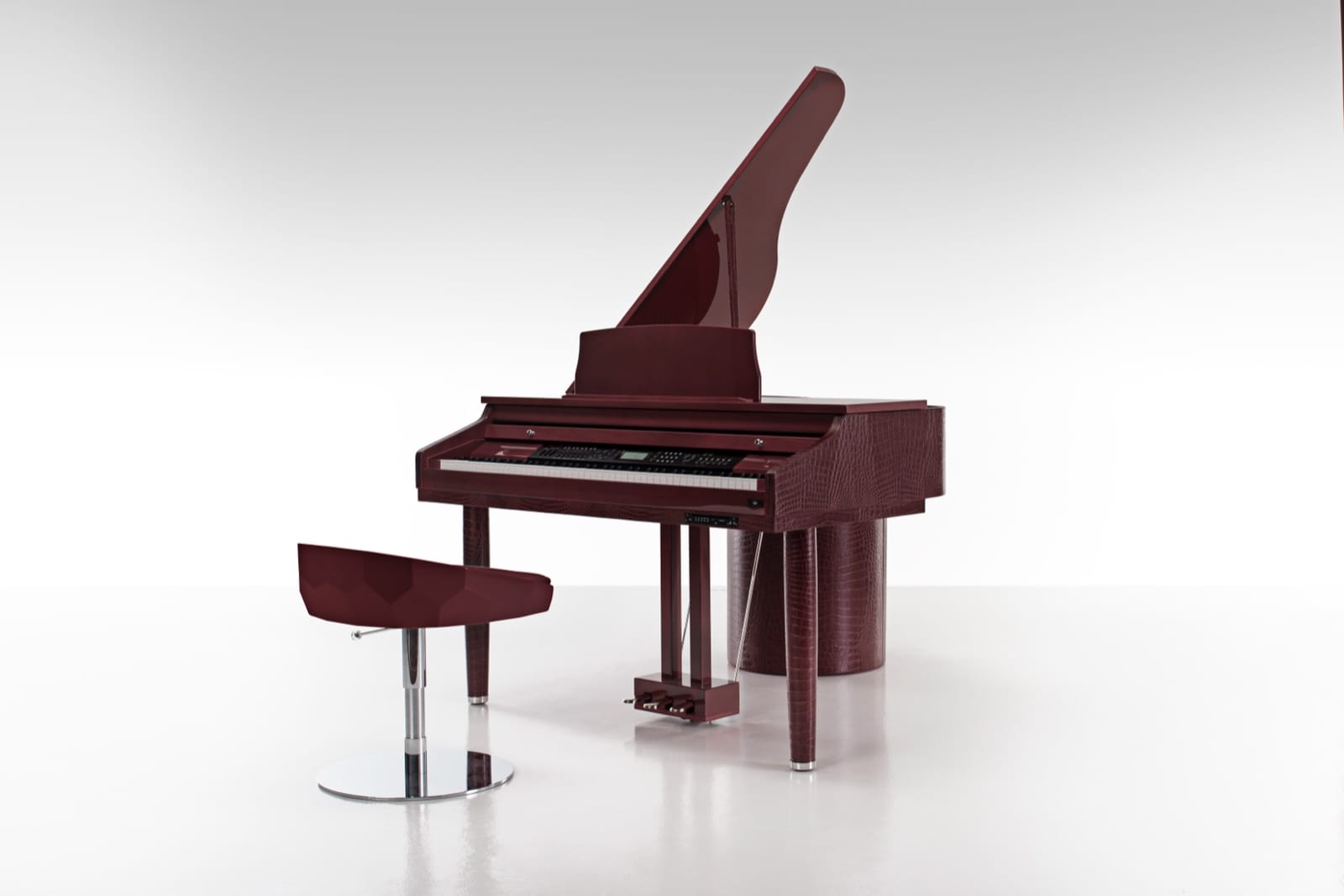
Almost nothing Fendi Casa produces is standard. The house prefers instead to allow clients to tailor their own pieces. Colours, fabrics, leather types and embellishments are left to the client’s choice. This may result in a slightly longer wait but Fendi Casa’s designers insist that this way, each piece best reflects its owner’s taste. “Our architects follow our clients on their decisions,” explains Vignatelli, “not the other way around.” Despite this, Casa boasts an eight-week turnaround time for its custom furniture.
While Vignatelli’s beginnings lie in plush furniture, he has taken Fendi far beyond the overstuffed Ottoman. Indeed, among the line’s most impressive achievements are deeply hued kitchen furnishings, selected from the finest woods and marble, finished with Spartan-brushed brass handles. It was this appetite for innovation that led Vignatelli to take on Lady Lara, a megayacht project for Benetti, designed stem to stern by Fendi. The yacht doesn’t merely feature the house’s furniture at the poolside and in its palatial rooms but every single surface is crafted by Fendi, bearing the marque’s touch.
Vignatelli admits that the learning curve on the project was steep. He and his team first had to research materials that would convey the Casa quality but still prove resistant to the attrition of salty water and sea air. The result is, at moments, a touch cliché. In an attempt to give the yacht’s interior all the touches of a modern home, Casa proffers seemingly endless shades of white furniture on white backgrounds - safe but perhaps a touch heavy handed. But it has also created some of the most inviting exterior settings - overstuffed settees and sprawling teak tables, plush wicker chairs all on metres and metres of hickory flooring.
No stranger to the region – Casa is working on the interiors of Dubai’s Damac Residenze – the house’s latest challenge is the Emirate’s Pangkor Laut village, a Palm Jumeirah-esque oasis carved into the sea. For its part, the property will feature nothing higher than a few stories and will include a range of townhouses and villas with restaurants, spas and an underwater nightclub. The project’s renderings show tremendous promise but like many of Dubai’s luxury spaces, they test the boundaries of sophistication. The brand will have a difficult balance to strike, at once rising to the lavishness the space demands whilst still showcasing the subtle sophistication of the artistry and craftsmanship that has made it a global leader.
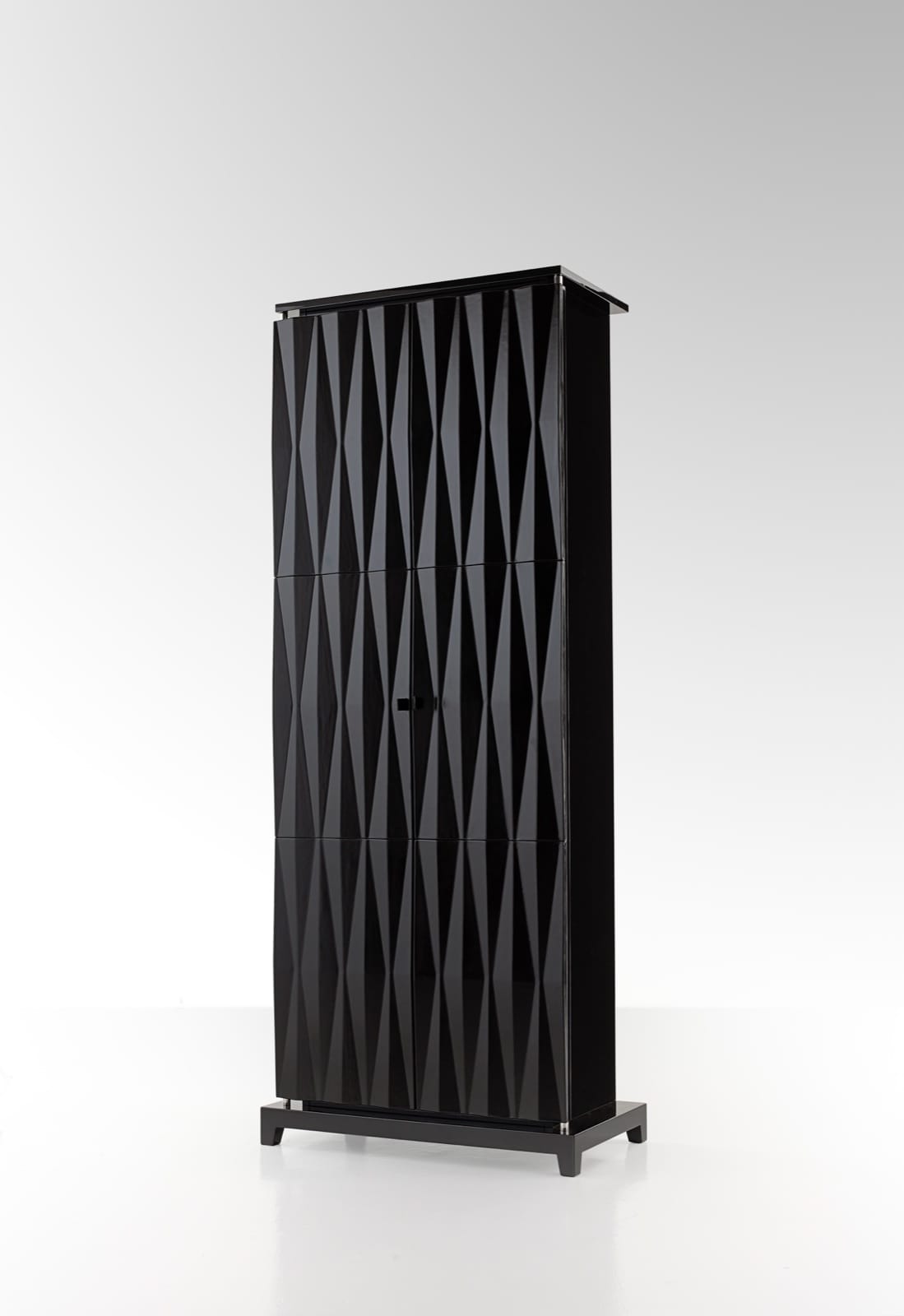
Still, Fendi Casa is already much more than a purely European amenity. It has showrooms in the usual locales, Milan, Paris and a few scattered throughout the United States but Casa’s most important sales regions are Asia, Russia and the Arab World.
Vignatelli says that many of his clients are drawn into the Casa world by having the brand furnish their homes and soon, are asking for Fendi furnishings in less standard spaces: planes, yachts and even private spas. While actors, singers and professional athletes all feature amongst Casa’s clientele, Vignatelli insists that many clients are lower-profile individuals with what he calls an insatiable love for “fashion and glamour”. That, and the bank balance needed to explore that love, of course.