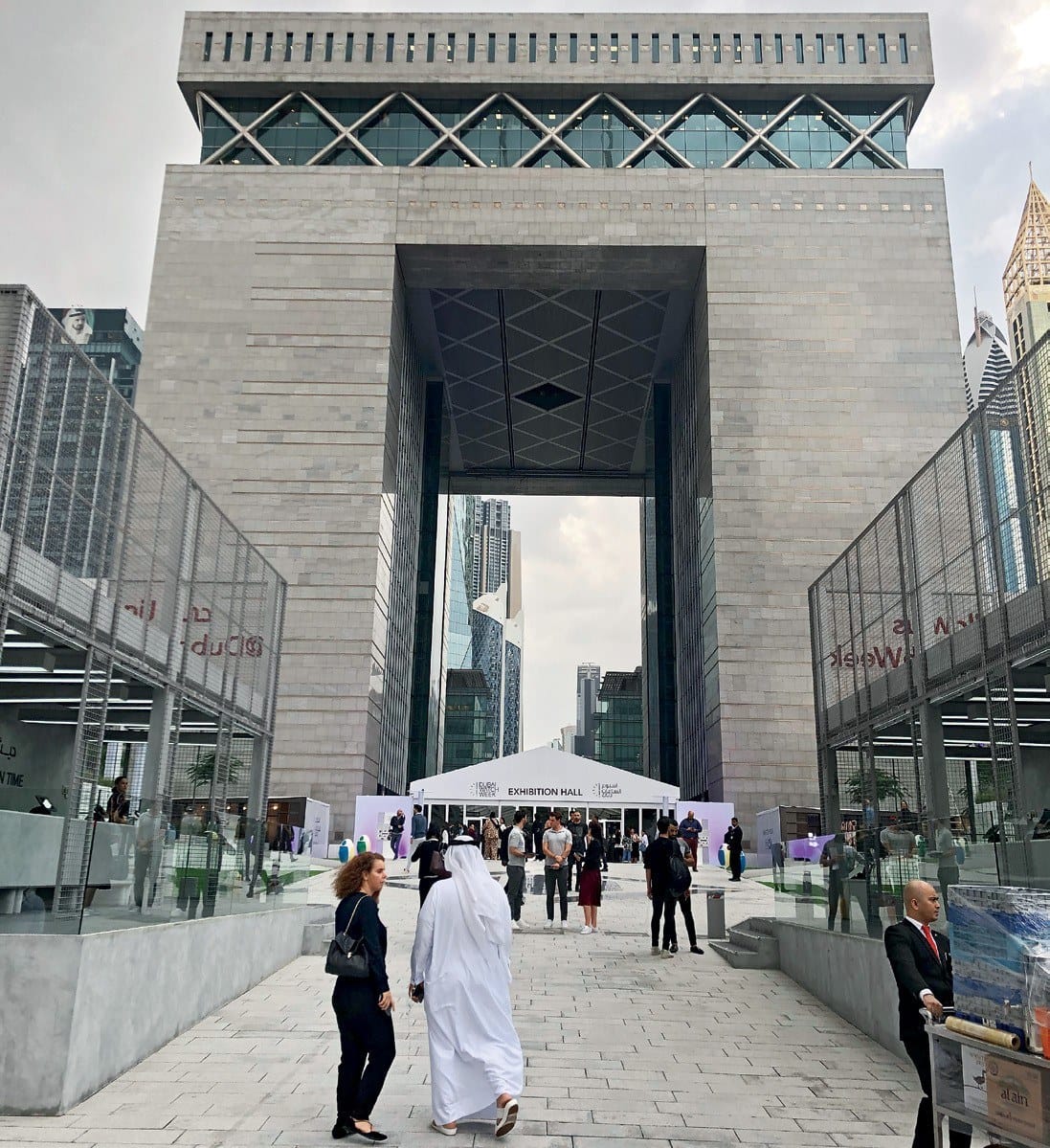
Unfortunately, fairs are losing steam. The concept of the car show is all but dead, boat shows are struggling, the Dubai Film Festival went under, Art Basel is losing money and Baselworld is in an existential crisis. Yet Dubai Watch Week is not just a game-changer; it is also somehow continuing to gain momentum. How? Because it is genre-defying. Still only four editions old, it is free to attend, open to anyone and totally uncommercial.
It is also not organised by any brand or luxury group, but instead put together by one of the world's largest watch retailers, Ahmed Seddiqi and Sons. Their vision was to create a sanctuary, free from the shackles of needing to sell, in which leaders from the horology world could come together in Dubai to share ideas and celebrate their love of watches. The four-day festival revolves around key figures and brands, with a programme of masterclasses, workshops and interactive sessions on all things timekeeping. It is held under the patronage of Her Highness Sheikha Latifa bint Mohammed bin Rashid Al Maktoum, organised by Hind Abdul Hamied Seddiqi, the Director General of the fair, alongside Mohammad Abdulmagied Seddiqi, chief commercial officer of Ahmed Seddiqi and Sons.
That long-term, non-commercial thinking is precisely what made the event possible. "I don't think the DWW would be what it is today if it had been commercial. But by removing any commercial pressure we changed the dynamic," says Christophe Nicaise, chief strategy and business development officer at Seddiqi Holding. He concedes it is an expensive operation, but argues the return is considerable: it has brought Seddiqi international recognition both within the industry and among consumers, made the retailer the partner of choice for any brand entering the market, and educated buyers to the point that purchases are no longer contingent purely on price negotiation. Ahmed Seddiqi and Sons began in 1960 with a single shop in the souk of Bur Dubai and now carries more than 60 luxury brands across 70 points of sale, including the largest Rolex boutique in the world.
The programme's substance came from its speakers. Industry legend Jean-Claude Biver, who resurrected Blancpain, rejuvenated Omega and revived Hublot, delivered a characteristically philosophical masterclass. "We are surrounded by products that are going to die. We are surrounded by obsolescence. I ask you then what is eternal? Art! Watchmaking is art. A mechanical watch is eternal. So when you buy a watch, you are buying a piece of art, a piece of eternity, a piece of God even," said the 70-year-old.
Former auctioneer and Patek Philippe and Rolex expert Eric Tortella explained why Patek reigns over the vintage market. "Patek Philippe represents the pinnacle of hand-watchmaking, Rolex is the pinnacle of industrial watchmaking," he said, noting that Rolex turns over five billion dollars making a million watches a year, while Patek makes a billion dollars from just 65,000. He cited a startling comparison: a dollar invested across ten watches in 1974 would have outperformed the Dow Jones thirty-fold by today. By his figures, Patek accounts for 20 per cent of auction lots and 55 per cent of proceeds worldwide each year, and 78 of the 100 most expensive watches ever sold at auction.
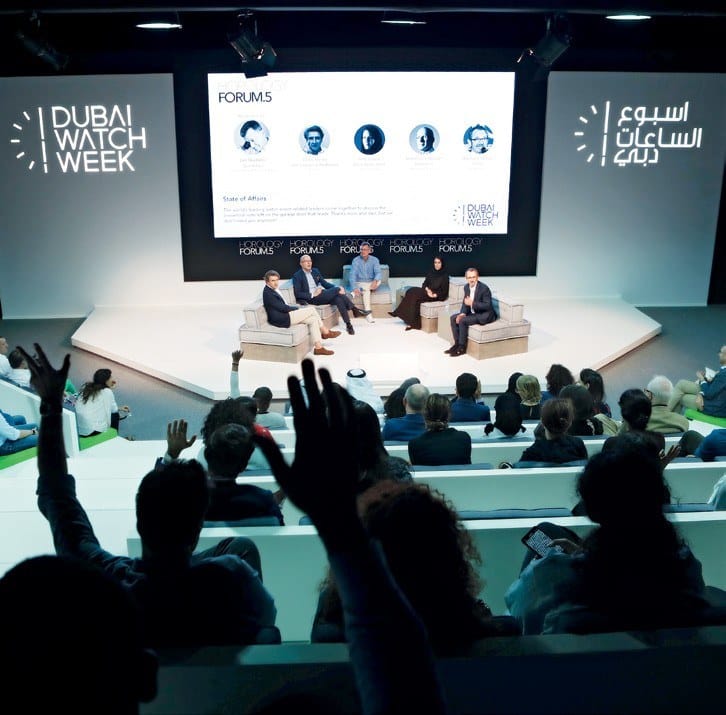
Elsewhere, an interactive forum titled "Six Ways from Certified" put thorny questions on grey-market buying, art-flipping and authorship to a vote before a panel and audience that included Christie's, the Kanoo Group, WatchBox and collector Claude Sfeir. A separate "State of Affairs" discussion saw Baselworld's managing director Michel Loris-Melikoff acknowledge arrogance and pricing as failings, while Hind Seddiqi underlined Dubai Watch Week's distinguishing virtue. "One of the advantages of Dubai Watch Week is how everyone is in good spirits. There is no pressure to sell," she said, adding that the team always listens to brands and adapts, and that food-and-beverage concepts had been introduced to make the event less intimidating and appeal to a younger crowd.

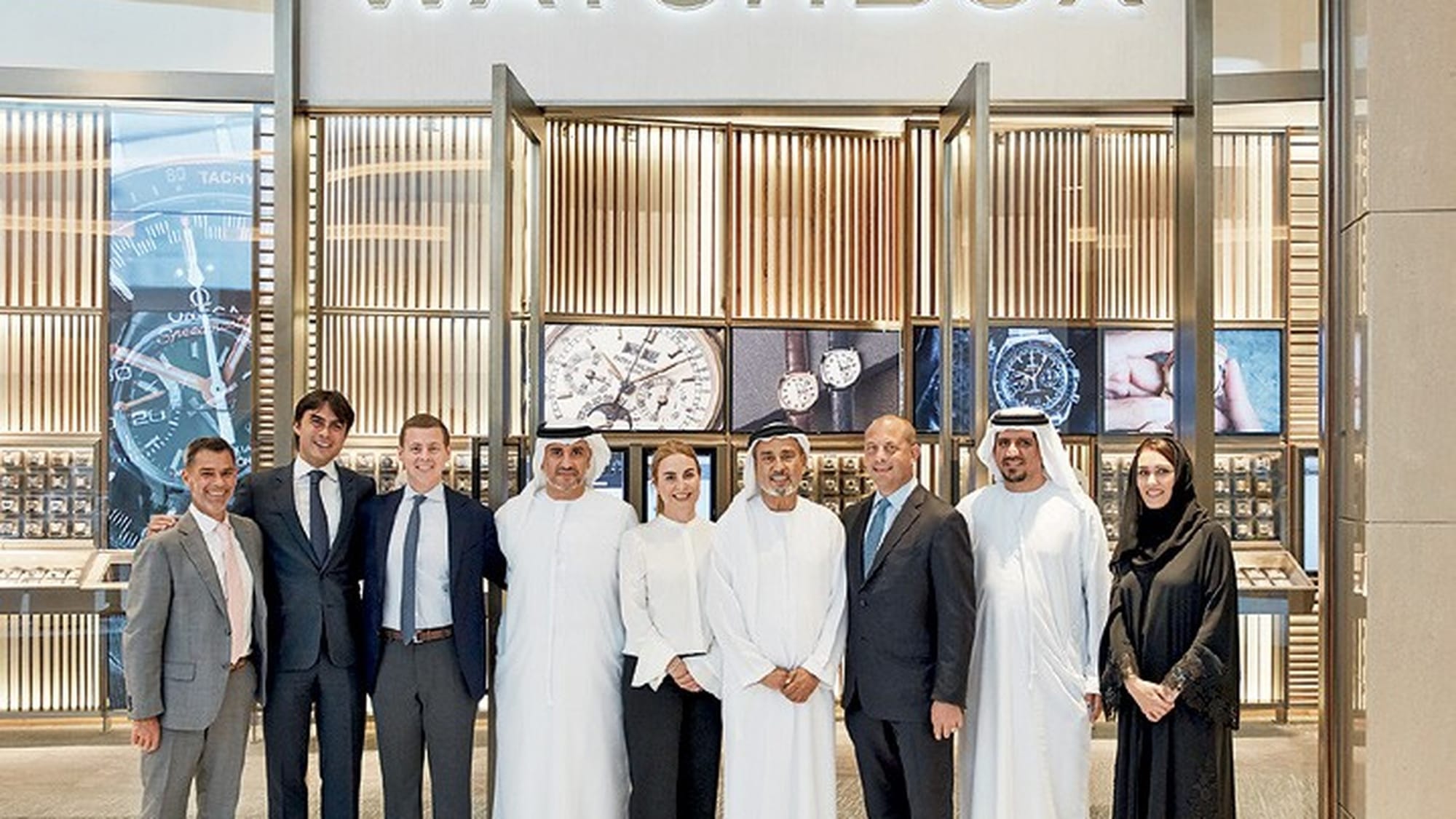
The edition also marked firsts. Rolex participated at a Middle Eastern watchmaking event for the first time, with a dedicated space charting the history of the Oyster Perpetual Submariner alongside a vintage exhibition curated by the Seddiqi family. WatchBox, meanwhile, opened its first-ever physical boutique in Dubai's DIFC in partnership with Seddiqi, completing the retailer's long-awaited move into certified pre-owned. Among the fair's most memorable voices was blogger and journalist Barbara Palumbo, founder of Adornmentality and What's On Her Wrist, who champions women buying the watches they deserve. Recalling her fear that MB&F might mishandle its first women's piece, she admitted the resulting FlyingT left her choked up: "It was so perfect, and brilliant, and unlike what I had been expecting that I got choked up."