[750 words]
Henry Jacques was founded in 1975 by Henry Cremona and his friend, a traditional nose. Where does the name Jacques come from?
[Anne-Lise Cremona, CEO of Henry Jaques and daughter of the founder, Henry Cremona] Jacques was his middle name; he was Henry Jacques Cremona.
How integral a role did this famous nose play initially?
Like many success stories this one started with a chance encounter and a friendship. In the case of Henry Jacques, my father met an older gentleman who was a famous ‘nose’, and was, as I sometimes say, an unhappy nose because of the changes that the industry was going through at that time. You see, in the very early 1980s, perfume was moving towards a more industrial production and he was an artist who had learned perfumery from five or six generations before him. He couldn’t really understand the changes, and he wasn’t happy. When he met my father, they had this surreal connection; something extremely beautiful without compromise. They decided to mix their talents, sharing a new passion and adventure together for five years before the ‘nose’ passed away.
And even to this day the brand represents process, does it not? So, can you tell us how Henry Jacques is superior to even the most high-end perfumes we might find in a Duty Free?
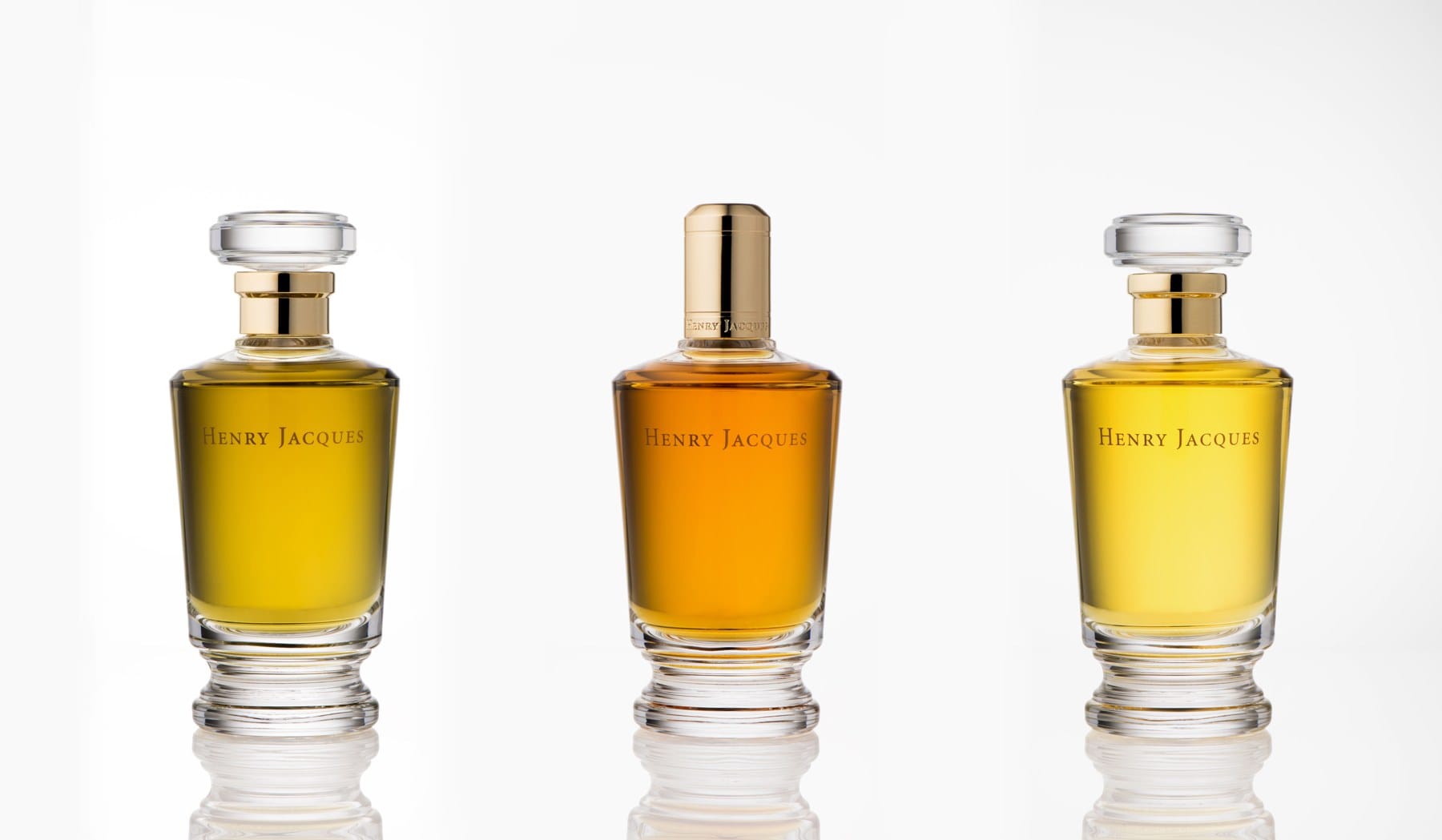
Well, I wouldn’t say we are better but what I can say is that everything we do is without compromise on quality. It all starts with the ingredients and the best ingredients are very, very expensive. Nearly all our ingredients are natural and if ever you come to our laboratory you will see we work with over 1,200 components and this is why I always say you need several lives to build such a laboratory with the know-how and the selection of so many components takes several lives. And then you have the distribution and when I took over the brand in 2010 and decided to enter the retail environment, I made a very important decision which was that we would only ever be available in our own boutiques in order to protect the brand and keep control of its quality and discourse.
In terms of ingredients, the world’s best essences are available to all though so perhaps it’s more the combination of those ingredients that becomes the key differentiator. After all, anyone can buy a Steinway, but not anyone can compose a symphony. How then did you go about composing your 50 symphonies for your entry into retail?
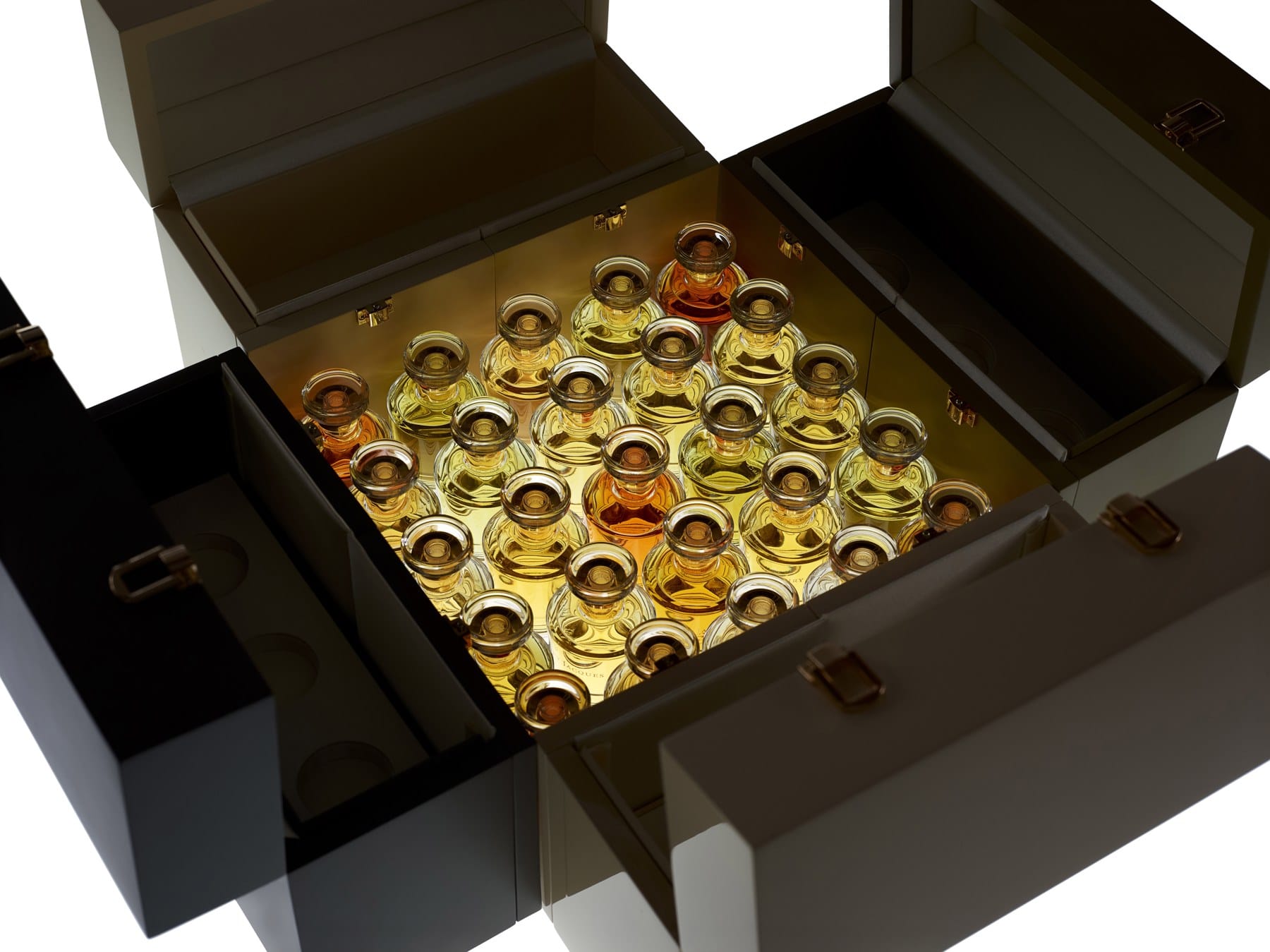
Good question, very good question. I think it took me around two years to make the big decision on what Henry Jacques will be and what we wanted to share with a wider public. As you know, we spent decades as a bespoke perfume maker, remaining in the shadows creating the perfect perfumes for connoisseurs and when we you need to create a bespoke perfume; you go through a long and interesting creative process to get to one final result. As a result, we had over 3,000 formulas some of which are truly exceptional. So, I spent almost two years refining the collections and we decided to reduce it to 50 in order to both share the patrimony of the brand with the classics as well as add some new creations. We opened the first boutique in Harrod’s in London in 2014 and up till now we have changed anything so I think we made the right choices.
It’s true that 50 sounds like a lot but Tom Ford who has a very successful perfume business just under 100 perfumes if you add the male and female offerings. How are yours slit between men and women?
We actually have no gender bias. It’s not a marketing thing, rather at the end of the day perfume is an emotion. For example, some men find the smell of roses very sensual, especially when it’s mixed with something else. The idea that women’s scents should be sweet and men’s ones should be virile is simply old-fashioned and it doesn’t correspond with people’s emotions today.
Considering you’ve been in the retail space for over ten years, do you feel you’ve found the right positioning for the brand and the balance of niche versus prominence?
I’m very comfortable with our positioning. For a long time, I was more concerned with getting a strong basis on which to build the brand and I was not in a hurry to be visible everywhere. Plus, we don’t like the idea of opening a boutique then a few years later closing it. So, we are very careful with the positioning and choose only the right opportunities. It’s a long-term strategy for us and after eleven years we are on the cusp of opening our tenth boutique. It’s in Paris, will open in May and will be our flagship store, with 400 square metres of space on Avenue Montaigne. And, by 2023 we should be five more boutiques around the world.
They say that the perfume business is the most profitable for fashion brands because the actual contents cost cents per bottle sold and the major outlay is on marketing. Your model is the exact opposite, is it not?
This is the unfortunate truth and what I am fighting against. For most of the brands the perfume business has been created to serve another function whether the couture or something else. But at the end the creators are very unhappy because there are so many cuts along the way that at the end, you might have a product that’s profitable and visible but the pity few launches remain historic and, in my opinion, it cannot serve its ultimate purpose, which is allowing the perfume to be ultimate luxury.
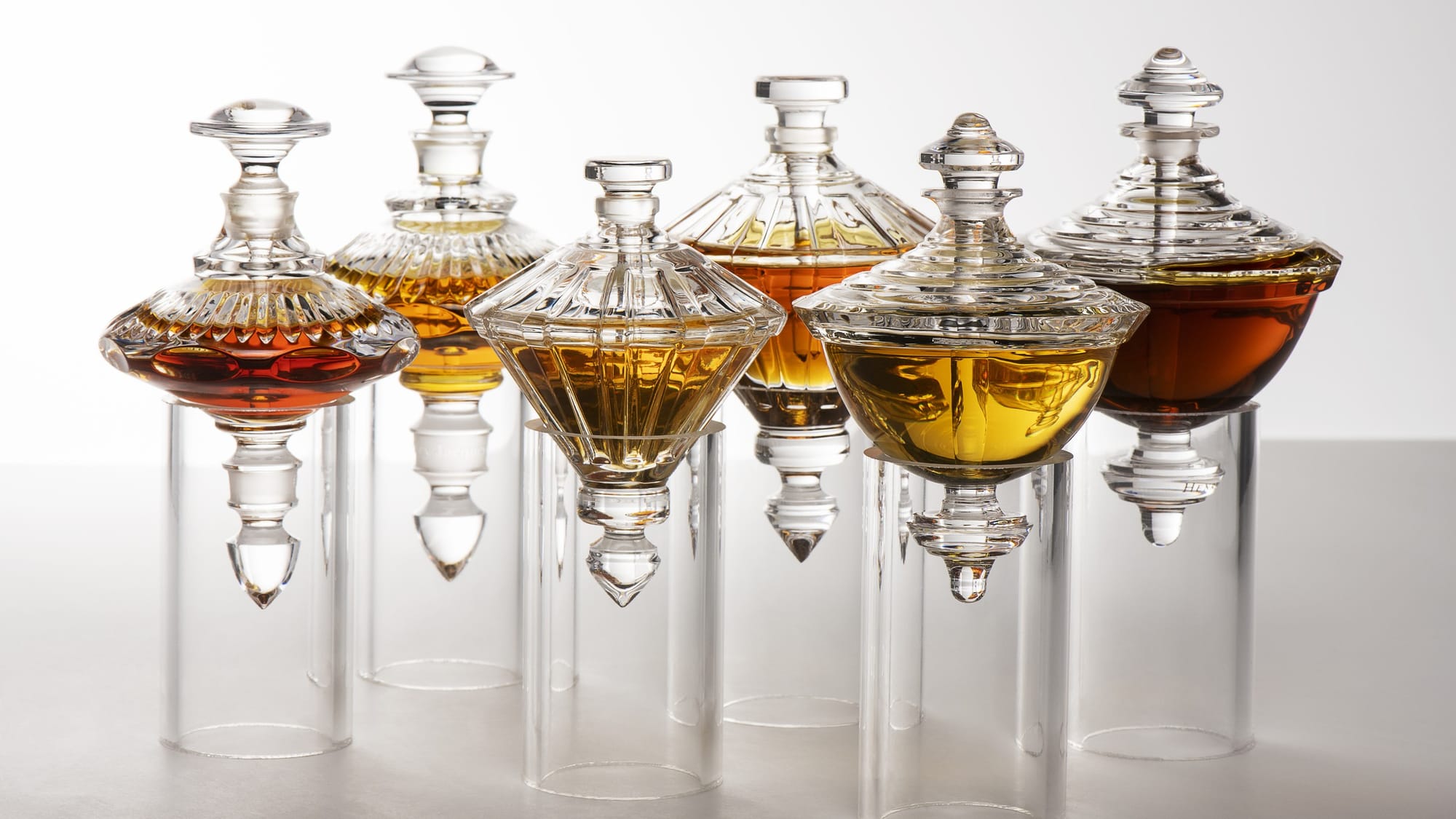
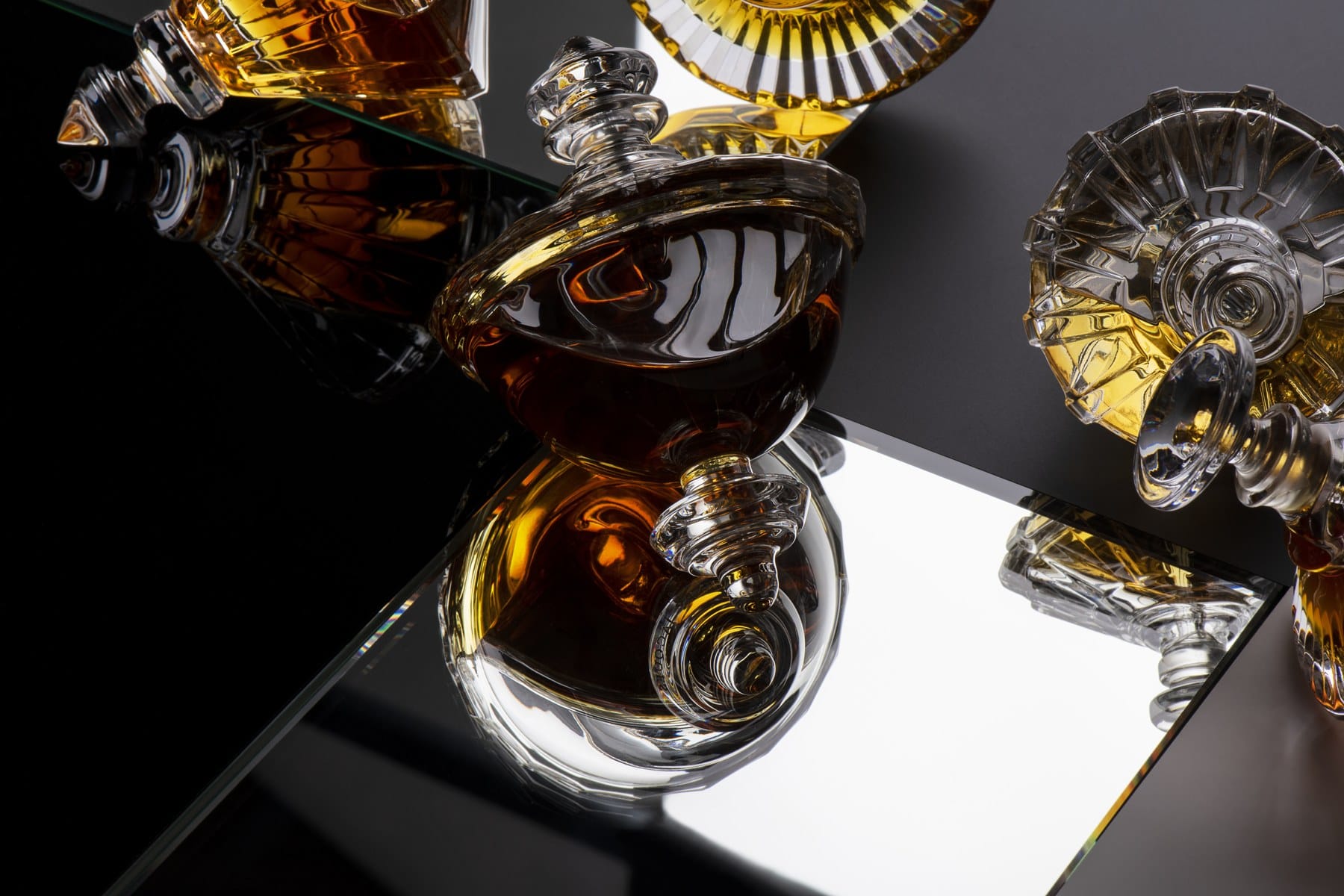
Why spend so much on Henry Jacques crystal vessels and carbon fibre clic-clacs when it’s the contents that matters, it’s not like Chateau Margaux or Lafitte ever feel the need to reinvent the bottle, as it’s the contents that matters.
I really appreciate your questions and I do agree somewhat. We are perfumers not crystal makers or jewellers but there are two points to clarify, first you must understand that the art of living is very important to Henry Jacques and second, we have huge respect for exceptional artisans especially ones who can help elevate our product.
Typically, perfumes are liquid so it’s unusual to come across your solids in their stunning Clic-Clac portable formats. Do solid form perfume have an advantage over their liquid siblings?
Our 50 scents are not just varied in their scope but their designation too as they can come as traditional oils, as a “brume” or vaporiser and finally as a solid. I personally find the solids to be a thoroughly modern solution because they’re convenient to travel and because our composition is 100 per cent natural, composed of genuine wax from flowers, they’re wonderful to wear, they’re healthy and sustainable too.
NOTES: The Clic-Clac was designed by Henry Jacque’s Creative Director, Christophe Tollemer, who is also the architect of their boutiques and the designer of their bottles. Interestingly, the fabrication of the Clic-Clacs was outsourced to none other than Richard Mille, who happens to be Anne-Lise’s uncle.
NOTES: The entry point for potential customers of Henry Jacques is a 15ml essence or the 75ml brume, which start at 700 USD. Should you want to develop your own bespoke perfume, prices start at around 80,000 Euros.