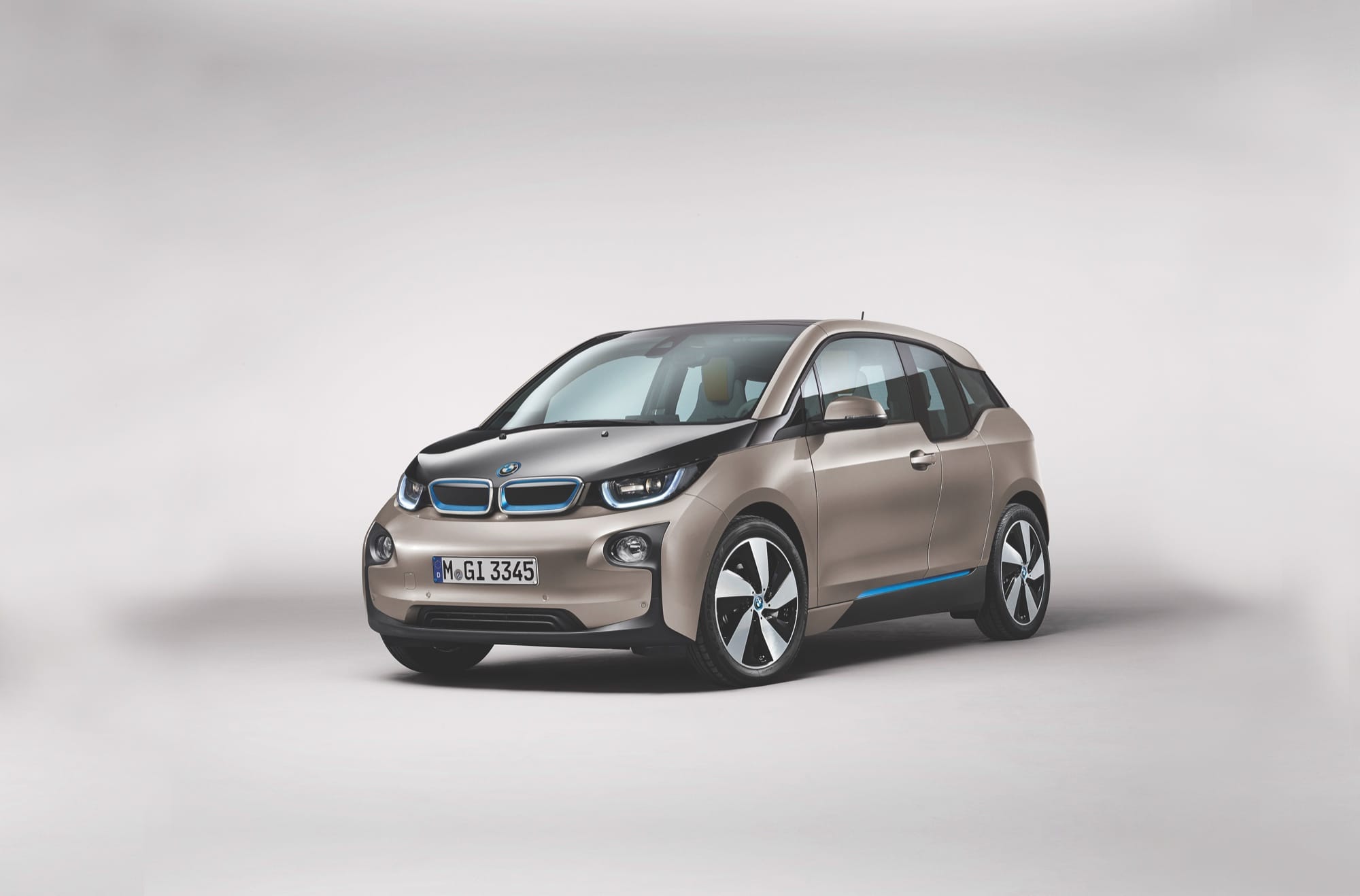
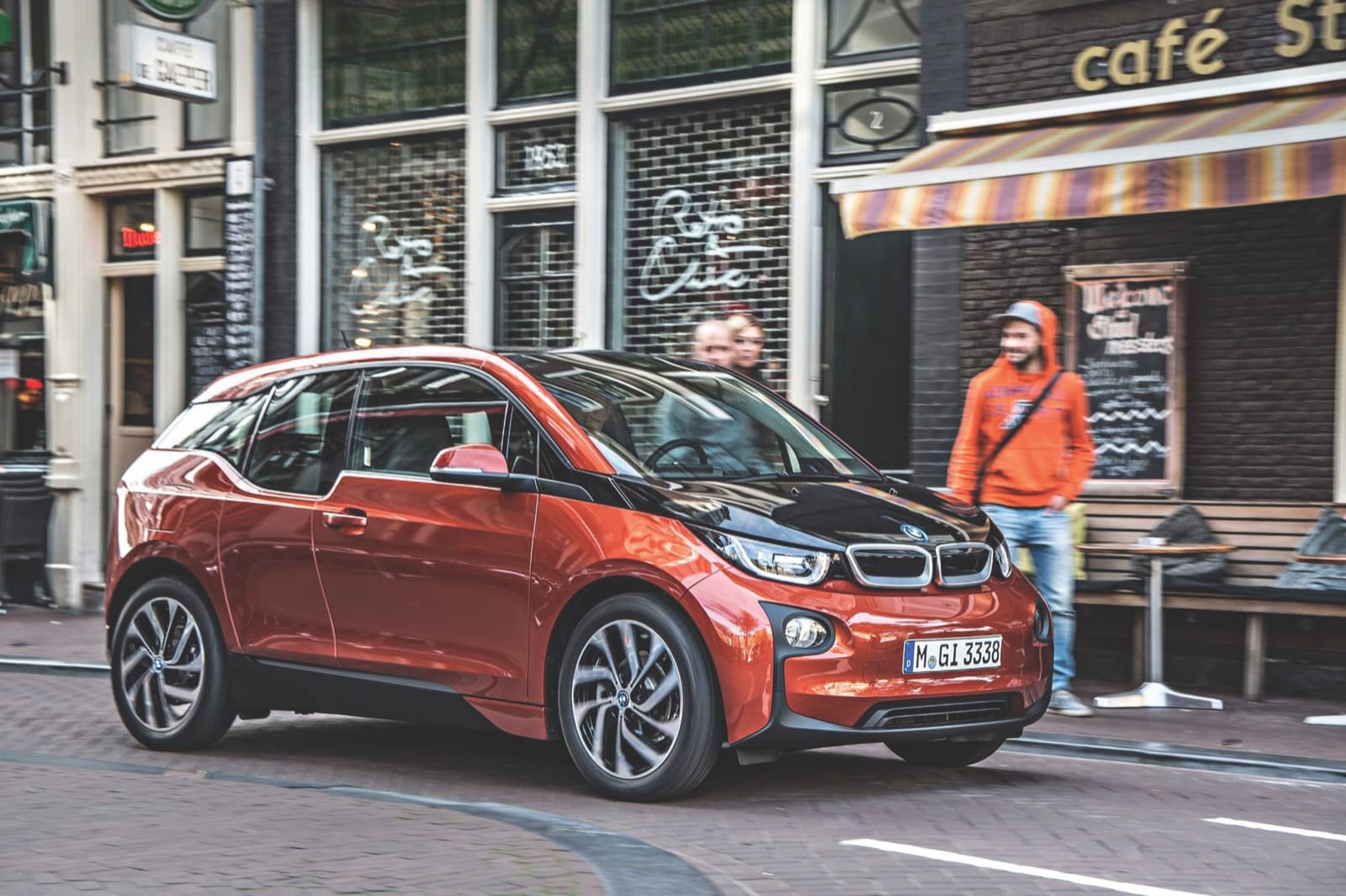
As probably the most innovative product to come off the BMW production line in the last 50 years, the i3 was designed from the ground up to not simply push the envelope of electric mobility but also to fit the company bill as an ‘Ultimate Driving Machine.’ And BMW has raised the bar even further by committing to build the car in an environmentally friendly manner and recycle it completely at the end of its life.
“The production process requires 50 per cent less energy and 70 per cent less water,” says BMW production chief, Harald Krüger, “and we source the CO2-free electric energy for production of the BMW i models from wind turbines at the plant.”
The finished product isn’t so much a thing of beauty as much as it’s a massively desirable object of engineering, with just the right amount of futurism. Crafted from technically advanced materials like carbon fibre reinforced plastic, the i3 is state-of-the-art, strong and safe and at just 1,195kg, it’s by far the lightest electric car on the market today. It’ll take you 160 kilometres on battery power alone. Changes under the hood notwithstanding, this is still a BMW, so the i3’s also got rear wheel drive and a perfect 50:50 front-to-rear weight distribution.
Swing open the oppositely hinged front and rear coach doors and you’ll find no B-pillar in the way. The airy and open interior is super modern and shockingly roomy for such a small car. What’s more, only the most eco-obsessive exotic materials have been used.
Would we buy one? In a heartbeat. Sadly, BMW has no plans to launch this city runabout in the Middle East any time soon. That said, they will be bringing their 2+2 eco-supercar, the i8, to our shores and if the i3 is anything to go by, that one should also be a corker.
Model BMW i3
Power 170bhp
Torque 250Nm
Transmission single speed
0 to 100km/h 7.2 seconds
Max Speed Limited to 150 km/h
Fast DC Charge Time under 30 minutes
Regular Charge Time 6-8 hours
Price starts at 42,000 USD