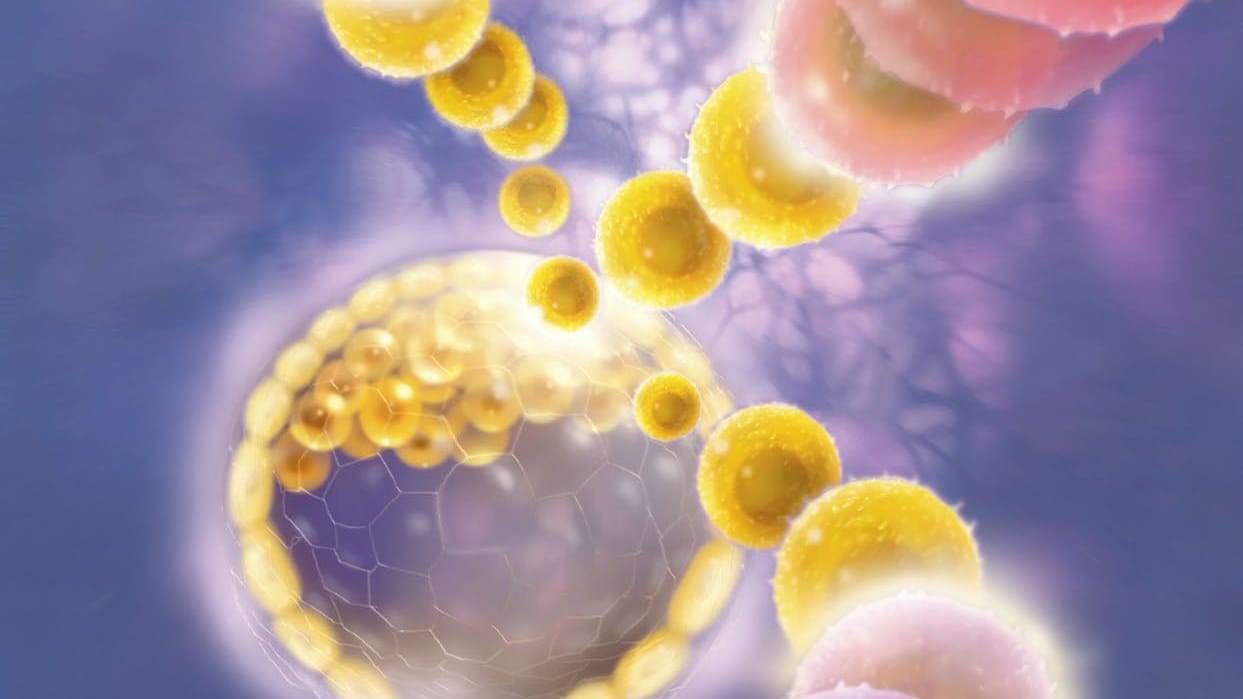
A stem cell is an undifferentiated cell, a cell that can potentially grow any organ or take on any other cellular role, like becoming blood cells, found within bone marrow and adipose (fat) tissue. When harvested, stem cells can in theory be used to replace damaged or deficient tissue. The potential applications are legion, everything from enhancing recovery in cancer patients undergoing chemotherapy, to treating degenerative neurological disorders to coping with more mundane afflictions, like sporting injuries or hair loss.
The problem is that not all stem cells are actually equal. As with so much in the human condition, adult stem cells are less malleable than those of an infant. In fact, moving back in time, the younger the cell, the greater its potential applications. And this where the controversy arises, for the stem cell with greatest potential is the fertilised human egg. With no differentiation, each cell in a fertilised egg has the potential to become almost any cell in an adult body. Of course, harvesting and then manipulating a human egg is every bit as ethically sensitive as other reproductive procedures such as cloning or abortion. Consequently, the legality of stem cell research varies worldwide with most developed nations restricting research to cell lines created entirely in vitro, thus as far removed from human reproduction as scientifically possible.
Cord blood stem cells may turn out to become the compromise between medical needs and ethical concerns. As early as 1989, researchers determined that the blood in the umbilical cord, or cord blood, contained stem cells similar to those found in the embryo. Cord blood stem cells could be harvested after birth, avoiding ethical infractions and they have shown to be effective in treating a range of cancers, including those of the blood and the bone marrow, as well as a number of metabolic and immune-deficiency diseases. Similarly, current research also suggests that umbilical cord tissue shows potential in treating diseases as diverse as Parkinson’s Syndrome, diabetes, sports injuries and liver fibrosis.
The medical potential of cord blood cells and tissue has spawned an interesting business. As with any transplant, cell, tissue or organ, there’s always a chance that the host’s immune system will reject the foreign body, mistaking the transplant for an infection. Stem cells, by their nature as undifferentiated cells, have fewer immune-markers, making them generally more acceptable to the host, especially when they come from a close relative. The business model, therefore, is simple: bank cord blood and tissue at birth. With your own private stem cell account, you can readily assist in the treatment of close relatives, or better still, yourself, in later years. Your own stem cells are the least likely to be rejected when used for treatment.
Like every good investment, this business model is as much about the future as it is the present and in the case of cord stem cells, the sell isn’t simply what it does cure but what it could cure.
Within the medical community, there’s a broad discussion on the cost of banking cord blood for an individual versus the likelihood of that person later contracting a stem cell-treatable disease. But regardless of that debate, the business of banking cord blood is well on its way to becoming a norm in some parts of the world. Banking on your blood? You heard it here first. Start a gift registry.