What a year it has been. The crash of crypto assets, rising interest rates, double-digit inflation and the looming prospect of recession have seen the resale prices of new watches come crashing back down to earth. On average, secondary-market listings have dropped by around 40 per cent. An AP Royal Oak 26240ST Green 50th Anniversary that was fetching 355,000 dollars six months ago can now be found for 90,000; a Patek Philippe Nautilus Moonphase Annual Calendar (5726A-001) that commanded 150,000 is now closer to 78,000. That is good news for most buyers, whose chances of buying at retail are significantly higher now, but it also indicates the primary market is cooling.
Even so, 2022 will go down as a record year for the Swiss watch industry, with exports up 13 per cent year-on-year, led by demand from the US, Japan, Singapore and the UAE. The only real blot on the industry's copybook is that polarisation at the top is getting worse. As Jean-Claude Biver, former president of LVMH's watchmaking division, puts it: 'Exports may be increasing with double digits, but when six brands represent over half of the business, that doesn't mean other brands have the same demand.'
Brand collaborations rarely muster much excitement these days, often requiring more effort to explain than to appreciate. But on a chilly Geneva evening, IWC Schaffhausen treated its friends and family to an experience that will live long in the memory: an intimate performance at the Théâtre du Léman by the film composer and producer Hans Zimmer and his band. Zimmer had been commissioned by IWC's CEO, Christoph Grainger-Herr, to compose five original scores for the brand's new Pilot 'Top Gun' releases. Fresh from his second Oscar win, he gave a two-hour set spanning The Lion King, Pirates of the Caribbean, Gladiator and Dune. What a legend; what a collaboration.
Among the dress and high-jewellery pieces, several stood out. Hermès reworked its Kelly watch, named for the bag that Grace Kelly made famous, adding a metal bracelet in five steel-and-rose-gold permutations and a now-detachable padlock that can be worn as a sautoir. Audemars Piguet introduced gem-set 18-karat gold versions of the Code 11.59, a 41mm case pavéd with 1,085 brilliant-cut diamonds. Vacheron Constantin surprised everyone by re-issuing the 222, the 37mm integrated-bracelet sports watch from its 1970s archive, now in brushed yellow gold with a more comfortable bracelet and a new movement. And Rolex finally offered its Yacht-Master in yellow gold for the first time, balancing matte surfaces against 18-karat shine at a surprisingly acceptable price.
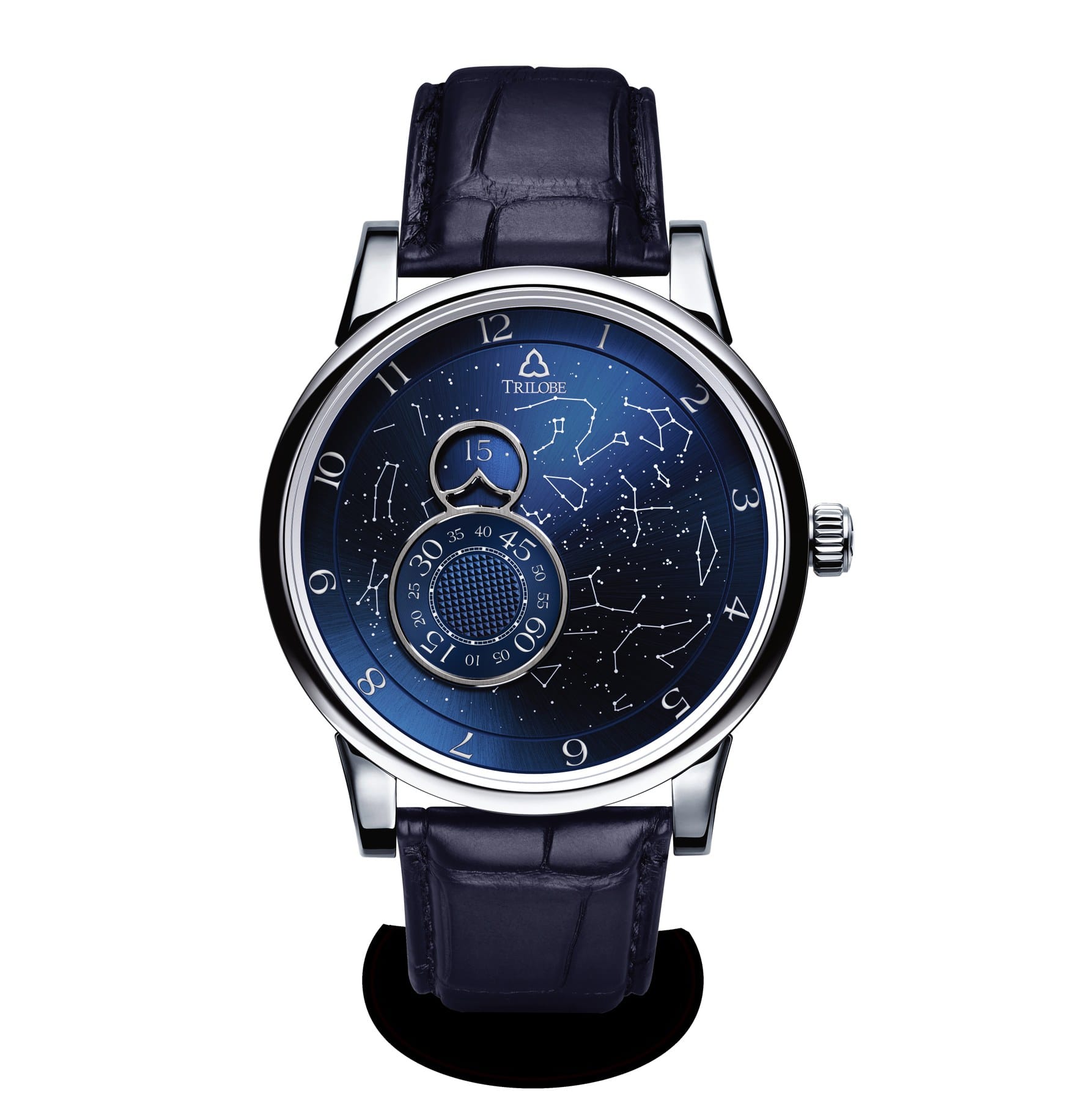
The independents and outliers were where the real intrigue lay. Trilobe, a young French brand manufacturing in Switzerland, charmed us with the Nuit Fantastique Secret, a titanium automatic that freeze-frames the constellations on a date and location of your choosing. Van Cleef & Arpels expressed the passing of time through opening and closing flowers in its Lady Arpels Heures Florales, a watch seven years in the making. Ferdinand Berthoud, founded by Chopard's co-president Karl-Friedrich Scheufele, delivered the uncompromising Chronomètre FB RSM, a tourbillon with chain-and-fusée constant-force transmission and COSC certification, built from 1,169 parts over two years.
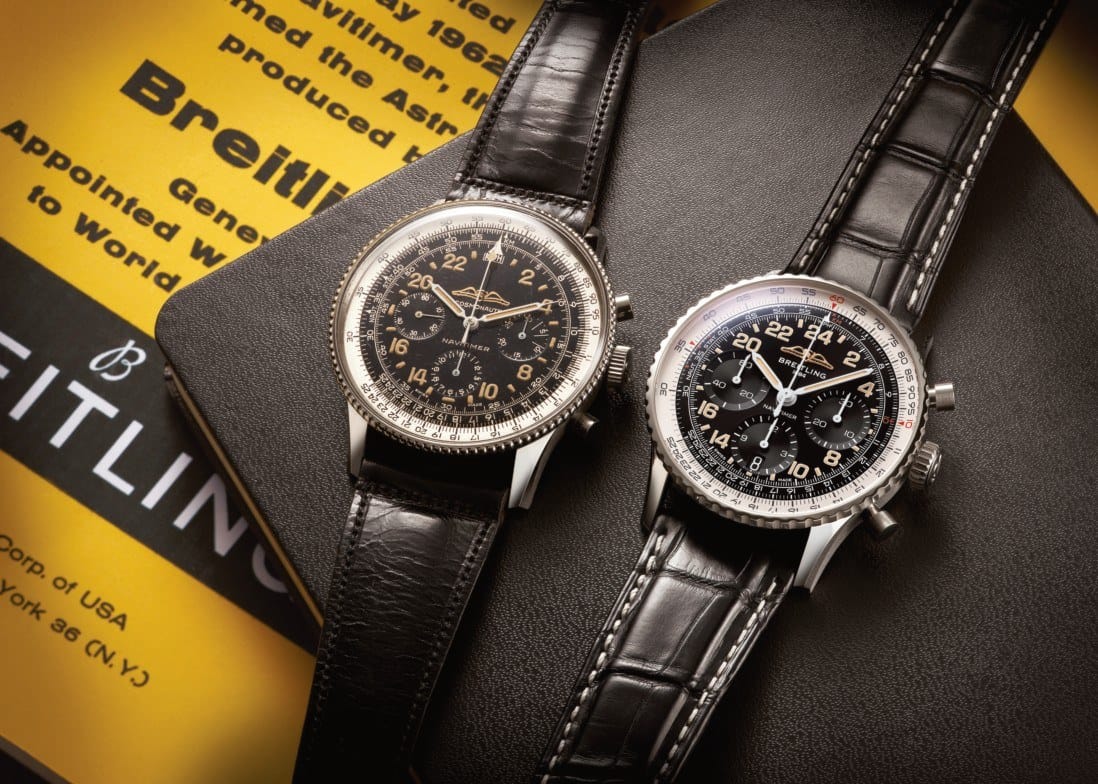
Space and exploration were a recurring theme. Breitling gave its Navitimer Cosmonaute a contemporary makeover for the watch's 60th anniversary, marking the first timepiece ever to travel to space; the new platinum-bezel edition is limited to 362 pieces, a nod to the year and to astronaut Scott Carpenter's three circumnavigations of the globe. Omega's Speedmaster X-33 Marstimer, born of a partnership with the European Space Agency, can track Mars time and find true north on two planets. Fortis tested its new Calibre Werk 17 in the stratosphere before fitting it to the well-priced Stratoliner collection.
The sporty-technical end of the spectrum was equally rich. H. Moser & Cie paired a flying tourbillon with a cylindrical hairspring in the swimmable Pioneer Cylindrical Tourbillon Skeleton; Hublot added a square iteration to its Big Bang family with the Square Bang Unico; and Piaget produced what may be its best-looking Polo yet, the skeletonised, 6.5mm-thin Polo Skeleton Automatic. MB&F won the GPHG with the LM Sequential EVO, its 20th movement and first chronograph, merging two column-wheel chronographs with a 'Twinverter' switch.
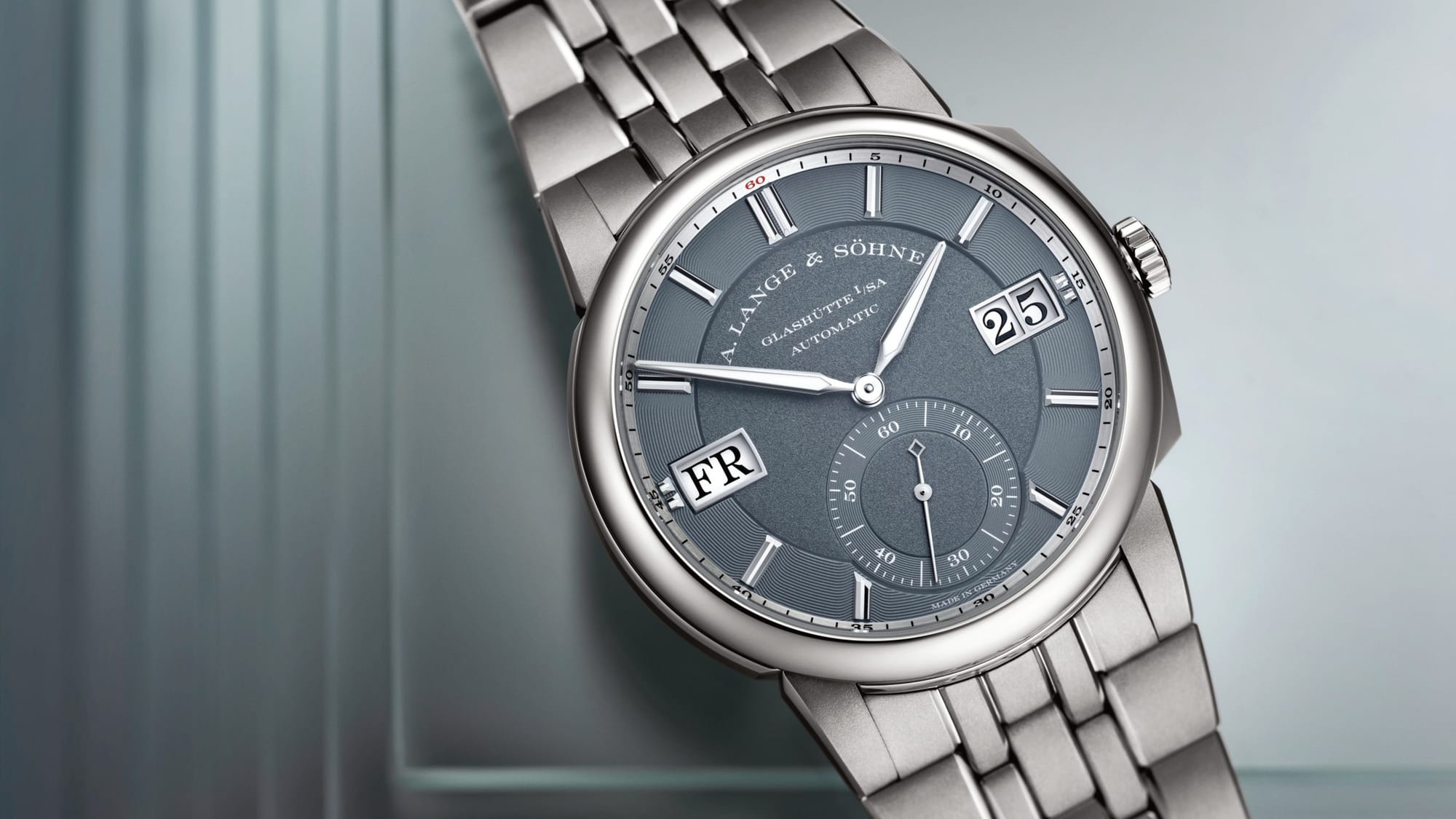
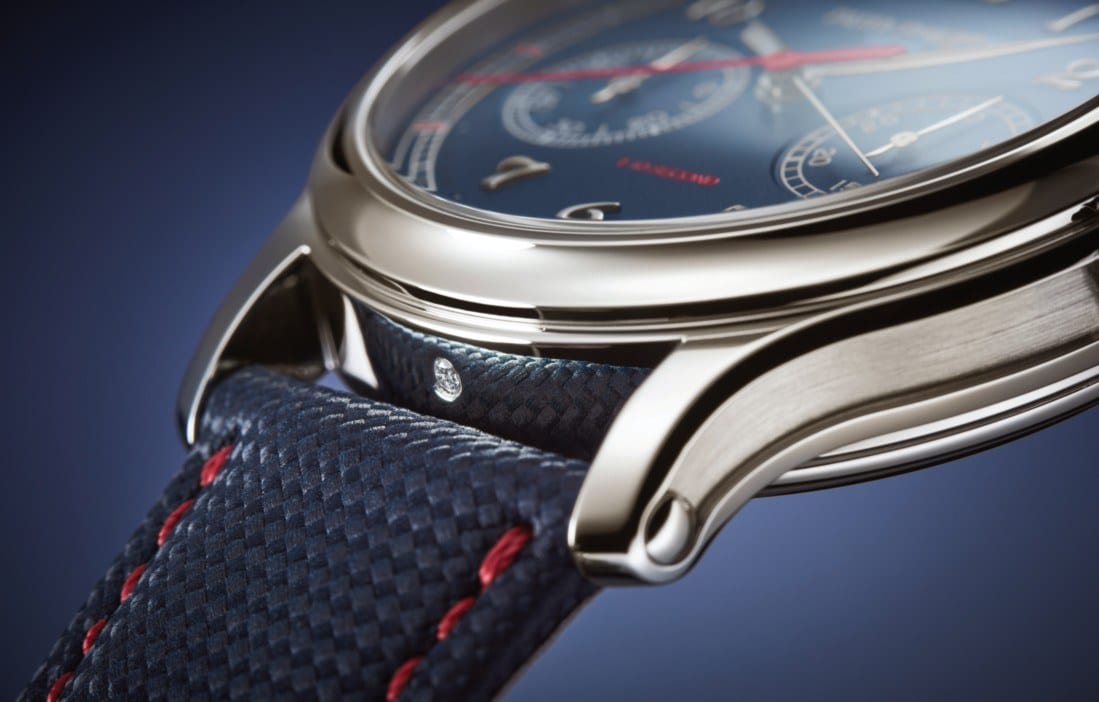
Even the brands that divide opinion won us over. A. Lange & Söhne, whose Odysseus we have never warmed to, produced a limited-edition titanium version that, like an ungainly SUV in the right spec, suddenly looked right. And among the high complications, Patek Philippe's Reference 5470P set a new benchmark with a one-tenth-of-a-second chronograph carrying 31 patents, seven of them exclusive, achieving in a slim case what the brand insists remains simple to read and to use. From Grand Seiko's eight-day Spring Drive to Ming's anniversary monopusher and Ressence's more accessible Type 8, the message of the year is clear: the connoisseur's corner of horology is in rude health, whatever the resale charts say.
Words: Nicolas Shammas & Ziad Taha