Diamonds may be some girls’ best friends but I’m a car woman. Give me the scent of an auto showroom, the shine of a factory paint job and the roar of a racy new engine anytime over a trip to Cartier. As far as my automotive lust goes, perhaps it’s the promise of freedom that comes with owning a car, or the glamour of a roaring road beast ready to go places at the turn of a key. Anyway, as with most passions, I never associated the words tiny and economical with sexy and was always drawn to fast cars, expensive convertibles or imposing SUVs. Until the Tata Nano, in all its spunky brightness and seamless fuel savvy glamour, caught my eye.
This Lilliputian jewel of a car, currently retailing at 2,500 USD, is conquering hearts everywhere, thanks to Tata Motors’ skilful promotion of it as “the people’s car”. And if you thought a utilitarian vehicle did not belong in an art gallery, think again. Visitors of the Cooper Hewitt Museum in NYC recently got a glimpse - no road testing allowed - of a bright yellow Nano. The diminutive vehicle has already begun to sell in India and a Tata Motors spokesperson told Bespoke that “the Tata Nano Europa is expected to be launched in select European countries in a couple of years”. She added “we are developing a variant for the US as well” within three years, and thereafter the Nano will be exported to other markets, which are yet to be decided.
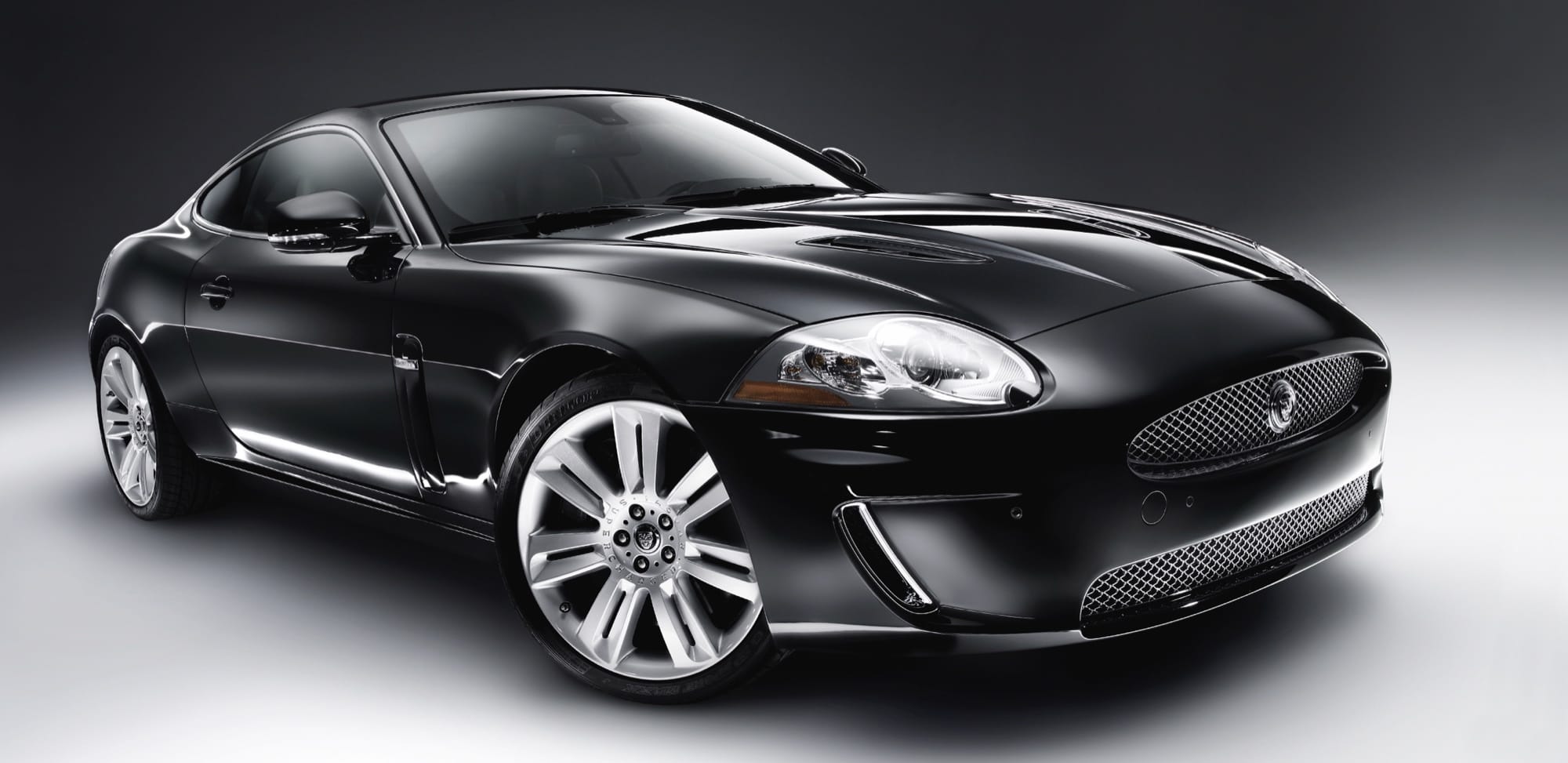
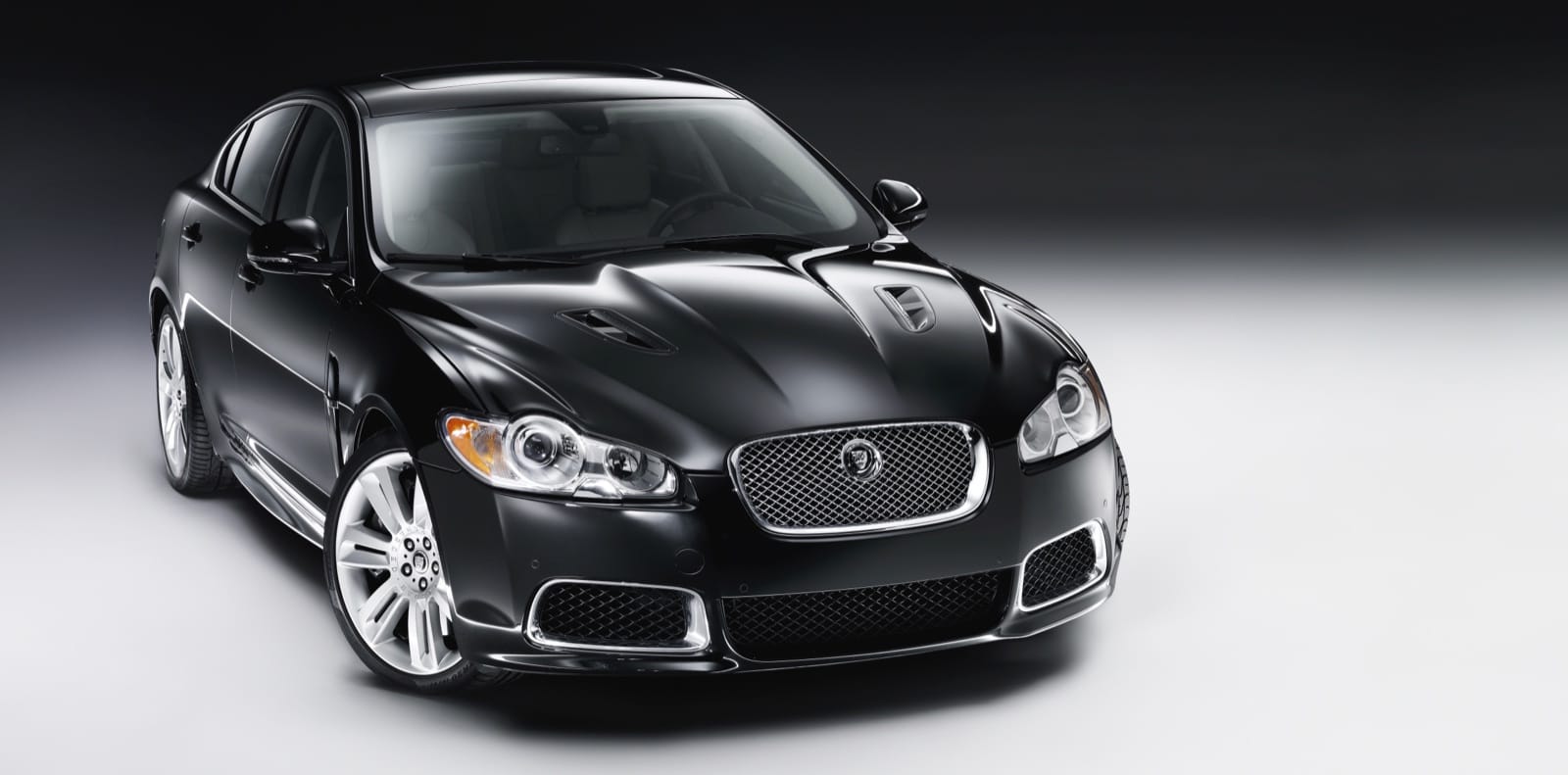
But while it is indeed a sub-compact that has put Tata Motors on the map, the company has been gaining considerable strength in the luxury car market as well, with its 2008 acquisition of Jaguar Land Rover (JLR) for 2.3 billion USD. Jaguar and Land Rover are names that can send any car aficionado into lustful delight. And those with a love for luxury and a passion for smaller SUVs will love “a compact Range Rover, in 4x4 and 4x2 options” which will launch in 2011.
To fully understand the JLR acquisition and how it fits with Tata Motors, it’s imperative to understand that Tata, as a conglomerate, is very much like the GE of India. They sell a variety of consumer products - from mineral water, to tea, to watches - own and run various manufacturing plants, shopping malls, the famous Taj Luxury Hotels, provide phone service through Tata Indicom and satellite TV through Tata Sky. It is hard to even walk out of an Indian airport, upon arrival, and not stumble upon something Tata.
So Tata Motors’ greatest strength lies within the company’s “goal to offer a complete bouquet of products in relevant markets” as their spokesperson stated. The key to success in the current economic climate is flexibility. Selling only one type of product could mean financial suicide in a volatile economy. Tata Motors is clearly doing something right if they can confidently answer “the Indian market has recovered and we are optimistic” when asked how the economic recession has affected them.
While the Nano sells in India and Jaguar Land Rover dealerships see inventory fly out of their showrooms in this new consumer market, Tata Motors is continuing its tried-and-true exports of Tata trucks - the company recently shipped 1,000 school buses to Saudi Arabia - selling Italian carmaker Fiat exclusively in South Asia and manufacturing their compact sedan, the Tata Indigo CS “which became a best-seller in the year of its launch, 2008 and opened up a completely new market for upwardly mobile young professionals.” The Indigo also comes in an e-CS version, which boasts a record as “the most fuel efficient sedan in India”.
What may concern sceptics is how Tata fits within the luxury market. The company is known mostly for building trucks and extremely low-cost cars that still haven’t met US safety standards. And Tata Company chairman Ratan Tata may not have eased the minds of those customers who have relied on the heavy-bodied safety records of JLR when he stated that “JLR is planning to have all its future cars constructed with light weight aluminium bodies resulting in considerable savings in weight, and reduction in CO2 emissions."
But this past May, Tata Motors saw a 72 per cent surge in sales under its UK-based Jaguar and Land Rover brands, so Mr. Tata’s unconventional vision appears to be right on target once again. And even automotive insiders like AutoTrends consultant Joe Phillippi agree that “Tata wouldn't even try to radically change things. Their challenge now is to keep up with the competition — Mercedes, Lexus and BMW — in bringing new product to market.” A challenge they will gladly take on, head on.
Bespoke recently reviewed the Range Rover Sport (Issue 19) and the new Jaguar XJ (this issue) and can happily report that, judging by their latest releases, both companies are in rude health.
www.tatamotors.com