There have been only a handful of great architects in the last couple of decades; from Oscar Niemeyer and Tadao Ando to Jean Nouvel and Zaha Hadid, all winners at one time or another of the prestigious Pritzker Prize. Each year, the Pritzker Prize, essentially the Nobel Prize for architects, is given to a deserving individual for their outstanding accomplishments in the field.
Only one Pritzker Prize since its inception has ever been awarded to a pair of architects, namely Jacques Herzog and Pierre de Meuron. The two, after all, have created together some of the 21st century's most stunning buildings with unparalleled yet understated flair. "A building is a building" says Jacques Herzog. "It cannot be read like a book; it doesn't have any credits, subtitles or labels like pictures in a gallery. In that sense, we are absolutely anti-representational. The strength of our buildings is the immediate, visceral impact they have on a visitor."
There is a definite cultural slant to their work, meaning that their endeavours tend to concentrate on museums, and other venues appealing to our intellect. However, fashion boutiques, various public buildings, as much as sports complexes and offices buildings are part of their impressive portfolio, too.
But it's the outside-the-box thinking, the strong impact that has set the Swiss architects apart. "One is hard-put to think of any architects in history that have addressed the integument of architecture with greater imagination and virtuosity" says Pritzker Prize jury chairman, J. Carter Brown.
Take for example the Tate Modern, converted by the daring duo and their team from a power plant into London's museum of modern art. Herzog and de Meuron had won the architectural competition over many others as their proposal retained much of the building's essential character – a worthy challenge that garnered much praise from colleagues and critics alike.
While the Tate Modern may have propelled them to new heights, the architects' native Switzerland has been appreciative of their originality since the 1980s. Swiss cough-drops company, Ricola, has been working with Herzog & de Meuron for many years. The pair had designed the company's warehouse in Switzerland and distribution centre in France. The latter particularly stands out for its printed translucent walls that illuminate working areas with pleasant filtered light.
In Tokyo's fashionable Aoyama neighbourhood, the architects brought design and culture to luxury shopping. As Jacques Herzog puts it, the aim was "to reshape both, the concept and function of shopping, pleasure and communication, and to encourage the meshing of consumption and culture." The 2003 Prada store exhibits the hallmarks that made the two architects famous –striking simplicity, innovative spirit, and utterly surprising results.
Lozenge shaped windows, some concave and others convex, transform it into "an interactive optical device" that, according to Herzog, “seems to move as you walk around it.” This enhances the shopper's awareness, involves the participant in the design and creates a sensational experience.
One of the most recent examples of Herzog & de Meuron's work is in Weil am Rhein, Germany, at the Vitra Campus – a museum park of buildings and collection of masterpieces exclusively drawn up by world renown architects. Alongside buildings by Frank Gehry, Zaha Hadid, Alvaro Siza, Jean Prouvé, Nicholas Grimshaw and others, Herzog & de Meuron have built VitraHaus, a complex made of streamlined structures housing Vitra's designer furniture. The deceptively uncomplicated stack of blocks hides an intertwined 'secret world' as Herzog & de Meuron describe it. Multiple platforms and stairways steer the awestruck visitor through the structure and through labyrinthine mystique. Here dwells Vitra's Home Collection, a fitting mishmash of furniture and accessories, perfectly in balance with the pair's handiwork. The 12 "houses" are stacked, interpenetrated and cantilevered to create a 3D effect, epitomising Herzog & de Meuron's talent for creations that are simple and utterly ingenious at once. The positioning of these so-called houses is not haphazard, but interacts harmoniously with the scenery and nature outside.
Germany will also be home to one of Herzog & de Meuron's next coups, the controversial Elbphilharmonie in Hamburg. The concert hall is part of a major revitalisation of the Hafen City quarter and will lead to what officials are calling a cultural transformation. The high cost of close to half a million Euros has many sceptics saying that the money could be put to better use in supporting the city's existing cultural institutions. Outspoken proponents on the other hand say this is exactly what the city needs: an architectural icon at the level of Frank Gehry's Guggenheim Museum in Bilbao, Spain – a magnet for cultural events, hotels and economic boom. In 2012, upon the project’s completion, it will stand out as a model of both architecture and breathtaking acoustics, while a large part of the original warehouse structure and its elements will remain intact —a tribute to its history.
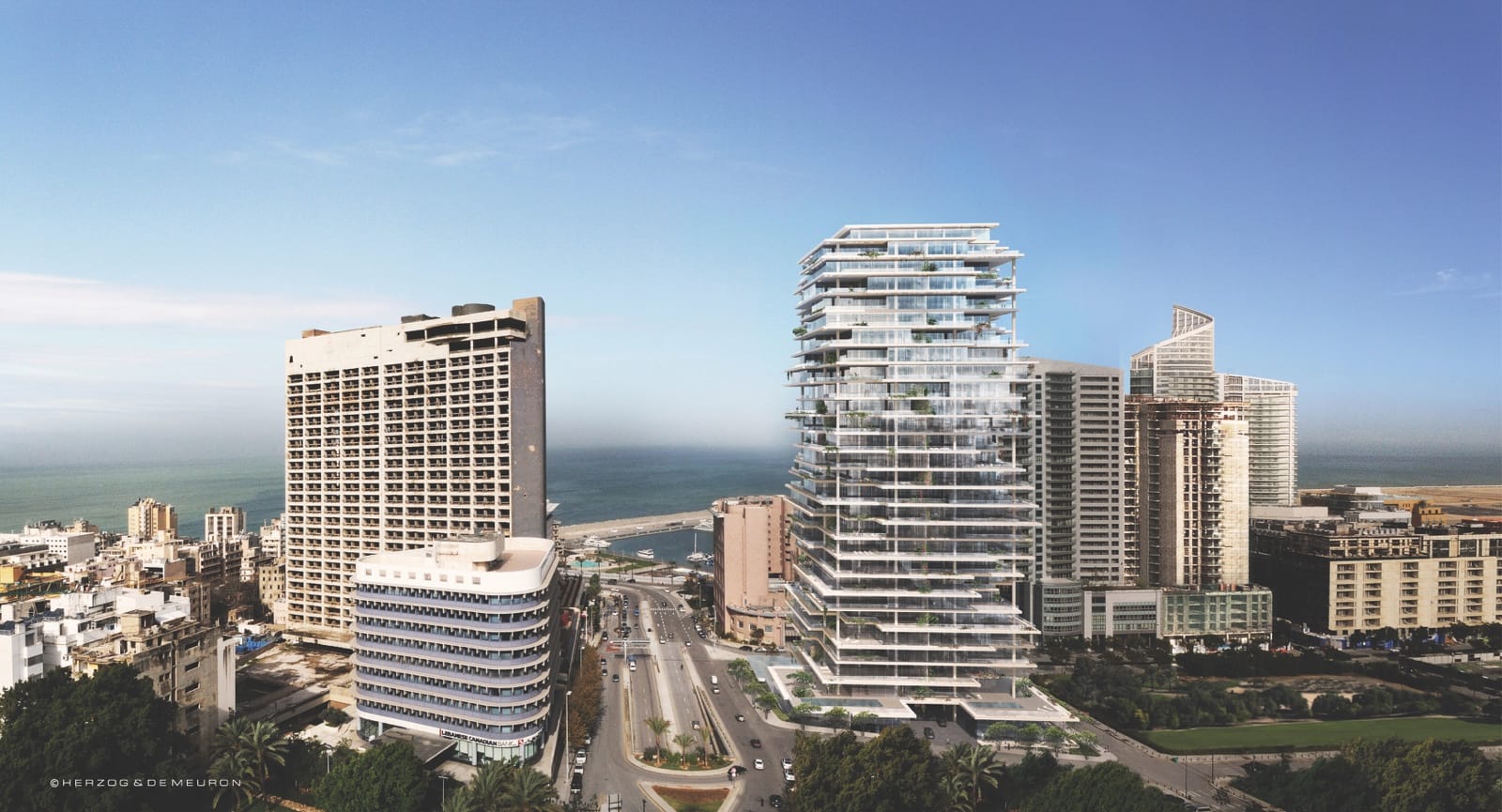
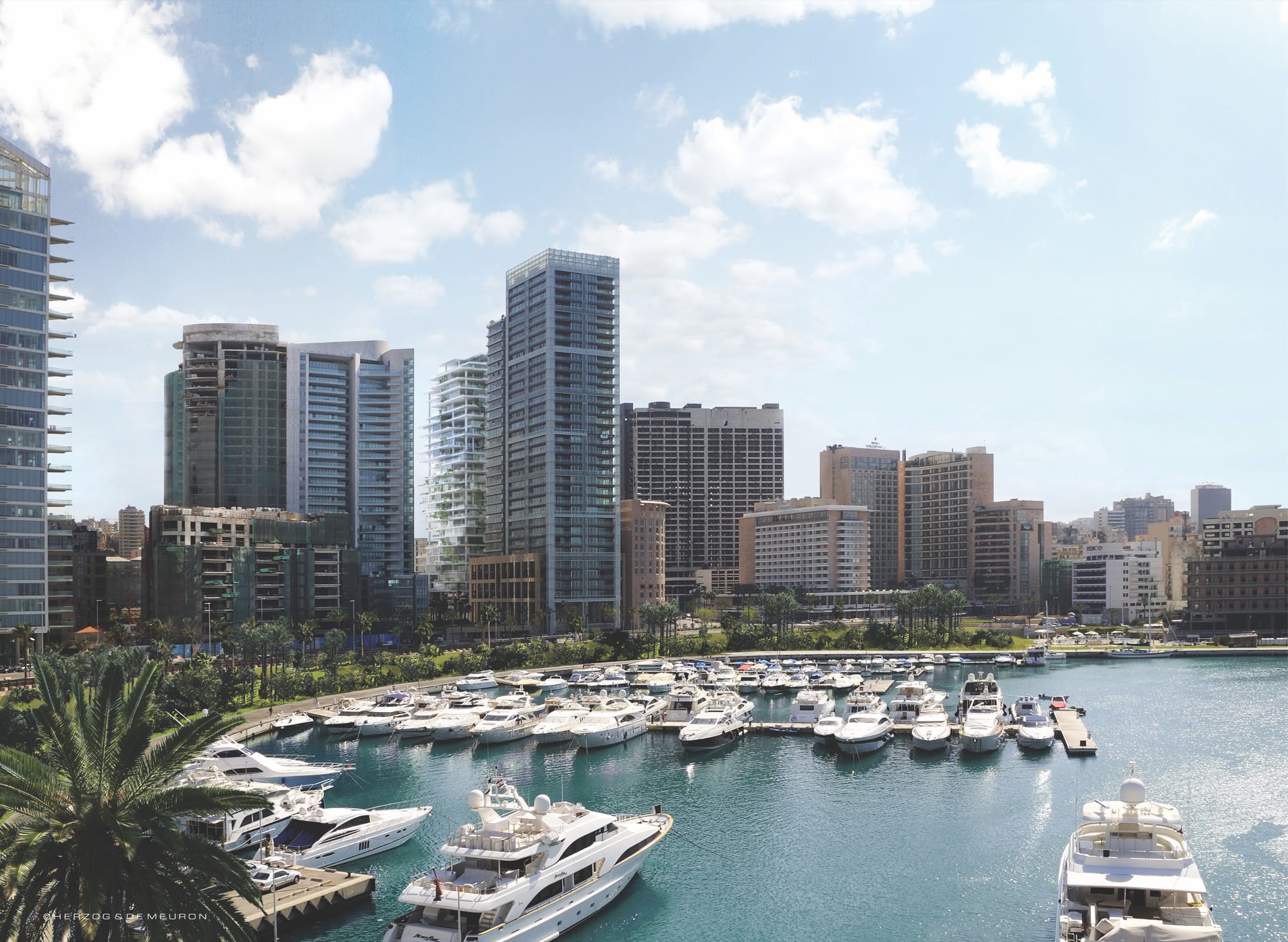
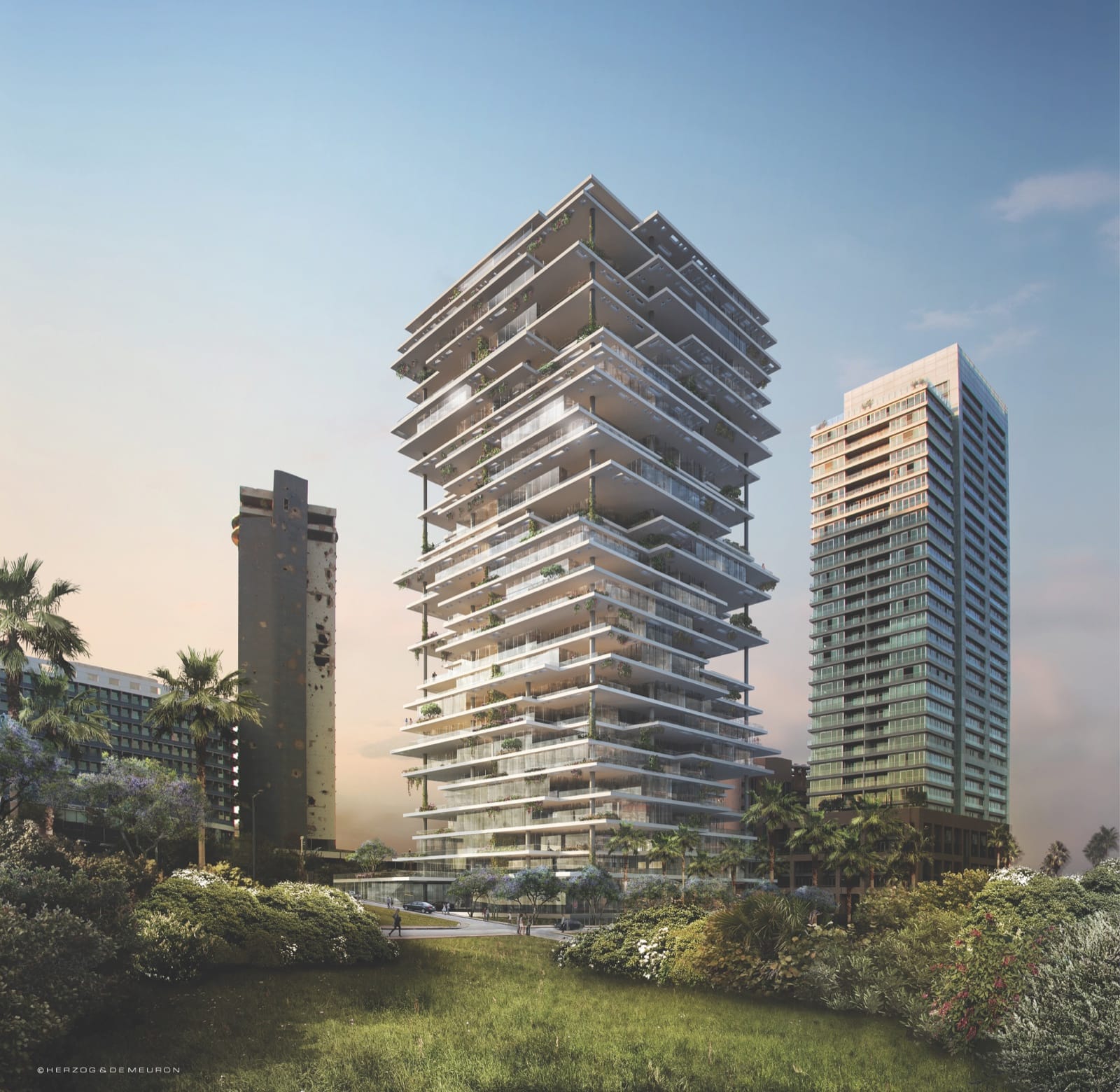
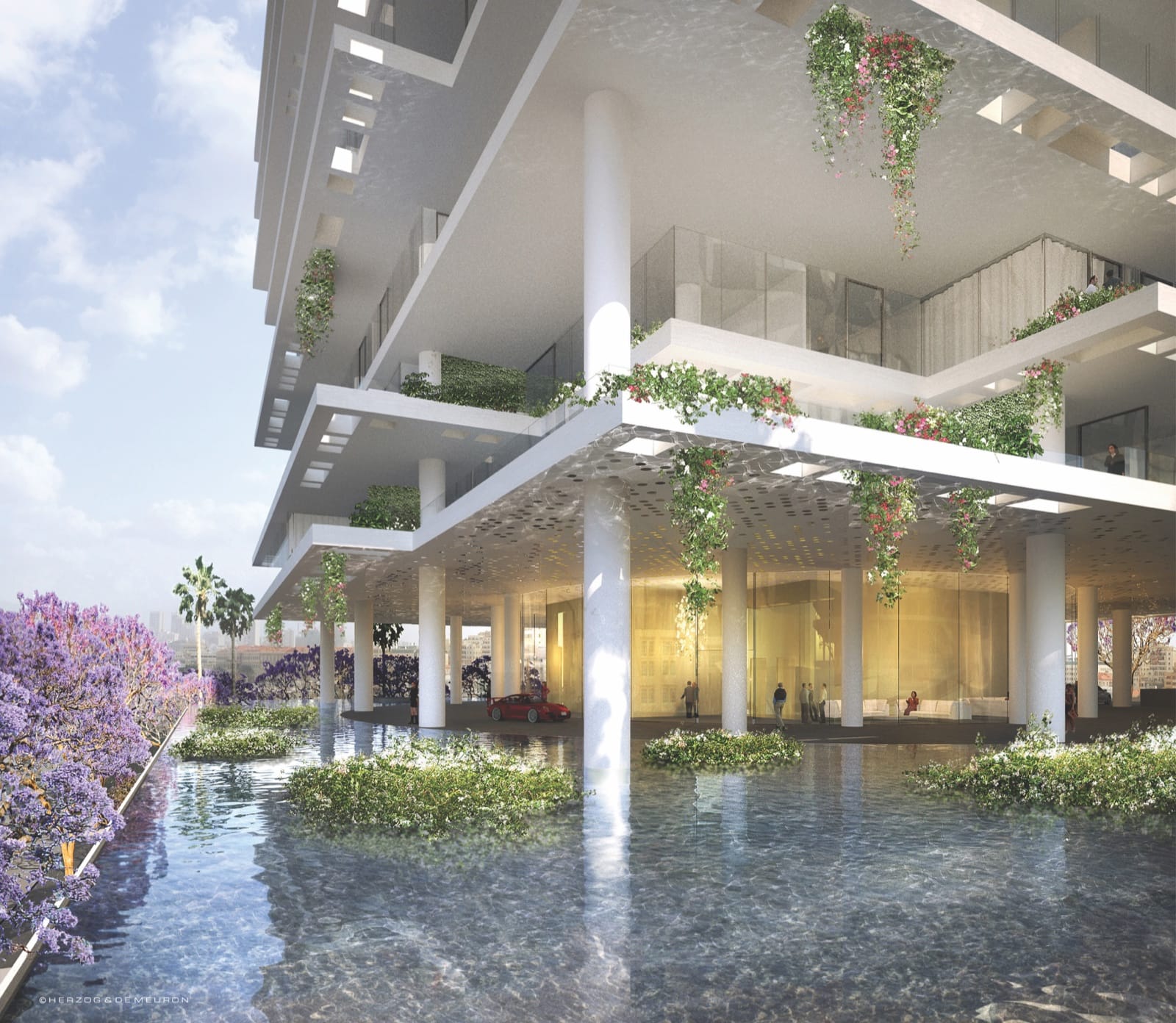
Closer to home and slated for 2013 is Beirut Terraces, the Herzog & de Meuron's first true residential foray into the Middle East. This residential building in the Downtown hotel district will represent a Mediterranean near-seaside complex that takes full advantage of the city's moderate climate. Behind the cantilevered effect and landscaping there is a green philosophy that has so far eluded the Middle East for the most part. Countless overhangs offer shade, thus reducing the building's solar gains, employing perforations to manipulate the levels of light and sun exposure. This clearly distinguishes the tower’s identity from its surroundings, so do the greened terraces. The thickness of the floors, in the meantime, balances indoor climate conditions, storing heat over the day and releasing it during the night. Herzog & de Meuron, it seems, have opted for an intelligent and visually unique entry into the region.
Renowned Spanish architect Rafael Moneo, yet another Pritzker prize winner, has pinned down the pair's philosophy very well. He identifies them as being "among the very few architects whose work can be interpreted as an effort to regain architecture's original grounds." Moneo concludes that "a search for primariness, for direct contact with the constructive essence of architecture, characterises their work and differentiates it from that of others of their generation, with whom they diverge in their emphasis on originality." A fairly complex observation perhaps, but without a doubt these two architects and their team are transforming little corners of the world into exciting and intelligent spaces that notably reflect man's genius in construction, rather than destruction.