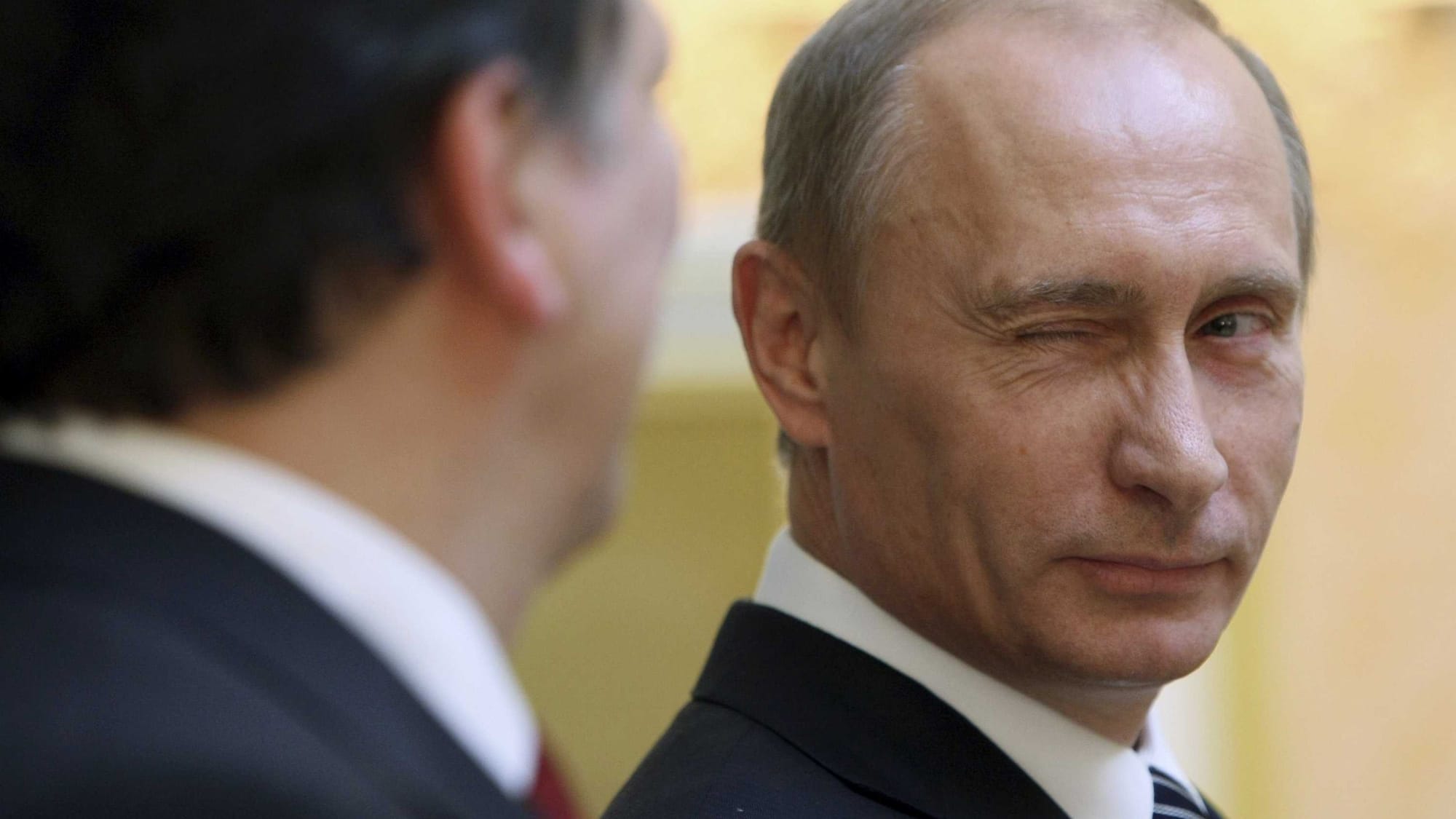
The city is Mr. Putin's own hometown and also that of his inner circle. The CEOs of his two energy giants, Rosneft and Gazprom and two of Russia's largest banks, Sberbank and VTB, all hail from here.
Putin did not rush to highlight his St. Petersburg roots after taking over the presidency in 2000. But now into his third term, interrupted by a stint as prime minister, one can see his imprint on the city and a desire to build a legacy in Russia despite efforts to isolate him in the form of economic sanctions after his annexation of Crimea.
At 2 trillion USD, Russia is ranked as the world's 8th largest economy but rather than hosting the G-8 Summit here in June, Putin was snubbed by the West and a G-7 meeting was held in Brussels without him. Instead of caving under the pressure from U.S. President Barack Obama and German Chancellor Angela Merkel, President Putin went on a mission to try and re-boot his languishing economy.
After growing over 4 per cent during the height of the global financial crisis – and chiding the U.S. for careless bank regulation – Russia's economy continues to weaken, growing just 1.3 per cent last year. The impact of sanctions, the World Bank warned, could tip Russia into recession in the second half.
Putin's answer was to tilt east to Asia. After ten years of ‘on-again, off-again’ negotiating over pricing, he secured his prize just before his annual gathering; a 30-year, more than 400 billion USD contract to supply China with natural gas. It is being described as a game-changer and balances Russia’s customer base between Europe and Asia. To highlight the moment, President Putin invited the Chinese vice-premier to his showcase roundtable in front of a crowd of 2000 loyalists.
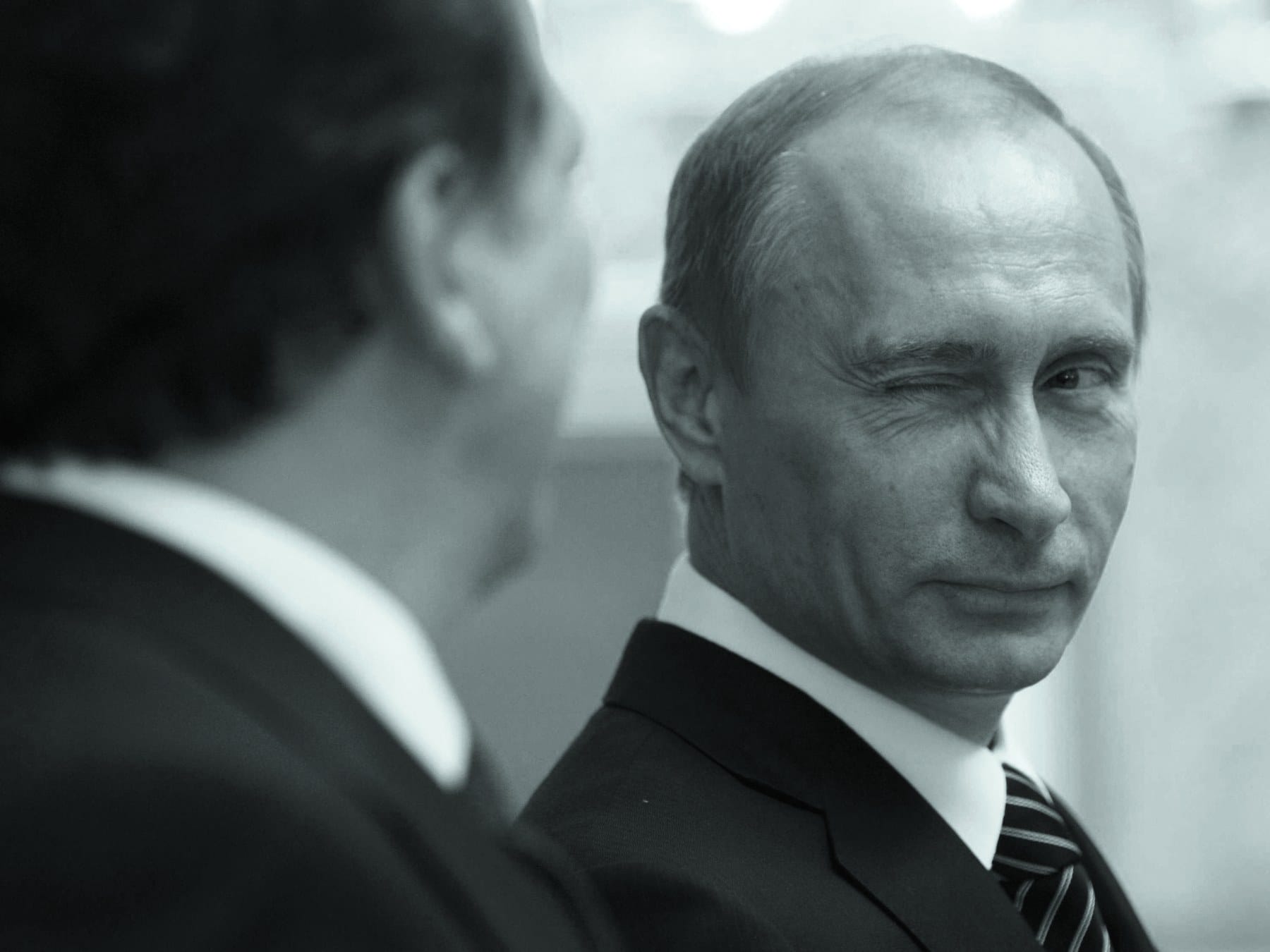
Beyond the deal with China, the Russian President went out of his way to present images of an engaged leader in constant dialogue with corporate titans and one helping to deliver results to his constituents. Putin stood with a proud grin behind Igor Sechin, the CEO of Rosneft, as he officially signed off on a recent agreement with his counterpart, Marco Tronchetti Provera, of Italian tyre-maker, Pirelli.
Chief executives of six other companies all made their way to St. Petersburg to officially sign off agreements in front of attendees and the media, even though many of the deals were done much earlier in the year.
While the Russian President conveyed a stance of being undeterred by efforts to isolate him, a key member of his cabinet conveyed a message of moderation. "This is our message,” Alexey Ulyukaev, Russia's Economic Development Minister and a member of Team Putin told a roundtable panel I chaired there, “nothing personal, nothing political, just business."
But politics and business have clashed over Ukraine. President Putin's move to annex Crimea may have boosted his poll ratings at home but it certainly has not helped his standing in global business.
"This problem is not the sanctions themselves which are in place at the moment," said Dmitry Konov, CEO of the Russian natural gas and petro-chemical group Sibur, "but rather that most of our partners don't know what to expect, if anything."
This is a far cry from what SPIEF 2013 had to offer, where I was invited to chair a two-hour session with the Russian President and his German counterpart. One could feel the tensions between Putin and Berlin’s Iron Lady on stage but then, the two put business interests ahead of politics and as I peered into the audience, it was evident others were taking the same position. A Who's Who of global business were seated in the first few rows: chief executives of GE, Alcoa, Royal Dutch Shell, BP, Exxon-Mobil, Total, Philips Electronics and too many bankers to count.
After intense pressure from the White House due to the sanctions, this year, American CEOs decided either not to show up in St. Petersburg or to avoid being spotted at public sessions.
It will be difficult for publicly traded companies to do that for too long since they have to answer to shareholders. As a market of 140 million consumers and a key energy-producing country, Russia is hard to ignore and the reality is that despite moves to isolate the tough-minded Russian president, Europe and now China are dependent upon him for energy and will likely remain so for a decade or more to come.