Trying to track Alexander Asseily down is close to impossible. Thanks to the voracious expansion of Aliph, home is often a flat-bed in the air. When he’s on the ground his life is split between the company’s HQ in San Francisco and London, the city he grew up in. “I wasn’t supposed to grow up in the UK,” says Asseily. “I’m half Lebanese and until that little war intervened I was all set to go to school in Beirut.” Instead he was sent to Eton where he acquired the manners and diction of an Englishman and it’s a shock when this tall, blonde 33-year-old speaks (almost fluent) Arabic. From Eton he decided to avoid the Oxford/Cambridge route and instead went to Stanford to study product design and mechanical engineering. When asked where ‘home’ is he replies, “Nowhere right now. I have a sense of belonging to Lebanon, but day-to-day life is probably most rewarding in California and I feel the most comfortable in London. They each give me something different, it makes it quite tricky to reconcile it all.”
In London Asseily lives in a flat on a broad, leafy street near trendy Notting Hill. It’s not far from where he grew up. The ceilings are high and it’s sparsely decorated. “My objective was to have a place that’s relatively calming to come back to. I don’t want clutter.” The flat represents his cultural mix with kilims on the floor, British, Lebanese and Russian paintings and stylish modern sofas. There are a few carefully placed striking modern sculptures done by Asseily who has been working with marble since his days at Eton. As he gets the blender out to make breakfast he admits, “I’ve become quite Californian in many ways. I usually wake up around 6.30 am and do yoga, run or go to the gym, that mind/body thing has rubbed off on me. I burned myself out a couple of years ago and am really wary of not getting the balance right.” He says as he self-consciously makes his favourite breakfast smoothie, quickly liquefying an eclectic pile of fruit and vegetables from avocados, to dates, blueberries, coconut water, oranges, mint and grass powder.
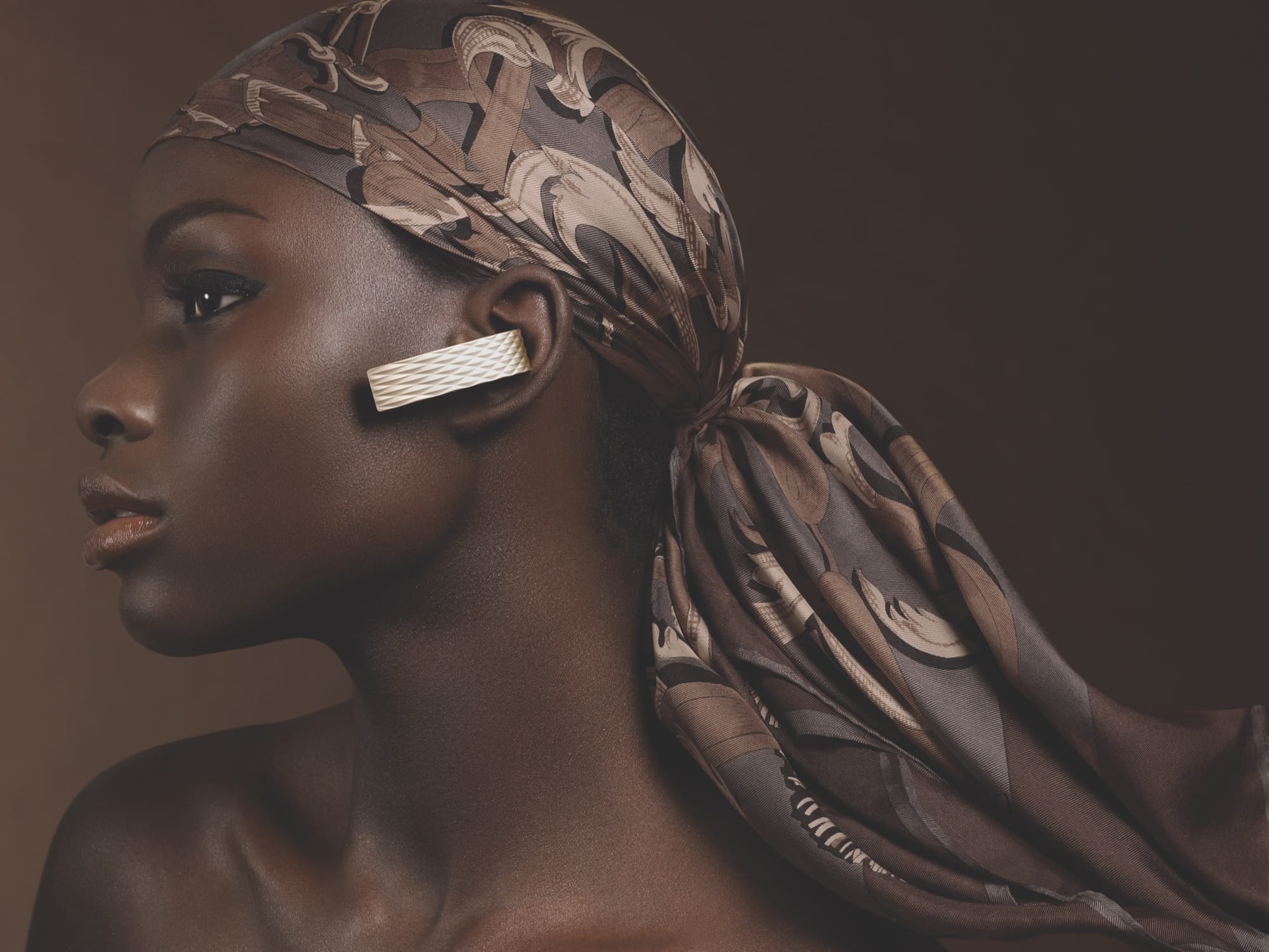
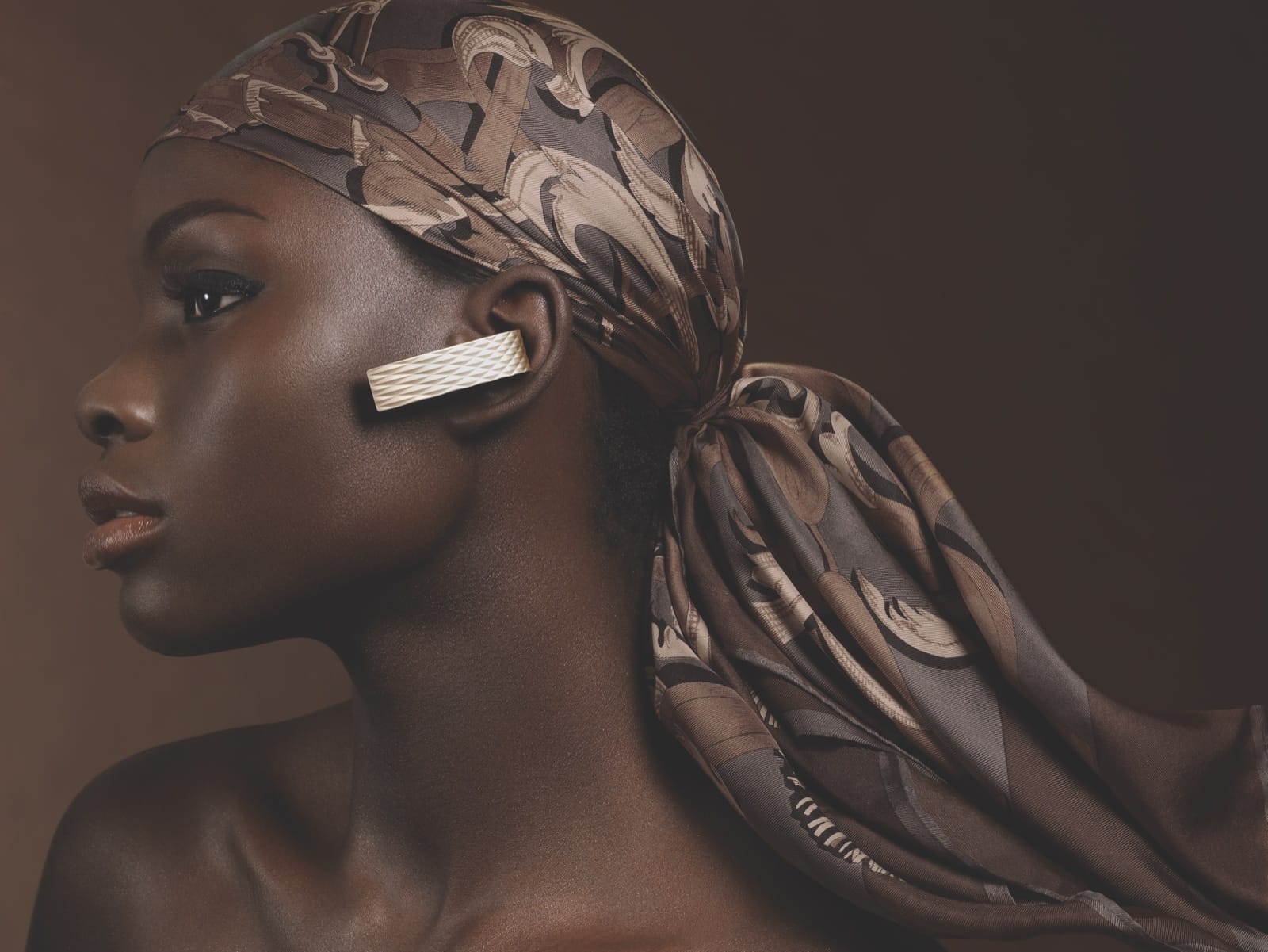
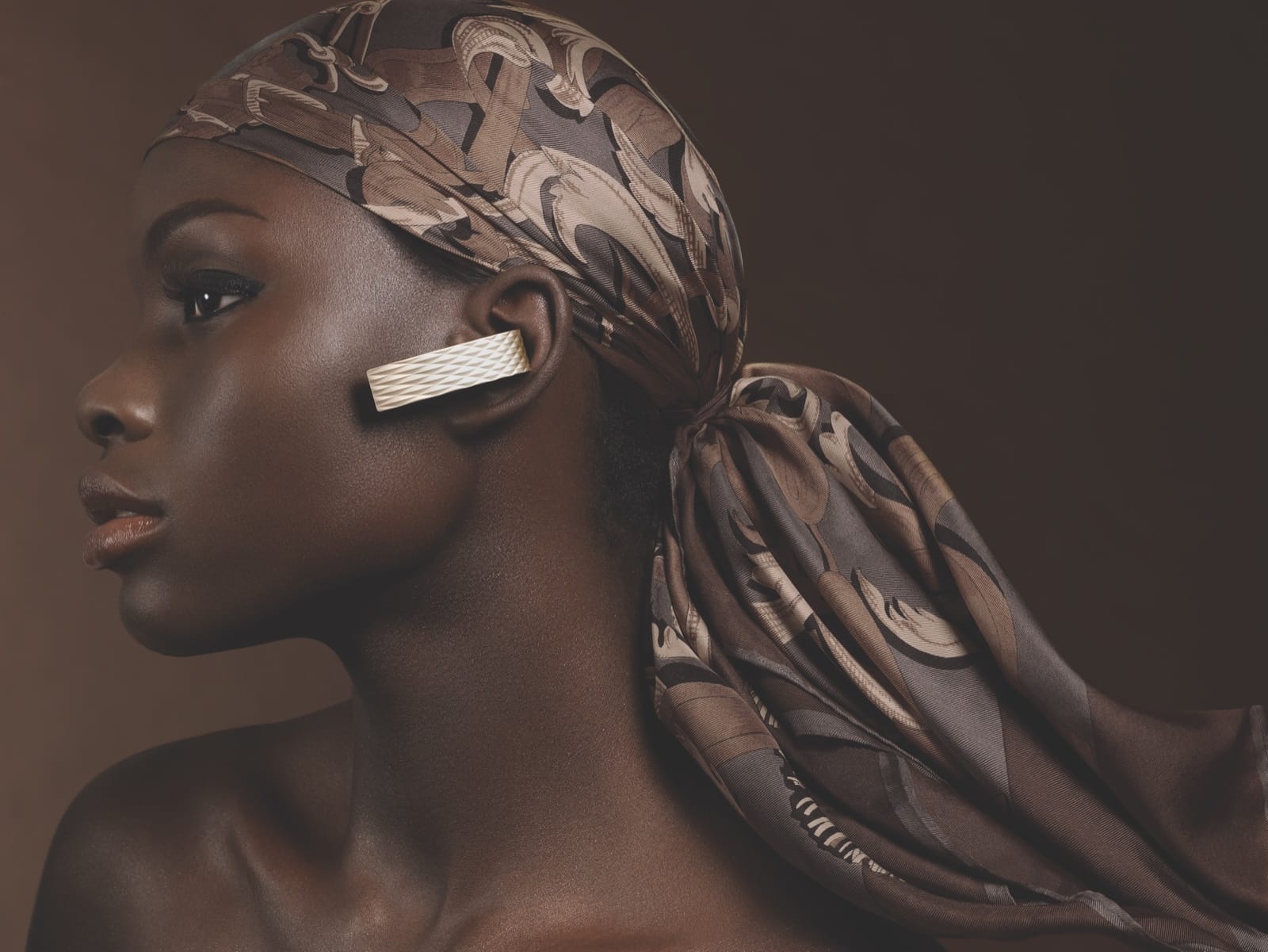
Asseily became interested in voice technology at Stanford post-grad where he worked on a project for BMW. “We designed a whole new car security entry system for them which almost killed me but was a very good real world lesson in how you innovate and think about product design.” From this he realised that user experience was tantamount. “The thing that mattered the most was empathising with the user and what they care about emotionally. Look at Apple, there were tons of MP3 players before the iPod but they figured out how to make that emotional connection through form and software.” He also became interested in voice technology and mobile phones. “I realised that in the future user experience would be focussed much more on wearable technology, hands free, on controlling things with one’s voice. Solving noise issues was obvious, when you look at mobile, 95 per cent of what people do is talk, but surprisingly little innovation has gone into making people heard properly.” Asseily and Hosain Rahman, Aliph’s Pakistani/Californian co-founder and fellow Stanford grad, both felt passionately about the challenges facing voice technology and formed Aliph when they were in their early twenties. “We called our company Aliph because we deal with language and speech but we also wanted to express our sensibility to the Middle East and Islamic culture,” says Asseily. Their research into noise suppression and voice technology was so impressive they attracted the attention and funding of The Defense Advanced Research Projects Agency, who wanted to enhance communications in the most hostile and rugged environments. NoiseAssassin, their proprietary technology, became the first of its kind in the world. The headset is called Jawbone as it feels speech through the vibrations in the jaw, allowing it to identify and isolate speech by determining precisely when you are speaking and separate your voice from other sounds nearby. At first, Asseily and Rahman were dismissed when they suggested there was a commercial application for their technology. But their vision persuaded Sequoia and Khosla Ventures, two of California’s leading venture capital funds, to invest and Jawbone swiftly became the leading Bluetooth headset brand in the USA.
Success comes at a price though, and Asseily finds himself in meetings for most of his working day. “Lots of people need a piece of me from engineers, to marketing, product development and emerging markets. In between I catch up on emails or am on a flight somewhere.” But Asseily isn’t purely focussed on the commercial and when he does have a spare minute he is looking for ways to use mobile technology to help out the developing world. “Mobile phones and the ability to communicate remotely are having one of the greatest impacts in pulling people out of poverty. We’re looking for ways to apply our technology responsibly in emerging countries. It keeps me inspired,” he says. This sense of social responsibility is ingrained in Asseily through his family. His mother helped created The Garden of Forgiveness (Hadiqat As-Samah in Arabic) in Beirut. She wanted to find a way to break the intergenerational cycles of violence and pain in individuals, families, tribes and nations. As a witness of the civil war in Lebanon, she came to realize that lasting peace there, or anywhere else, would not be achieved until people were able to instil forgiveness.
Asseily is excited to launch Jawbone in the region as it means he may be able to get back to Lebanon more than once or twice a year. “The Middle East is such a dynamic market, full of movers and shakers and Lebanon is a particularly busy crossroads of cultures. The diaspora is huge so you have people from all over the world coming back with ideas, different viewpoints, cultural traits, with a strong mix of capitalism because of the enterprising nature of the Lebanese.” Asseily’s entrepreneurship is probably a combination of the Lebanese drive for business, the British ‘get on with it’ attitude and spending time in California where you’re encouraged to take risks. “I’d always had a passion for creating new things and there was no better place to go off and do it. In the UK people are terrified of sticking their necks out and failing because there are huge consequences for doing so. When you fail in California people respect you for trying and appreciate that you gain experience from the challenges.”
Asseily likes challenges—when he gets a chance to unwind he kite-surfs or goes heli-skiing. In London he rides around on an electric skateboard, which goes so fast policemen on bikes in Hyde Park recently stopped him. “I was cruising on the grass with my new off road wheels and I looked behind me to see two policeman chasing me down. They pulled me over and said ‘what is that thing?’ When I told them it was just a skateboard with a motor, they responded that motorbikes were just bikes with engines and escorted me out of the park.” Asseily does one of his very boyish, infectious giggles before adding, quite seriously, that he thinks skateboards might become interesting transport options in the future. And you can see the ideas start flowing through his mind. What’s next for Aliph? A voice-controlled hover-board perhaps?
Asseily’s two cents on…
Favorite time of the day?
first bite of breakfast
Favorite musician?
Impossible question, maybe James Brown
Most precious thing?
Imagination
Hopes for the future?
More time
Most inspiring person/thing/thought?
Noam Chomsky
What is happiness to you?
Enjoying life with people you love
What would you like your legacy to be?
A really delicious hot chocolate