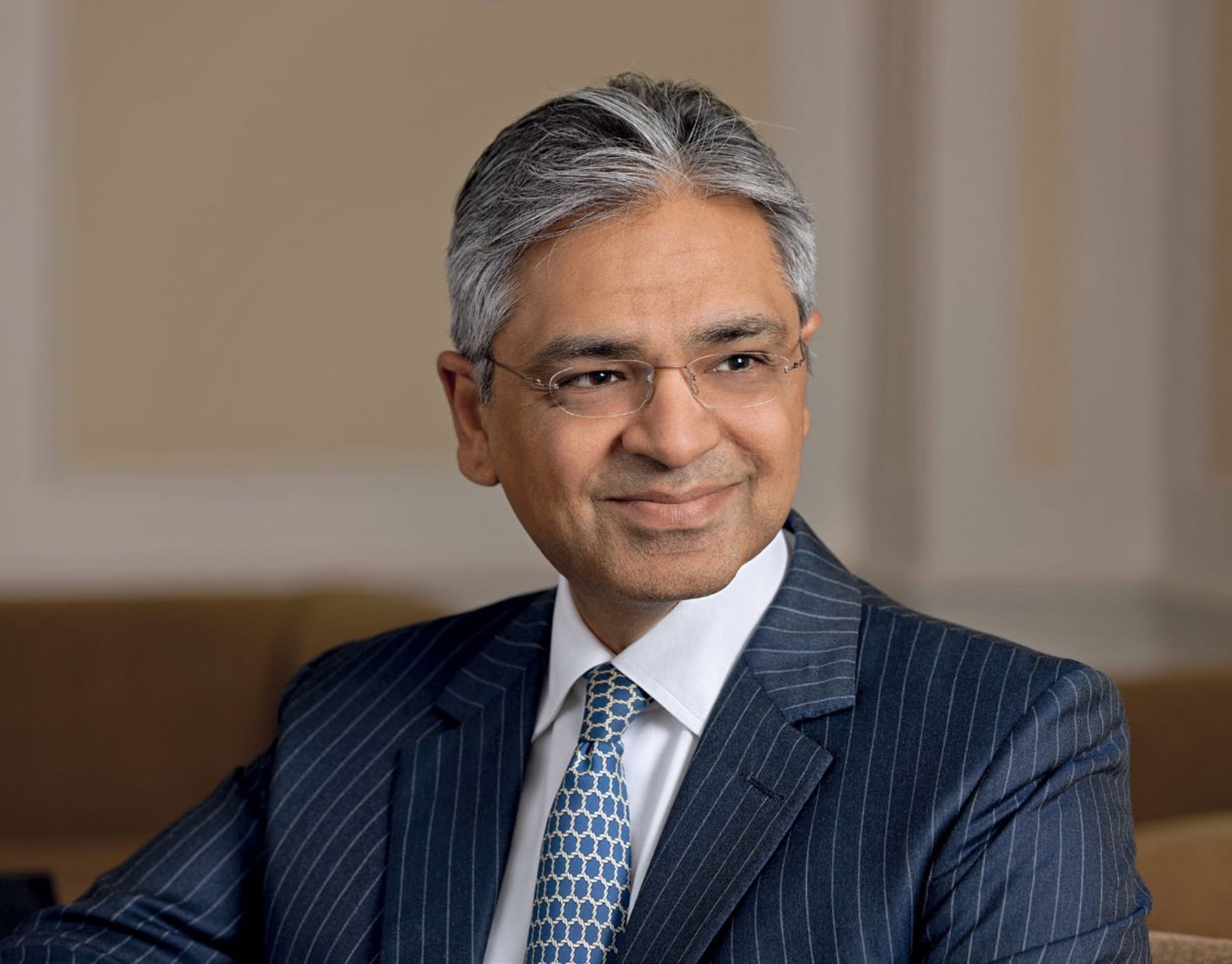
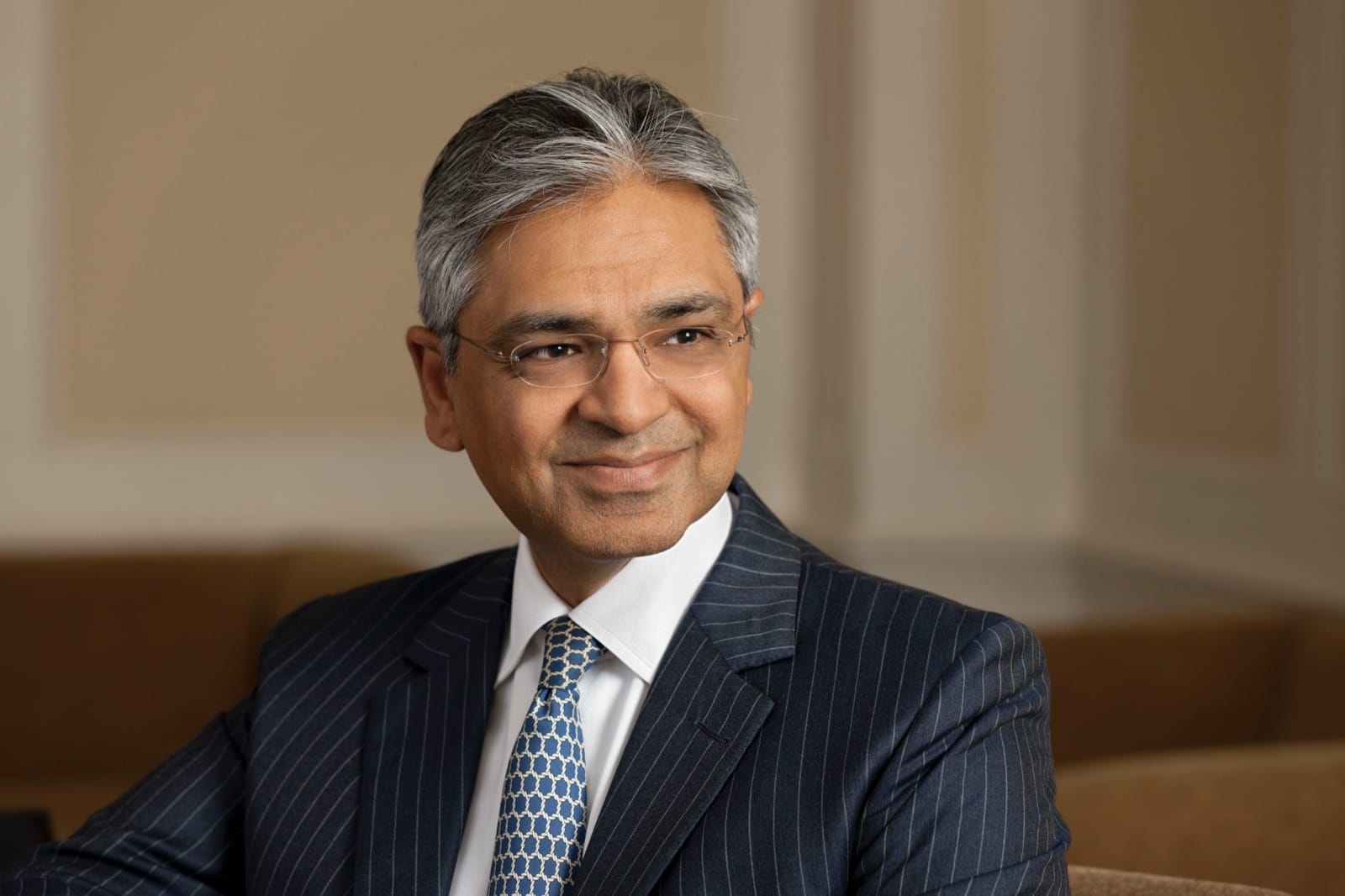
As we stroll through the glassy walkways circumventing the lofty, glass-roofed atrium at the Coutts HQ, 440 Strand, Mohammad Kamal Syed gives me an impromptu history lesson in philanthropy.
He pauses mid-corridor beside the portrait of a genteel, bonneted Victorian lady, Angela Burdett-Coutts, granddaughter of the bank's founder and close friend of Charles Dickens. This 19th century grande dame isn't celebrated for her banking prowess, which was forbidden by the social rules of her era. Rather, she is known for helping redevelop a deprived East London, supporting fledgling cancer research and digging deep to fight Ireland's devastating potato famine.
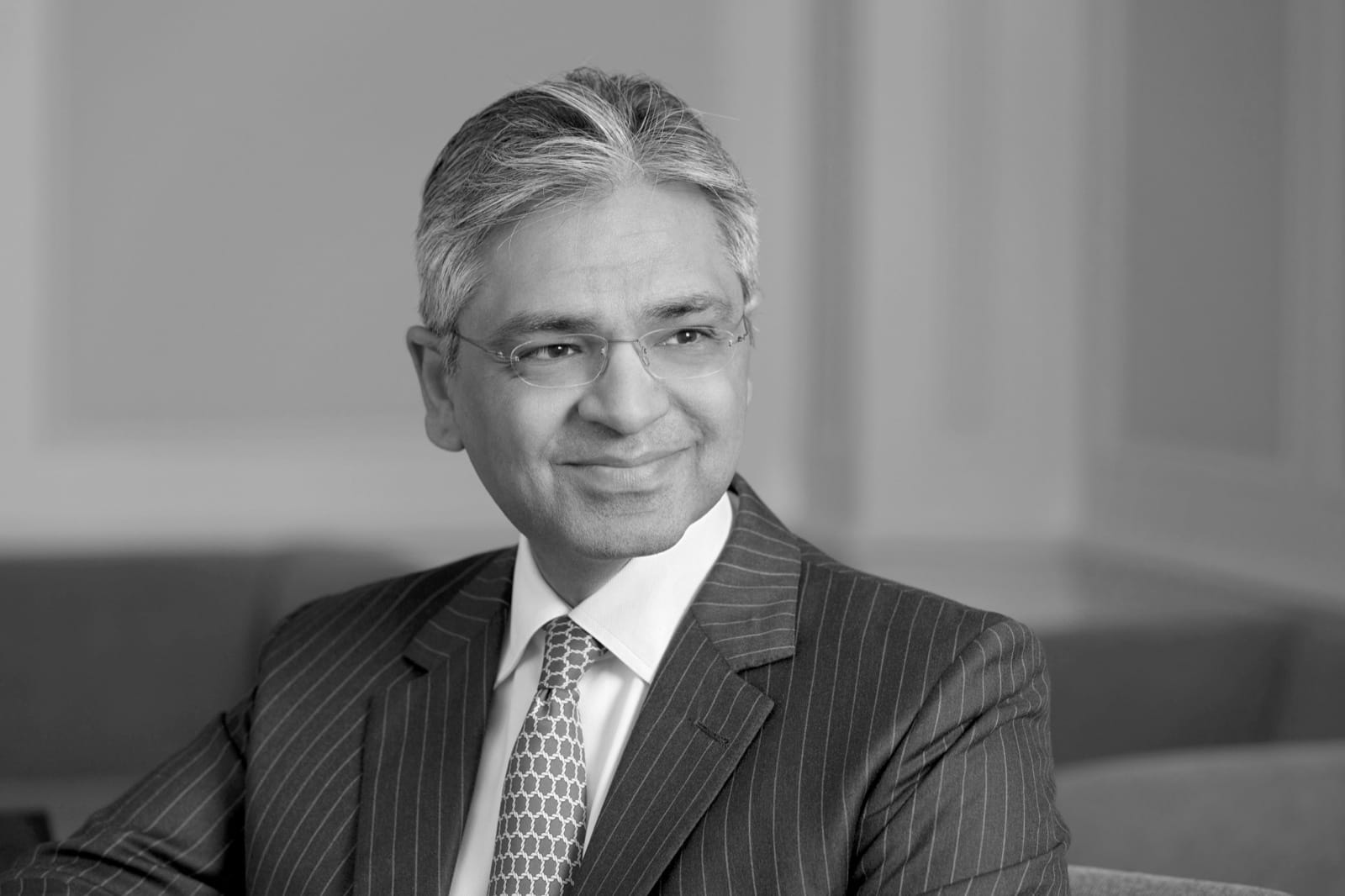
“Philanthropy is a cornerstone for some of the things that we help our clients achieve, just like Angela Burdett-Coutts did,” explains Syed, Coutts' managing director and the man responsible for some of the bank's most sophisticated investment clients.
In a similar vein to the altruistic baroness, ultra high-net-worth individuals are now finding out that 'tangible' pleasures far outweigh monetary investment in future ‘happiness stakes'. As a result, a market for alternative investors – philatelists, classic car buffs, watch and fine art collectors – is developing.
“Over the last decade, many of our clients have been buying in assets of an emotional nature rather than a monitoring nature,” Syed says, as we settle in a meeting room that’s draped in contemporary art.
“The wealthiest of our clients were starting to pursue their passions,” he continues, “They had created their business and their wealth and they wanted to pursue their hobbies with stamps, contemporary art, classic cars or jewellery.”
The global financial crisis also contributed to the emergence of this new ‘passion assets’ market, since there was a corresponding uncertainty surrounding cash investments. And last year, Syed masterminded the first Coutts Index, a glossy report benchmarking the global performance of these passion assets. “It's very emotive and passion-orientated and it's also unique. It's about 'me'. I like that particular painting by that particular artist and I own it. It's the experience of what money can't buy,” he explains as he sips his afternoon tea.
With the help of a third party research firm, Syed collated a decade's worth of verifiable, sample information from public records, auction houses, trade sales and dealers to measure the performance of 15 categories of passion assets, including fine art, classic cars, billionaire property, stamps and jewellery.
As I flick through the index pages, I am stunned by the extortionate value of some of these passion commodities. A Francis Bacon triptych, ‘Three Studies of Lucien Freud,’ went under the hammer for 142.4 million USD in 2013; I see a vintage Rolls Royce Chinese Eye Convertible valued at up to 300,000 USD and a single De Beers pink diamond worth 125 million USD. I wonder what it is that inflates the prices of these treasured objects given the actual value of an object's raw materials is next to nothing.
Syed explains this to me. “A painting is just canvas, paint and the artist's brushstrokes. Intrinsically, there is not a lot of value in that. It is because of who that artist is and the brand and genre that they have created around themselves,” he says. “Classic cars are old, rickety, noisy and they break down. When you break them into constituent parts, they’re not really worth anything, it's scrap value. But because the car has provenance – it is a historic brand, it has won a race, or perhaps it was raced by Sir Stirling Moss, it suddenly comes alive.”
And so the owners want to tell a story that is unique about their collectables since it's this uniqueness that lends them premium value. “You could have two identical cars, manufactured by the same manufacturer, from the same year and same period, but one of them may have been owned by a very famous individual of the time – a head of state, a famous film star, a famous business person or a famous racing driver, so the value is much higher than the identical car that doesn't have that history,” adds Syed.
In the emerging Middle Eastern market, there’s a young, eager and entrepreneurial population, which has driven investment in passion assets. Indeed, Syed has spotted specific trends in our region. “There is a huge diaspora in the Middle East collecting arts, which falls into two categories: Islamic or Middle Eastern art and art of the region, both historic and contemporary.”
Art fairs and new museums in Qatar, Dubai and Abu Dhabi have also fuelled the recent local interest in fine art. The Art Dubai fair now showcases work from 90 countries in the UAE and internationally, while Doha's museum of modern art, Mathaf, is the first of its kind in Qatar.
“Qatar has been a huge buyer of Islamic art and artefacts and it’s arguably the biggest in the world, and the works are all housed in their museum in Doha. It has created much more awareness as people start off with an interest in their own artists, again both historic and contemporary,” Syed remarks.
When I get to the property pages of the report, it's evident that Middle Eastern investors are also putting their hearts and minds into luxury properties, buying up 'des res' leisure enclaves in the Mediterranean resorts of Marbella and Costa Smeralda, Sardinia.
There is also a growing trend in the region when it comes to classic cars, even if over-heating engines and convertible roofs may mean that vintage cars do not lend themselves to motoring in desert climes. “There's been lots of passion about cars in the Middle East,” says Syed who coyly alludes to being a classic car enthusiast himself. “Modern, one-off supercars have been a huge 'driver' of growth for some of the biggest brands in the world.” I laugh at his unintended pun. “There is also a car culture around Formula One in Bahrain, which has moved the car industry to a different level.”
As we get to the end of the interview, Syed emphasizes that price isn’t the only factor when it comes to classic dream machines, Patek Philippe watches or rare pre-Mao stamps. “The driver is emotion and passion. These are intangibles that you can't put an intrinsic value on. The value is what you or someone else is willing to pay. It's not an alternative asset to pure mainstream investments, it's illiquid, opaque and not transparent.”