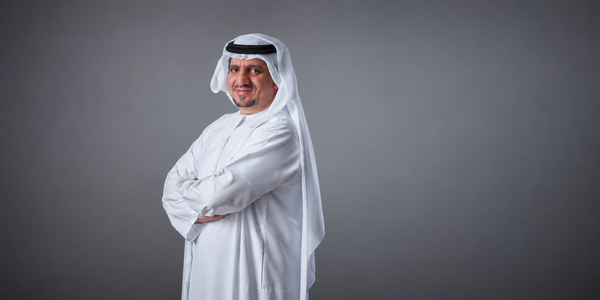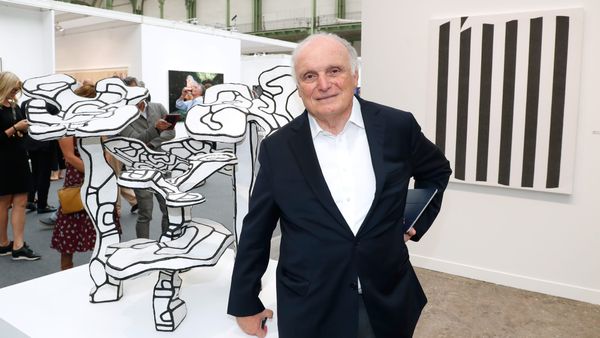
In many ways, Khaled Samawi, the Libyan-born, Dubai-based former Syrian banker-turned-art impresario is a perfect case study of what can happen when hard work, dollops of luck, business acumen, a nose for opportunity and a neglected nation’s cultural assets combine. The result, at least in his case, is a wildly successful operation that today spans the Middle East and is making pioneering inroads into Europe and the United States.
“I just believe that in order for Middle Eastern art to succeed more and more and more, the infrastructure needs to be built beneath it,” Samawi tells me as we chat over the phone, “at this stage there is an abundance of talents but a lack of infrastructure.”
Through his core interest - the Ayyam Gallery – which Samawi founded in 2006 in Damascus, he has managed to turn a passing curiosity about Syrian art into a fruitful passion. Driven by rigorous business sense, over the past six years, the Ayyam empire has become one of the Middle East’s most respected and expansive cultural brands.
Speaking to me from Los Angeles, he tells me he’ll be opening a brand new space in London’s Bond Street, two galleries in Jeddah and early next year and an Ayyam in New York. Given the breadth and global reach of his collector base, as moves go, this one seems daredevil but smart. Still, I ask, is this hubris or shrewdness? Samawi is sanguine.
“When we opened in Beirut after Damascus, there was a lot of friction after Hariri’s murder. Everyone thought I was crazy for wanting to open in Beirut. But it turned out to be a great move. Lebanon has a history of sophisticated and passionate collectors, so setting up there was a no-brainer. We were accepted with open arms. Then, when Hisham (Samawi’s brother and co-director of Ayyam) decided to open in Dubai, they also thought we were crazy. We were the first ones in and we’re still here. Somehow, we tend to get lucky with our timing and with the locations that we pick.”
Building ambitiously on his success in Dubai and Beirut is par for Samawi’s course. A former hedge fund manager, raised in Switzerland and educated in the United States, he sold his business, waved goodbye to 20-hour days and the rollicking world of high finance. He then relocated to his ancestral homeland of Syria in 2001, to spend time with his family and perhaps, get in some decent golf. “I had no business goals,” he says, simply. Whether by accident or by design, when he unexpectedly discovered Syria’s art scene, his professional antennae twitched at the prospect of organising and marketing a treasure trove of talent that despite artists the likes of Safwan Dahoul, Louayy Kayyali and Asma Fayoumi, had hitherto failed to make much of a mark on the global art market.
Having bought some Dahouls himself and realising the artist’s international potential, Samawi bet on the potential interest a properly organised and presented overview of the local art scene could create. He set up a small space in Damascus in 2006. “I knew I wanted to revolutionise the way art was dealt with in Syria,” he recalls. “I knew early on, that I wanted to concentrate on emerging and mid-career artists, as we like to bet on the future, not on the past. We created a competition where we had a chance to look at 150 talented young painters. We chose ten of them and started the gallery.” And success beckoned almost immediately. He continues, “I still didn’t know what line of business I wanted to be in but that’s how it started. Without a business plan. We just kept going and going and going.”
He’s still going today and Ayyam is, as he says, “an opportunistic, dynamic entity” that’s smartly broadened its revenue base to a diverse business model, which takes advantage of the gaping infrastructure of the Middle Eastern art scene, filling the gaps with energetic efficiency. Their latest venture? The brothers are widening the roster to include artists from across the Middle East. “The talent was there,” he tells me, “and we had the infrastructure to expand our roster. I think we are all happy that Ayyam decided to move outside being exclusively Syrian.”
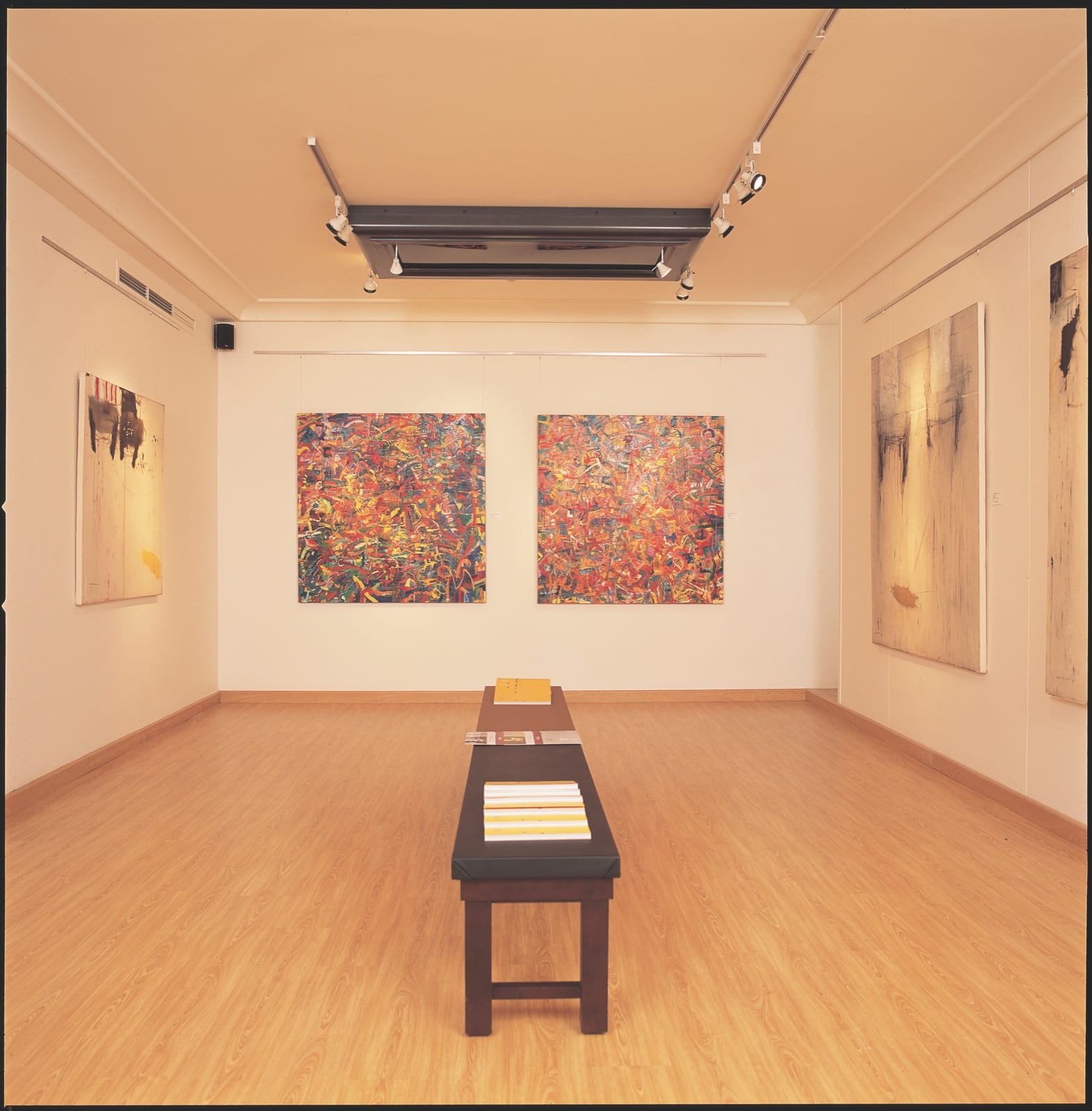
Samawi has frequently stated that seeing his artists – many of whom he found struggling to market their work and sustain themselves – succeed, is one of the perks of the job. Another is the number of initiatives it has been able to push forward, amongst them The Shabab Ayyam Project, an incubator programme for young artists, Ayyam Publishing, a Middle Eastern art press and Ayyam Auctions, which hosts biannual public sales.
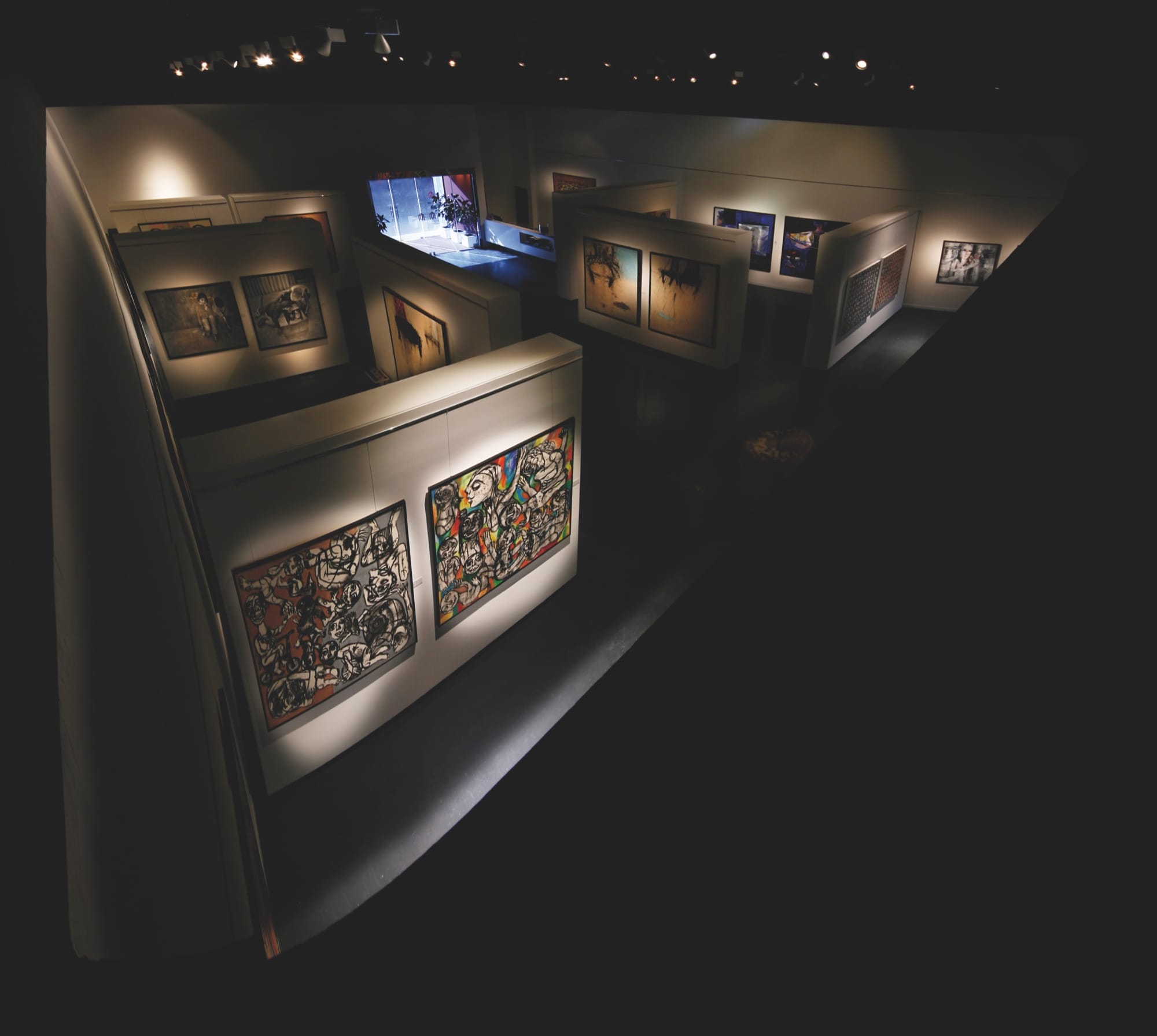
Visit any one of the gallery’s outposts – whether in Damascus, Beirut or Dubai - and the Ayyam hallmarks of a slick, professional operation are present and apparent. Samawi’s strategy for international success boils down to recognising the energy, heritage and regional importance of contemporary and Modern Syrian art and placing it plumb into the noisy slipstream of the global art economy. Perhaps it’s his banking background but Samawi’s refreshingly honest about his goal: making money by building what he calls ”the best art market in the world”.
In creating a network that is capable of doing everything from importing and exporting artworks to (costly) professional marketing and publicity, Samawi has set the bar for a new wave of galleries in the region. His tactic of steamrollering over obstacles, usually finding a way to achieve his goals himself, has resulted in a growing mini-infrastructure that has emerged as key in differentiating Ayyam from other galleries, many of which seem to wait around for someone else to do something.
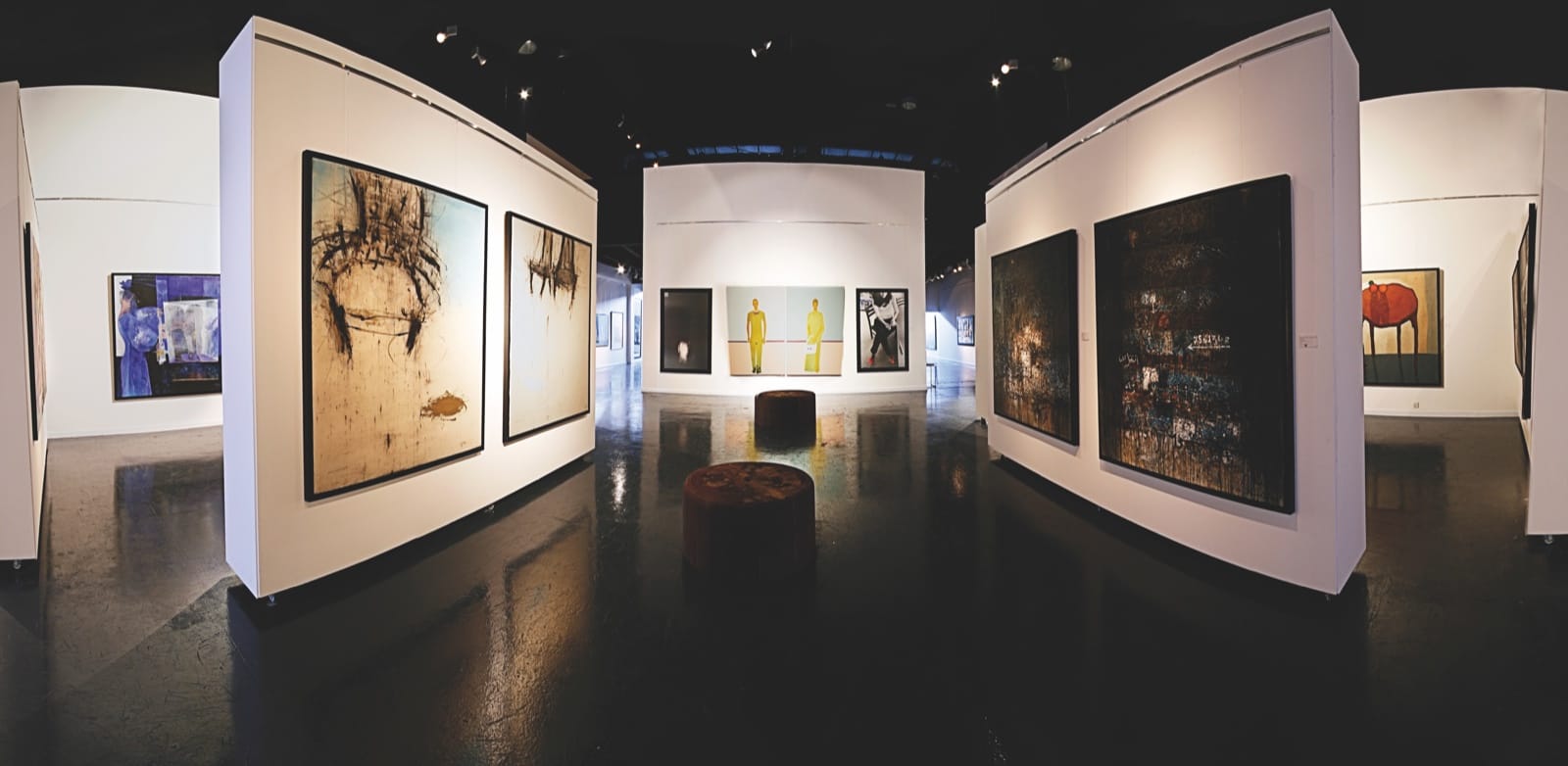
“You know, in Beirut, importing and exporting art, they still don’t know how to do it yet. Beirut has three or four respectable galleries, Damascus two or three, Cairo, two or three. But let’s not kid ourselves, the Middle Eastern art market only started to become professional five or six years ago. Before that you might have had a few professional art collectors but they were dealing with amateur artists and amateur galleries.”
As his galleries, publishing houses and auctions continue to expand, Samawi is confident that his operations will survive global economic woes, political turmoil in the Middle East and the comparative shortfall in global prices for Arab art. With Syria, naturally out of action at present, he is looking to a global future whilst refining his core Dubai operation.
“Ayyam Gallery, Ayyam Auctions, Ayyam Art Centre, they’re three separate businesses, it’s quite possible that we’ll open a fourth business and a fifth business and a sixth business,” he says of his future plans. “While I do not travel to Syria often now with the situation there, I’m still very active and speak to my colleagues daily. Most of our artists live in Damascus. The situation in Syria and the need for me to be closer to the heart of the demand, as opposed to supply, motivated me to move to Dubai. Yeah, and the golf courses are a big plus.”