For a woman who had to direct her actors from the inside of the production van in Riyadh’s socially conservative areas, Haifa Al Mansour doesn’t take herself too seriously. Either that, or she has an excellent sense of humour. She probably needs one, given that she doesn’t even know how she will show her film in her home country, where public cinemas are still illegal.
“It’s not that I’m a revolutionary,” she tells me. “I just wanted to find a hobby, some inner satisfaction,” Mansour is not belittling her profession, she’s just aware that it’s not common for people to go into film or acting in Saudi Arabia - not even men.
If you probe further, she’ll tell you that she really wanted to have a voice. After graduating with a degree in comparative literature from the American University of Cairo, Mansour found herself working at a Saudi oil company in the media production department where she felt ignored.
So why move to film at the age of 30 instead of something else? Although Mansour’s parents came from a small town and she didn’t have access to many different cultures, her father, who was a poet, used to show films at home every week - mostly American, Egyptian or Indian. “They weren’t artistic. I don’t even remember the first film I saw,” she admits with a laugh. “We were a family of 12. I am number 8, so you can imagine what our house was like. I think my father wanted to keep us quiet.”
It wasn’t the regular upbringing as both her parents were secular liberals. And she describes how she felt like an outsider and how hard it was to be granted freedom at home that couldn’t be exercised publically. “I was young and wanted to be accepted but some friends wouldn’t come over because my older sister, who was a doctor, wouldn’t cover her hair.” Now of course, she sees it differently, appreciating that she was raised with a high degree of tolerance.
For her first short film, ‘Who?’, she enlisted family support - the film was entirely homemade. I can almost hear her grinning. “I had my brother hold the camera and my sister did the lights.”
Joking aside, Mansour’s first films tackled serious subjects. ‘Who?’ was based on a rumour that there was a serial killer around who was dressed like a woman. “I got interested in how people can defend something so passionately and yet be afraid of it.” Her documentary, ‘Women without Shadows’, went a bit further. Mansour went to her hometown to conduct a series of interviews with women, to find out what they wanted from life.
“Although my generation grew up with access to education, you will find women veiled, with hands tucked inside their abayas, naïve and suspicious,” she explains, “whereas before the oil boom, however more primitive, women did contribute economically by working in agriculture. They had a completely different attitude.”
What sparked most controversy though was not what the women said but a sheikh who claimed that women covered their faces more out of habit than religious proscription. In light of the resulting uproar, the preacher went on television to recant.
Even as her work was getting her into trouble in the media, it was garnering critical acclaim abroad. At a heated debate after a premiere at the French consulate, Mansour met the man who was to become her husband, an American diplomat. Together, the couple moved to Sydney, where she obtained her Master’s in Film Studies through the Endeavour scholarship. With support from the Sundance Institute and the Hubert Bals Fund, she immersed herself in a new script.
Though it wasn’t a documentary, Mansour wrote a lot of herself into the story. “I had to dig in, I tried to be honest,” she says. “It took me a while since writing is not magic, it takes many drafts. ‘Wadjda’ is not about my family but it’s about a lot of girls I went to school with.”
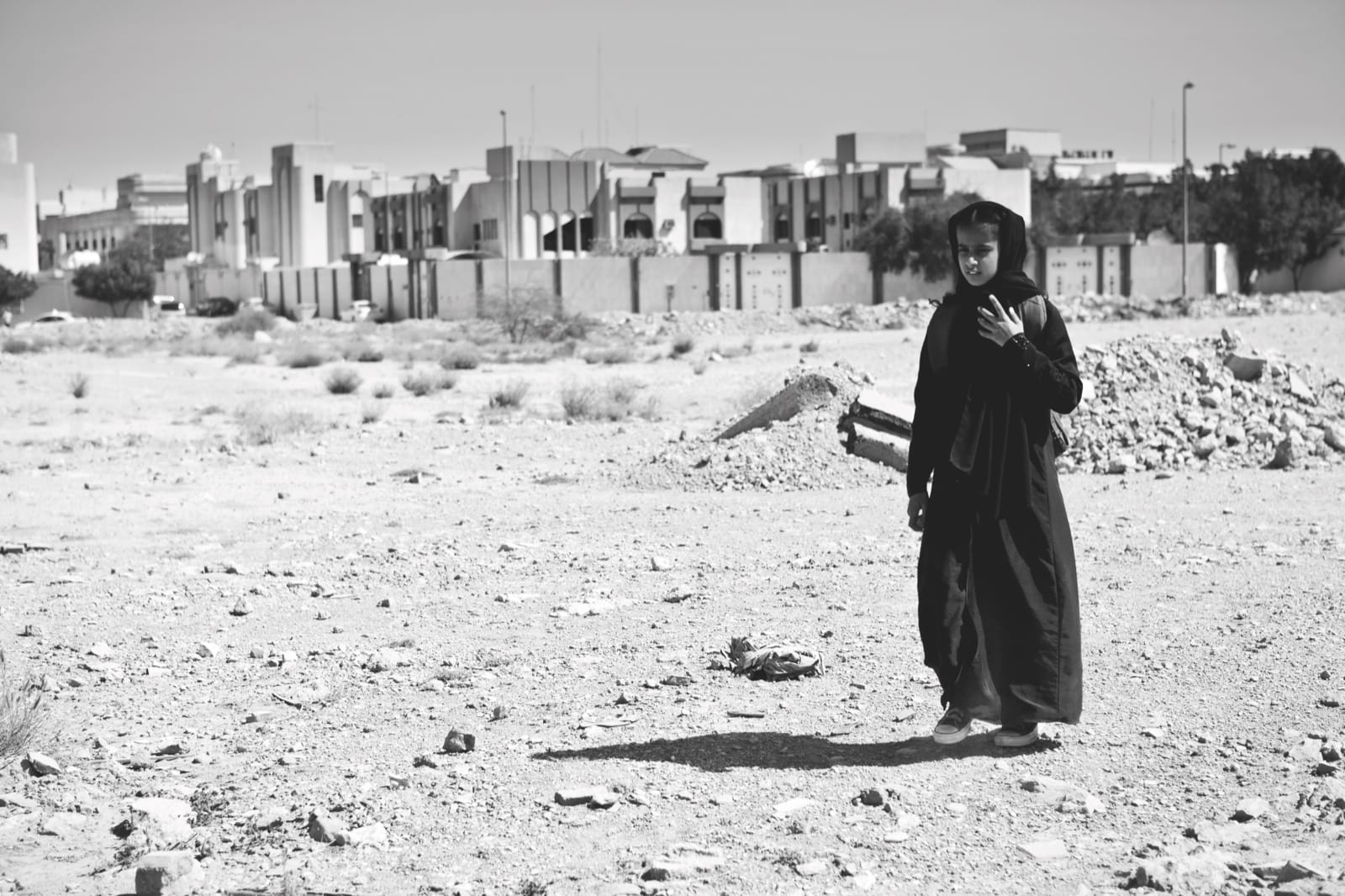
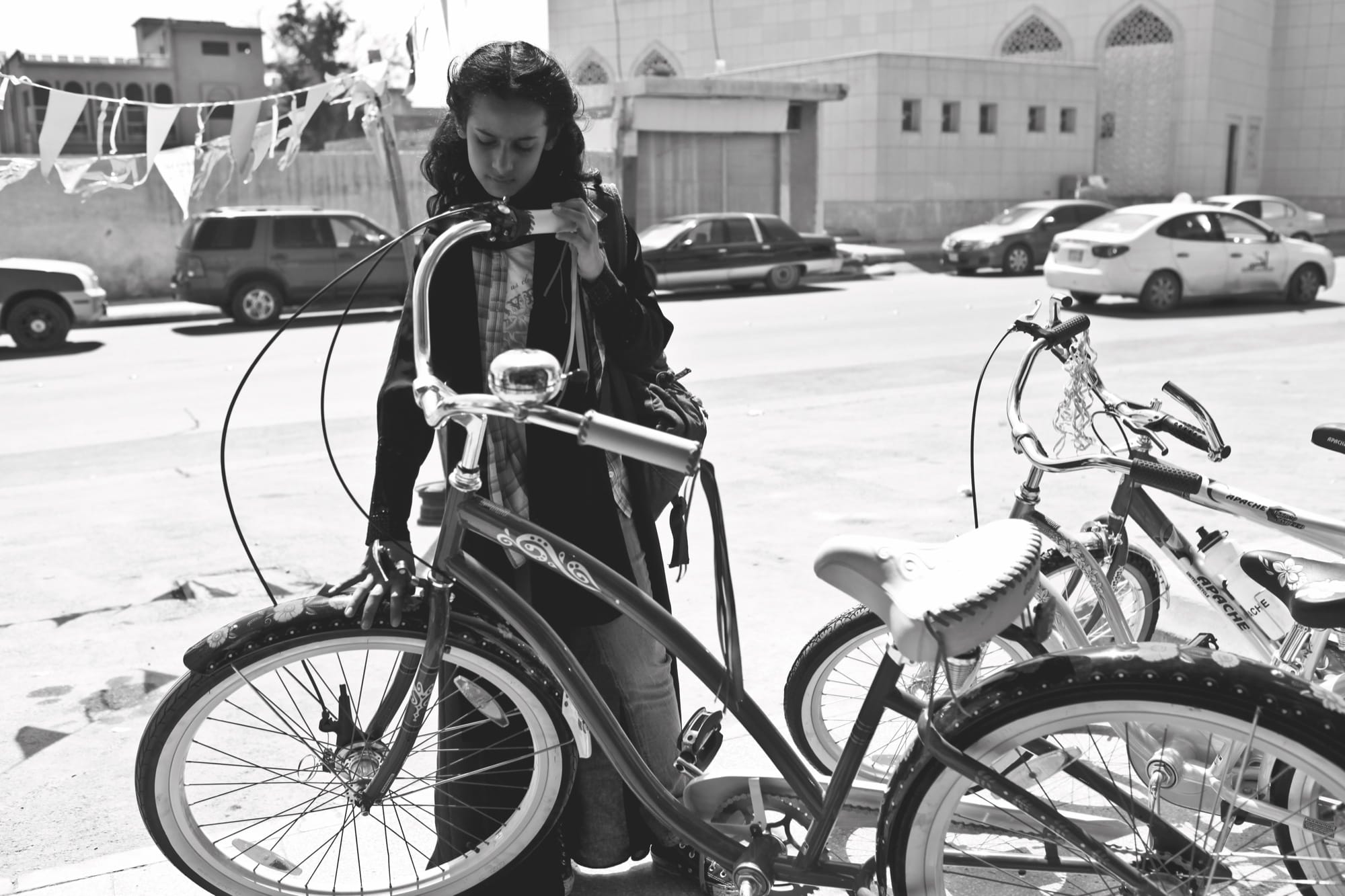
Wadjda is a girl with a rebellious streak who dreams of owning a green bike that has caught her eye, so that she can race against the boy next door, even though she is told that racing is not for girls and that anyway, it will cost too much. There are heart-warming scenes showing her closeness to her mother who is desperately trying to win back the affections of her increasingly absent husband, who seems distracted with the search for another wife to bear him a son. Wadjda finds ingenious ways to save money for the bike, which include taking part in her school’s Qur’anic recitation competition for a cash prize. Given that she is constantly reprimanded for dressing or behaving improperly, Wadjda’s participation is ironic or an indication that for Mansour, there is no contradiction between the two.
Mansour says that while the film’s characters are based on people she knows, they take a life of their own. The main character, played by Waad Mohammed, was the most difficult one to cast until one day, she sauntered into the casting session, wearing high tops, headphones and a shirt that read: ‘I’m a great catch’. She didn’t speak a word of English but as far as Mansour was concerned, she was perfect. “She was such an individual in a culture where she wasn’t exposed to international schools or foreign languages. I loved that about her.”
Whereas Mansour was adamant about her film being homegrown, with local actors and “working within the system,” as she put it – or finding her ways around it, she relied on foreign producers to get the film off the ground. ‘Wadjda’ was produced by Razor Film, the German outfit behind ‘Waltz with Bashir’ and ‘Paradise Now’ and was co-produced by Rotana, the entertainment channel owned by HRH Prince Alwaleed bin Talal.
“We missed the deadline for the Cannes film festival,” Mansour says in her casual manner, “and so we had our premiere at Venice,” where, she almost forgets to mention, it received a standing ovation for 10 minutes.
With Wadjda’s green bicycle as a metaphor for mobility, it looks like this film is going places, even if it won’t be going back to Saudi Arabia. At least not just yet. But as Mansour puts it herself, the important thing is to get on the bike. Once you are there, steering, speed and even direction are all much easier to handle.
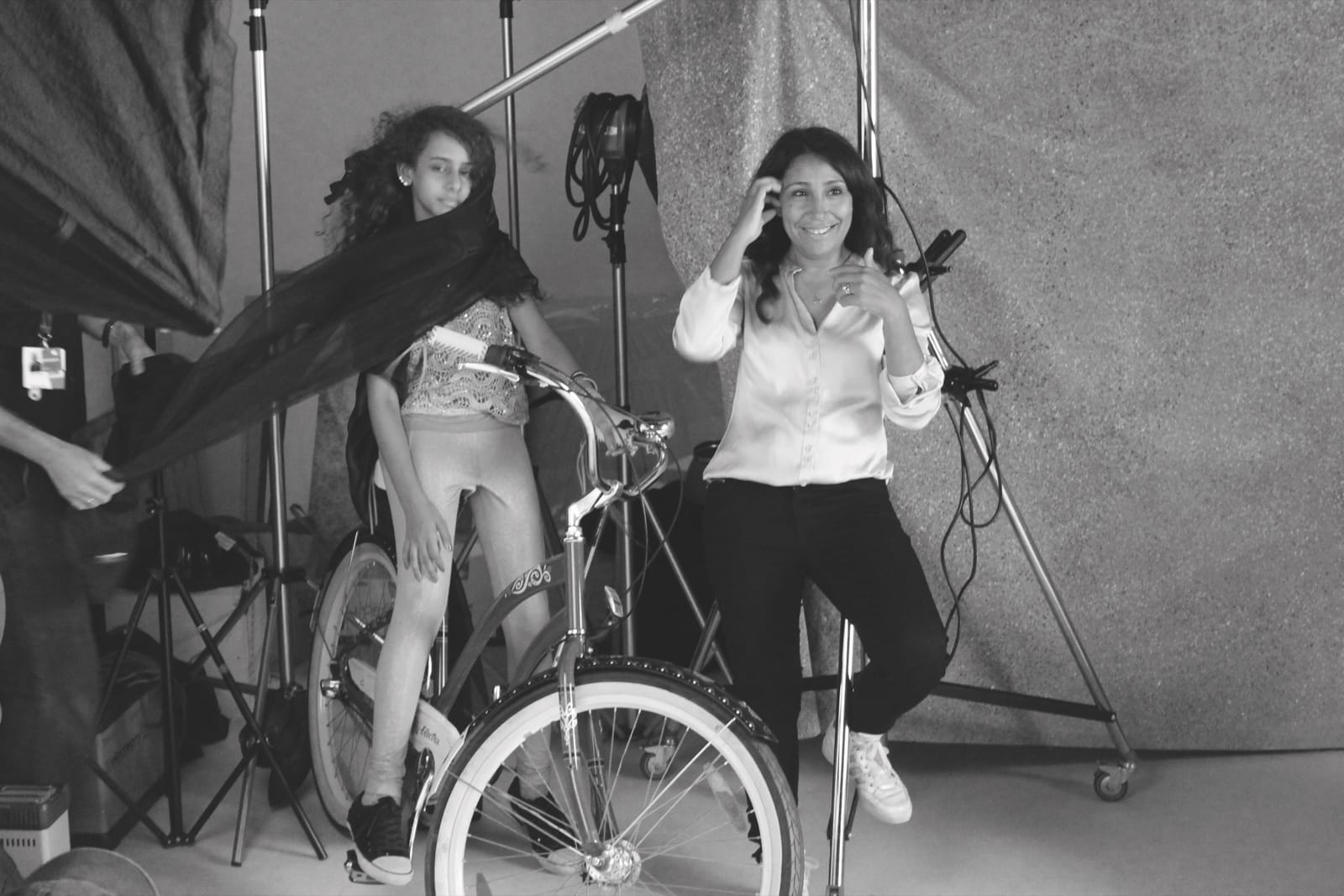
WHO Haifa Al Mansour
WHAT Her fictional film debut, ‘Wadjda’
WHERE Filmed on location in Riyadh
WHY For firing the first shot in what may turn out to be an indigenous filmmaking scene in modern-day Saudi Arabia.