It began with bungled signs. Westfield, one of London’s biggest shopping centres welcomed Arabic-speakers to The Olympics with incomprehensible signs in gibberish. “Welcome To London” was spelled back-to-front, rendering the signs useless and borderline ridiculous. But the hundreds of Arab athletes arriving to compete didn’t take it as an omen. They took no notice and proceeded to engage in a round of historic Games.
This was a year of firsts. London 2012 saw the first-ever Palestinian athlete compete based on demonstrated skill, rather than honorary nomination. Saudi Arabia, the last participating nation to ban women from competing, sent its first female athletes, as did Qatar. Bahrain won its first medal. And though South Sudan didn’t send a team to the Games, the first South Sudanese athlete competed in the men’s marathon race as an independent.
This was the hundredth year of Arab participation in the modern Olympiad. In 1912, Egypt sent fencer Ahmed Hassanein to Stockholm and has maintained a competitive edge ever since. Egypt leads the pack in most medals won among Arab countries, with 26 in total, two of which were won in London this year: one silver for foil-fencing and another for Greco-Roman wrestling. Egypt also sent the largest delegation of Arab athletes, with over 119 participants.
Tunisia took home three medals, the most for an Arab nation this year. Though he wasn’t a winner himself, gymnast Wajdi Bouallegue was just happy to participate. He was banned from participating in sports in 2009 after insulting now-exiled President Zine El Abidine Ben Ali. When asked how it felt to represent Tunisia on CNN, Bouallegue said: “It’s a special feeling, after the revolution. You feel the victory better than before.”
He wasn’t the only athlete to feel the sting of a former government. Ali Khousrof, a 23 year-old Yemeni Judo player, was shot in the abdomen while protesting against the rule of then-president Ali Abdullah Saleh, last year. He recovered in time to participate, though he did not place highly.
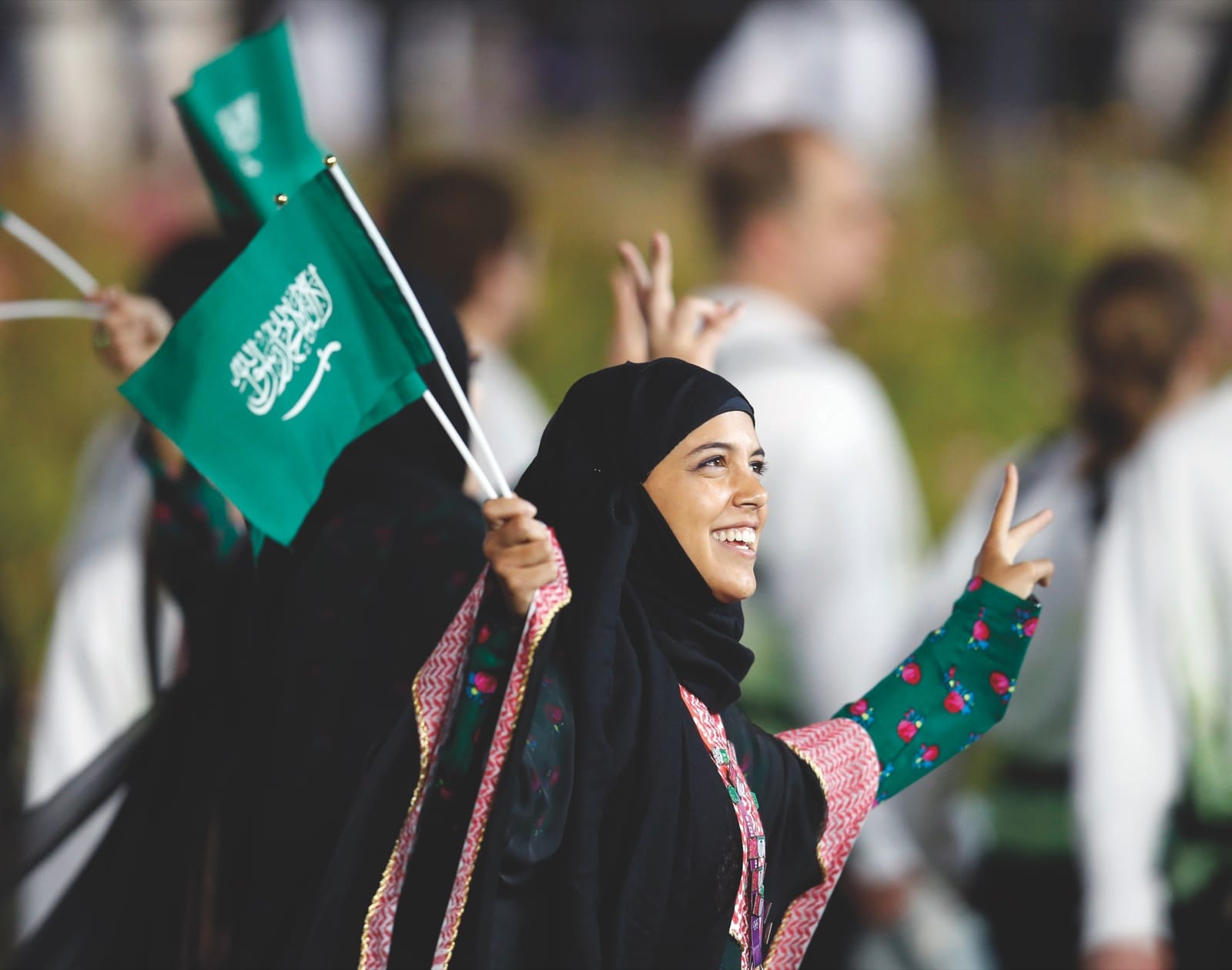
But it was the Arab women who made the biggest splash this year, some even receiving standing ovations for their historic participation. Khadijah Mohammad became the first female weightlifter for the UAE. Nada Arkaji was Qatar’s first female swimmer. Wojdan Ali Seraj Abdulrahim Shahrkhani, became Saudi Arabia’s first judoka while fellow Saudi, Sarah Attar, ran the 800m. For both women, their participation was contingent upon an agreement brokered that allowed them to remain dressed modestly in accordance with Saudi custom.
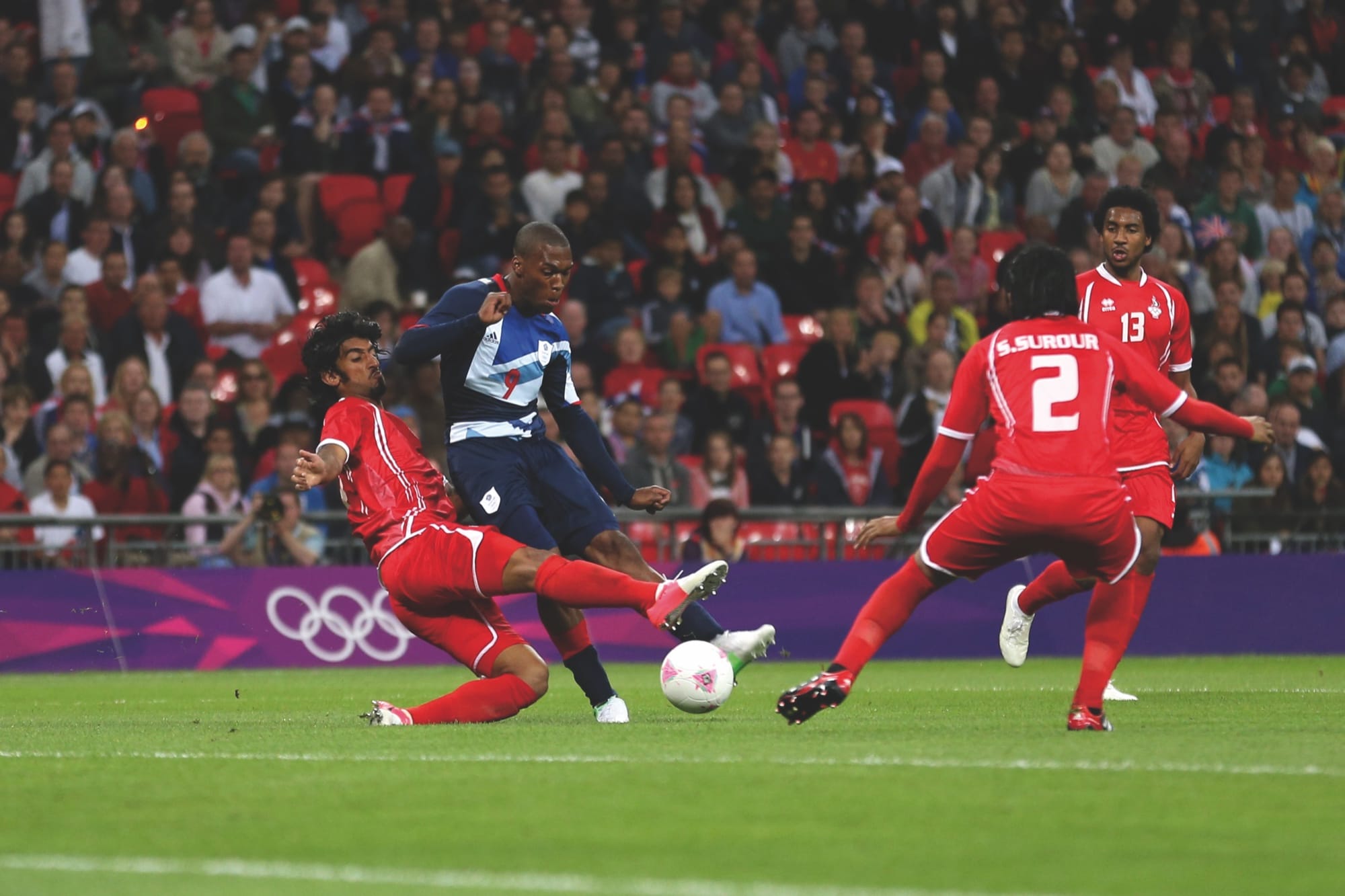
From Kuwait’s trap-shooter to the Saudi equestrian team, Arab countries this year took home 12 medals, with one gold for Tunisia. Though many felt the number was disproportionately low for the hundreds of athletes sent, the London Games remain a ground-breaking year for our athletes. Let’s make Rio one to remember!
WHAT The 2012 Olympic Games
WHERE London
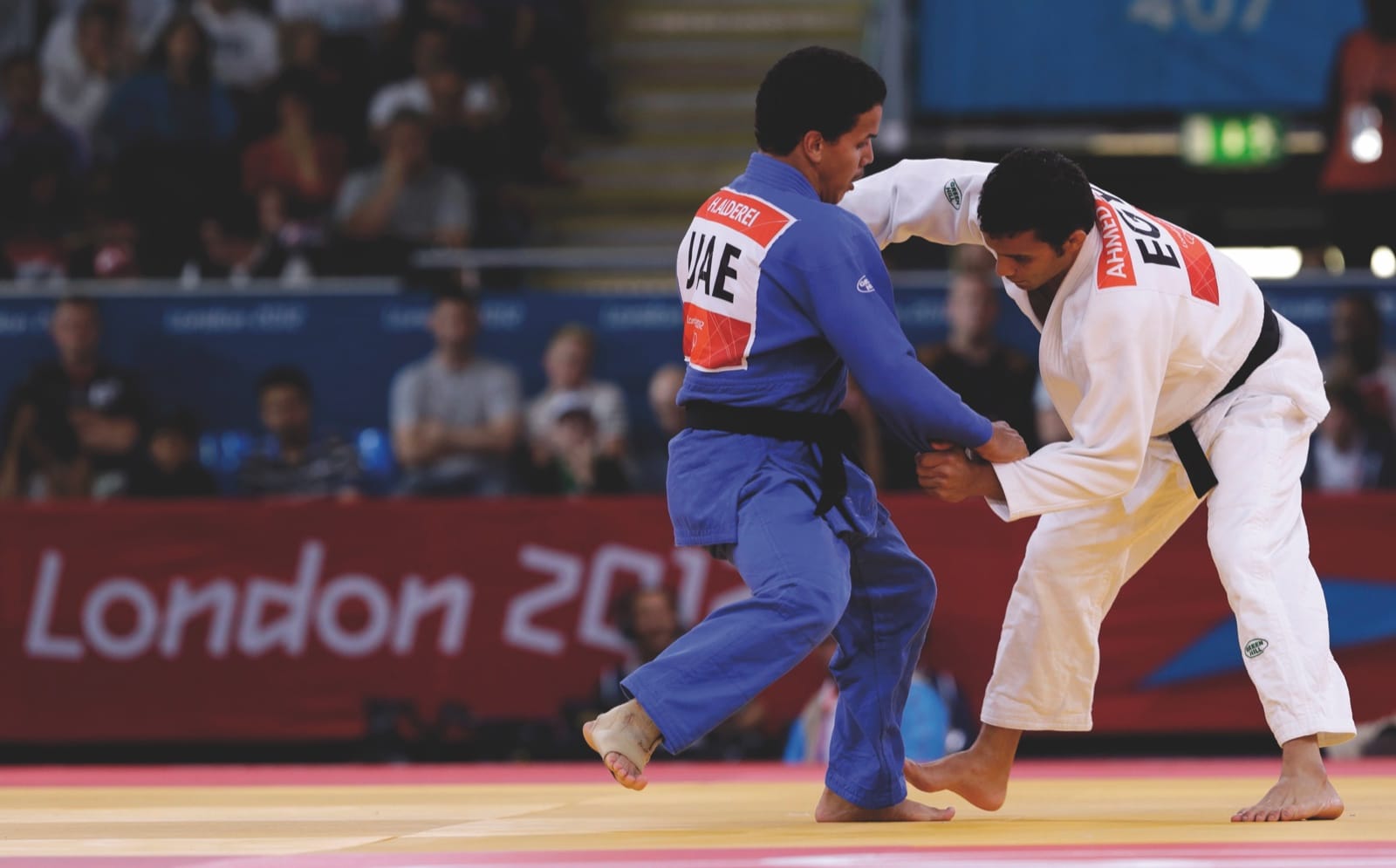
STATS Tunisia: 3 medals (1G, 1B, 1S), Algeria: 1 medal (1G), Egypt: 2 medals (2S), Qatar: 2 medals (2B), Bahrain, Saudi Arabia, Kuwait and Morocco: 1 medal (1B).
WHY For the historic level of participation from Arab women athletes, as well as that of delegations from the post-revolutionary republics of Yemen, Egypt and Tunisia.