There’s a quote from a Jane Austen novel: those in the possession of a fortune must be looking for a way to spend it. The nation-state of Qatar is a prime example of that. With about 15 per cent of the world's natural gas reserves, this small nation state is currently the world’s biggest exporter of LNG (Liquefied Natural Gas). When you combine such an abundance of natural resources with a population of just 278,000 nationals, you come to the realisation that, in per capita terms, it is the richest country in the world. This is why it has a history of punching above its geographic weight – in politics, influence, alliances and soft power.
Many starting realising this when they won the rights to host the FIFA World Cup 2022. But behind the excitement and the ensuing debates over whether a summer or winter World Cup is preferable, other slower, inexorable changes continue pushing the country down the path of modernisation and toward their ideal of “development with integrity”.
For years, a rich schedule of research events, talks, scholarships and scientific collaborations have been cultivated through quasi-private institutions and the one we all hear about the most is the Qatar Foundation. So what exactly is this foundation? It’s a non-profit dreamed up in 1995 by His Highness Sheikh Hamad Bin Khalifa Al Thani, father to the current Emir.
On the tin, the Foundation states that it is a private, non-profit organisation that supports programmes in three core mission areas: education, science (and research), and community development. Dig a bit deeper, and you’ll find that it wants to promote a culture of excellence and develop social and economic prosperity, not just for Qatar’s locals, but for the country’s entire 2-million-person population. At the heart of it, the Qatar Foundation is bringing world-class education, work experience and career opportunities to the country. The idea is to get the youth to develop the skills required for economic diversification, private sector success, and succession planning - the old guard will eventually give way to the new, and the Qatar Foundation realises that it’s best to have the new generation prepared.
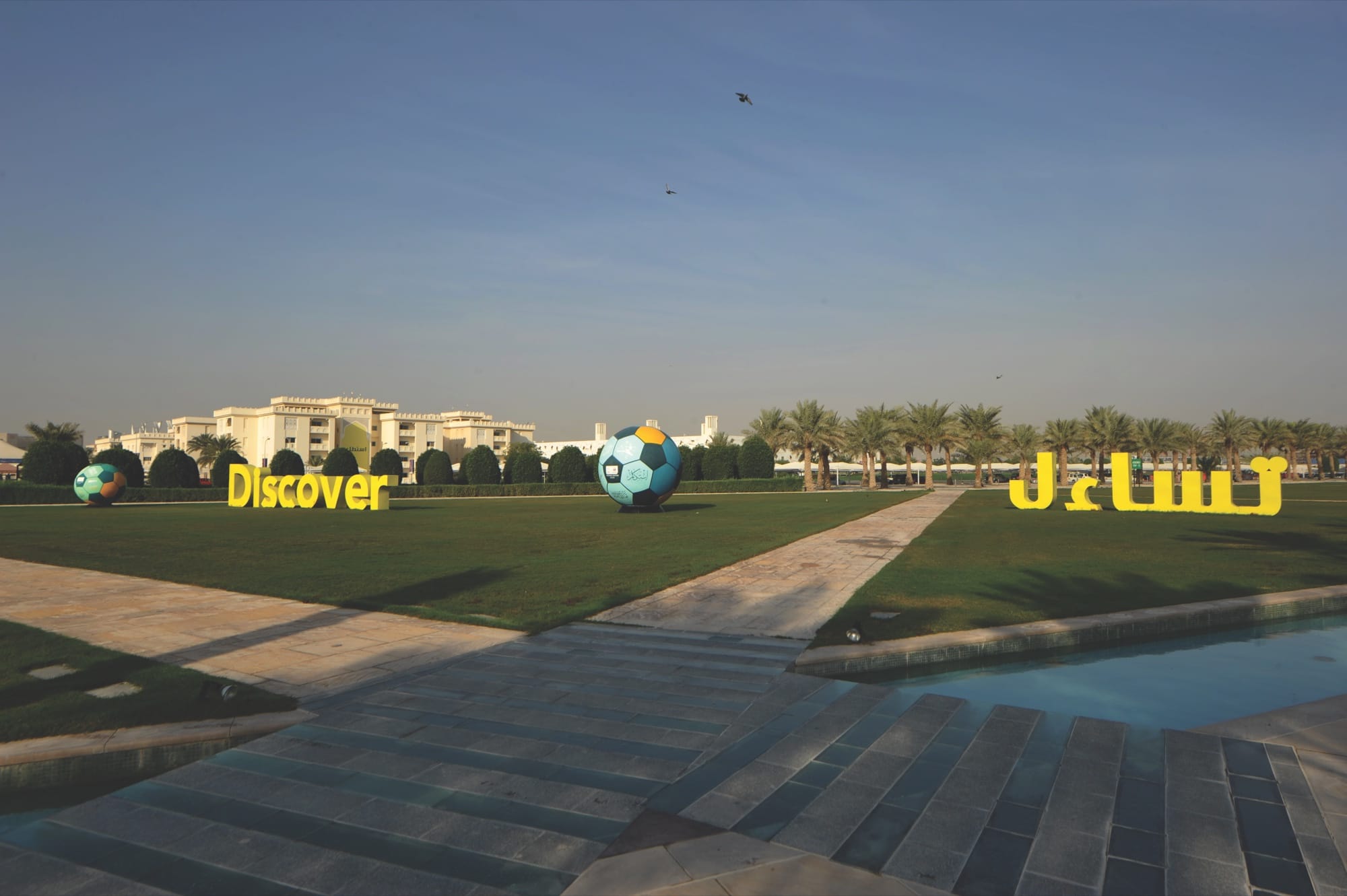
Across the Gulf, there may be other semi-private, chartered, third sector concerns affiliated with various governments but what sets the Qatar Foundation apart from just about any other like-minded regional venture is the sheer scale of its ambition. For instance, it helps provide education at every level through a ‘multiversity’ occupying 2500 prime hectares on the outskirts of Doha with nearly 4,000 students from 90 nations.
What is even more inspiring about this Education City development is the value Qatar has given to the men and women who are moulding the minds of the new generation. Teachers from kindergarten through college are paid a king's ransom and treated like critical components of society in a place where academic freedom is considered paramount.
But this project is but the tip of a rather large iceberg. The Foundation has a vast array of sub-entities under its umbrella – from healthcare research centres, music schools and philharmonic orchestras to science and technology parks, convention centres, and the odd museum. National libraries and research funds also fall under the Foundation’s multifarious initiatives. In fact, a rough count would indicate some 80 entities and joint ventures clubbed under the Foundation.
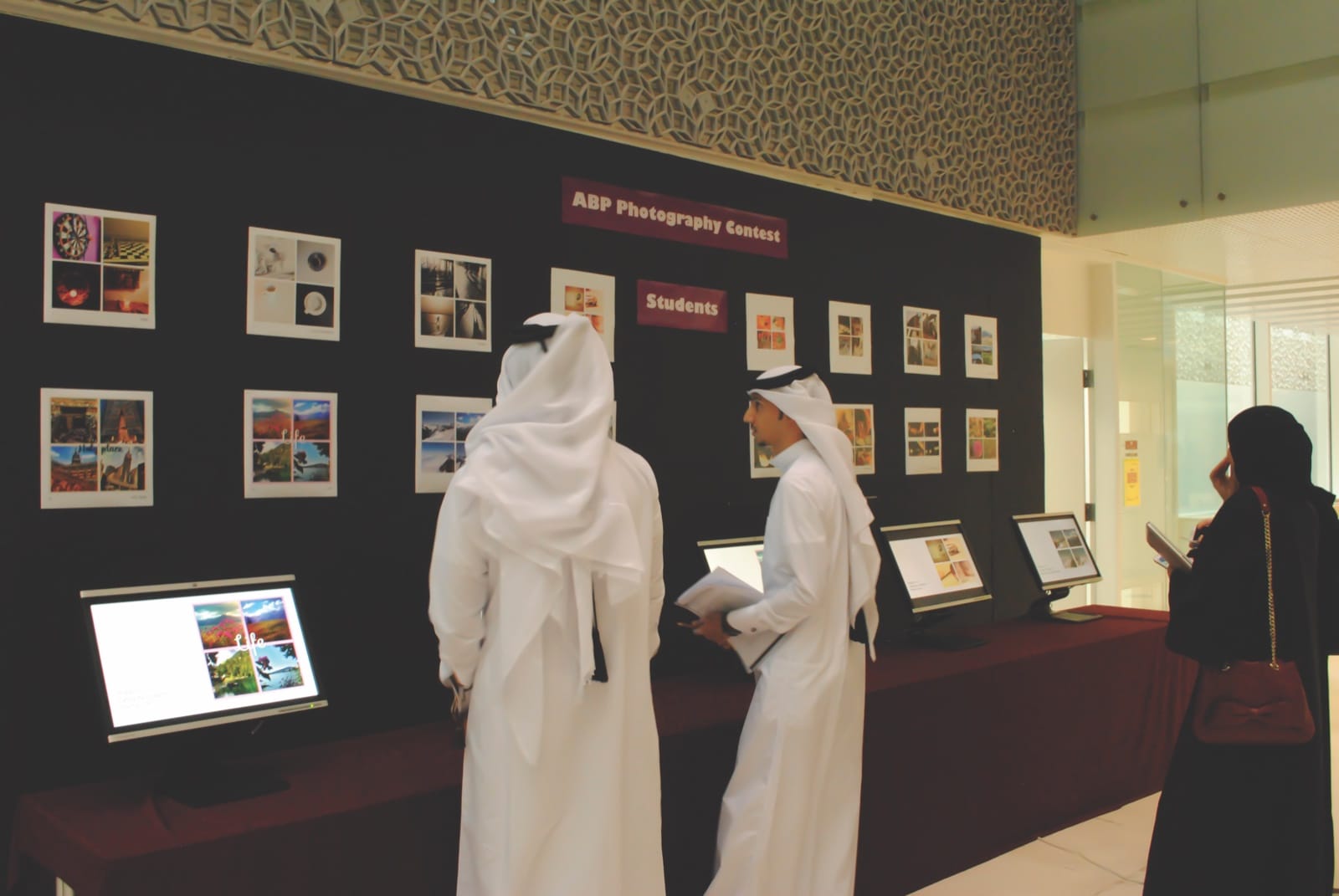
So far, one of its great strengths has proven to be scientific research. Its sub-entity Qatar Science and Technology Park (QSTP) has been busy assembling companies and research institutes to fund ventures, enhance technology management and develop innovative products. The QSTP is growing Qatar’s post carbon economy by inviting global concerns to commercialise their technologies in Qatar, while also assisting entrepreneurs in launching technology businesses. In May 2015 alone, the Park invited a Dutch delegation to discuss health innovation, cemented ties with South Korean innovation hubs for technology transfer, and highlighted Qatar’s growing solar technology sector.
Another affiliate, the Qatar Biomedical Research Institute (QBRI), is busy exploring effective therapies and medical science advances to create preventative and diagnostic strategies for diseases affecting Qatar’s population. The operational model revolves around creating disease-focused research centres with state of the art facilities, and empowering them via enabling platforms.
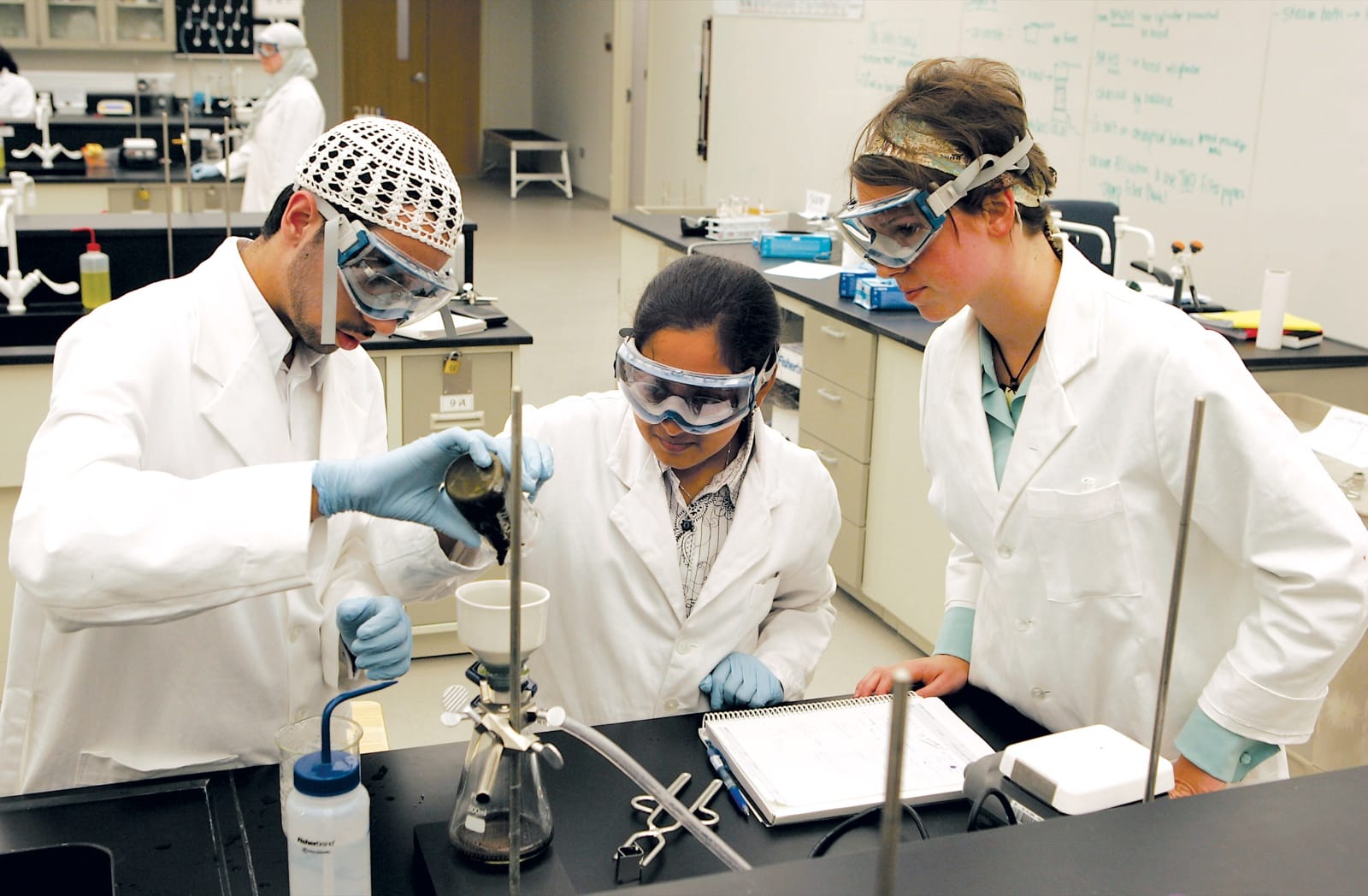
Specific quantitative outcomes for the Qatar Foundation’s vast spectrum of initiatives are hard to come by. Qualitatively through, these interventions create an environment conducive to an economy not entirely reliant on petrodollars.
In developed markets, human capital is considered a key driver for economic growth and prosperity. Qatar is a reversal of that syllogism: here, economic growth and prosperity is powering a long-term agenda of human development and societal growth. It’s a business model particular to rentier states, but one that the Qatar Foundation is helping implement successfully. The future belongs to knowledge-based economies, and the Foundation is playing its role in getting its host country up and competing in the new millennium’s globalised markets.