In his book Heart of the Nation, photographer Jeremy Chivers sets out to capture the heart and soul of the Lebanese Armed Forces. Shot over an intensive four-month period, the images reveal the characters, the dedication and even some never-before-seen military equipment. Proceeds from the sale of the book go to LAF veterans.
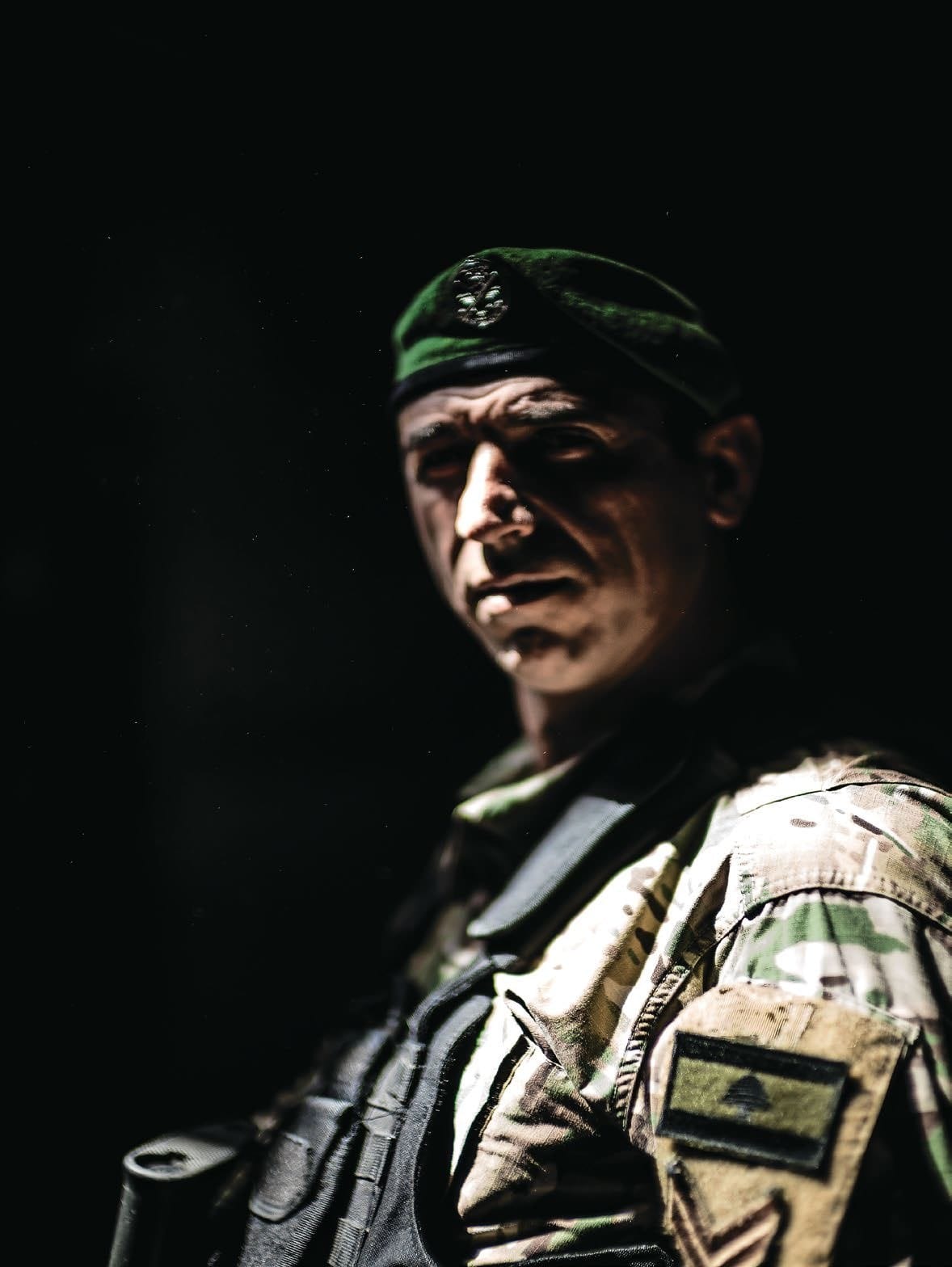
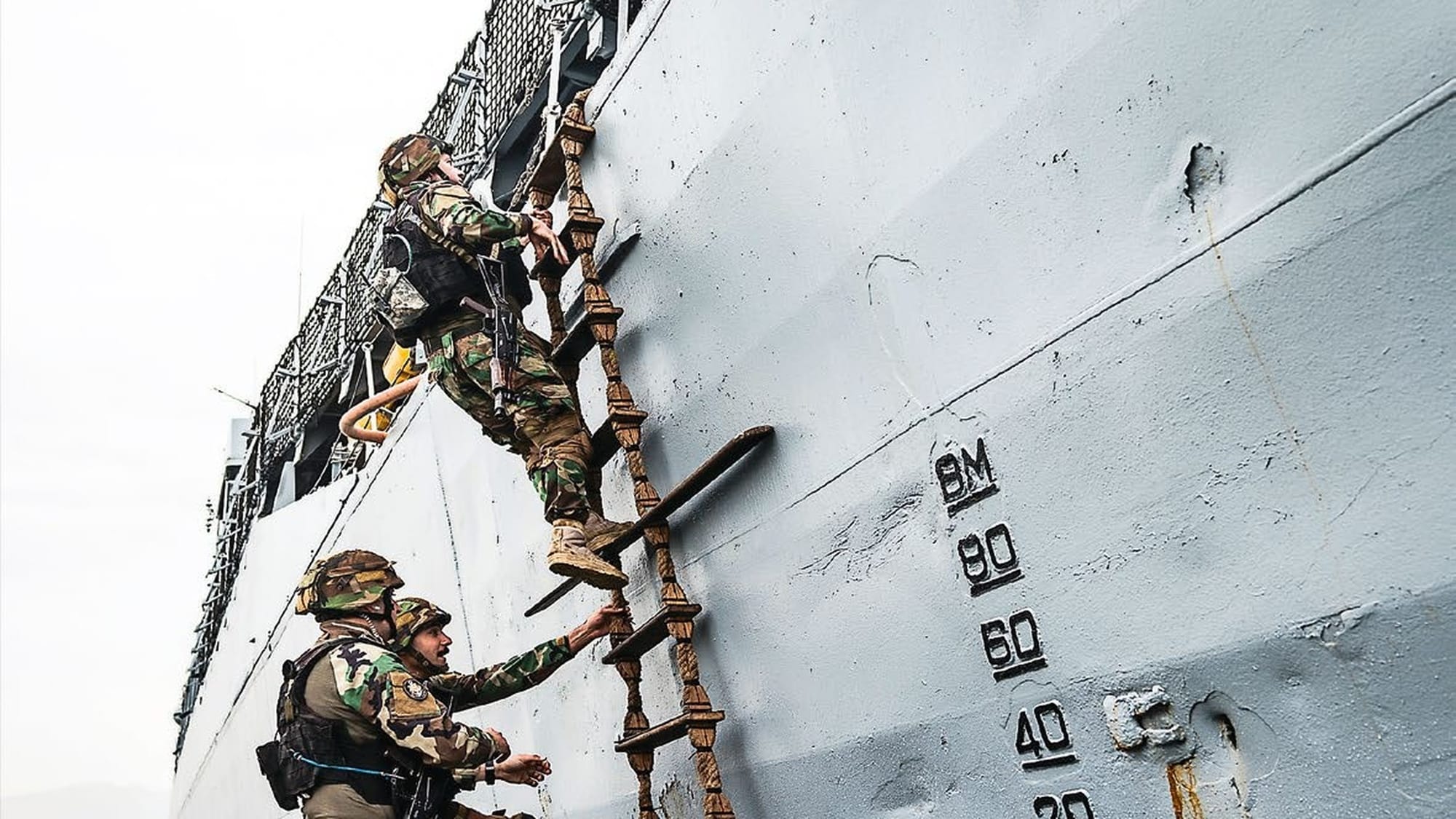
Chivers's lens ranges across the full breadth of the force. He follows the Navy as a sailor boards a Brazilian UNIFIL vessel during an exercise to check cargo ships several kilometres offshore, watches an Intervention Regiment train for riot control in Beirut, and photographs soldiers of the Air Assault Regiment as they exit their fighting vehicle. A patrol moves through the shell of downtown Beirut's former Holiday Inn Hotel, gutted during the Civil War. "I think this captures someone who's seen a lot," he says of the soldier.
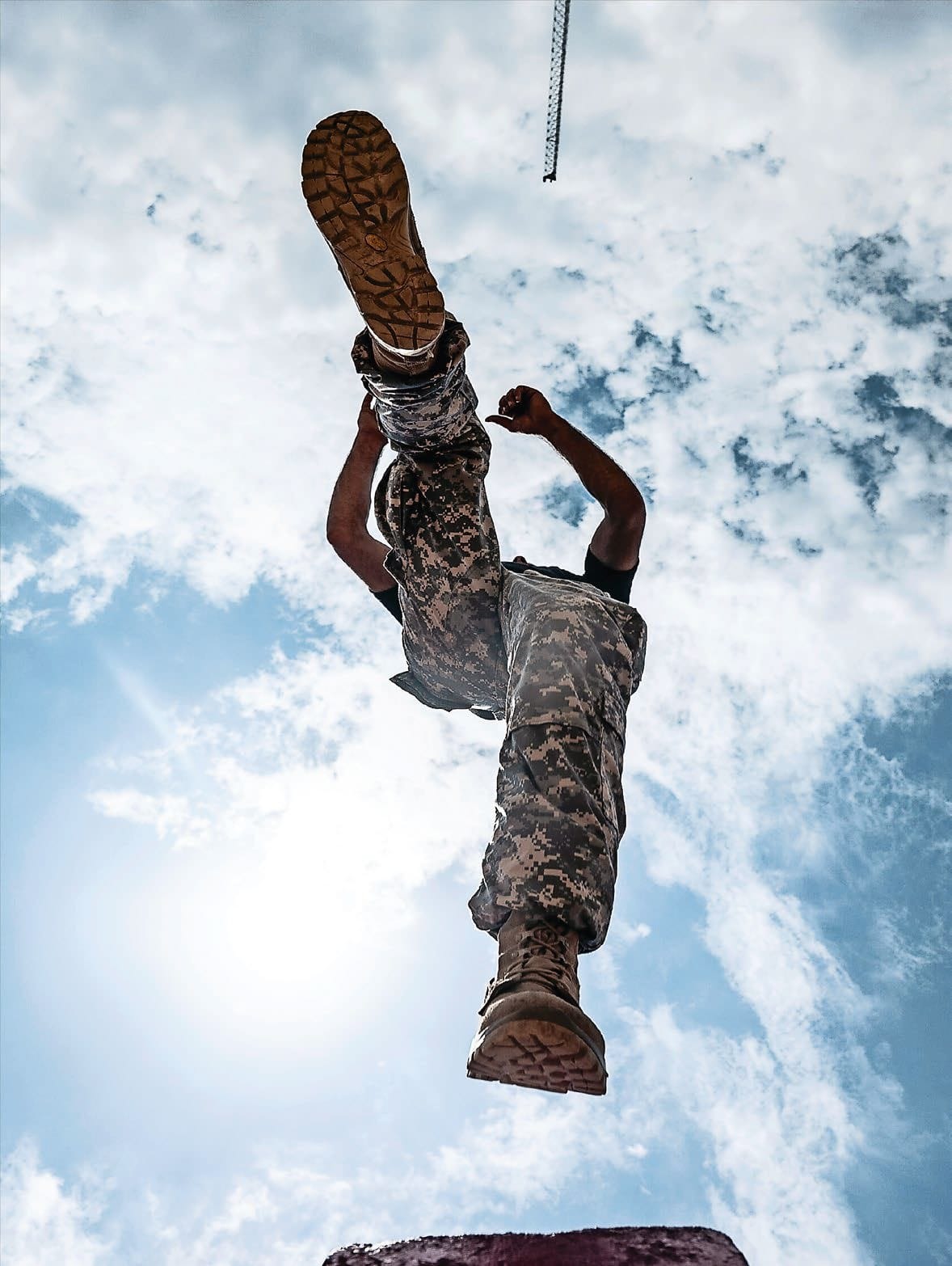
The Special Forces selection process is a recurring subject. "It weeds out those who don't have the right character for it," Chivers explains. Observing an instructor leap from one narrow wall to another, he frames the test as one of nerve: "It's about confidence. Are you going to hesitate? Are you going to hold everybody up?"
Hardware features prominently too, much of it supplied by the United States. M198 155mm howitzers, used extensively in the Arsal campaign during confrontations with Daesh along the Lebanon-Syria border, make a particular impression. "If you're on the other end of this, it's pretty demoralising — you don't know where they're coming from or where they're going to land," he remarks. Of the Super Tucano aircraft, able to fly very low over difficult mountain terrain, he notes: "What's reassuring for soldiers on the ground is that if they're in a difficult situation, these guys are twenty minutes away."
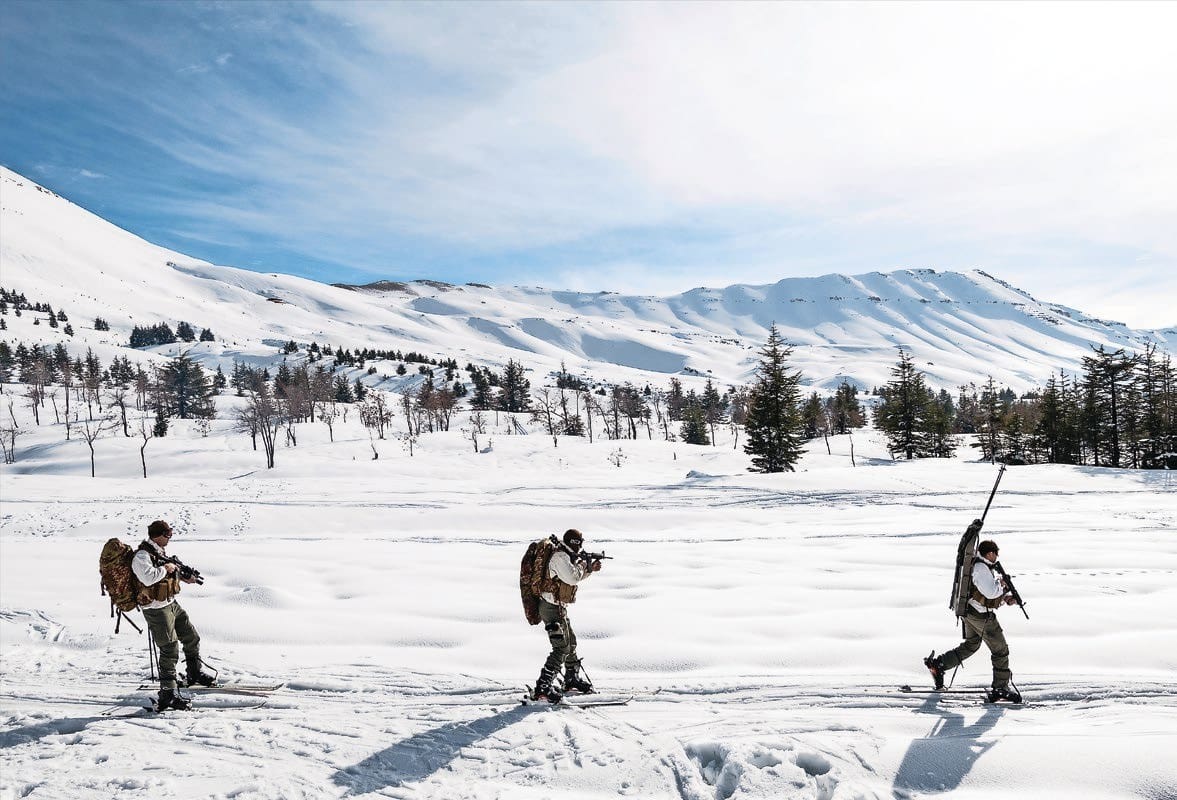
There is history here as well. The Ranger Regiment's Ski Unit, training near its base in the Lebanese Cedars, is one of the oldest LAF units. "The General's room is really interesting because it has this massive fireplace and they have an archive of pictures that includes the Shah of Iran visiting in the 1930s," Chivers reveals.