[PULL-OUT: Horsemanship traditions underscore the brand identities of many top brands including Hermès, Gucci, Ralph Lauren and, more indirectly, that of Chloé, Salvatore Ferragamo and Rolex. Whether equestrian involvement is part of these brands’ real or constructed heritage, it nevertheless serves as a boundless resource for design inspiration, market differentiation and capturing the unconscious of the high net worth individual. Bespoke digs deeper.]
In the West, over a century and a half ago, luxury brands were the reserve of the aristocracy or the exceptionally wealthy. The upper classes required full and private equipage for travel by horse, and could furthermore afford the leisure to develop and enjoy seasons planned for and around equestrian sporting events. This historical association punctuates the pronounced allure of horsemanship, as all blue-blooded and blond Ralph Lauren models can attest. In a more general sense, however, a well-groomed horse is undeniably a beautiful creature – elegant, intuitive and serving humans throughout time for practical transport as much as for aesthetic pleasure, rather similar to a luxury object.
Equestrian events across Europe and America are growing in celebrity attendance, media attention and strategic product placement, taking these events beyond the realm of the specialists’ sport. Conventional sponsorship, such as that of the Dubai World Cup and the CampeonatoArgentino de Polo in Argentina, is usually leveraged by banks, airlines and local manufacturers. It offers these brands marginal advertising space,mainly aimed at general business-to-business exposure rather than reaching the moneyed consumer. In one way, this is good. The focus stays on the game. In another, lifestyle brands, including apparel, spirits, mineral water, jewelers, timekeeping and automobile brands, are simply missing out on a rather valuable marketing opportunity.
Hermès has established itself as the leader of the pack, showing how to make the most of said opportunity. From its beginnings as a harness maker, crafting fine saddles since 1837, Hermèsmaintains a dedicated equestrian accessories section at their Parisian flagship. Placing its name in the event title for the first time in 2010, the Hermès-Sir Pratap Singh Polo Cup took place at the Jaipur Polo Grounds, India, in early November. In April the same year, Hermès launched the SautHermès. Instead of tagging along with an already established event, Hermès hosted its own two-day jumping competition in the Grand Palais on Paris’s legendary Champs Elysées.
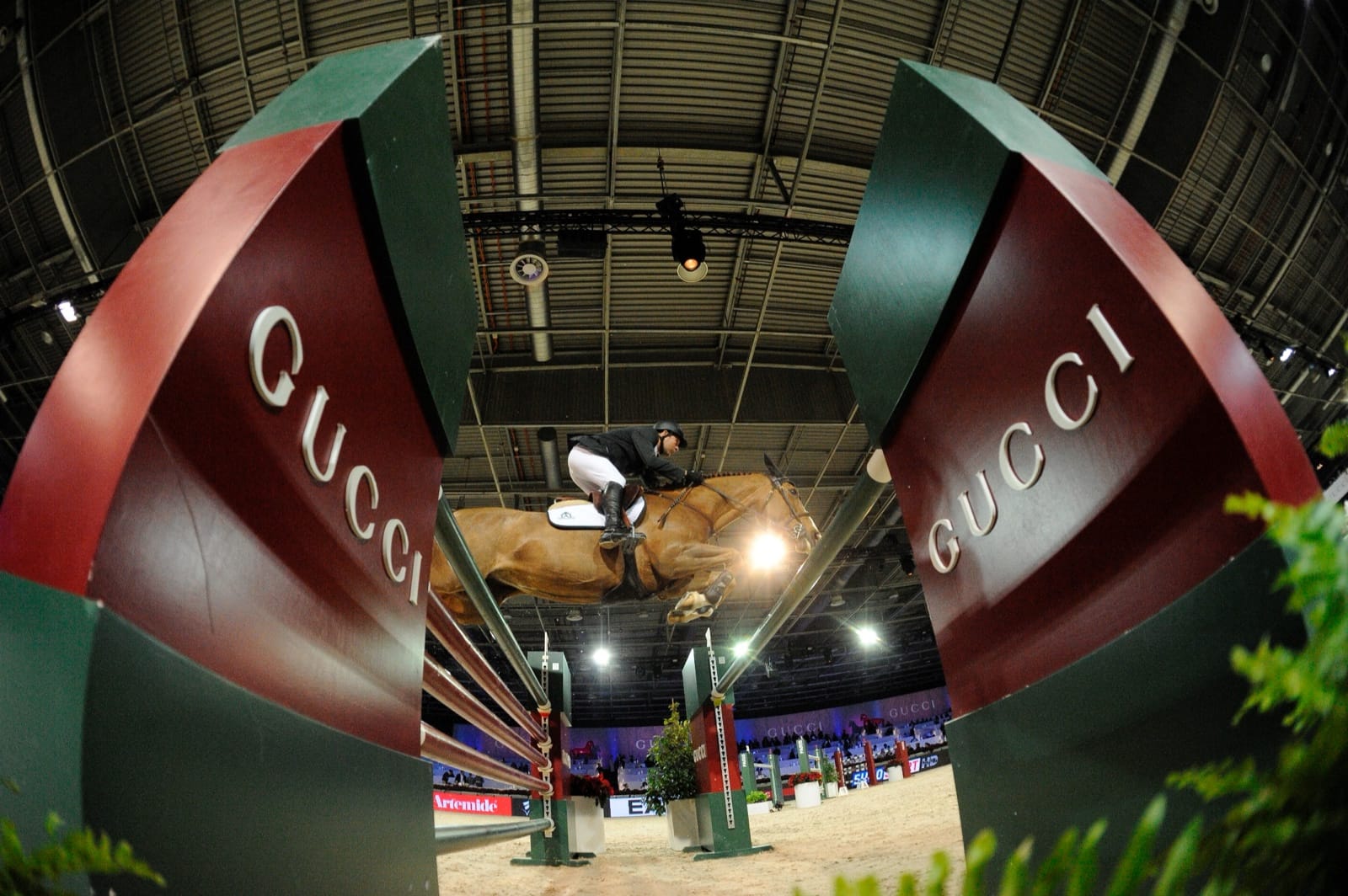
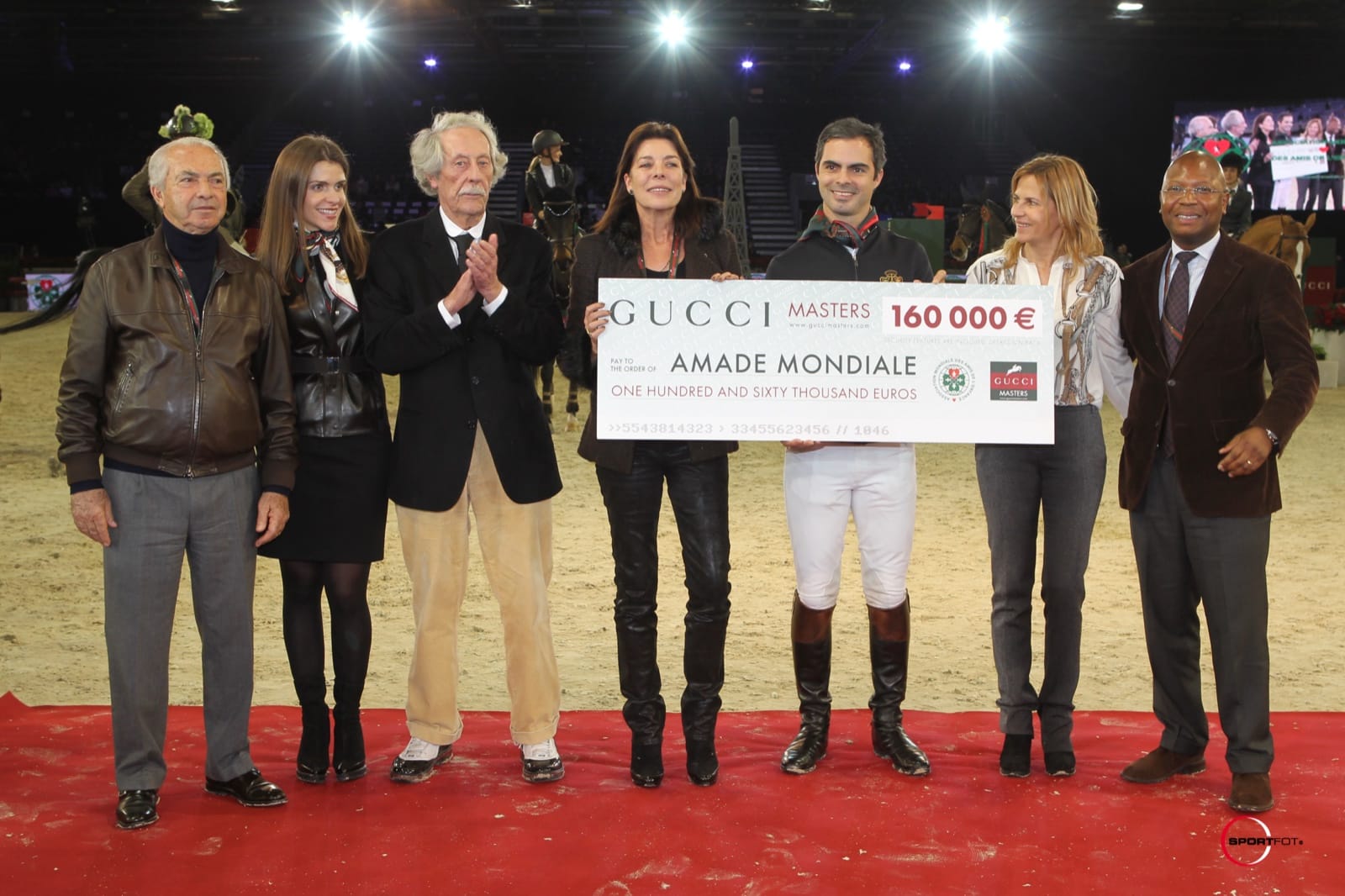
Gucci, though Italian, was also horsing around in France in 2010. With Princess of Monaco Charlotte Casiraghi as ambassador, the Gucci Masters, an International Jumping Event, came to Paris in early December 2010. The Gucci by GUCCI Challenge invited the world’s top riders to compete against each other. The signature Gucci green-red-green webbing (appropriated from a horse’s girth strap) and the gold horse bit attracted prominence, especially in the Style and Competition Challenge starting the best horsemen against the best horsewomen.
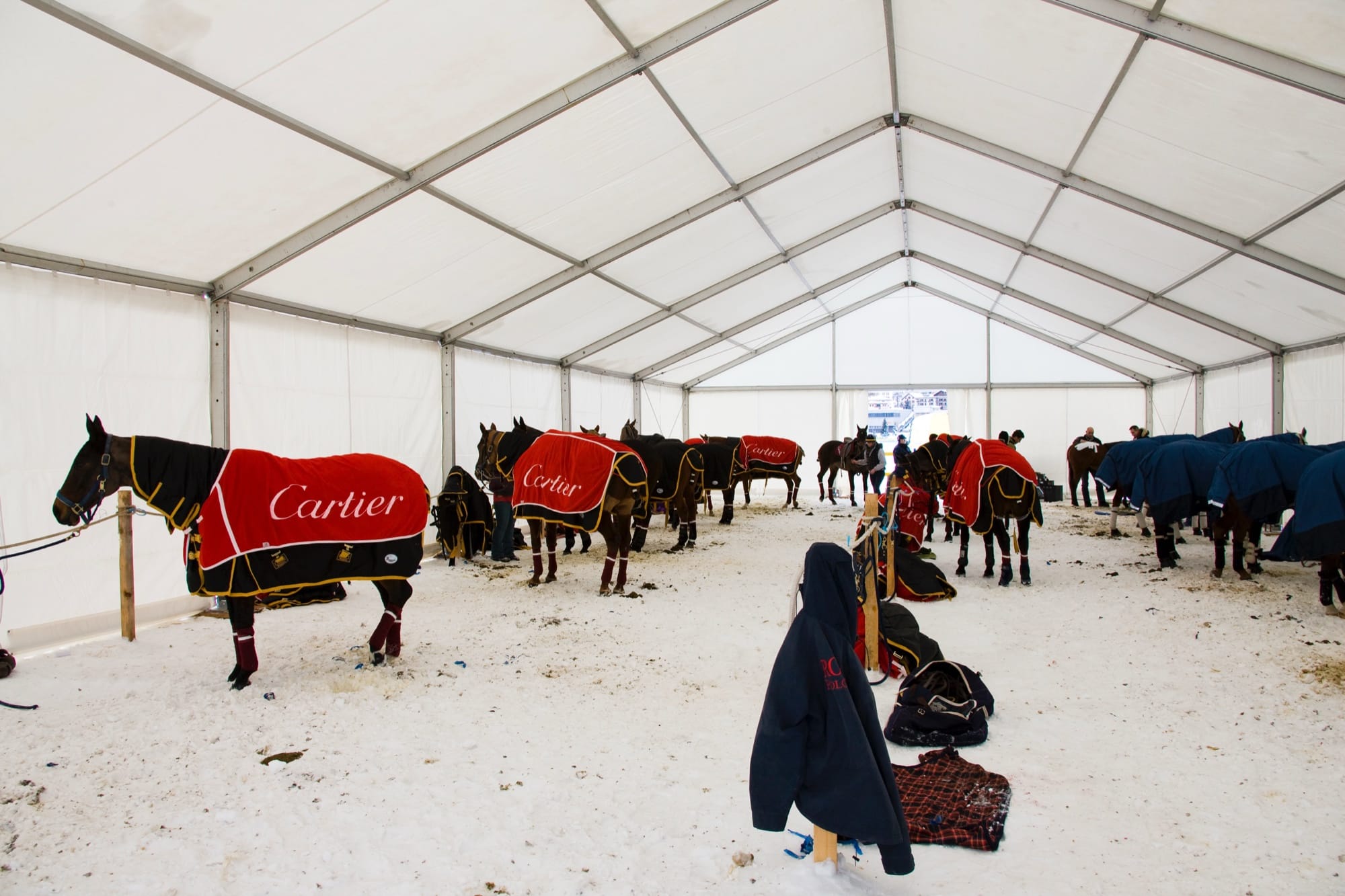
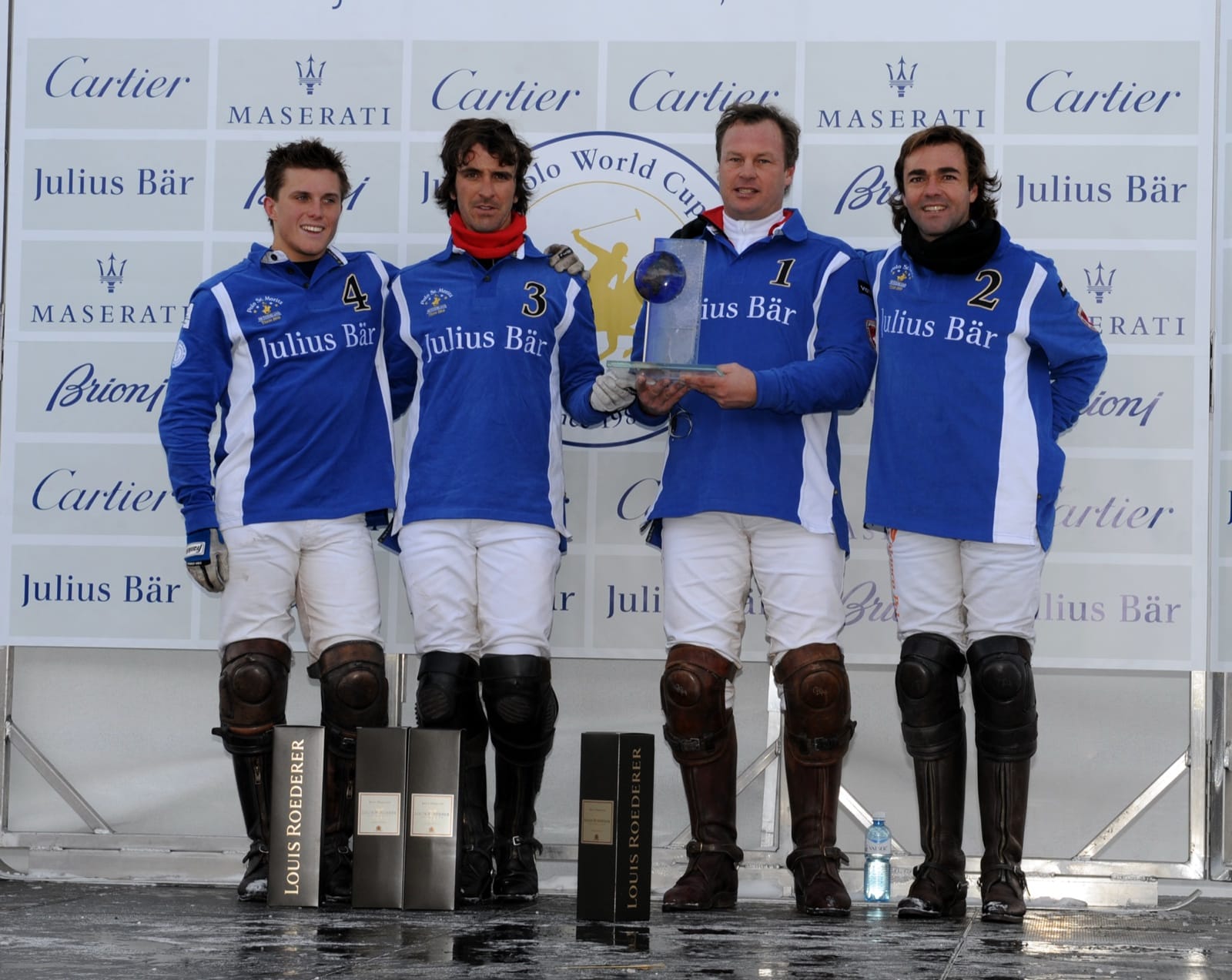
The VeuveClicquot Polo Classic in Governors Island, New York, is celebrating the love affair with all things equine to the fullest, not only flaunting the alcoholic brand royalty in the title of the event, but introducing genuine royalty, the most eligible Prince Harry of the United Kingdom, as its lead celebrity. Cartier deserves accolades for being keen on this trend in its early stages; it has been sponsoring polo events for over 25 years, remaining faithful to the UK’s Guards Polo Club with the Cartier International Day in late July. Cartier also travels to St. Moritz, Switzerland, during the winter months to host the Cartier Cup competition at the St. Moritz Polo World Cup on Snow in late January. While associated more with panthers rather than horses, this historic jeweler to queens and maharajas evokes the allure of aristocratic heritage flawlessly.
The man who understands the full force and conceptual appeal of equestrian pleasures is Ralph Lauren. The founding identity of Polo Ralph Lauren teases the luxury consumer’s fantasy of the equestrian by exploiting its glamour and prestige – even before the brand legitimately engaged with the sport. It also mixes the American West’s cowboy style with the East Coast’s bent towards European formality. While Mr. Lauren personally prefers to collect vintage cars rather than thoroughbreds, his hobby is still not far off the mark; it, too, is a reserve of the elite, the simple joy of riding a well-tuned thing of beauty, not for necessity, but for pleasure.