At the end of last year, the International Energy Agency (IEA) released a few bombshells in its report on the United States. First, it stated that the U.S. had overtaken Russia as the largest producer of gas. Secondly, that it would surpass Saudi Arabia in becoming the world’s largest oil producer by 2020. And lastly, it would become a net oil and gas exporter by 2030.
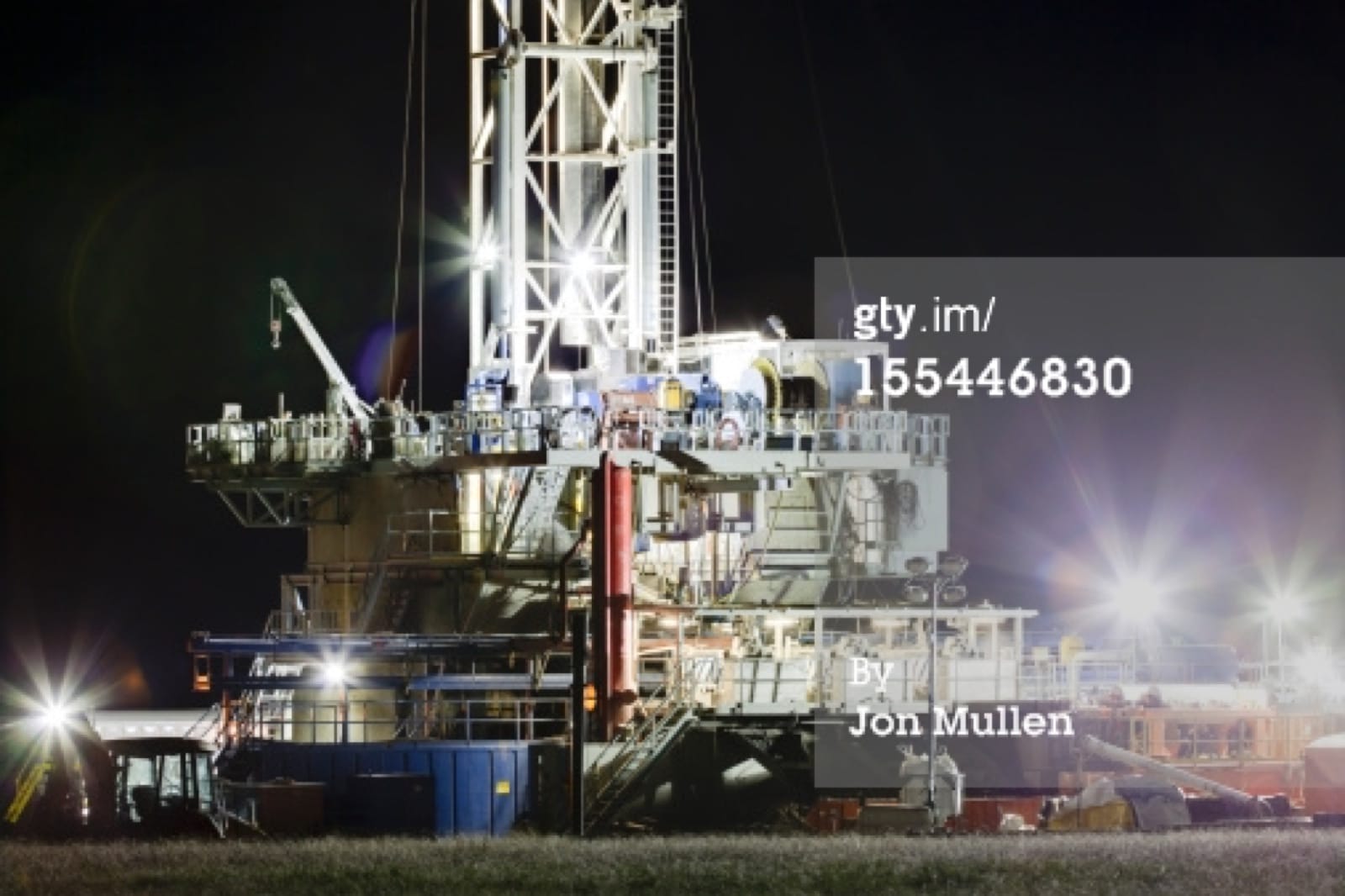
All these revelations can be traced back to the country’s newfound ability to squeeze oil and gas out of rock, a source once thought too difficult and expensive to tap. Prospectors have learned to drill horizontally into long, thin seams of shale and other oil-bearing rock in place of searching for the (increasingly) rare underground pools of hydrocarbons accumulated over millions of years. To free the oil and gas from the rock, it’s cracked open by pumping water, sand and chemicals into the ground at high pressure, a process known as hydraulic fracturing or ‘fracking’. It may be messy and environmentally fraught but it will allow the world’s leading economy to become self-sufficient in the foreseeable future.
Presently, the United States depends on natural gas to meet around 30 per cent of its energy requirements and it has already completed the world’s most advanced national grid for gas reception and distribution. This grid has helped spread the use of gas on a large scale and it is interesting to note that the shift away from coal has decreased the country’s atmospheric pollution levels to below those set by the Kyoto Protocol. It’s an incredible achievement, for if you recall, the U.S. didn’t actually ratify Kyoto, yet it has surpassed its recommendations. Conversely, there are major European industrialised countries that have failed to meet these standards despite the fact they signed the protocol.
One of the reasons the U.S. has been so quick to exploit this new fracking technology is the simple fact that natural resources in the United States are still the property of the owners of the land in which they’re found, no matter whether we’re talking oil, gas, gold or other minerals. Rampant competition between landowners of tracts of gas-rich shale rocks has resulted in much exploitation and as a result, it has driven the price of a thousand cubic feet of gas down from 13.5 USD in the summer of 2008 to just 2 USD today. Since 6,000 cubic feet of gas has a thermal energy equivalent to one barrel of oil, it can be said that the price of gas equivalent to a barrel of oil has gone from 81 USD four years ago to just 12 USD today.
This significant decrease has created an environment where coal and nuclear are fast being replaced by natural gas as sources of electricity in the U.S. Consequently, it’s not overly optimistic to assume that gas will account for over 35 per cent of total energy consumption in the U.S. by 2020. Even if gas prices triple or quadruple in the coming years, this development will give America a competitive edge compared to other industrialised and developing countries with respect to energy costs for families, hotels, restaurants, hospitals, universities, electricity generation and general conditions of living.
The companies most likely to profit range from independent drillers to large international oil companies like Royal Dutch Shell, which increasingly considers the U.S. as one of the most promising places to drill. Exxon Mobil for instance, agreed to spend 1.6 billion USD last month, in order to increase its U.S. oil holdings. And it’s not only businesses directly serving the oil industry that are benefiting, like the steel companies that supply pipes or the railroads that transport oil. Homebuilders, car dealers and retailers in energy-producing states are also getting a boost.
Increased drilling is driving economic growth in states such as North Dakota, Oklahoma, Wyoming, Montana and Texas, all of which have unemployment rates far below the national average of 7.8 per cent. Unemployment in North Dakota for example is at 3 per cent, Oklahoma at 5.2.
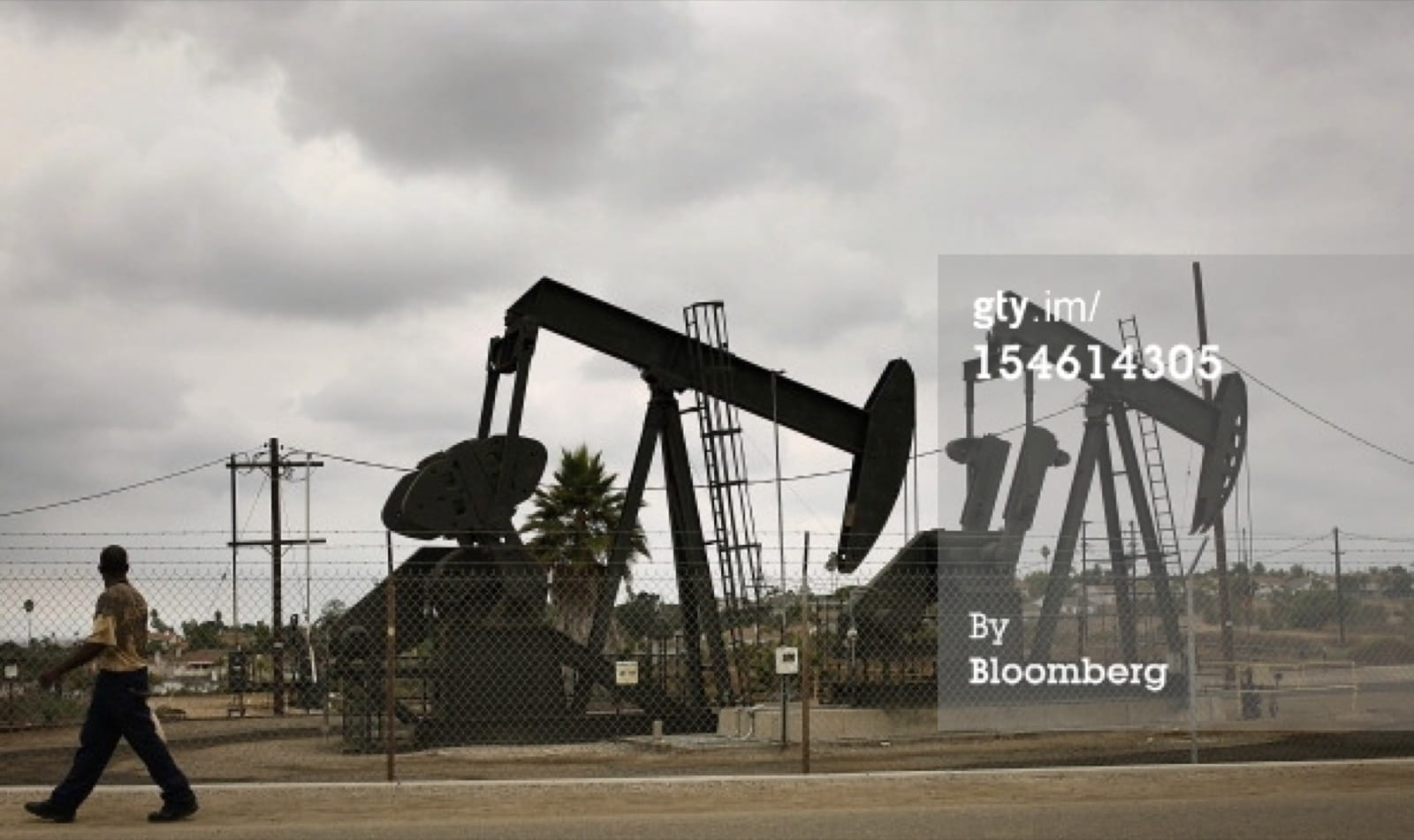
The IEA report goes on to say that these new sources of fossil fuels in the U.S. will lead to a redrawing of the international energy map. Keep in mind that the U.S. has relied heavily on Middle Eastern suppliers for the past five decades. Fracking may ultimately mean that this will no longer be the case. If the U.S. does not need to depend on the region for its energy needs, its political involvement may well dwindle. What that could mean for its clients, both political and economic, is uncertain but at the least, it could lead to some major realignments.
Whether or not the U.S. supplants Saudi Arabia as the world's biggest oil producer will depend on the price of oil and Saudi production in the years to come. Saudi Arabia sits on the world's largest reserves of oil and it raises and lowers production to try and keep oil prices steady. According to the IEA, Saudi output is expected to remain relatively stable from now until 2017. Saudi oil is cheap to tap, while fracking is very expensive, so if the price of oil falls below 75 USD per barrel, drillers in the U.S. will almost certainly begin to cut back on domestic production.
Then again, if oil prices drop this will have a negative impact on Arab oil countries too. Lower prices per barrel will lead to a decline in economic activity in the Gulf and North and Western African countries because the region’s economies and spending programs are still heavily tied to oil revenues. In either case – reduced U.S. demand or lower oil prices - the advent of fracking would seem to urge the countries concerned to adopt policies that contribute to raising financial reserves and diversifying their investments. The most important strategy is for Arab countries to start to work on establishing a common Arab market, interconnected by modern transportation facilities, as well as by advanced communications. Continuous development, however, will depend on educational standards and personal liberties. The former have to be improved whereas the latter have to be protected.
Going back to the United States, it’s likely that economic growth will resume at a satisfactory rate, inflation will continue to be low and productivity will increase. The positioning of the U.S. vis-a-vis industrial economies will strengthen and even if the Europeans regain a stable common currency, the U.S. economy will still exceed all the EU economies. In fact, the only possible threat within the next 20 years is probably China. Capable of exceeding U.S. GDP by 2020, it will need to import a lot of oil and some gas from the Middle East and so will likely have to substitute for the U.S. in protecting sea-lanes for deliveries from the Middle East. The again, this sort of growth is only possible if there’s no military strife in South East Asia or the Far East.