District cooling operates on a remarkably simple idea: A plant containing thousands of chillers cools water to around five degrees Centigrade. The water is then pumped into the homes of local residents, where it is used to lower the temperature of the air inside the building via the residence’s air conditioning system. Warm air within the building is blown toward a series of pipes containing the cold water and emerges on the other side significantly cooler. This cold air is then cycled through the building. Having absorbed heat from within the structure the, now warm, water is pumped back to the cooling plant where it is chilled once again and the cycle begins anew.
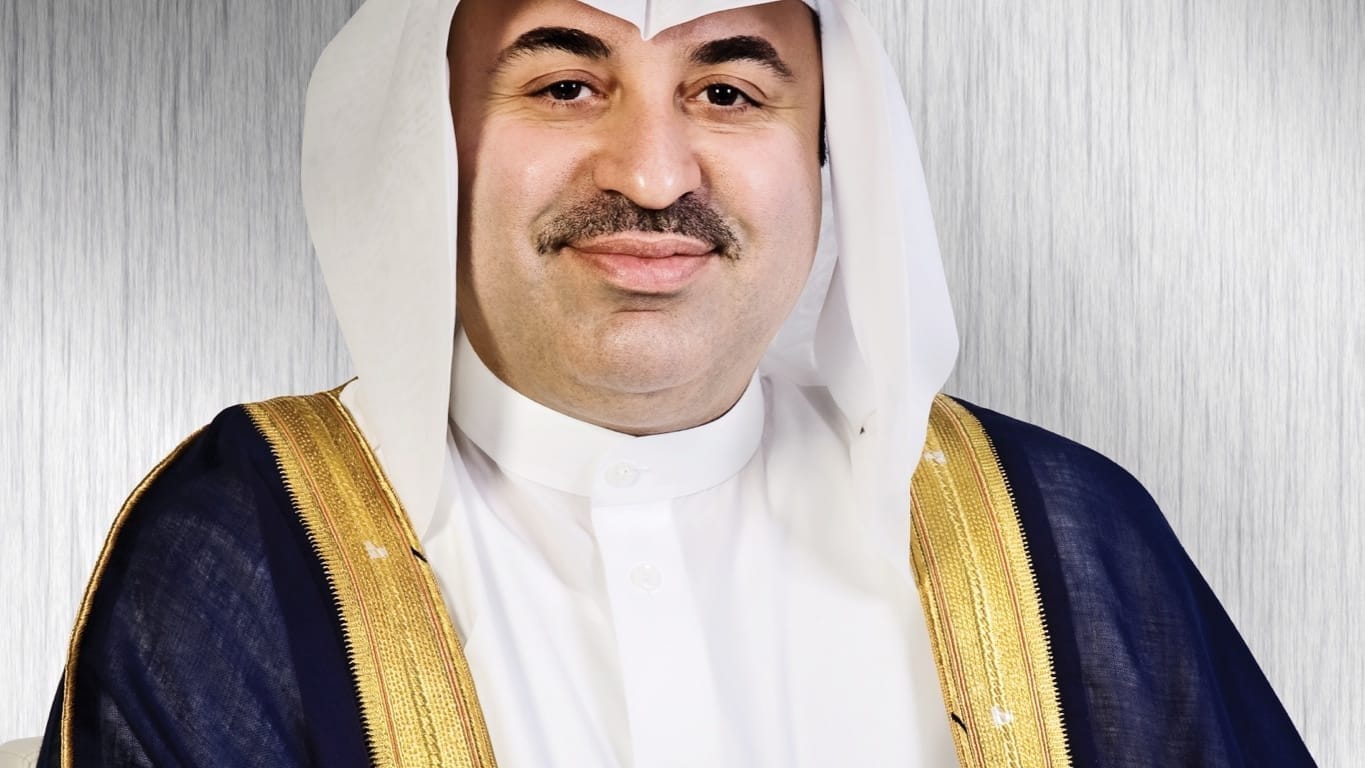
Given Qatar’s extraordinary expansion in the early part of the decade, it was clear that there was a need for some form of ecologically-sound cooling system, according to Omar Alfardan, chairman of Qatar Cool, “The West Bay project started in 2005, right after forming the company. We completed all work by 2006, starting work immediately after in that district.” By January of this year Qatar Cool was providing cooling air to more than 45 mixed residential and commercial towers. However, that was just the beginning.
In 2006 the company started work on what was to become the largest district cooling plant in the world, to serve residents and businesses on the Pearl. 41,000 residents, not to mention myriad hotels, shops and malls on the 400-hectare manmade island will benefit from 31,000 refrigerated tonnes of cooling air following the opening of the plant on November, 9 2010. It can’t be stated clearly enough, this is a crowning moment for ecologically-sound management of both our environmental and developmental needs.
Alfardan puts it into context, “The principal advantage of using district cooling versus traditional air conditioning is the saving in power. Seventy per cent of power generated in the region is used for traditional air conditioning. With a power saving of 50 to 60 per cent, district cooling significantly reduces the load on the grid, in turn reducing the need for power generation.” All this sounds good, but the scale doesn’t hit you until Alfardan pulls out another statistic, “From the environmental perspective, our plant at the Pearl along with our other two plants will be saving 250 million tonnes of CO2 per year. This is the equivalent of planting 25 million trees.” Pause for a second and let that sink in. The largest ongoing tree-planting project in the world is taking place in China’s Tangwanghe province, the 750,000 trees planted each year pale into insignificance when compared to Qatar Cool’s endeavours. The Tangawanghe project could run for 30 years and still not achieve what Qatar Cool has managed to date.
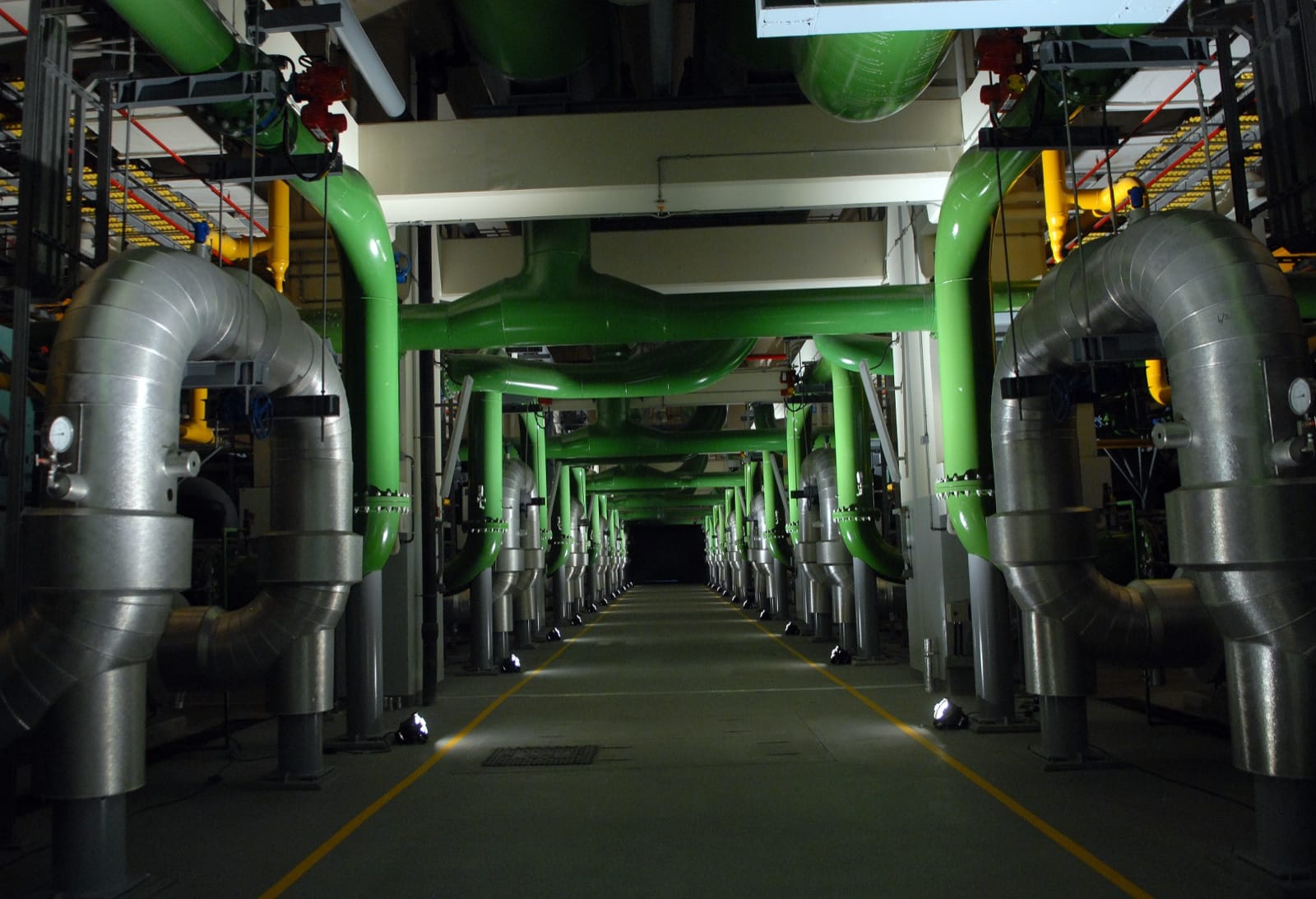
It’s obvious that district cooling is a boon in terms of the environment however, there are also more mundane reasons to celebrate being hooked up to the system. District cooling allows for the removal of compressors, bulky air conditioning units and pipes, saving space and eliminating the eyesore created by thousands of air conditioning units clinging to the side of buildings. Additionally, noise levels are reduced along with vibrations, according to Alfardan. If it’s working well, there’s no reason to know it’s there.
Alfardan’s clearly elated having opened the new plant, “It’s a feeling of satisfaction when you are able to turn a dream into reality while at the same time not forgetting that the environment is our priority and development should not come at it’s expense,” he says. Given the company’s ongoing success, Qatar Cool and the Pearl plant are the vanguard of this green technology in the region.
WHAT Qatar Cool
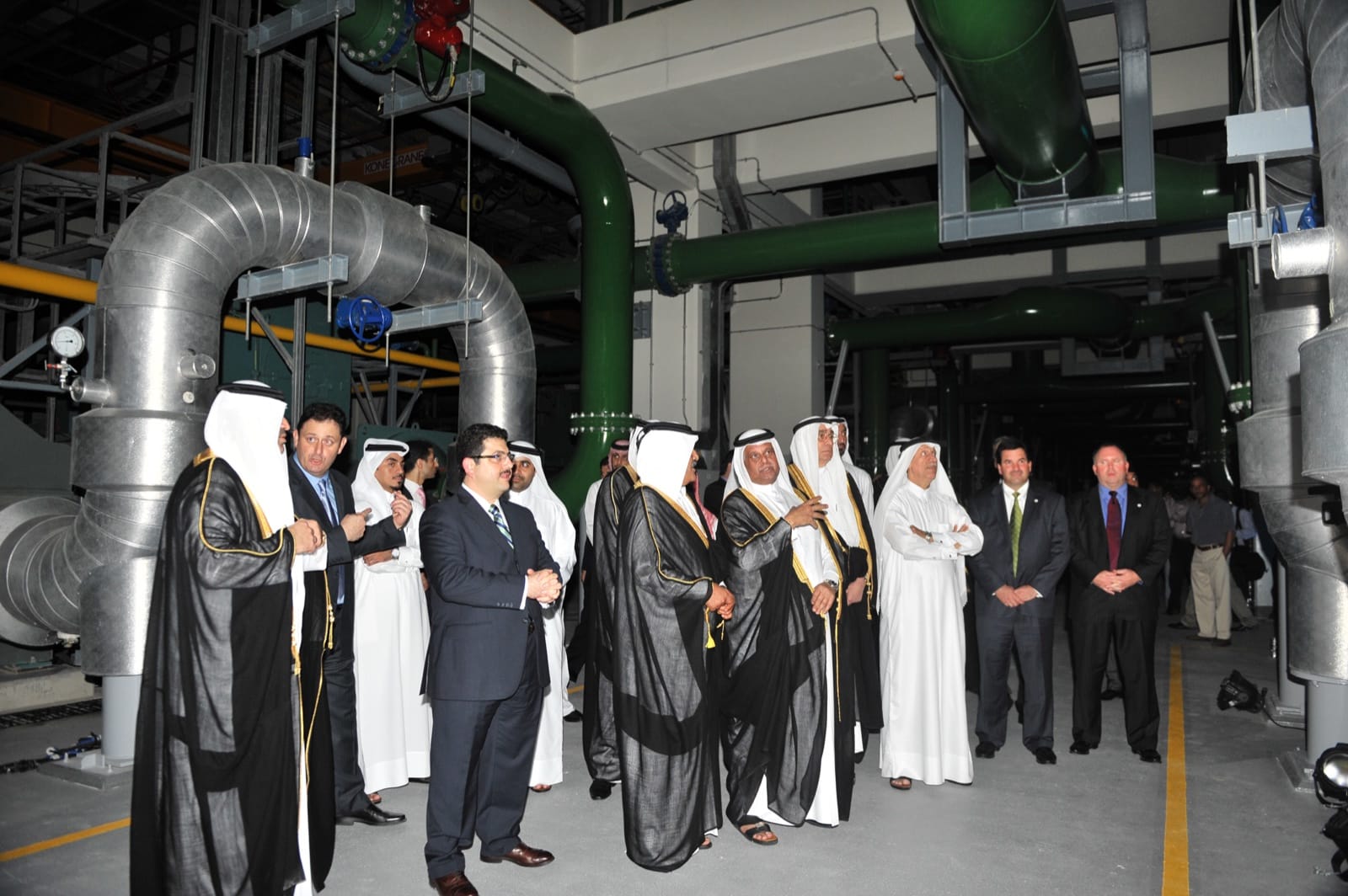
WHO Qatar Cool is a joint venture between the Qatari United Development Company (UDC) and the Emirati National Central Cooling Company (Tabreed)
CHAIRMAN Omar Alfardan
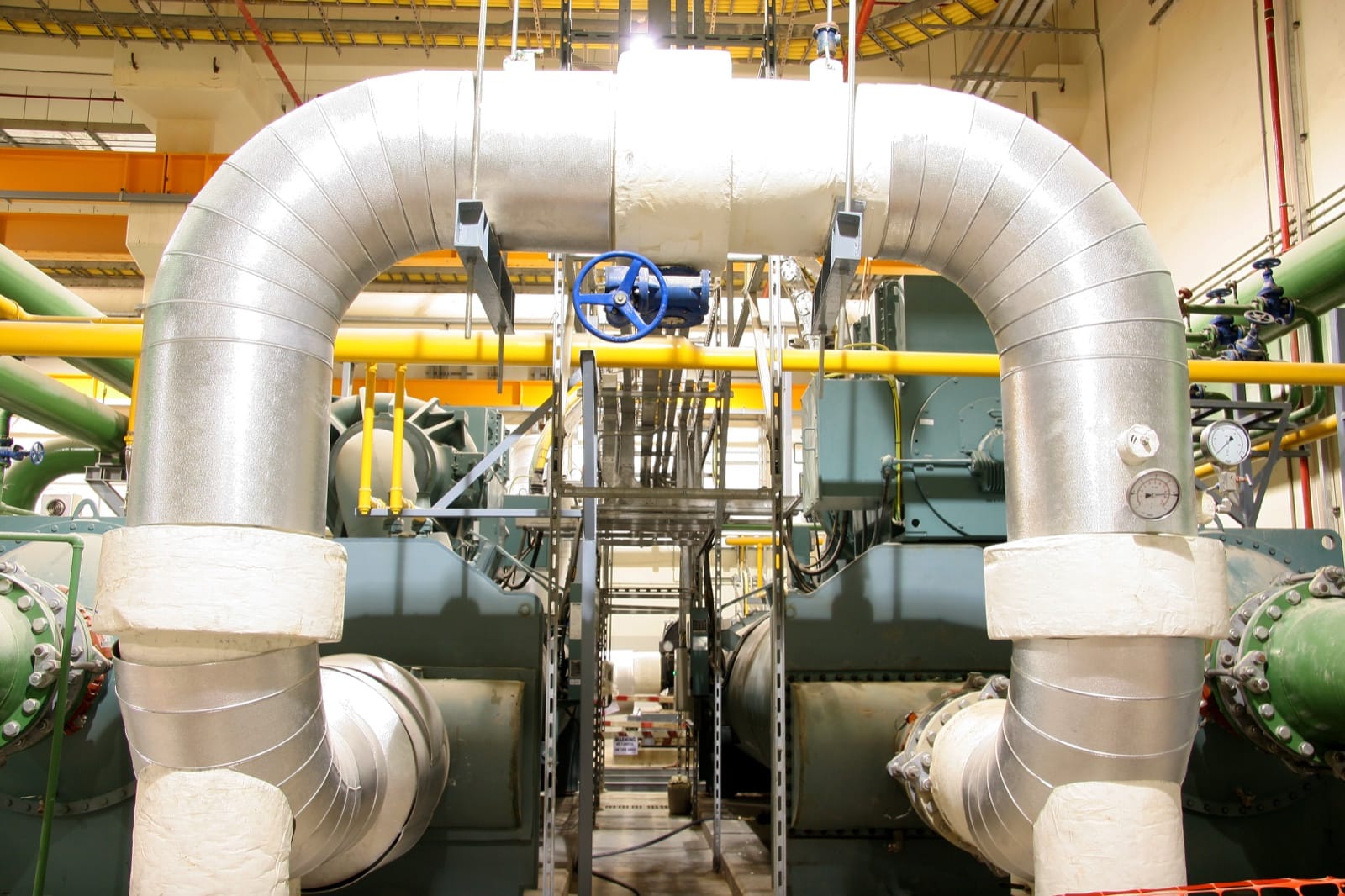
WHY Qatar Cool is currently the world leader in district cooling. With a new plant having opened in November 2010 on The Pearl, the company is now saving 250 million tonnes of CO2 per year.
www.qatarcool.com