Steve Jobs and Steve Wozinak
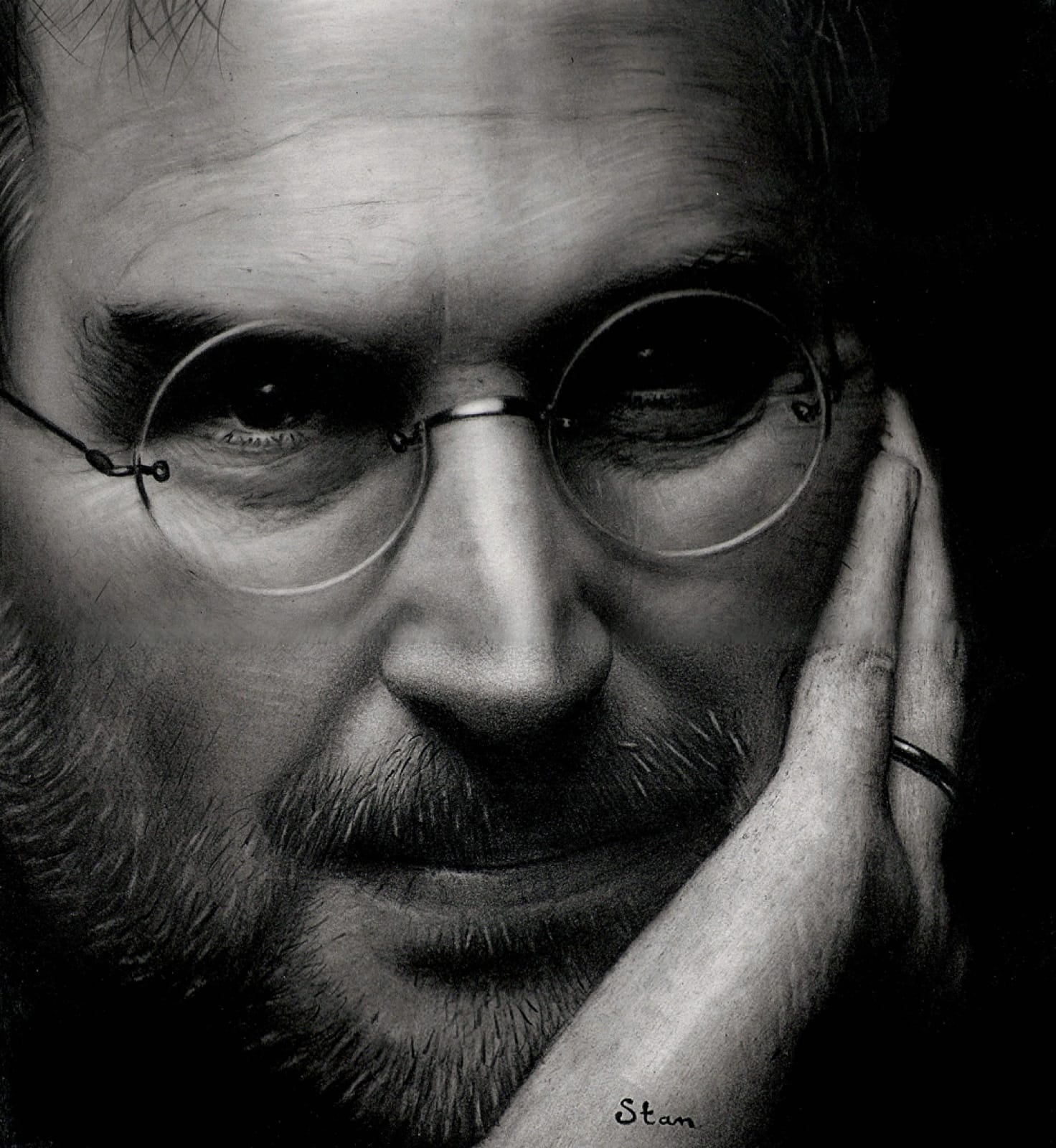
The force behind electronics powerhouse Apple, Wozinak and Jobs revolutionised home computing in the 1980s. An extraordinary engineer, Wozinak built the systems, while Jobs was the ideas man. The pair created motherboards for the first ‘homebrew’ computers available to the public. Unlike their competitors, Wozinak insisted on graphics hardware and programs that didn’t require the user to be an expert programmer, thus giving Apple an instant appeal.
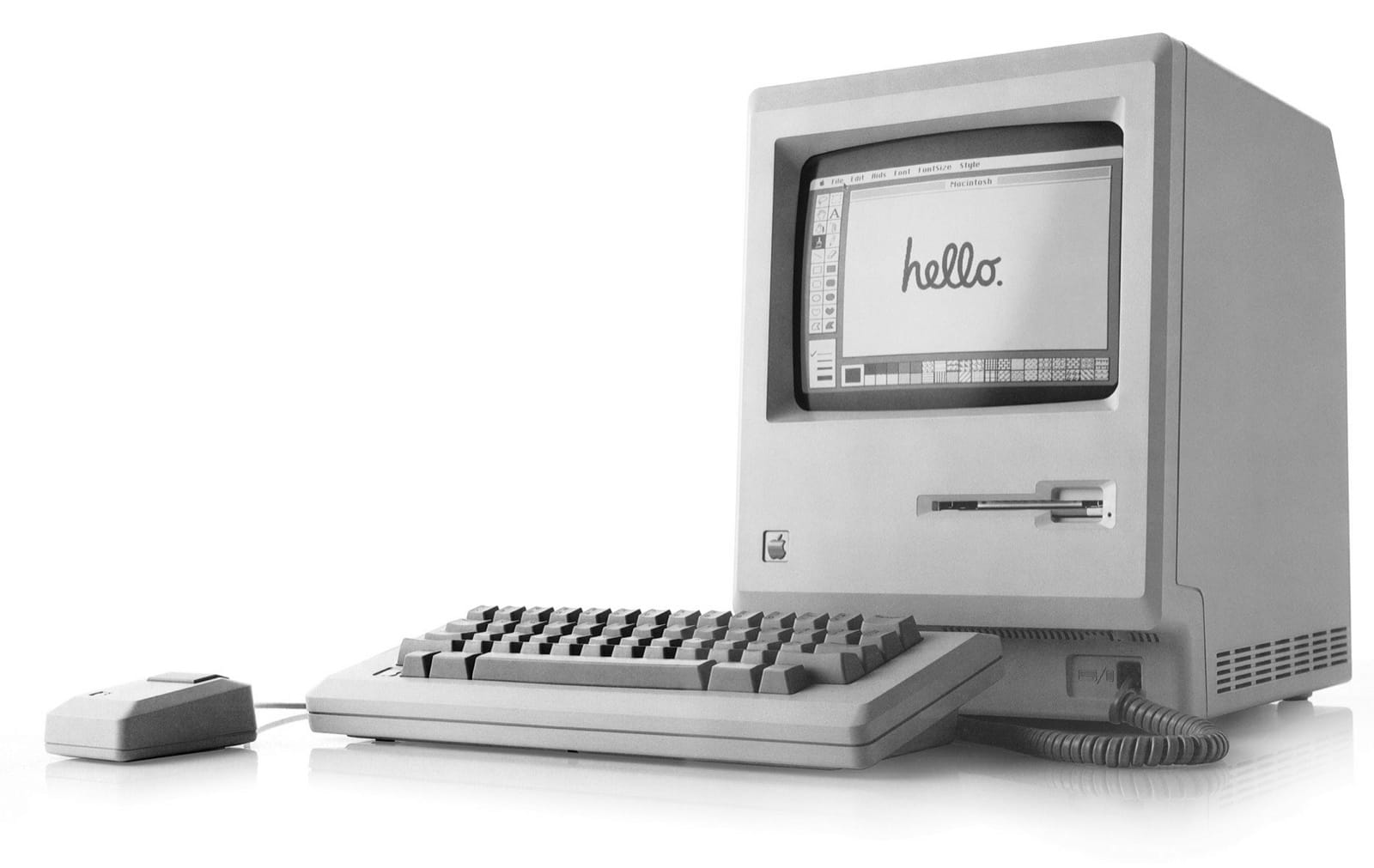
By the mid-1980s, at Jobs’ insistence, they had, to industry insiders’ bemusement, pushed a user-friendly system of clickable icons, accessed by an esoteric device known as a ‘mouse’. Wozinak, forced to a prolonged sabbatical due to an accident, took a back seat upon his return in 1983 as Jobs drove the company forward.
Amid backroom politicking, the partnership ended, and Jobs was forced from the company. Wozinak left Apple in 1987 while Jobs returned in 1996 to Apple to the very top of the consumer electronics pile.
The boardroom drama aside, desktops, icons, clicking, the modern computer experience itself, were all conceptualised, and, perhaps more importantly, brought to market, by the two Steves.
William Procter and James Gamble
Today, it seems incredible that the alliance between two brothers-in-law who made candles (William Proctor) and soap (James Gamble) would lead to the emergence of one of the most powerful manufacturers of consumer goods worldwide.
Proctor and Gamble was formed in mid-1830s when they got married to a pair of sisters. Selling cleaning products and candles from Cinncinati, Ohio, the company prospered, but it wasn’t until the outbreak of the American Civil War in 1861 that Proctor and Gamble expanded dramatically.
Supplying their products to the Union Army meant record sales, and lucrative post-war contracts. Enjoying nationwide recognition and demand for its products, Proctor and Gamble began opening additional plants to cope, while focusing on refining their core products, candles and soap, rather than diversify their business.
William Proctor died in 1884 with Gamble following on in 1891 leaving a legacy that would go on to span the globe. From 1920 onward Proctor and Gamble’s product range expanded to include shampoos, coffee, makeup, nappies and deodorant, to name but a few. William Proctor and James Gamble created one of the first international mega-corporations, on a mere suggestion of their wives’ father.
Sergei Brin and Larry Page
It’ simple, they’ve created a verb. Google. It’s in the Oxford English Dictionary. Google returns accurate information and links to web pages, containing keywords input by the user. Brin and Page revolutionised the way people look for information. They’ve also created the worldwide most profitable advertising firm, made satellite imaging available to the public, provided free cloud-based workspaces to all and launched a host of programs that dominate the way we use the Internet.
The two men met in 1995 while PHD students at Stanford University. Initially Google was one of their research projects, but after attracting investors, the pair quit to pursue their ambitions. An IPO in 2004, made Brin and Page paper millionaires and in 2010, the pair earned the 24th position among America’s richest people, with a worth of 17.5 billion USD.
While Google has come under attack as a result of privacy concerns surrounding their collection of data and various copyrights issues, Page and Brin have, undeniably, revolutionised the manner in which we search for information. Ignoring everything else, achieving this sea change is a remarkable accomplishment.
Charles Stewart Rolls and Henry Royce
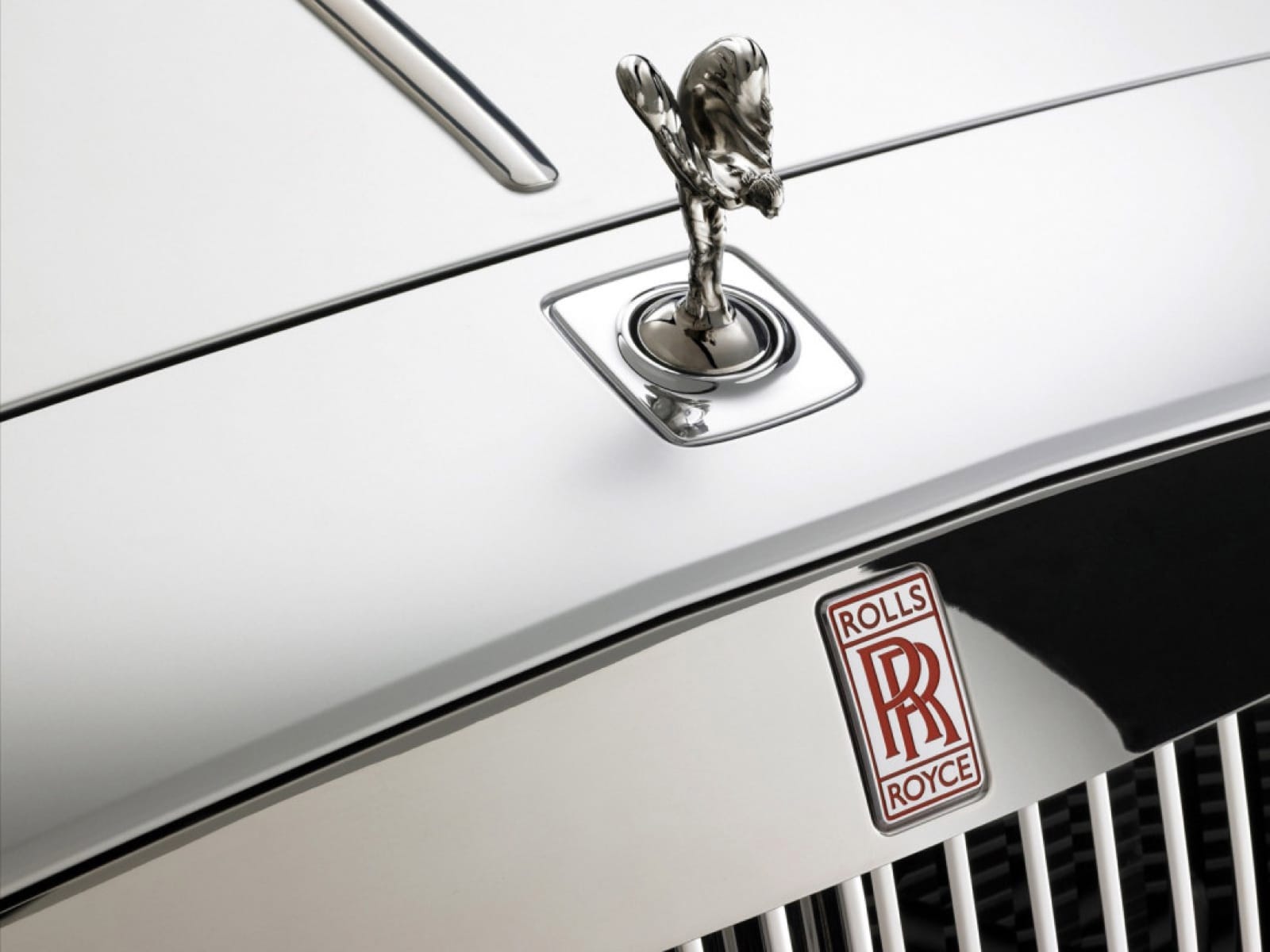
The epitome of luxury, Rolls-Royce, was born when Charles Stewart Rolls, the owner of a car dealership, was presented with the idea by Henry Royce, a manufacturer of cars, in 1904. Rolls agreed to a joint venture and the two created under the moniker Rolls-Royce their first model, a 10 hp, two-cylinder, presented the same year in Paris.
The company was officially formed in 1906 when they raised 100,000 GBP, allowing the pair to build their factory in Derby, UK. Deciding to focus on one product at a time, the Silver Ghost, the ancestor of today’s Phantoms and Ghosts, was born, and all other lines discontinued.
The partnership between Rolls and Royce was dramatically cut short, for the former was killed when in 1910 the broken tail of his Wright Flyer sent him plummeting to the ground. A lifelong aviation enthusiast, Rolls was, ironically perhaps, the first British citizen to be killed in an aircraft accident.
Royce’s last design, the famous Merlin aircraft engines of the 1930s and 40s, was released in 1935, two years after his death. To this day, Rolls-Royce holds the luxury car market’s highly coveted sceptre.