Back in 2000, H.R.H. King Abdullah bin Abdulaziz Al Saud took a historic decision in vowing to open up Saudi Arabia to foreign investment, as well as to diversify the Kingdom’s economy into non-oil sector activity. This necessitated the establishment of the SAGIA, charged with managing the investment environment in the Kingdom.
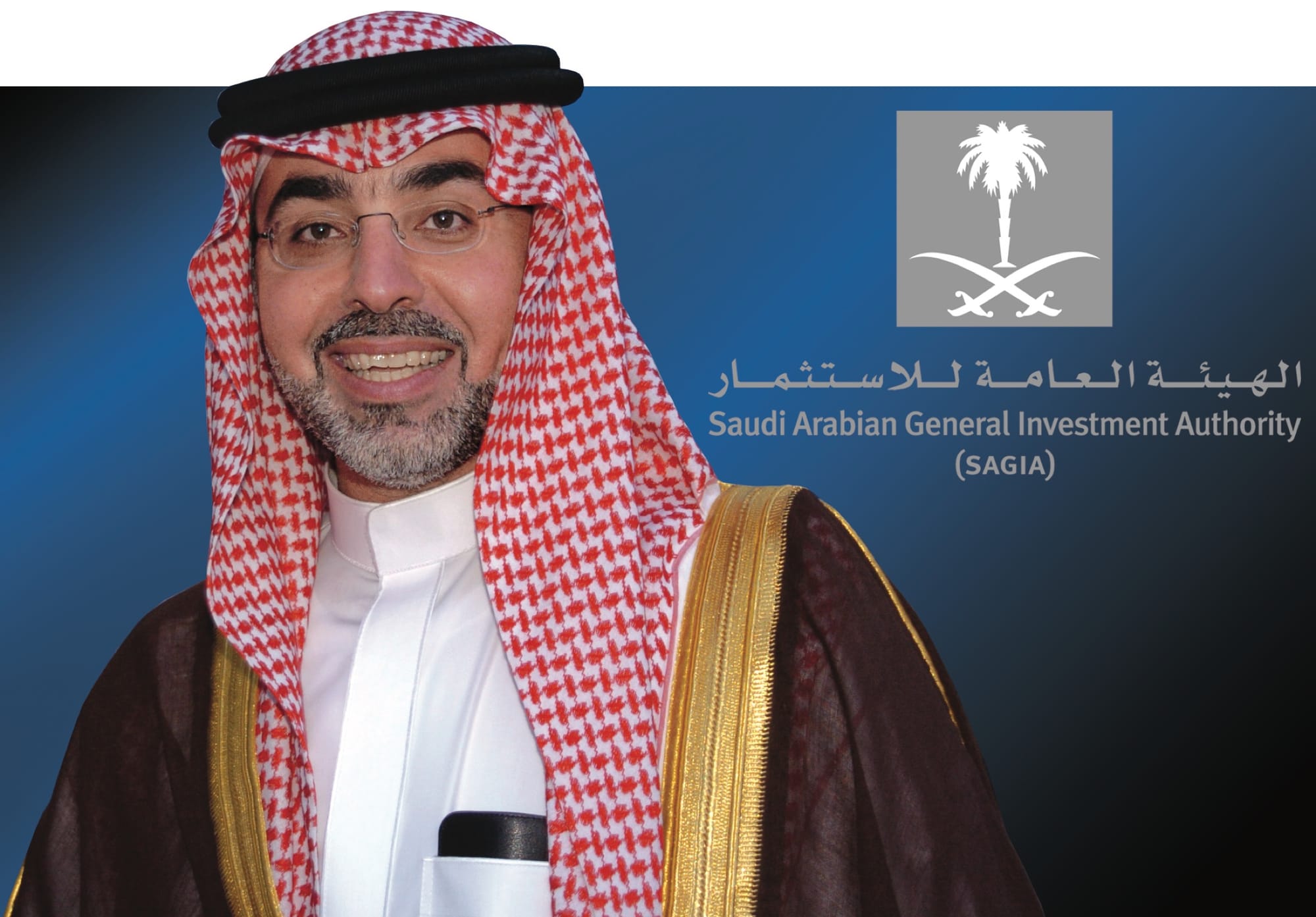
Progress started to intensify from 2004 when Amr Al Dabbagh was appointed chairman of the authority. Almost immediately he set into motion a restructuring process in which many of the most gifted movers and shakers of the private industry were brought in to head various departments. Al Dabbagh undertook the task of making SAGIA a gateway for both foreign and domestic investment in Saudi Arabia. Certainly his tenure has been witness to some impressive growth, chiefly thanks to his ability to maximise the effectiveness of his organisation in minding investors’ interests. And though Saudi Arabia may be currently reforming faster than any other nation, Al Dabbagh will not rest on his laurels until the Kingdom is counted among the world’s top ten most competitive nations.
Perhaps the most important driver in achieving this aim is the initiative of endorsing the public-private-partnership ‘Economic Cities’, a plan spearheaded by Al Dabbagh. By supporting the creation of business-friendly environments founded upon a globally competitive regulatory and incentive-offering framework, SAGIA has been able to attract lots of investors keen to benefit from the Kingdom’s numerous advantages such as its low cost energy resources, stable currency, subsidised nationals’ salary program as well as its strategic location as a major trading hub positioned between the East and West.
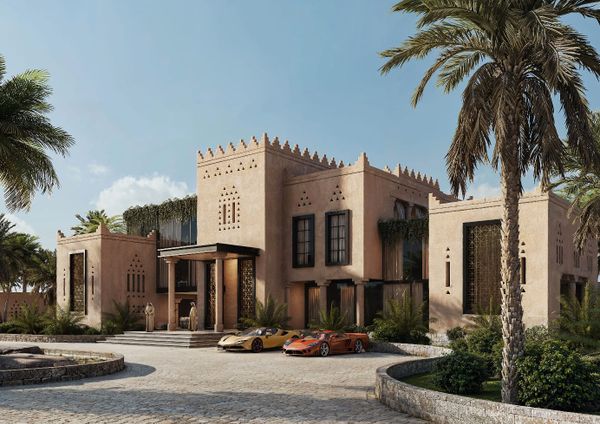
There are currently four of these multi-billion USD cities already under construction, one in Rabigh (King Abdullah Economic City), one in Hail (Prince Abdulaziz bin Mousaed Economic City), one in Medina (Knowledge Economic City) and another in Jizan (Jizan Economic City). Furthermore there are plans to shortly launch another two: one in Tabuk and the other in the Eastern province. The expectation is that by 2020 these cities, which will be home to between 4 and 5 million residents, will contribute to between a quarter and a third of the aspired national growth rate while creating over a million jobs.
“We are building from the ground up an integrated system of Economic Cities, one of which is the size of Hong Kong, and each of which will provide the ultimate in competitive investment and living environments,” Al Dabbagh confirmed.
But why SAGIA? Firstly, for investors, this is an organisation that speeds up the licensing and support services, making the establishment of businesses much easier than it was years ago. SAGIA also manages the regional balance by cooperating with authorities to draw up effective strategies that leverage each region’s key strengths. According to Al Dabbagh, energy, transportation and knowledge based industries, “are where we have the most to offer.” Since his appointment, SAGIA has licensed some 2,000 projects worth over 50 billion USD, 85 per cent of which are foreign investments.
Nonetheless, governmental affairs are not Al Dabbagh’s sole forte. As founder of the Jeddah Economic Forum, Al Dabbagh has helped establish the region’s strategic think tank focusing on regional and international economic and social issues. Several key issues have been put on the table and resolved in these meetings, the most recent of which, was the oil crisis. Moreover, this forum, with its academic partner the London School of Business, has succeeded in attracting as speakers many of the world’s political, academic, corporate and media leaders - personalities such as Bill Clinton, John Major, Mahathir Mohamad, Lubna Olayan, Klaus Schwab and Hayyat Sindi.
Al Dabbagh is also a firm believer of social responsibility and regularly reviews the corporate role in its education of society. As the vice chairman of the Board of Trustees of the Centennial Foundation (which is supported by SAGIA), he is part of organisation that was established to aid young Saudi entrepreneurs by providing full transactional support to selected applicants and thereby helping them reach a level of economic independence through self-employment.
Although Saudi Arabia has some way to go in terms of domestic economic development none can refute the fine progress already achieved thanks to the efforts of Al Dabbagh. With fast progressing neighbours around the Gulf such as the U.A.E. and Qatar, the super work of SAGIA and its chairman has demonstrated how the Kingdom should never be underestimated. If this much has been achieved in just four years, we can’t wait to see what Amr Al Dabbagh has in store for us in the next four.
Who Amr Al Dabbagh
What Chairman of the Saudi Arabian General Investment Authority
Why Since his appointment, he has managed to elevate the Kingdom of Saudi Arabia into the position of the world’s fastest reforming economy. His contributions to Saudi Arabian society as a whole are also noteworthy.
www.sagia.gov.sa