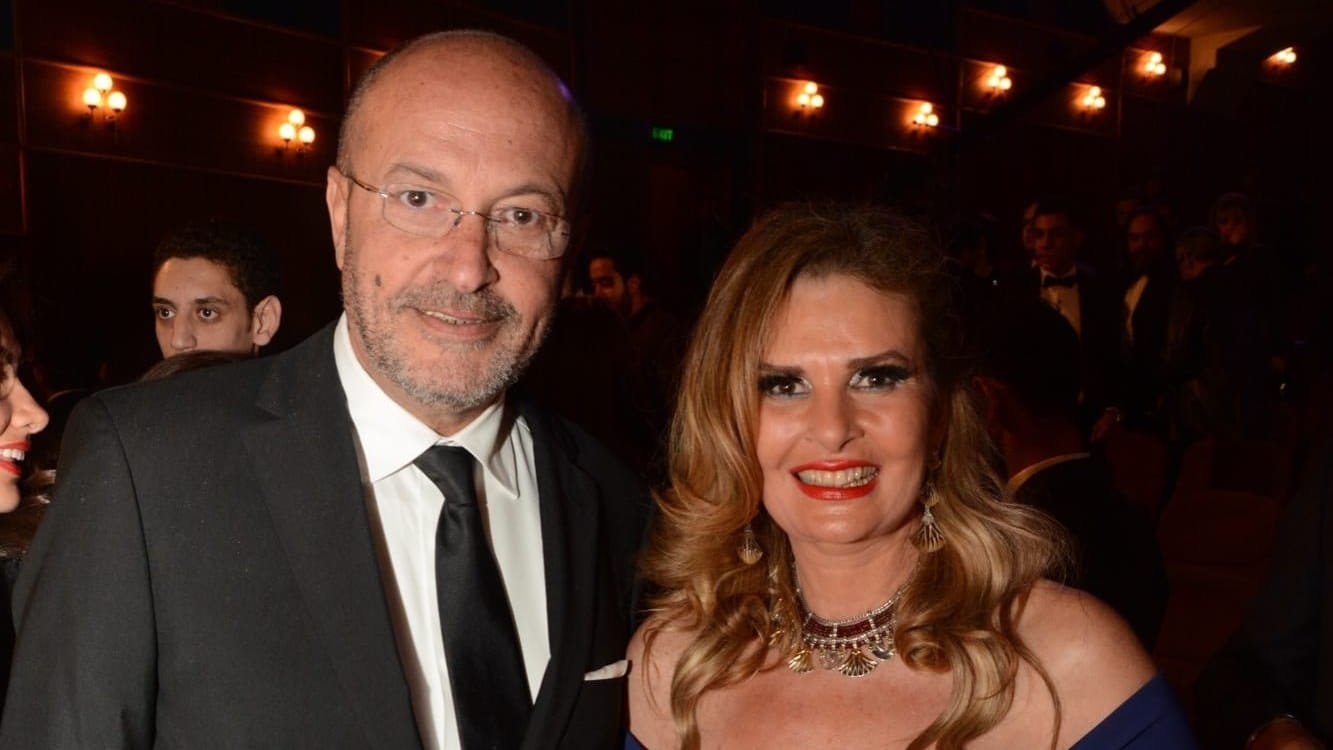
It’s a humid evening in late June, and by the time I arrive at Beirut’s Hotel Le Vendôme I’m feeling grimy and my skin is sticky with heat. Yet, I soon forget all that thanks to Amr Koura and his inimitable charm, an all too infrequent trait in the cutthroat world of film and television.
Koura is in town to attend iftar dinners with Lebanese production companies. A year ago, he confides, these producers wanted nothing to do with him. Now he is being wooed by film and TV companies across the region. Koura is the founder of Creative Arab Talent, the first talent agency in the Middle East. Since founding the company in Cairo in April 2015, he has signed more than 30 clients and has just opened a new office in Los Angeles, where he hopes to establish links with Hollywood’s highest echelon.
A charismatic figure with a deep, velvety voice, Koura doesn’t need me to prompt him – as soon as we sit down he’s off, explaining the tangled career path that led him to his current role as the man behind many of the Arab world’s rising stars.
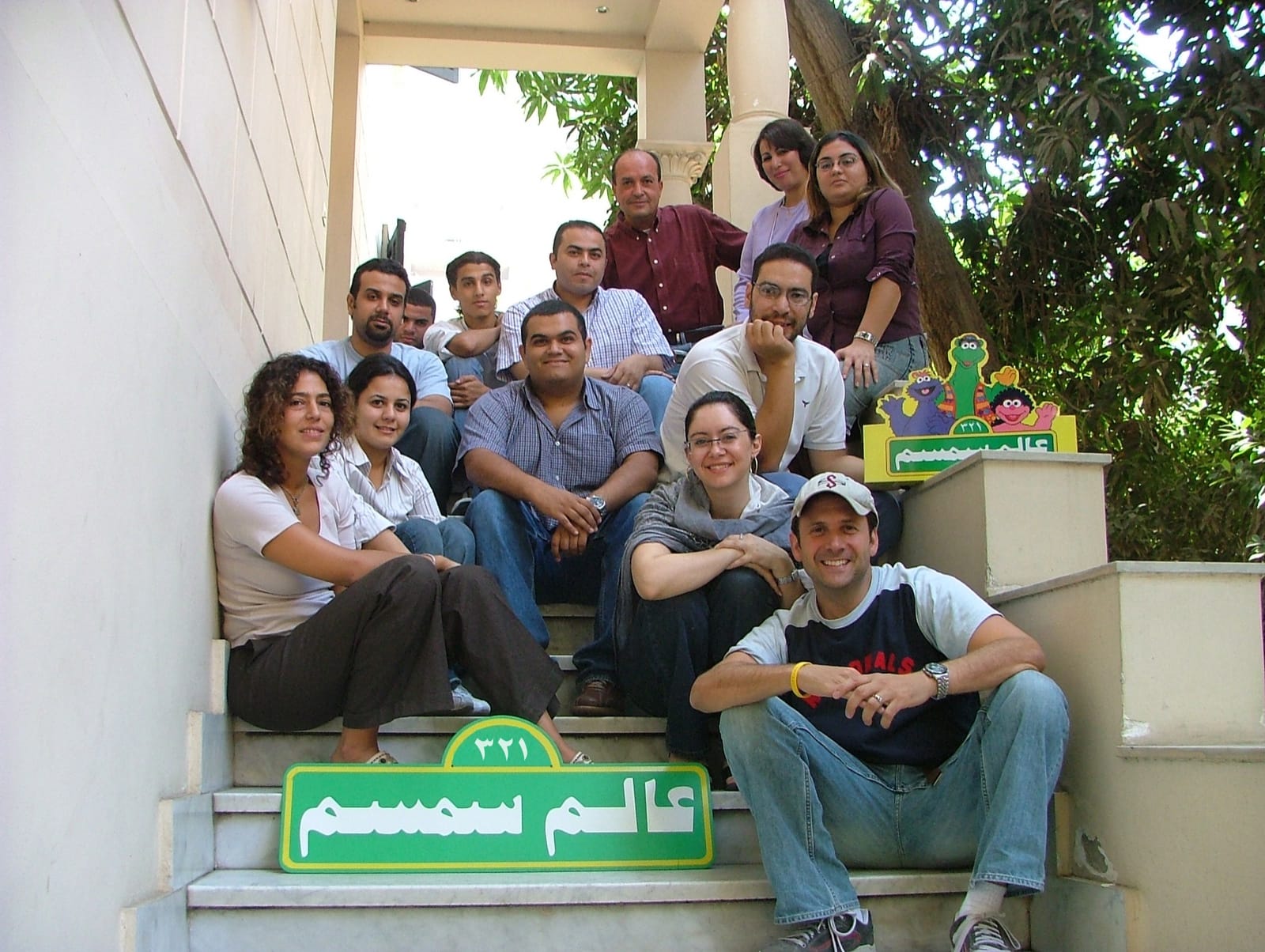
Koura studied architecture but began his career as a photographer at a leading Egyptian advertising agency. After a stint running his own agency, he founded a production company specialising in TV commercials. In 1998, he got his big break when his company won the bid to produce the Egyptian version of Sesame Street. “That was a life changer, definitely, because you’re not just doing creative work, you’re actually doing something good,” he said. “The impact it had on mothers and children was enormous and really very satisfying.”
Inspired by the edutainment format, Koura debuted a new show called The University in 2010, aimed at young adults between 15 and 25. Soon afterwards, amid the chaos and uncertainty caused by the 2011 revolution, he joined Adline Media Network, a media representation and buying agency. The job, he says, was “horrible,” lacking any creative aspect, but it gave him insight into the other side of the media business.
Determined to take on a more creative role and keen to have some impact on regional production, he began planning his next step. “I started reading about the business internationally and discovered the world of agents. I realised they actually influence the content business in a very big way, because they have the trust of the creative talent,” he says. Koura decided to create his own agency, covering three separate aspects of the business: talent representation, talent management and publicity.
It hasn’t all been smooth sailing. He faced initial scepticism from both clients and producers, but he freely admits that in his line of work perception is everything. “I am the chairman of Al Nahar TV network,” he reminds me. “I am an honorary chairman, but in the eyes of the public I am the chairman, so the producers, who don’t want a man in the middle, think, ‘Okay, so we can crush him here, but what about when we come to sell our series? He has influence.’”
One of the biggest challenges Koura faced was finding the right array of talent. “We switched strategy six months after we started,” Koura explains. “The first six people I signed were all young ladies in their early 30s, and I realised there was something wrong. I didn’t have variety.” So Koura started focusing on talent rather than name. “When I started signing new talent, people were wondering, ‘Why him? He’s nobody.’ But, for example, six of my talents this Ramadan are really killing it.” He pauses to pull out his phone and show me two articles. One is entitled ‘Ten Brilliant Actresses of Ramadan 2016 TV’ – five of them are represented by Koura. Another article lists the top five actresses – three are with Creative Arab Talent.
When I refer to him as a star-maker, he demurs. “Again, it’s perception,” he shrugs. “Maybe the good thing I did was to help them choose the right roles. I often ask talent to take less pay for a better role, and this is the result. The perception in the market now is that everybody who joins me skyrockets. So I’m getting an amazing number of calls. Everybody wants to join.”
After just over a year in the business, Koura has four agents working for him in Egypt, with a further two in Dubai. He has signed 30 clients, among them screenwriters, directors, actors, actresses, stand-up comedians and even an illusionist from Saudi Arabia. “But it doesn’t stop there,” Koura enthuses. “We’re going into the music business, we’re going into the sports business – the variety strengthens our position as a talent agency.” Case in point, Koura has even agreed to represent two authors, expanding his role to that of literary agent.
As he anticipated, Koura is now in a position of influence. “I’ve reached the stage now where producers send me scripts even in their development stage to get my opinion, not on the actors, but just in general,” he says. “An agent is really a deal-maker, and it doesn’t stop at getting a talent a contract. I have a writer who has a nice story, so I call a director and ask if he’s interested. I bring them together and start pulling actors into the project. I package it and take it to the production companies. This is how you really influence things.”
Creative Arab Talent’s recent expansion to Hollywood is part of a more ambitious plan. “My biggest objective is to take our work abroad,” Koura says. “On my visits to Hollywood and London, there was always a common refrain which was ‘We’d love to have Arab talent, but we don’t know who to call.’ So I decided to be that person.”
In order to make this happen, Koura knew he needed to establish a permanent presence in tinseltown, where he intends to achieve three main goals: find work for his Arab clients in Hollywood, bring big Hollywood stars to this region, and establish links with American producers in order to create joint productions.
Although he dreams big, Koura remains modest about his progress over the past year. “I am very successful, thank God. But in Hollywood I have a very small office with one person. It’s not like I have a multimillion dollar presence. But what we do for our talent and ourselves is RAPPP – Raise A Positive Public Profile Perception, and that is bigger than reality, usually. This is what I do – I create perceptions.”
It may seem counterintuitive of Koura to downplay his own success to the media, but his strategy of honesty in a smoke and mirrors business is evidently working. There’s been a lot of focus on the lack of diversity in Hollywood in recent years, from the #oscarssowhite controversy, to the scarcity of Arab actors in movies like Gods of Egypt, to recent rumours that Leonardo DiCaprio might be cast as the 13th century Persian poet, Rumi, in an upcoming biopic. If anyone is well positioned to counter Hollywood’s diversity problem – and potentially introduce the world to the next Omar Sharif – surely it’s Koura.