Lebanon is one of the world’s oldest producers of grapes and the juices thereof. More than 5,000 years ago, the Phoenicians became the first to export the tipple, trading with major cities in Egypt, Rome and Greece. Indeed the drink was a specialty of the Phoenicians; their ancient poetry praised the product that they made and traded. A fresco in an Egyptian tomb of the 18th dynasty depicts Phoenician merchant ships anchored at a port in Egypt. They include jars in which the famous ‘drink of Byblos’ was shipped. This Lebanese export was even given to dead Pharaohs during their burial so that they could entertain their friends in the afterlife.
Today, the Lebanese claim to be the world’s very first makers of a product that has since swept across the world. It was in this region, they say, that it all began. The ancient city of Baalbek is home to the temple of Bacchus, the Roman Deus Vini. With Corinthian columns almost twenty meters high, this temple is one of the best preserved structures of its kind. Grape motifs and reliefs recount the revelry associated with Bacchus. The temple is symbolically set within the vineyards of the fertile Bekaa valley, Lebanon’s main grape producing centre.
Indeed the tipple’s biblical roots can also be traced back to this country. The tomb of Noah, considered the first fermented grape juice maker in the Bible, is said to be located near Zahle, not far from Baalbek. Qana, a town in Southern Lebanon, is where many Christians believe Jesus performed the miracle at the wedding.
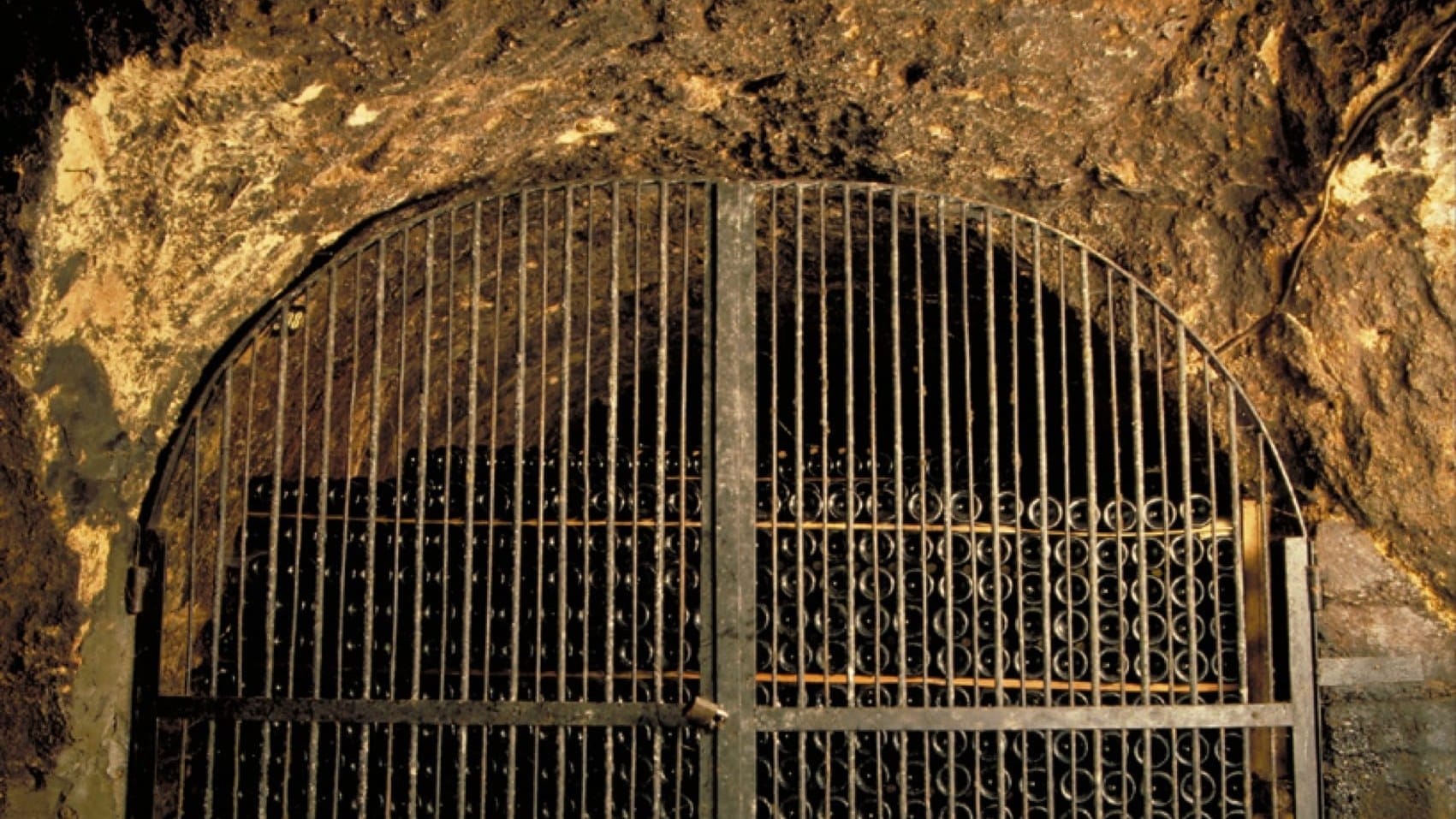
The first commercial vineyard in modern Lebanon was founded by Jesuit monks in 1857. Chateau Ksara, near the town of Zahle, is still Lebanon’s biggest producer, filling more than 2,000,000 bottles annually, with their Reserve du Couvent being the most popular. During Ksara’s guided tour one can learn about the history of the vineyard and the caves. The caves were discovered by the Romans and then used by monks to store the juices. The vineyard attracts around 40,000 visitors per year. “About half of them are Lebanese, the rest is foreign. Tour operators organise trips and we have many hostesses to show them around,” says Rania Chammas of Ksara.
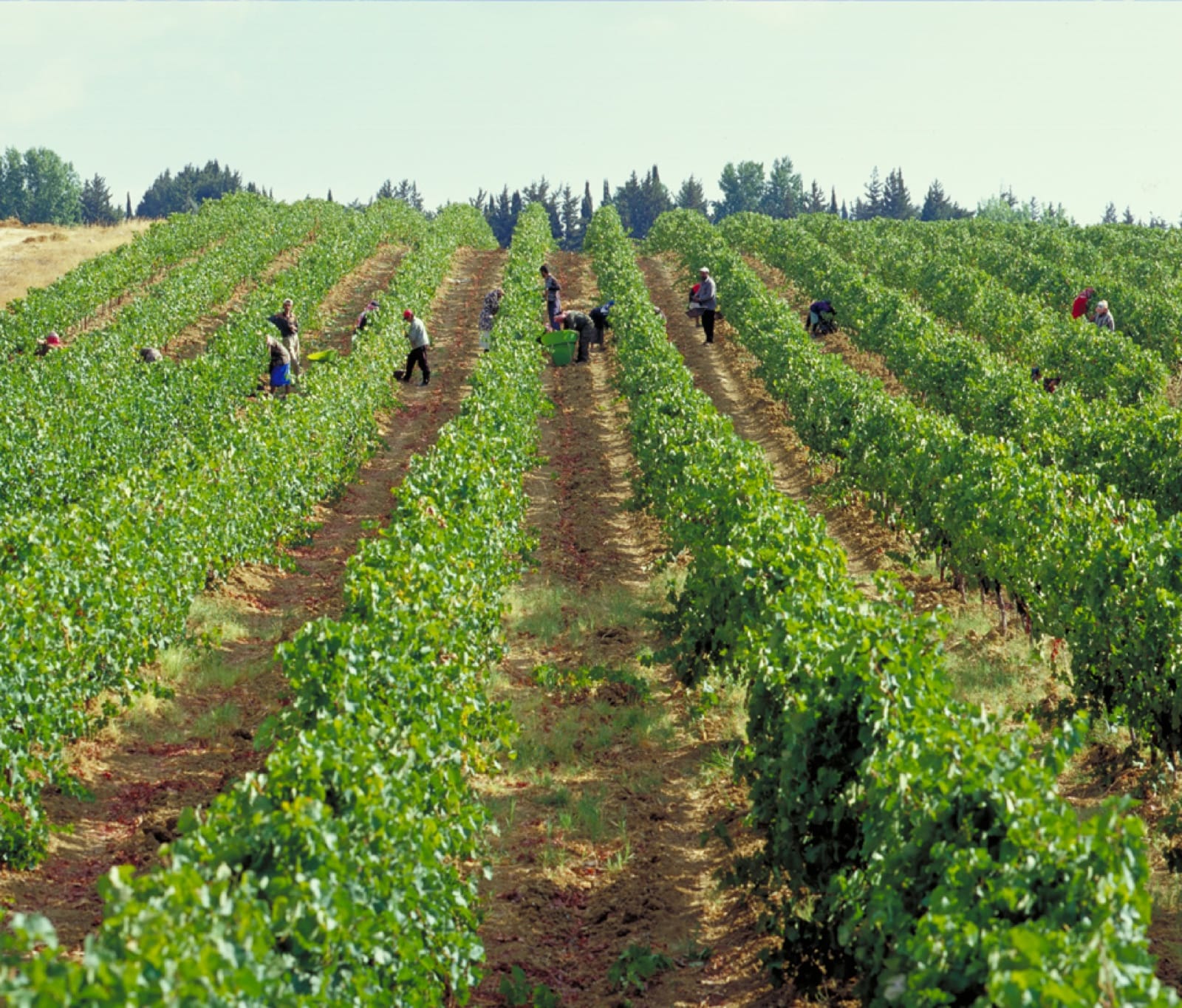
Connoisseurs will tell you that the Lebanese climate is ideal for growing grapes. With 300 days of sunshine per year and at an altitude of 700 to 1200 meters, the Bekaa has short winters that are wet and cold that are then followed by long, dry, hot summers. “The climate here is very good. Lebanon has the potential to make some excellent [vintages],” says Michael Karam, author of the book Wines of Lebanon. Yet he says the industry in Lebanese produces only about 7,000,000 bottles annually, with a turnover of around 30,000,000 USD. “The industry is microscopic; this is the size of a big French vineyard,” notes the wine writer.
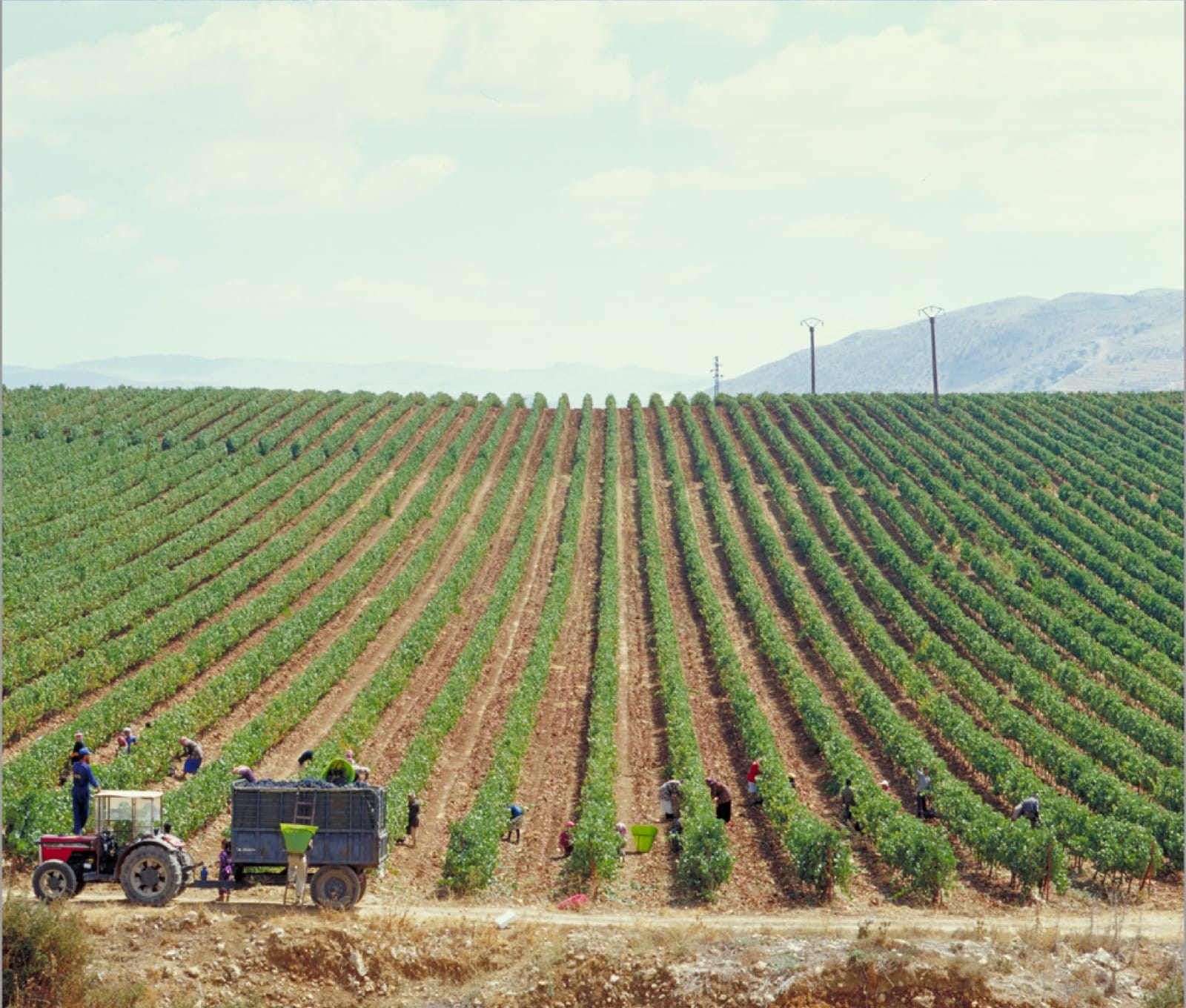
French influence is apparent in the grape varieties planted here; Merlot, Cabernet Sauvignon, Carignan, Grenache, Semillon and Syrah. Some of the wineries also work together with French partners. Take Massaya, one of Lebanon’s most successful vineyards. This boutique winery was founded in the mid-1990s by the Ghosn brothers and their experienced French partners. Massaya’s bottles are today found in the cellars of some of the finest restaurants around the world.
Many Lebanese vineyards capitalise on the success of their produce in the Middle East as well as in European markets like France and the UK. It was Serge Hochar, from Chateau Musar, who went to a UK trade fair in the midst of the civil war to put Lebanese producers on the map. Musar is still one of Lebanon’s big successes abroad. “In order to get Lebanon known around the world you have to do more than just produce a good product. You have to market it. People don’t buy a bottle in isolation; you are buying into a country and a lifestyle,” says Karam, who feels the country and its products are in need of a good campaign. “It is about selling Lebanon. People need to fall in love with the romantic idea of this country, the Bekaa Valley, the sea, the mountain people.”
Today there are almost 30 Lebanese vineyards with new ones opening every year. Kefraya, Ksara and Musar are the most famous, but there are some lesser known establishments as well. Smaller vineyards, producing about 20,000 to 60,000 bottles a year include Cave Kouroum, Chateau Bellevue, Domaine des Tourelles and Domaine de Baal, the country’s only organic producer. Coteaux de Botrys, a vineyard in the village of Edde, close to Batroun, is one of the newer boutique companies. The owner, Neila El Bitar, continues the family tradition her father started when he planted 5,000 vines in 1998.
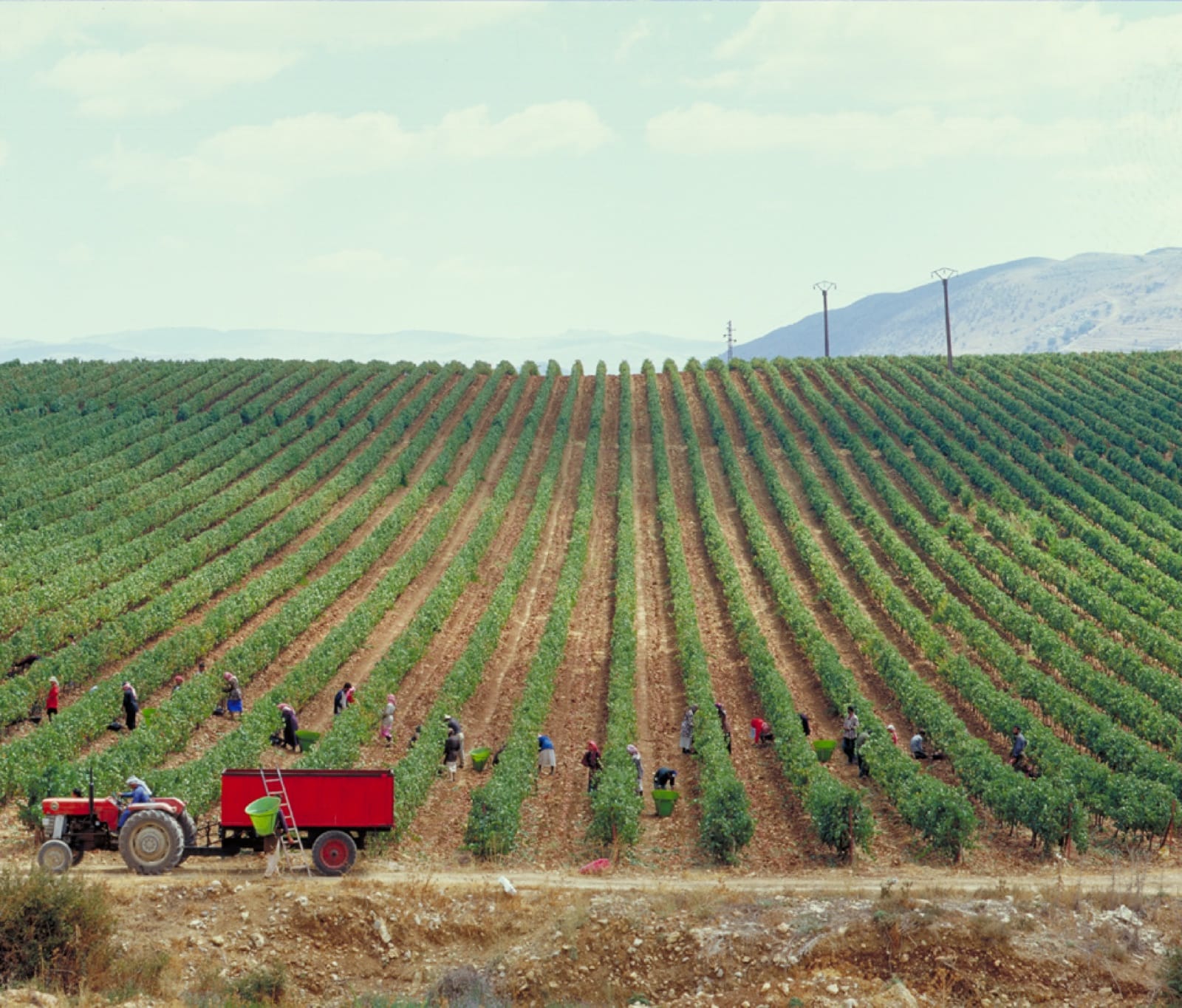
Picturesque vineyards in the Bekaa valley have encouraged a growing tourism industry. Carlos Khachan, founder of Club Grappe, organises tours of Lebanese vines for local and international tourists. Harvest season, in autumn, is an excellent time to visit a vineyard. Lebanese travel agents now organise bus tours around different houses and many of them offer lunches and tastings. The Saade Group, owners of the recently opened Marsyas vineyard, plans to open a boutique hotel and museum in the Bekaa Valley by 2011. The museum will be the first of its kind in this part of the world and will hopefully bring added value to this ancient Lebanese industry. The wine museum will be the first of its kind in this part of the world. “It will enhance the wine culture in the region and will encourage people to do the route du vin,” says Sandro Saade, owner of Chateau Marsyas. “Lebanon is leading the way in this region but there is still a lot to do. The museum will highlight the rich heritage.”