What Anantara Resort
Where Sir Bani Yas Island, a wildlife reservation off the coast of Abu Dhabi
When The resort opened to the public in October of last year
Why An ambitious wildlife preservation project coupled with an exclusive luxury retreat make for an incredible destination for a getaway
The winner of Bespoke’s Ultimate Escape Award was formally the private property of His Highness Sheikh Zayed Bin Sultan Al Nahyan; Sir Bani Yas Island is now home to the most ambitious wildlife preservation effort in the region, and a luxury hotel to boot.
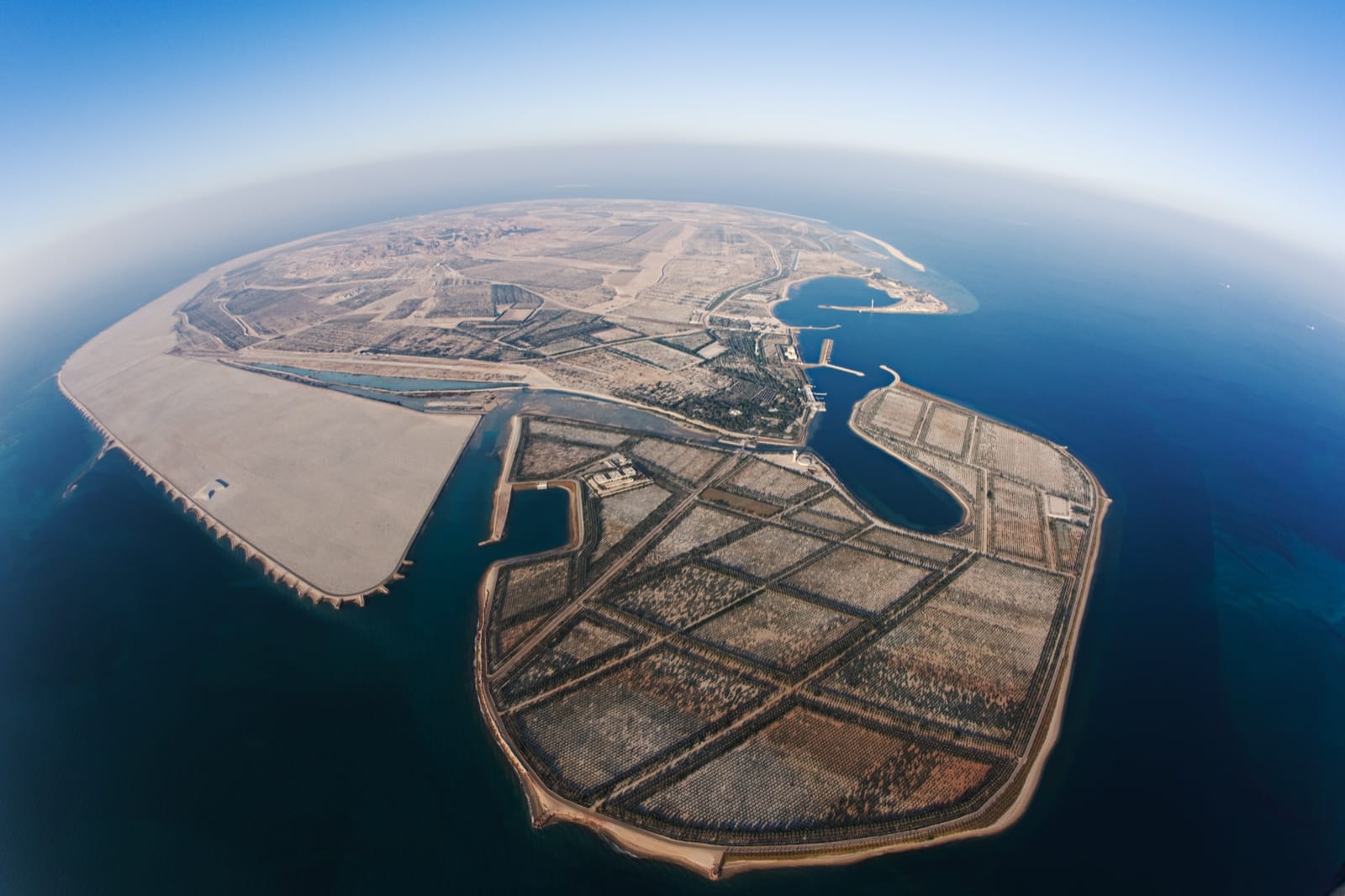
A mere two-and-a-half hours out of Abu Dhabi lies the tranquil island of Sir Bani Yas, home to 23 species of animals and the setting for an exceptional hotel and spa complex. With the hotel run by award-winning Anantara and the wildlife cared for by the Tourism Investment and Development Company (TDIC), Sir Bani Yas is at the forefront of both conservation and relaxation.
The former private island plays host to 7,000 animals ranging from the Scimitar Horned Oryx, which teeters on the verge of extinction, to cheetahs, ostriches, giraffes and the iconic Arabian Oryx. TDIC offers a range of activities, allowing you to explore the island and enjoy a little adventure before relaxing in the sumptuously appointed hotel and spa. The blend between excitement and indulgence works perfectly. “We’re here for active people to relax, we’ve got great activities they can choose from, game drives, mountain biking, kayaking, archery snorkeling, wadi walks, lots of things to keep them busy. It’s certainly interesting for people to come here,” says Priya Bashkar, front office manager of the Desert Islands Resort and Spa. Active relaxation? An interesting idea and something that’s new to the region.
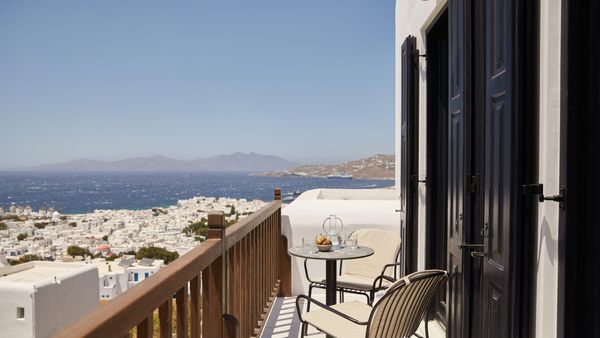
I had arrived in the middle of the afternoon and took advantage of a gap in my itinerary to take a look around the grounds of the hotel. Stunning sea views greet you at almost every turn, an idyllic setting of blue seas, white sand, palm trees, lush grass, wicker seating and parasols; the image of a game lodge cum-Caribbean island.
Strolling through the lobby of the hotel, you feel like a 19th century traveler, the interior décor harking back to the summer palaces of the sultans or the Indian Raj. Served by a scrupulously polite and hospitable staff, the visitor is treated like an old friend. “One of the main Anantara ideals is to create a home away from home and that’s what we do,” said Bashkar, clearly proud of her team’s efforts. The hotel and the setting complement each other perfectly, adding to the otherworldliness of the island. It’s a shock to recall that you’re close to bustle of Abu Dhabi.
The following morning I awoke at the crack of dawn to venture down to a nearby bay for a leisurely hour or so of kayaking. As we listened to the lapping water and basked in the first rays of the rising Sun it was tempting to take a quiet nap, so relaxed was the setting. Resisting my urge to slumber, we paddled a short distance up the coast before heading back to the hotel: a perfect way to start your morning.
The majority of the activities on offer are scheduled to avoid the heat of the Sun, so the following day I again rose with the birds to embark on a wadi walk. After heading inland, we arrived at an almost lunar landscape of miniature canyons, boulders, dramatic peaks and troughs and a vivid array of colours. My guide pointed out volcanic, sedimentary and igneous rocks galore noting that the area had clearly been the site of major geological upheavals in the past.
The area was also something of a gazelle graveyard. Scattered all around us were the bones of animals, victims of the occasionally harsh weather on the island. My guide explained that the animals sought shelter in the wadis and, naturally, often past away in the area. There was nothing macabre about the experience, rather it seemed fitting to the somewhat alien environment.
It was time to check out the spa, a staple of Anantara experience. “We specialise in traditional treatments from the region we’re in, like for example, here in the UAE we practice a sand compression treatment,” Bashkar had told me. Sand compression sounded a little too intense for my liking, though I’m assured it’s nothing to fear, so I headed over for a relaxing aromatic massage and delivered myself into the hands of Thai masseurs. The small, beautifully appointed complex is a haven of relaxation, soft music, gentle lighting staffed by an unfailingly polite, charming group of women. After my exertions on the wadi walk, I dozed in peace amid floral scents. An altogether serene experience, yet again, the desire to catch 40 winks was almost too strong to resist.
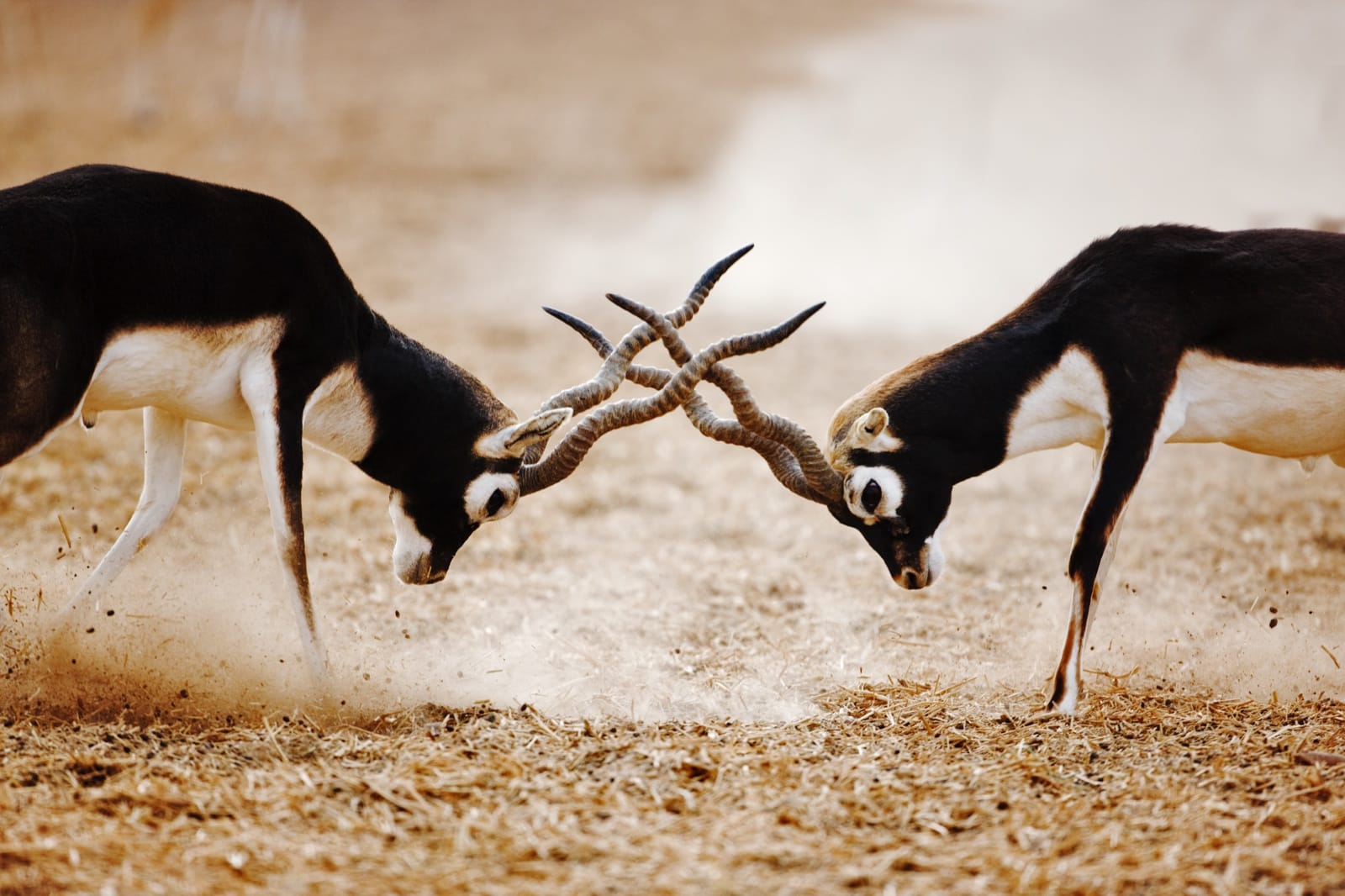
The wildlife drive was something I’d been looking forward to since my arrival on the island and it didn’t disappoint. In fact, it surpassed my expectations. Jumping into the back of a 4x4, we headed off into the interior of the island. All manner of animals passed us by, a different variety of gazelles and deer seemed to be around every corner, all unique, all enchanting. “Almost all the animal species currently on the island were introduced by the late founder and president of the United Arab Emirates, Sheikh Zayed bin Sultan Al Nahyan in an effort to save critically endangered animals from being instinct in the wild,” says Marius Prinsloo, manager of conservation and agricultural services on Sir Bani Yas. Recent additions include striped hyenas and four cheetahs; more on the cats later.
Just as the pangs of hunger started to make themselves felt we pulled over amid a crowd of several hundred Sand Gazelles and breakfast was produced. Snacking on pastries and drinking coffee while surrounded by these undeniably beautiful animals was somewhat surreal. It brought the scale of the project home in a true Kodak moment. But the best was yet to come. Hopping back in the jeep, we headed over to the giraffe enclosure.
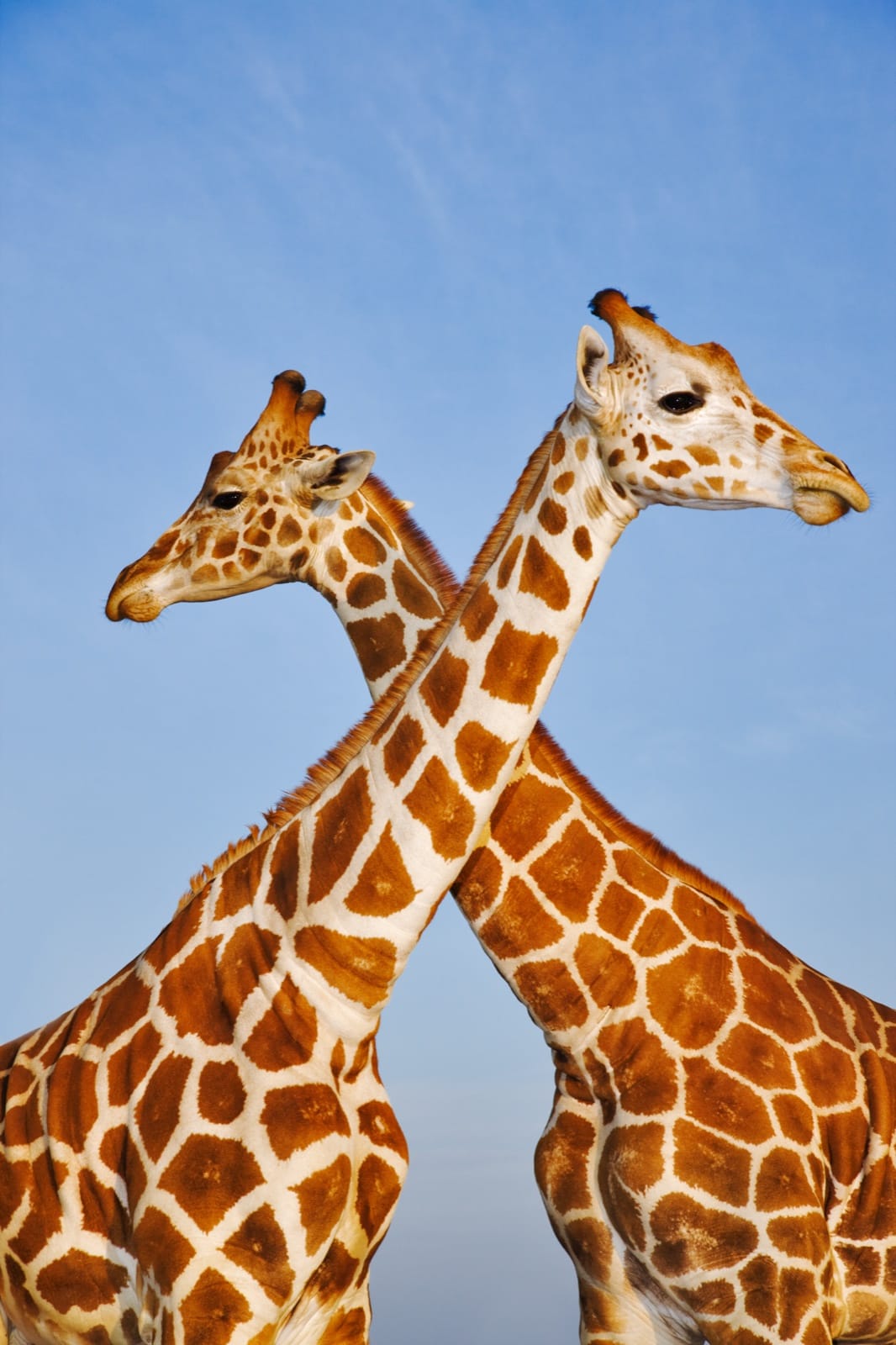
We arrived at feeding time and these elegant animals were out and about in full force. Driving slowly through the enclosure we weaved our way around the lofty giants, watching as they casually stooped to eat, all the while casting glances in our direction. We had noticed a pair trailing the vehicle as we meandered through the compound and I turned my head to get a closer look at our companions. As I did so an enormous head swooped down from upon high, out shot a thick, hot tongue that wrapped itself around my cheek and neck, whipped across my throat and disappeared between almost equine lips. I was just getting over the shock when it happened again. Luckily my mouth was closed.
Still laughing about my shock encounter with the amorous giraffe, we were off cheetah hunting. The reservation has four of the big cats, imported from Africa. The newcomers are hard to find, the island is large and predicting their movements impossible. Just as we were heading home there they were: two males, brothers I’m told, lounging in the shade of a tree, oblivious to the world.
As we approached, one of the cats stood up and walked along a trench just a metre or two from the vehicle. In slow motion, without a care in the world, he gave us the once over before rejoining his more lethargic sibling. The air of suspense that had silently pervaded the vehicle evaporated as we excitedly remarked on our luck. Apparently, the guides hadn’t seen a cheetah in months. Beginner’s luck, I guess.
Asides from entertaining guests, TDIC are planning on expanding their Breeding Centre in order to save animals such as the Scimitar Horned Oryx from extinction. “We continue with intensive breeding programs for many non-Arabian species,” says Prinsloo. He goes on to mention their successes with indigenous species, “We have a very successful breeding program here on the island and we also participate in the reintroduction of the Arabian Oryx.” Successful is an understatement. In the past year 10,000 animals have been released into the Liwa Desert.
My final adventure involved kayaking among the mangroves off the coast of the island. Mangroves are trees that grow in salt water. They’re a vital element in combating erosion due to their thick root network that anchors the seabed in place. Rich with wildlife and hauntingly quiet, it once again gives you a sense of detachment from the world. Flamingos, ospreys, blue angel fish and the leaping garfish all watched on as we intruders passed through their realm.
Throughout my time on the island, I was amazed by the variety of hidden gems that kept appearing. Ancient archaeological sites, exotic animals, beautiful locales and stunning panoramic views abound. There’s no end to the visual and emotional offerings the island serves up.
Sir Bani Yas Island, the conservation efforts by TDIC and the hotel and spa of Anantara are this year’s Ultimate Escape Award Winners. A commendable achievement in the realms of environmental conservation, the luxury hotel industry and tourism, they’re an inspiration to the region. With an equestrian centre, four new lodges for accommodation, conference centres and a scuba diving school in the works, Sir Bani Yas seems set to become a world-renowned site. Long may it continue.