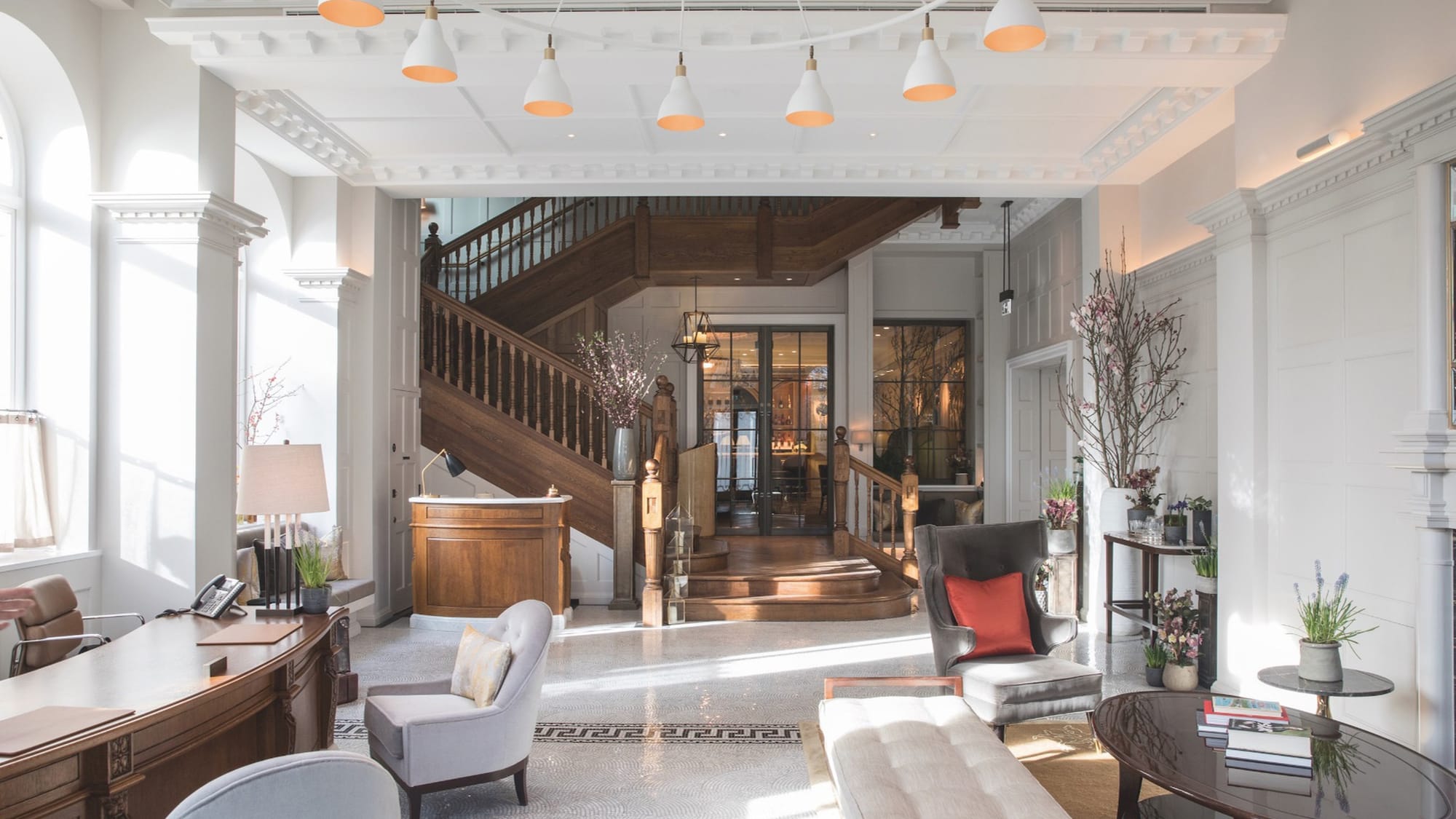
If they are to stay at the top of their game, even the grandest hotels need a refresh from time to time. Here, then, is a survey of the most important global renovations of recent years, so you will know exactly where to head whenever travel restrictions finally lift.
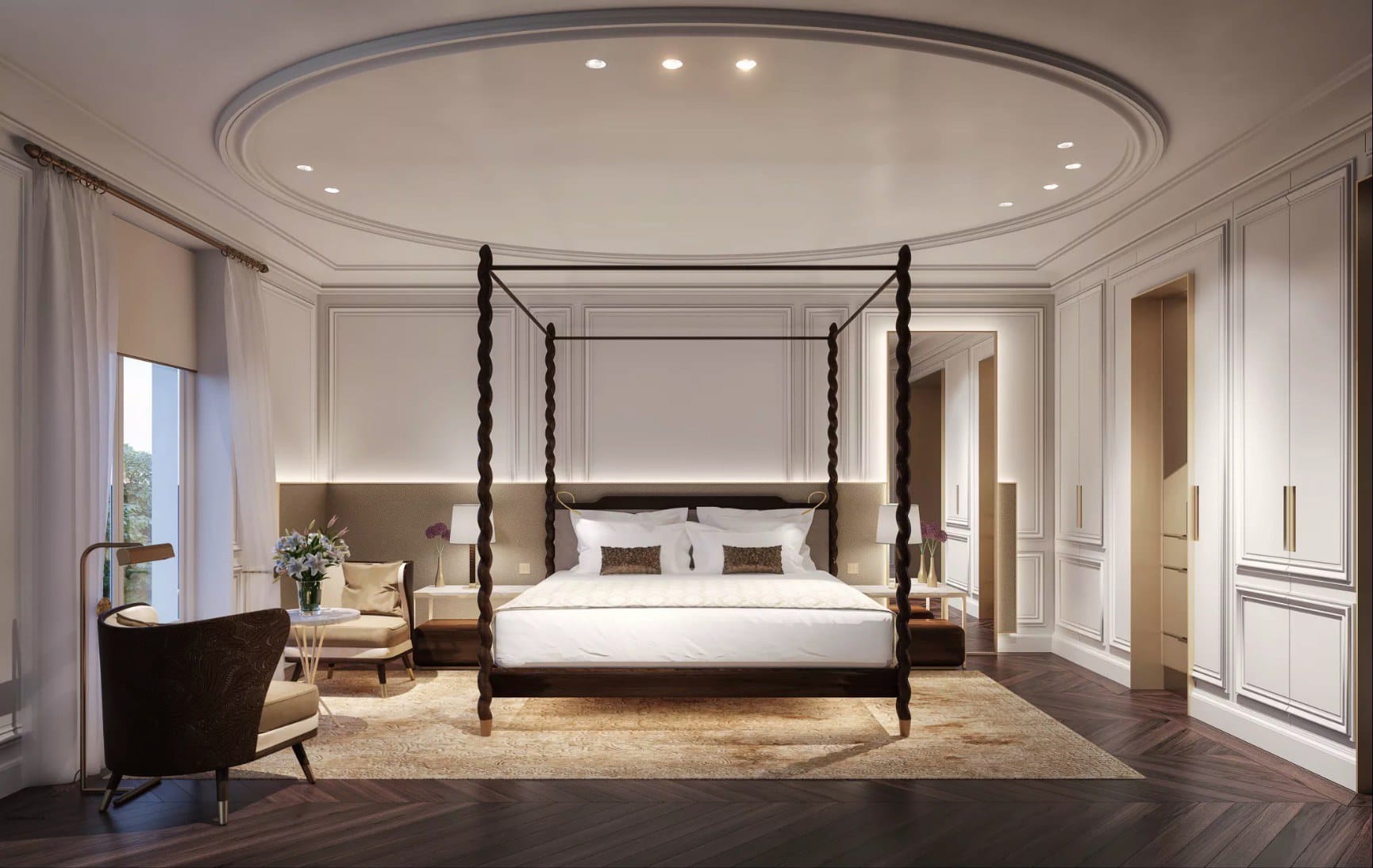
One of the most anticipated openings is, oddly enough, a re-opening. Situated directly across from the Prado in the Spanish capital, the Hotel Ritz Madrid is a Belle Époque palace previously owned by Belmond before it was acquired on a fifty-fifty basis in 2015 by Mandarin Oriental and Saudi Arabia's Olayan Group. Following a 100 million dollar renovation, the biggest in the property's history, it is due to open this summer as the Mandarin Oriental Ritz, Madrid. "We are proud and excited to be opening our second Mandarin Oriental in Spain this summer," says James Riley, the group's chief executive. "The meticulous restoration is designed to ensure that this legendary property is once again recognised as one of Europe's greatest hotels." Expect a new spa, five restaurants and 153 stylish guestrooms.
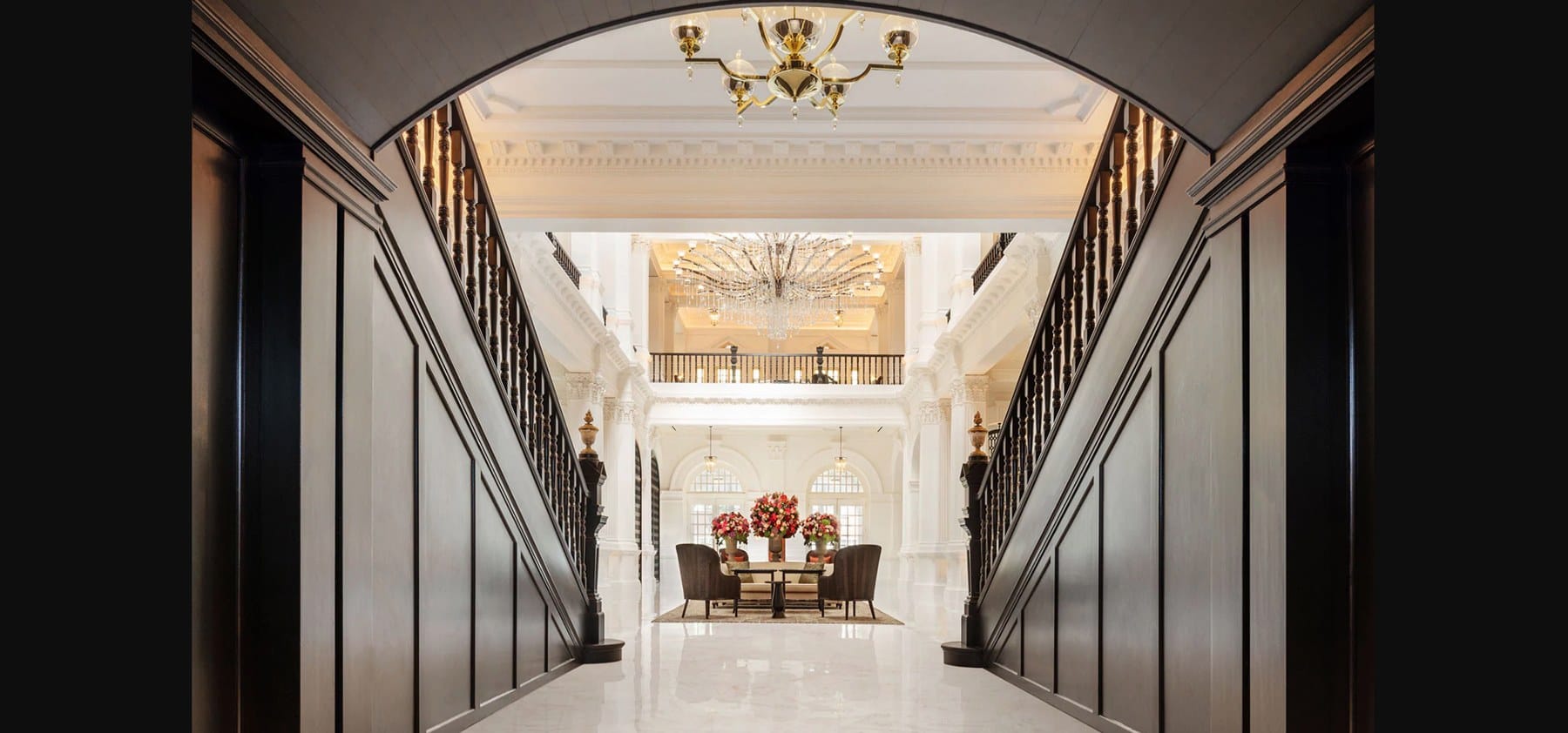
The all-suite Raffles Hotel in Singapore, declared a National Monument just over three decades ago, actually opened in 1887, the same year as the Belmond Cadogan in London. It too underwent its biggest-ever renovation, completed last August after two and a half years of work. Given that the property's last facelift was in 1991, this was more of an overhaul than a refresh, as the hotel was effectively gutted and rebuilt, with everything from engineering systems and kitchens to the food and beverage offerings overhauled. What guests will care about most is the new look, by interior designer Alexandra Champalimaud, of the lobby and the suites, which now number 115, alongside major technology upgrades. Naturally, the Raffles's colonial charm has been sympathetically preserved.
The Hotel Lutetia, set right beside Le Bon Marché on the Rive Gauche, completed its refurbishment back in 2018, but the sheer scale of the job earns it a place here. It took Set, the group behind the Hotel Café Royal in London and the Conservatorium in Amsterdam, four years and 235 million dollars to restore this grande dame, which now boasts 184 spacious rooms, 47 of them suites. Highlights include the Lutetia Brasserie, overseen by three-Michelin-star chef Gérald Passédat, and the acclaimed Akasha Holistic Wellbeing Centre, with massages and treatments, a sauna, a steam room, a 17-metre pool and an infinity-edge hot tub.
When it opened in 1962, in time for the 1964 Tokyo Olympics, the enormous Hotel Okura was not merely the most luxurious hotel in the country, it was a symbol of modern Japan. Led by a team of luminaries including Yoshiro Taniguchi and Hideo Kosaka, its design was bold and distinctly Western, yet unmistakably Japanese in aesthetic. In 2015, a regretful decision was taken to demolish the property and rebuild it. Yet, under the guidance of architect Yoshio Taniguchi, the original designer's son, the team has done its best to replicate the spirit, heritage and many of the design details of the original. Now boasting 508 rooms, up from 408, the hotel, renamed The Okura Tokyo, ended up costing one billion dollars. It opened last September, this time ready for the 2020 games.
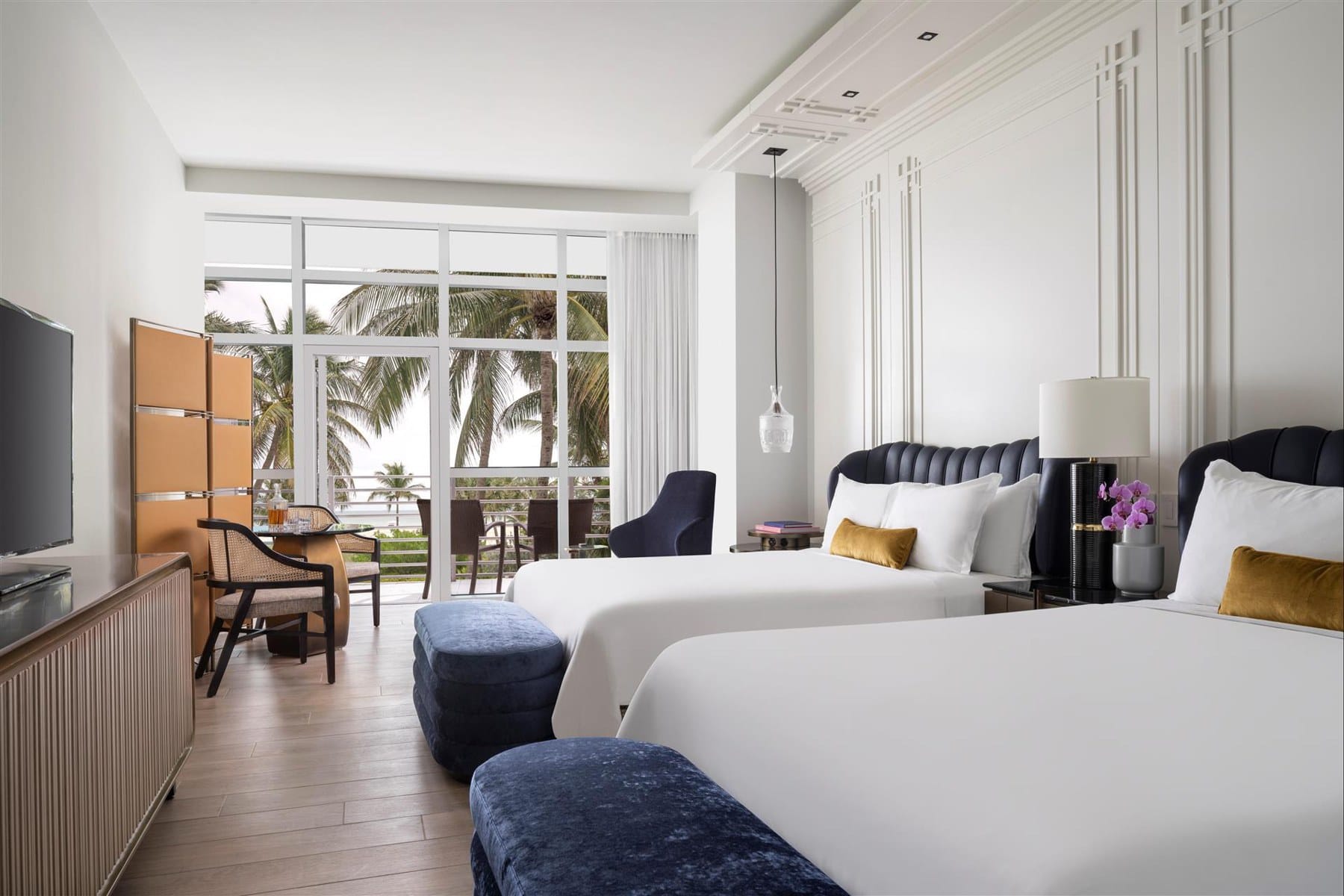
When the Ritz-Carlton announced in 2003 that it would open in the Morris Lapidus-designed DiLido Hotel, set between the Loews and the Delano, eyebrows were raised. Taking over a 1953 MiMo Art Deco building was not very Ritz-Carlton, but when it opened it won over even the sceptics. Original details such as the black terrazzo floors were left intact, while new flourishes were added, among them an original Joan Miró etching in the lobby and a beach club where, every night, DJs spin European lounge music to the accompaniment of a synchronised swimming show. After Hurricane Irma forced it to close in late 2017, the 375-room hotel returned this January following two years of work and 90 million dollars of investment, hotter than ever.
The Cadogan Hotel, on London's Sloane Street, has stood since 1887 and has hosted a cadre of notable figures over the years, including Oscar Wilde, who was famously arrested while staying there. In 2014, the owner, Cadogan Estates, signed an agreement for Belmond, the group formerly known as Orient-Express Hotels and recently acquired by LVMH, to take over operations once a large-scale makeover was complete. The work ultimately took four years and 48 million dollars, and the hotel re-opened last February with a new name, the Belmond Cadogan, and a far more sophisticated look. Spread over five floors, it comprises just 54 rooms, of which 22 are suites.
Among the total makeovers, the Four Seasons Doha deserves special mention. Since it opened in 2005, the 18-storey, 232-key property has held its position as the most upmarket address in town. You could never fault its service or facilities, which include two pools, a private beach and four restaurants, one of them the largest Nobu in the world, but the décor let it down: dark green carpets, heavy wood panelling and dated shiny gold throw-cushions and bed valances. It looked more like an ageing Four Seasons in Middle America than a purpose-built property in the Arabian Gulf. That is no longer the case following a multi-million-dollar renovation led by Pierre-Yves Rochon, with a look far more in keeping with its positioning. The hotel re-opened on 1 March.